
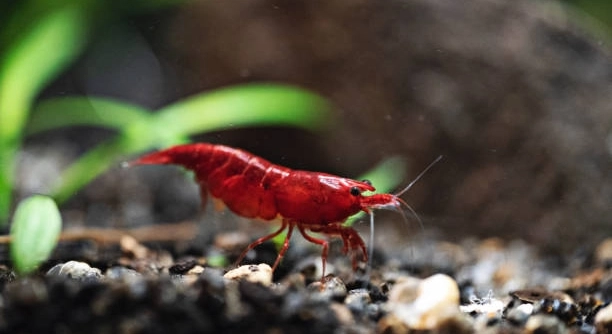
Finding the right hiding spots for shrimp can make your aquarium feel more natural and comfortable. Shrimp enjoy spaces where they can feel safe, explore freely, and avoid stress from larger tank mates or sudden changes.
A great shrimp hiding spot combines cover, texture, and accessibility. It should offer protection from predators, mimic natural environments, allow shrimp to graze and molt safely, and be positioned to encourage regular exploration and social interaction without overcrowding.
Choosing the best hiding spots requires paying attention to structure, materials, and placement to support healthy shrimp behavior and growth.
Dense Plant Coverage
Dense plant coverage gives shrimp places to hide and explore. Live plants like moss, Java fern, and Anubias create natural shelters. Shrimp feel more secure when they can move between leaves and stems. Floating plants can also help diffuse light and reduce stress. Plants not only offer hiding spaces but also provide surfaces for biofilm to grow, which shrimp feed on naturally. A mix of tall and short plants helps shrimp find spots at different levels in the tank. Dense planting encourages natural behaviors like grazing and molting, and it keeps shrimp calmer around more active tank mates. Over time, plants can help maintain water quality by absorbing nitrates. Using a variety of plants ensures that hiding spots are available even as the shrimp grow. It also adds texture and depth to the tank, making the environment more visually interesting. Creating a layered plant arrangement is simple but highly effective for shrimp comfort and survival.
Shrimp prefer areas with many leaves and stems where they can retreat and feel safe from larger fish.
Dense plants provide security and grazing opportunities, reduce stress, and support overall tank health, making them essential for happy shrimp.
Rocks and Caves
Shrimp love rocks and caves because they mimic natural shelters. Smooth rocks, slate, and small cave ornaments give shrimp places to hide, molt, and explore. Arranging rocks in stacks or formations creates nooks and tunnels, which shrimp use to feel secure. These spaces also help establish territories and reduce aggression among tank mates. Avoid sharp edges that could injure delicate shrimp. Caves should be large enough for shrimp to move freely but tight enough to feel protected. Natural-looking arrangements improve the tank’s aesthetics and provide shaded areas, which lower stress levels. Rocks and caves also promote algae and biofilm growth, giving shrimp an additional food source. Using varied rock types and textures creates more interest and encourages shrimp to explore. Placement near plants or driftwood can enhance security and grazing options. Cleaning rocks occasionally prevents debris buildup without disturbing the shrimp’s routine. Strategically placed caves and rock formations create a safer, more engaging environment for your shrimp to thrive.
Driftwood and Branches
Driftwood and branches create natural hiding spots and grazing surfaces. Shrimp use them to explore, molt, and cling while feeling safe. Different shapes and textures add interest and shelter at multiple levels in the tank.
Driftwood provides shaded areas and crevices that mimic riverbeds or pond environments. Shrimp often crawl over the surfaces, feeding on biofilm and algae that develop naturally. Branches suspended in the water column give vertical hiding spaces, which is especially helpful in taller tanks. The wood also slowly releases tannins, slightly lowering pH and creating softer water conditions that many shrimp prefer. Combining driftwood with plants or rocks can create complex shelters where shrimp can retreat without feeling exposed. Choosing smaller pieces for young shrimp and larger, sturdier wood for adults ensures safety. It’s important to clean and soak new driftwood before adding it to prevent cloudiness and unwanted chemicals. Driftwood enhances both the aesthetics and functionality of a tank by offering natural textures and multiple secure spots for shrimp to interact with their environment.
Branches and driftwood improve tank diversity by offering different surfaces, hiding spaces, and feeding opportunities for shrimp at every level.
Leaf Litter
Leaf litter forms soft hiding areas that feel natural to shrimp. Indian almond leaves, oak, or beech leaves slowly break down, releasing tannins and creating gentle water conditions.
Leaves provide both shelter and food. Shrimp graze on the biofilm and microorganisms that develop on decomposing leaves. Over time, the leaves break down into small particles, enriching the substrate and encouraging shrimp to forage. Multiple layers of leaf litter create shaded areas where shy shrimp can molt without disturbance. Placing leaves near rocks or plants increases security, while partially submerged leaves allow shrimp to explore at different depths. Some leaf types also release mild acids, helping maintain slightly acidic water conditions favored by many freshwater shrimp species. Regular replacement ensures the litter remains beneficial and does not foul the tank. The combination of texture, shading, and food makes leaf litter a practical and natural hiding solution.
Using leaf litter allows shrimp to feel safe, feed naturally, and maintain healthy behaviors while enhancing tank complexity and water quality.
Moss Mats
Moss mats give shrimp soft, dense surfaces to hide and graze. They create low-lying shelters and help shy shrimp feel secure while exploring the tank.
Moss mats also support biofilm growth, which provides a natural food source. Shrimp enjoy crawling through the fibers, molting safely, and resting in shaded areas.
Small PVC or Ceramic Tubes
PVC and ceramic tubes act as artificial caves. They provide tight, protected spaces that shrimp can retreat to when stressed or molting.
Floating Hiding Spots
Floating hiding spots create shaded areas in the upper tank. They allow shrimp to feel safe while exploring higher levels and resting away from tank traffic.
How many hiding spots should I provide for my shrimp?
It’s best to offer multiple hiding spots in a tank, roughly one for every few shrimp. Having a variety of shelters ensures that even shy or molting shrimp can find a safe place without feeling stressed. Overcrowding one area can lead to competition and reduce the effectiveness of hiding spots. Spread plants, rocks, leaf litter, and other shelters across the tank to give shrimp options at all levels. Observing your shrimp can help you identify areas where they naturally retreat and allow you to adjust placement. A well-distributed environment encourages natural behavior and reduces aggression among tank mates.
What type of plants work best for hiding spots?
Mosses like Java moss, ferns such as Java fern, and Anubias are excellent for creating dense coverage. These plants grow slowly, don’t require frequent trimming, and provide plenty of surfaces for shrimp to cling to. Floating plants can also diffuse light, creating shaded areas where shrimp feel more secure. Tall stem plants offer vertical hiding, while shorter plants create ground-level cover. Combining plant types gives shrimp layers to explore, feed, and rest. Dense foliage encourages natural grazing and reduces stress, supporting molting and healthy growth. Plant arrangement can mimic natural habitats, making shrimp feel safer and more comfortable in the aquarium.
Can shrimp use artificial hides safely?
Yes, artificial hides like PVC tubes, ceramic caves, and small ornaments are safe if edges are smooth and materials are aquarium-safe. Tubes and caves provide tight spaces for molting or resting, which is important for timid or newly added shrimp. Avoid painted or coated items that might leach chemicals into the water. Clean new hides thoroughly before adding them. Positioning artificial hides near plants or rocks enhances security and grazing opportunities. They complement natural hiding options, giving shrimp multiple choices for safety and comfort. Observing how shrimp interact with artificial shelters can help optimize placement and increase tank harmony.
Do shrimp prefer shaded areas over open spaces?
Shrimp feel more secure in shaded or covered areas. Overhead light and tank activity can stress them, so hiding spots with partial cover help them relax and engage in natural behaviors. Floating plants, driftwood, or dense foliage create shade and visual barriers that reduce exposure to predators or active tank mates. Shaded areas are particularly important during molting, as shrimp are more vulnerable at that time. Providing both open and covered spaces allows shrimp to explore when comfortable and retreat when necessary. Balanced light and shade support both health and behavioral enrichment for shrimp.
How often should hiding spots be maintained?
Regular maintenance is important to prevent debris buildup or algae overgrowth. Clean moss, plants, and artificial caves periodically without removing too much biofilm, which shrimp feed on. Leaf litter should be replaced before it fully decomposes to prevent water quality issues. Rocks and driftwood may need occasional rinsing to remove sediment or uneaten food. Avoid harsh scrubbing or chemicals that could harm shrimp. Observation is key: if hiding spots start looking overcrowded or decayed, adjust or replace them. Proper maintenance keeps hiding spots functional, safe, and appealing for shrimp.
Do shrimp use hiding spots differently at night?
Yes, shrimp are more active at night but still utilize shelters for safety. They may venture out under low light but retreat quickly if disturbed. Hiding spots near substrate and along the tank edges are particularly useful at night. Providing a mix of open areas and covered zones supports their natural activity patterns. Shaded spots, leaf litter, and caves give them confidence to feed and explore without stress. Understanding nocturnal behavior helps optimize hiding spot placement, ensuring shrimp have security while remaining active and healthy in the aquarium.
Can hiding spots improve shrimp breeding?
Hiding spots are essential for successful breeding. Shy or pregnant shrimp need secure spaces to molt and lay eggs safely. Dense plants, moss mats, and leaf litter provide areas where juvenile shrimp can hide from adults and tank mates. Multiple shelters reduce stress, which can increase breeding success and survival rates. Proper placement of hiding spots encourages natural behaviors like grazing, molting, and mating. Observing shrimp preferences helps determine which shelters are most effective for breeding. A mix of natural and artificial hiding spaces supports reproduction while maintaining a healthy, balanced tank environment.
Is it better to use natural or artificial hiding spots?
Both have benefits. Natural options like plants, leaf litter, and driftwood create a realistic environment and support grazing. Artificial hides like PVC tubes or ceramic caves are durable, easy to clean, and provide reliable protection. Combining both ensures variety, giving shrimp multiple options for retreat and exploration. Placement near feeding zones, plants, or shaded areas increases usability. Observation helps identify which types are preferred. A balance of natural and artificial hiding spots supports healthy shrimp behavior, reduces stress, and encourages active, confident movement throughout the tank.
How do I know if my hiding spots are effective?
Shrimp should use them frequently without appearing stressed or overcrowded. Watch for molting in secure areas, regular grazing, and movement between shelters. If shrimp avoid certain spots, consider repositioning, adding cover, or changing materials. A variety of textures, heights, and light levels increases usage. Properly functioning hiding spots lead to healthier, more confident shrimp and help maintain a calm tank environment.
Can too many hiding spots be a problem?
Yes, overcrowding the tank with hiding spots can reduce open swimming space and make feeding uneven. Balance is key: provide enough shelters for security without blocking light or restricting movement. Too many dense areas can trap debris and make maintenance harder. Monitor shrimp behavior and tank layout to maintain a functional, comfortable environment that supports natural activity and exploration.
Providing effective hiding spots for shrimp is one of the most important steps in creating a healthy and comfortable aquarium. Shrimp are naturally shy and small, making them vulnerable in open spaces or around more active tank mates. Proper hiding spots allow them to retreat, explore safely, and engage in natural behaviors without constant stress. Plants, rocks, driftwood, leaf litter, moss mats, and artificial caves all contribute to this sense of security. Each type of hiding spot serves a slightly different purpose, offering shading, grazing surfaces, or tight areas for molting. When thoughtfully arranged, these shelters can make a tank feel more balanced and natural, supporting both the physical health and the behavioral needs of the shrimp. Over time, you will notice shrimp using these spaces more frequently, which is a sign that they feel secure and at ease in their environment.
A well-designed hiding spot setup does more than just provide safety. It encourages shrimp to graze on biofilm and algae, explore different levels of the tank, and interact with their surroundings in ways that mimic natural behavior. Leaf litter, for example, slowly decomposes and creates both food and soft areas for molting, while moss mats give tiny shrimp places to crawl and rest. Driftwood and branches offer shaded areas and vertical interest, making the tank more dynamic. Artificial caves and PVC tubes add reliable spaces for timid or newly introduced shrimp to retreat. The combination of natural and artificial shelters ensures that all shrimp, regardless of size or confidence, have a place to feel secure. Regular observation helps identify which hiding spots are most effective and allows adjustments to be made. This balance between open swimming space and protected zones is key to maintaining an active, healthy population.
Maintenance of hiding spots is just as important as providing them. Plants may need occasional trimming, moss mats may require gentle cleaning, and leaf litter should be replaced before it fully decays. Rocks and driftwood can be rinsed periodically to prevent debris buildup. Artificial hides should also be checked for sharp edges or damage that could harm shrimp. By keeping hiding spots clean and functional, you help ensure that shrimp continue to use them safely. Overcrowding or neglecting shelters can reduce their effectiveness, leading to stress or unhealthy behavior. Thoughtful planning, observation, and care of hiding spots create a stable and supportive environment where shrimp can thrive. Ultimately, investing time and attention into these small spaces improves the overall well-being of your shrimp and enhances the enjoyment of maintaining a balanced and natural-looking aquarium.

Hello,
If you enjoy the content that we create, please consider saying a "Thank You!" by leaving a tip.
Every little bit helps us continue crafting quality advice that supports the health, happiness, and well-being of pets around the world, for pets of all shapes, sizes, and species.
We really appreciate the kindness and support that you show us!