
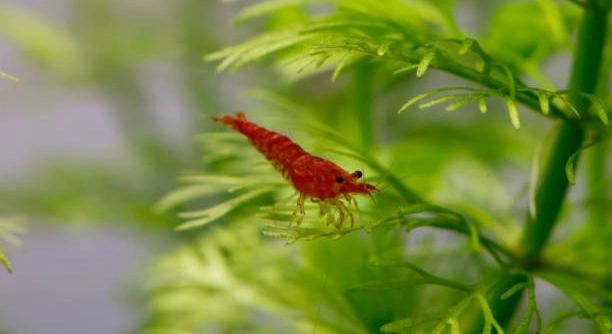
Do your shrimp seem to avoid certain areas of your tank, especially near the air stone? Many shrimp owners notice this behavior, and it can be puzzling when their tiny pets prefer calmer, less bubbly zones.
Shrimp often avoid air stone bubbles due to the high water movement and noise they produce. Excessive agitation can stress shrimp, disrupt feeding patterns, and interfere with their natural swimming and resting behaviors in freshwater aquariums.
Understanding these behaviors can help you create a more comfortable environment for your shrimp and improve their overall well-being.
Why Shrimp React to Air Stone Bubbles
Shrimp are small and sensitive creatures that respond to their environment in noticeable ways. Air stones create constant bubbles, which generate water movement and tiny vibrations. These bubbles can overwhelm shrimp, making them feel unsafe or stressed. Many shrimp prefer calmer areas where they can explore and graze without interruption. The constant agitation near an air stone also disturbs sediment and food particles, which can make feeding more difficult for them. Over time, shrimp may begin avoiding these zones entirely, settling in quieter corners with less turbulence. Lighting and tank decoration also play a role, as shrimp feel more secure near plants, rocks, and other hiding spots. Even slight variations in current or bubble intensity can influence their behavior. Observing your shrimp’s patterns will help you determine which areas they favor and allow you to adjust equipment placement for their comfort.
Shrimp naturally prefer gentle water flow, avoiding areas with strong movement or constant bubbling from air stones.
Providing calm zones with low agitation helps shrimp thrive, giving them space to feed, molt, and interact safely in the aquarium.
Adjusting Your Tank for Shrimp Comfort
Reducing air stone output or repositioning it can immediately improve shrimp behavior.
Using adjustable air pumps or diffusers allows for gentler bubble distribution, minimizing stress. You can also add decorations, plants, or moss to break up water flow and create secure areas. Observing where shrimp gather most often gives clues about ideal current and bubble levels. It’s helpful to balance oxygenation needs with shrimp comfort by spacing multiple stones or using sponge filters, which produce softer water movement. Temperature and water quality should also be stable, as stress from bubbles can compound other environmental factors. Over time, small adjustments can significantly improve shrimp activity and reduce hiding behavior. Shrimp may initially explore cautiously, but with consistent conditions, they will gradually return to feeding and interacting freely throughout the tank, enjoying both oxygenated water and safe, calm zones simultaneously.
Common Signs of Shrimp Stress
Shrimp that are stressed by air stone bubbles often hide more than usual. They may cling to plants or decorations, avoiding open areas entirely.
Stress can cause shrimp to eat less and molt irregularly. Constant exposure to strong bubbles can trigger erratic swimming, increased hiding, and reduced interaction with other tank mates. Over time, prolonged stress weakens their immune system, making them more susceptible to illness. Monitoring behavior daily allows you to detect changes early and take corrective action. Simple adjustments like repositioning air stones or reducing bubble intensity can prevent long-term stress and help shrimp maintain healthy routines and regular feeding.
Recognizing these stress indicators early ensures that your shrimp stay healthy and active.
Creating Calmer Zones
Providing areas with minimal water movement encourages shrimp to explore and feed freely. Plants, moss, and decorations act as natural barriers.
Placing air stones strategically or using adjustable pumps allows you to balance oxygenation without overwhelming the tank. Soft, diffused bubbles are less likely to disturb shrimp. Observing where shrimp spend the most time helps determine optimal equipment placement. Small hiding spots encourage natural behavior and reduce stress, especially during molting. Over time, these calm zones allow shrimp to feed consistently, swim comfortably, and interact naturally, leading to a healthier and more balanced aquarium environment.
Positioning Air Stones Effectively
Placing air stones away from heavily populated shrimp areas can reduce stress. Focus on sections of the tank where few shrimp spend time.
Angling the bubbles toward open water or near filtration outlets helps disperse water movement without disturbing hiding spots. This allows shrimp to access calm zones freely.
Using Sponge Filters
Sponge filters provide gentle water movement and aeration. They minimize strong currents that shrimp find stressful, supporting healthier behavior.
Monitoring Shrimp Behavior
Watch how your shrimp respond to changes in bubble placement. Sudden hiding, reduced feeding, or frantic swimming indicates stress.
Maintaining Stable Conditions
Consistent water temperature, pH, and cleanliness complement calmer water flow. Stability reduces stress and supports shrimp health over time.
FAQ
Why do my shrimp avoid the area around the air stone?
Shrimp are sensitive to strong water movement and noise. Air stones create constant bubbles, which produce vibrations and turbulence. This can make shrimp feel unsafe or stressed, so they naturally avoid these areas, preferring calm sections of the tank where they can graze and explore comfortably.
Can air stones harm shrimp physically?
While air stones do not usually cause direct harm, the strong water flow can disrupt feeding and molting. Young or delicate shrimp may struggle to swim against the current, leading to exhaustion or molting problems. Over time, this can weaken their overall health.
How can I reduce stress caused by air stones?
Position air stones away from areas where shrimp frequently gather. Using adjustable pumps or diffusers allows for gentler bubbles. Adding plants, moss, or decorations breaks up water flow, creating calm zones where shrimp can rest and feed without disturbance.
Is there a difference between sponge filters and air stones for shrimp tanks?
Yes, sponge filters produce softer water movement while still providing oxygenation. They are less likely to disturb shrimp and offer additional hiding spaces, which can be especially helpful during molting periods or for timid species.
Will shrimp eventually get used to strong bubbles?
Some shrimp may gradually acclimate to mild water movement, but excessive or continuous strong bubbles are likely to keep them stressed. Observing their behavior is key; if hiding or erratic swimming persists, reducing bubble intensity is necessary.
How do I know if my shrimp are stressed from the bubbles?
Signs include hiding frequently, avoiding open areas, reduced feeding, and irregular molting. Shrimp may also swim erratically or cling to plants and decorations to escape strong currents. Monitoring daily behavior helps detect early stress indicators.
Can repositioning the air stone improve shrimp behavior?
Absolutely. Moving the air stone to a less populated tank area or adjusting its angle can significantly reduce stress. Placing it near the filter outlet or toward open water helps disperse movement without disturbing the main shrimp zones.
Are all shrimp species sensitive to bubbles the same way?
Different species have varying tolerance levels. Most dwarf shrimp, like Cherry or Crystal Red shrimp, prefer calm water, while larger or more robust species may tolerate moderate water movement better. Observing species-specific behavior is important when adjusting tank conditions.
Should I turn off the air stone entirely for shrimp?
Turning off the air stone completely is not usually recommended, as oxygenation is important. Instead, adjust output, use multiple smaller stones, or switch to gentle sponge filters to maintain water quality without stressing the shrimp.
Does bubble size matter for shrimp comfort?
Yes, larger, forceful bubbles create more agitation, while finer bubbles produce less turbulence. Fine, diffused bubbles are less likely to disturb shrimp and still help circulate water and oxygen.
Can hiding spots help shrimp cope with strong air stone bubbles?
Providing plants, rocks, and moss creates secure areas where shrimp can escape excess water movement. These spots allow them to feed, molt, and rest safely, even if other tank sections experience stronger currents.
How often should I check shrimp behavior near air stones?
Daily observation is best, especially after making adjustments. Watching feeding habits, swimming patterns, and hiding tendencies provides immediate feedback on whether bubble intensity or placement is suitable.
Will adjusting water flow alone improve shrimp comfort?
Adjusting flow is effective, but combining it with stable water parameters, proper oxygenation, and hiding spaces ensures shrimp remain healthy and active. A holistic approach supports overall well-being, not just stress reduction.
Can air stones cause long-term issues for shrimp if ignored?
Persistent strong bubbles can lead to chronic stress, reduced feeding, irregular molting, and weakened immunity. Addressing air stone placement and intensity early prevents long-term negative effects on shrimp health.
Are there alternatives to air stones for aeration in shrimp tanks?
Yes. Sponge filters, gentle powerheads, and passive circulation methods can maintain oxygen levels without creating strong turbulence. These options help balance water quality and shrimp comfort.
How do I balance oxygenation with shrimp comfort?
Use multiple small air stones or gentle sponge filters strategically placed to circulate water without overwhelming shrimp. Observing their preferred zones helps identify areas where oxygenation can be increased safely.
Does water temperature affect shrimp tolerance to bubbles?
Yes. Shrimp are more sensitive to strong bubbles in warmer water, as metabolism and activity levels increase. Maintaining stable temperatures helps reduce stress and improves overall tolerance to moderate water movement.
Can I train shrimp to tolerate moderate water movement?
Gradual adjustments to flow can help shrimp acclimate, but forcing strong currents is counterproductive. Small, incremental changes allow shrimp to adapt naturally while maintaining health and feeding routines.
Are baby shrimp more sensitive to air stone bubbles than adults?
Yes, juveniles are smaller and weaker swimmers. They are more easily stressed by strong currents and may require additional hiding spots or gentler water movement to thrive until they mature.
How do I know if my adjustments are effective?
Observe shrimp returning to previously avoided areas, feeding normally, and molting successfully. Reduced hiding, calmer swimming, and regular interaction with tankmates indicate that stress from air stone bubbles has been minimized.
Final Thoughts
Creating a comfortable environment for shrimp requires attention to both water movement and tank layout. Shrimp are naturally sensitive to strong currents and constant bubbling from air stones, which can make them feel unsafe or stressed. Observing where your shrimp spend most of their time helps identify areas that are too turbulent. By adjusting air stone placement or output, you can create calmer zones that allow shrimp to feed, explore, and rest without interference. Decorations, moss, and plants play an important role by breaking up water flow and offering secure spots for hiding. Even small changes in bubble intensity or direction can have a noticeable impact on shrimp behavior and overall well-being. Monitoring these adjustments over time ensures the tank environment remains balanced, supporting healthy shrimp activity and natural behaviors.
Maintaining stable water conditions complements efforts to reduce stress from air stones. Consistent temperature, pH, and cleanliness allow shrimp to adapt more easily to their surroundings. Stress from strong water movement can combine with other environmental factors, such as fluctuating temperature or poor water quality, leading to decreased feeding and irregular molting. By keeping conditions stable and providing gentle water circulation, shrimp are less likely to hide excessively or develop health issues. Regular observation is key, as shrimp will often show early signs of discomfort through reduced activity or increased hiding. Making gradual adjustments rather than abrupt changes helps shrimp acclimate without causing additional stress. Calm zones, secure hiding spots, and proper water conditions together create an environment where shrimp can thrive naturally, even in tanks with necessary oxygenation and filtration.
Patience and careful planning are essential for successful shrimp care. Understanding their behavior around air stone bubbles allows you to make practical changes that improve both comfort and health. Not all shrimp respond the same way, and individual differences may influence how they react to water movement. Young or delicate shrimp are often more sensitive, while adult shrimp may tolerate moderate currents. By observing patterns and adjusting equipment strategically, you can ensure that all shrimp have access to safe, calm areas while still benefiting from oxygenated water. Over time, shrimp will explore more, feed regularly, and molt successfully, showing that the adjustments are working. Attention to detail, consistency, and observation help create a balanced environment where shrimp remain active, healthy, and stress-free, even with necessary tank equipment in place.

Hello,
If you enjoy the content that we create, please consider saying a "Thank You!" by leaving a tip.
Every little bit helps us continue crafting quality advice that supports the health, happiness, and well-being of pets around the world, for pets of all shapes, sizes, and species.
We really appreciate the kindness and support that you show us!