
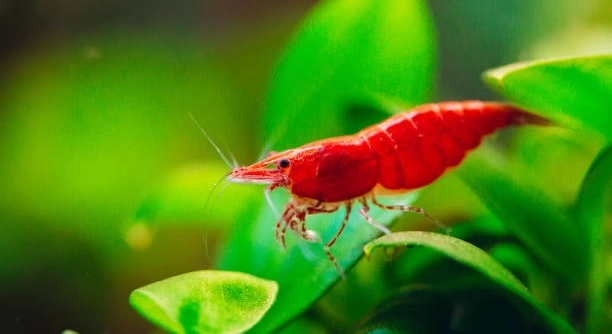
Have you ever set up a new aquarium and wondered whether cherry shrimp can thrive in a bare-bottom setup while still staying active and healthy? This simple approach often interests keepers looking for cleaner maintenance.
Cherry shrimp can handle bare-bottom tanks effectively, as the smooth surface simplifies cleaning and reduces trapped debris. Maintaining stable water parameters, providing hiding spots, and offering balanced nutrition ensures their comfort and overall health in this streamlined environment for stability.
This setup carries subtle details that shape shrimp behavior and comfort, giving you helpful insights into creating a stable space.
Benefits of Bare-Bottom Tanks
Using a bare-bottom tank for cherry shrimp provides a clean and simple layout that helps you manage waste more easily while keeping an eye on the overall condition of the shrimp. Without substrate, debris stays visible and can be removed quickly, which supports stable water quality. This setup also allows you to notice changes in behavior or health sooner since nothing hides under gravel or sand. When paired with proper filtration and regular maintenance, the open base supports a steady environment the shrimp can adapt to without difficulty. I find that the clarity of the layout helps reduce stress for new keepers because everything remains easy to monitor. Adding plants, moss, or small decorations gives the shrimp areas to explore while keeping the tank tidy. This type of layout works well for those who enjoy a streamlined setup and want a direct approach to keeping their shrimp comfortable and secure.
A bare-bottom layout removes materials that trap debris, making routine care faster and more predictable. Cherry shrimp respond well to stable conditions, and this setup supports that by limiting hidden waste. With simple maintenance, you maintain consistent clarity and give them a dependable space that feels clean and always steady.
Creating a balanced bare-bottom tank for cherry shrimp depends on giving them the right mix of structure, stability, and nutrition. Decorations like moss, driftwood, or small caves help them feel secure while keeping the base open for easy cleaning. Light feeding routines prevent excess waste from settling on the floor, supporting clear conditions. Regular water changes maintain consistency, which shrimp appreciate in simple setups. I always find that using gentle filtration keeps the tank calm without disturbing their movement. These steps work together to support healthy activity, making the shrimp comfortable while keeping the tank manageable in any home setup.
Setting Up a Stable Environment
Setting up a stable bare-bottom environment starts with keeping water parameters steady and avoiding sudden changes. Cherry shrimp benefit from predictable conditions, so consistent routines help them adapt. Adding plants or moss creates gentle cover without interfering with cleaning, giving them comfort while keeping maintenance simple for your overall setup.
Maintaining stability in a bare-bottom tank relies on small, consistent habits that keep conditions predictable for cherry shrimp. This setup highlights every shift in the water, so regular monitoring becomes important. Testing for ammonia, nitrite, nitrate, and pH gives you a clear picture of how the tank is developing each week. Water changes should be gentle and frequent, preventing sudden swings that may disrupt their comfort. Using a sponge filter supports calm circulation that keeps debris moving without stressing the shrimp. Since the base is open, any uneaten food becomes noticeable, making controlled feeding essential for keeping the floor clean. Lighting should be moderate to support plant growth without encouraging algae to spread across the bare surface. Adding floating plants can soften the light and give the shrimp areas to settle near the top. Decorations placed lightly across the tank add structure without trapping waste, giving them places to explore throughout the day. I find that staying consistent with each routine builds a balanced environment where the shrimp display natural activity and bright coloration. Over time, the clean layout and simple structure make it easier to understand what the tank needs, helping you keep the shrimp secure and healthy daily.
Ideal Tank Conditions for Cherry Shrimp
Maintaining ideal conditions in a bare-bottom tank relies on stable parameters and consistent care. Cherry shrimp handle simplicity well, but they depend on predictable water quality. Keeping the temperature steady, feeding lightly, and monitoring small shifts helps them stay active and comfortable each day.
Cherry shrimp thrive when the water remains clean and stable, so focusing on small routine habits makes a clear difference. Regular testing keeps you aware of any changes before they become stressful for the shrimp. A gentle filter prevents debris from settling too long on the tank floor, making cleanup straightforward. Adding moss or small plants gives them natural cover without affecting maintenance. I like to keep feedings light, which avoids excess waste collecting at the base. Subtle details like stable lighting and moderate flow help maintain harmony, allowing the shrimp to graze and explore peacefully in a tidy layout.
Keeping the environment simple helps you understand how each element affects their comfort. Substrate-free setups expose even slight changes, so consistency becomes your strongest tool. Partial water changes on a routine schedule support clarity and reduce nitrates. Avoiding sudden adjustments in parameters keeps the shrimp from experiencing unnecessary stress. Decorations should be arranged lightly to prevent trapping debris, maintaining the open-floor benefits. When everything remains predictable, cherry shrimp display steady movement, bright coloration, and healthy appetite. I find that once the routine settles, the entire tank feels easier to manage, making the shrimp’s needs clear and uncomplicated.
Feeding Habits in Bare-Bottom Tanks
Feeding cherry shrimp in a bare-bottom tank requires careful portions and predictable routines. Food remains visible on the floor, helping you judge how much they consume. Light feeding prevents leftover particles from collecting, keeping the water clear and the shrimp comfortable during daily activity.
Shrimp do best when their diet stays simple and balanced. I like offering small amounts of high-quality pellets or wafers that sink quickly, giving them easy access without feeding more than needed. Supplemental foods like blanched vegetables or biofilm-rich surfaces support natural grazing, encouraging healthy behavior. Since everything sits on the bare floor, leftovers are easy to remove, preventing undesirable buildup. Routine feeding at consistent times supports calm behavior, helping the shrimp adjust to a predictable schedule. Stable water quality remains easier to maintain when feeding stays moderate, keeping the tank tidy and the shrimp active and relaxed as they explore their clean environment.
Hiding Spots and Decorations
Providing hiding spots in a bare-bottom tank helps cherry shrimp feel secure without adding unnecessary clutter. Light decorations like moss, small caves, or driftwood create gentle cover while keeping the floor open for easy cleaning. This balance supports comfort and makes daily care simple.
Keeping decorations minimal prevents debris from collecting while still giving the shrimp places to settle throughout the day. I like using movable pieces, which makes maintenance easier. These small structures encourage natural grazing and exploration, helping the shrimp stay active and relaxed in a clean and open environment.
Water Quality Maintenance
Maintaining consistent water quality in a bare-bottom tank depends on gentle routines that prevent sudden changes. Regular testing tracks small shifts before they become stressful, helping you keep conditions predictable. Steady water changes, careful feeding, and a calm filtration system work together to create a dependable environment the shrimp can trust each day.
Monitoring Shrimp Behavior
Observing shrimp behavior helps you understand how well they are adapting to the bare-bottom setup. When they stay active, graze often, and show bright coloration, the conditions are supporting their needs. Regular monitoring makes it easier to adjust routines and keep the tank stable.
FAQ
Can cherry shrimp survive without substrate?
Yes, cherry shrimp can survive in a bare-bottom tank without substrate. The open floor makes it easier to remove waste and monitor water quality. I’ve noticed that shrimp stay healthy as long as water parameters remain stable, and they have moss or small decorations for hiding and grazing.
Do bare-bottom tanks affect shrimp breeding?
Breeding can still occur in bare-bottom tanks. Shrimp tend to lay eggs on plants, moss, or decorations rather than the substrate. The lack of gravel doesn’t prevent reproduction, but it does make it easier to monitor juveniles and ensure they are not hidden under substrate where debris may accumulate.
Is algae a problem in bare-bottom tanks?
Algae can grow on the glass or decorations, but it is easier to manage than in a substrate tank. Cherry shrimp feed on algae naturally, and with light control and occasional cleaning, the tank stays clear. I personally prefer bare-bottom setups for this reason because maintenance is simpler and more visible.
What are the main advantages of a bare-bottom setup?
The main advantages include easier cleaning, better visibility of shrimp behavior, and more predictable water parameters. Without substrate, debris is easier to spot and remove. I’ve found that this setup also reduces the chance of harmful bacteria building up under gravel, keeping the shrimp healthier over time.
Do shrimp need extra hiding spots in a bare-bottom tank?
Yes, minimal hiding spots like moss, driftwood, or small caves are important. They provide security and reduce stress. I usually place moss in corners and small decorations around the tank, which allows the shrimp to explore freely while feeling safe.
How often should I feed shrimp in a bare-bottom tank?
Feeding should be light and consistent, usually once per day or every other day depending on the colony size. Excess food can accumulate on the open floor quickly. I monitor how much they consume and remove leftovers to maintain clean water conditions.
Can I use a sponge filter in a bare-bottom tank?
A sponge filter is ideal. It provides gentle filtration without creating strong currents that stress shrimp. I’ve found that sponge filters also help maintain water clarity and remove small debris while being safe for juveniles and delicate shrimp.
Does bare-bottom make water changes easier?
Yes, water changes are simpler and faster without substrate. You can vacuum leftover food or debris directly from the tank floor. I find that small, frequent water changes work best to keep parameters stable and shrimp comfortable.
Are bare-bottom tanks suitable for beginners?
They are suitable for beginners because maintenance is straightforward. Observing shrimp health, cleaning debris, and adjusting feeding routines are easier without substrate hiding waste. I’ve recommended this setup to others who want a low-maintenance, manageable aquarium that still allows the shrimp to thrive.
Do shrimp behave differently in a bare-bottom tank?
Shrimp may appear more visible and active because nothing hides them. They still graze, hide in moss, and explore decorations, but the open floor can make their movement more noticeable. I enjoy watching them because it’s easier to monitor their behavior and overall well-being.
Can bare-bottom tanks affect water temperature or pH?
Bare-bottom setups don’t directly affect temperature or pH, but the absence of substrate can make changes more noticeable. I keep heaters and filtration stable and monitor water chemistry regularly to ensure small shifts don’t stress the shrimp. Predictable conditions make a big difference in their health.
How do I prevent shrimp from escaping?
A secure lid or mesh top is important. Bare-bottom tanks may have fewer hiding spots near the edges, so ensuring the tank is covered prevents jumps. I always check edges and decorations to make sure nothing creates an easy escape route for the shrimp.
Is a bare-bottom tank compatible with plants?
Yes, plants thrive on the floor or in pots, moss walls, and floating plants. I often combine moss and small rooted plants, which provides grazing surfaces while keeping the open floor clear for easy cleaning. This creates a healthy environment without compromising simplicity.
Can shrimp survive in bare-bottom tanks long-term?
Absolutely, cherry shrimp can live long-term in bare-bottom setups if water parameters are stable, food is adequate, and minimal decorations are present for security. I’ve kept colonies for years in this type of tank, and they remain active, healthy, and consistently breed under proper care.
What should I avoid in a bare-bottom tank?
Avoid overfeeding, overcrowding, and strong water currents. Excess food accumulates quickly, stress increases, and decorations should not trap debris. I learned early that keeping routines consistent, observing behavior, and limiting excessive items helps maintain a thriving bare-bottom tank efficiently.
How do I encourage natural grazing?
Providing moss, small plants, and occasional biofilm supplements encourages natural grazing. I notice that shrimp are more active when there is surface area to explore. Lightly placing these areas around the open floor keeps them engaged while maintaining easy cleaning.
Can I mix other species with shrimp in a bare-bottom tank?
Yes, small, peaceful species work well, but avoid fish that may eat the shrimp. I’ve introduced snails and small, calm species successfully. The open floor allows for easy observation, so any issues are noticed quickly and managed before they affect shrimp health.
How do I clean a bare-bottom tank?
Cleaning involves siphoning leftover food, debris, and partial water changes. Decorations and moss can be rinsed gently. I also wipe the glass when algae appear. This method is straightforward and less time-consuming than substrate cleaning, keeping water quality high and shrimp comfortable.
Do shrimp need supplements in bare-bottom tanks?
Supplements like calcium or trace elements can be added to support molting and shell health. I monitor water chemistry to ensure stability, adding small doses as needed. When feeding is balanced and water remains stable, shrimp maintain good coloration and healthy growth over time.
What is the ideal population density for bare-bottom tanks?
Keep moderate numbers to prevent overcrowding and maintain water quality. I usually recommend one shrimp per two liters of water as a guideline. This allows enough space for grazing, exploration, and hiding, while keeping maintenance manageable and water conditions stable.
Can I add driftwood or rocks in a bare-bottom tank?
Yes, driftwood and smooth rocks add hiding spots and grazing surfaces without interfering with cleaning. I place them sparingly to maintain the open floor and make monitoring waste easy. This combination helps create natural behavior without complicating maintenance.
Do bare-bottom tanks reduce disease risk?
They can reduce disease risk by making debris and uneaten food more visible, preventing harmful bacterial buildup. I’ve observed that with consistent care, shrimp experience fewer health issues, and water clarity helps detect early signs of stress or illness before it becomes serious.
How often should I test water?
Weekly testing of ammonia, nitrites, nitrates, and pH is sufficient in stable conditions. I personally monitor more frequently if adding new shrimp or plants. Testing ensures the bare-bottom tank remains predictable, supporting healthy shrimp behavior and reducing surprises in water quality.
Can bare-bottom tanks support shrimp molting?
Yes, shrimp molt successfully in bare-bottom tanks. Providing stable water conditions, hiding spots, and proper nutrition ensures smooth molting. I often notice that they use moss or small decorations for shelter during this process, which reduces stress and supports healthy shell development.
What lighting is best for bare-bottom tanks?
Moderate lighting works best to prevent algae overgrowth and support plants. I usually keep lights on a consistent schedule, which encourages grazing and activity without stressing the shrimp or causing rapid algae accumulation on the open floor.
Do shrimp need filtration in bare-bottom tanks?
Yes, gentle filtration is essential to maintain water clarity and circulation. I use sponge filters to avoid strong currents while keeping debris suspended for removal. This supports stable water parameters and creates a calm environment for shrimp activity.
How do I handle sudden water issues?
Immediate partial water changes help correct ammonia, nitrite, or pH spikes. I monitor shrimp behavior closely and adjust feeding and filtration as needed. Quick intervention prevents stress and keeps the colony safe in a bare-bottom setup.
Can bare-bottom tanks be decorative?
Yes, with minimal plants, moss, and carefully placed driftwood, bare-bottom tanks can still look appealing. I enjoy arranging decorations so the shrimp have structure and grazing areas, while maintaining a clean and tidy appearance that highlights their bright colors.
Are bare-bottom tanks suitable for shrimp with long-term health in mind?
Absolutely. When maintained with consistent water changes, stable parameters, proper feeding, and minimal decorations, cherry shrimp thrive for years. I’ve observed that predictable conditions, combined with open floors for easy cleaning, create a long-term environment where shrimp remain active, reproduce steadily, and display vibrant coloration.
Bare-bottom tanks offer a practical approach for keeping cherry shrimp healthy and active. The open floor simplifies maintenance, allowing debris and uneaten food to be removed easily. This setup makes water quality more visible, helping prevent sudden changes that could stress the shrimp. Without substrate, you can monitor the shrimp’s behavior more closely, noticing early signs of molting, illness, or changes in activity. Minimal decorations such as moss, driftwood, or small caves provide hiding spaces and grazing surfaces while keeping the base clear for cleaning. I find that this combination of simplicity and structure creates a balanced environment where shrimp feel safe, remain active, and display natural behavior. Regular water testing and careful feeding routines are key to maintaining this stability, and the predictable conditions allow for easier long-term care. For someone who prefers a straightforward and manageable setup, bare-bottom tanks are a reliable choice that supports both shrimp health and your convenience.
Cherry shrimp adapt well to bare-bottom environments when water parameters are consistent and stress is minimized. Temperature, pH, and ammonia levels should remain within safe ranges to ensure shrimp comfort. I’ve noticed that shrimp become more active and display brighter coloration when conditions are stable and routine maintenance is consistent. Feeding should be controlled to avoid leftover food settling on the tank floor, and a gentle sponge filter helps maintain circulation without disturbing the shrimp. Adding plants and moss strategically gives them natural spaces for grazing and hiding, but overloading the tank with decorations can reduce the benefits of the open floor. The combination of predictable water conditions, accessible hiding spots, and a clear base makes observing shrimp behavior easier and encourages healthy activity. With careful attention to these elements, a bare-bottom tank can provide an efficient and effective habitat for cherry shrimp, allowing them to thrive for years.
Long-term care in a bare-bottom tank depends on patience, observation, and regular maintenance. Shrimp benefit from small, consistent routines such as weekly water testing, partial water changes, and light feedings that prevent waste buildup. Decorations should be chosen to maximize grazing areas without interfering with cleaning, and secure lids are necessary to prevent accidental escapes. Monitoring shrimp activity and molting cycles helps detect any problems early, giving you the chance to respond before they become serious. I’ve found that once the tank routine is established, maintenance becomes straightforward, and the shrimp adjust quickly to the open environment. Over time, the benefits of a bare-bottom tank become clear: stable water quality, easy monitoring, and a simple layout that supports shrimp health and natural behavior. By focusing on consistency and providing minimal but meaningful structure, bare-bottom tanks can offer a long-lasting, efficient, and safe home for cherry shrimp while keeping maintenance manageable for you.

Hello,
If you enjoy the content that we create, please consider saying a "Thank You!" by leaving a tip.
Every little bit helps us continue crafting quality advice that supports the health, happiness, and well-being of pets around the world, for pets of all shapes, sizes, and species.
We really appreciate the kindness and support that you show us!