
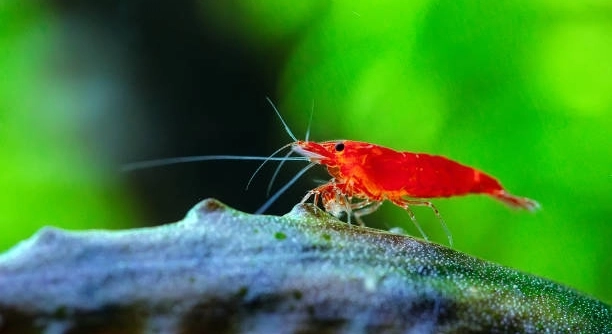
Cherry shrimp are a popular choice for freshwater aquariums, admired for their bright colors and delicate appearance. Observing their breeding habits can be rewarding, especially when caring for eggs and nurturing healthy baby shrimp in your tank.
Fertile cherry shrimp eggs are typically opaque or yellowish, often showing small developing eyes inside. Unfertile eggs usually appear clear or white and may fall off or disintegrate. Regular monitoring ensures timely identification and proper care for successful hatching.
Recognizing fertile eggs early allows you to support healthy shrimp development and maintain a thriving aquarium environment for future generations.
Identifying Fertile Cherry Shrimp Eggs
Fertile cherry shrimp eggs develop a noticeable color, often ranging from yellow to dark green, depending on their stage. You can see tiny eyes forming inside as embryos grow. These eggs are firmly attached to the female’s swimmerets, which helps keep them safe during her movement. Unfertile eggs, by contrast, remain pale or translucent and sometimes detach, signaling they will not hatch. Observing your shrimp closely during this period is important. Lighting and water clarity can impact visibility, so a gentle approach ensures you do not disturb the female. Maintaining stable water conditions, including temperature and pH, supports egg development. Providing a calm environment with minimal stress helps the female keep the eggs attached. Proper feeding of the adult shrimp enhances the chances of successful fertilization and development. Overfeeding or underfeeding can affect egg quality, so balance is key. Regular inspections can prevent unnoticed losses and give you confidence in the reproductive health of your colony.
Fertile eggs are generally rounded, full, and remain attached, unlike pale, shrinking, or loose eggs that indicate they are unfertilized.
Caring for these eggs requires consistency. Avoid sudden water changes or aggressive tank mates that may disturb the female. Keep the aquarium clean but gentle, as excessive agitation can harm eggs. Adding fine-leaved plants or moss provides surfaces for females to secure their eggs. Monitoring temperature is essential; stable conditions encourage proper embryo growth. Observing the eggs over time lets you anticipate hatching and adjust care as needed. By keeping water quality steady, feeding appropriately, and minimizing disturbances, you can increase the survival rate of the eggs. This attention ensures that healthy shrimp fry emerge, strengthening your colony over time. With patience and careful observation, managing fertile cherry shrimp eggs becomes straightforward and rewarding.
Common Signs of Infertile Eggs
Infertile eggs usually appear pale, white, or translucent and may fall off the female within days. They do not show any embryo development.
These eggs often shrink and sometimes turn fuzzy with fungus, indicating they will not survive. Unlike fertile eggs that remain robust and attached, infertile ones are weak and can negatively impact the female if left in the tank. Removing these eggs promptly prevents contamination of healthy eggs and maintains water quality. Paying attention to these early signs saves effort later and helps maintain a stable environment for the remaining eggs. Regularly checking females and their eggs ensures you can act quickly to protect the healthy brood. In addition, maintaining consistent water parameters and gentle handling reduces stress, which can otherwise contribute to egg infertility. Fertile eggs are resilient and show gradual development, while infertile eggs deteriorate rapidly. Understanding these differences allows for proper care and supports the overall health of your shrimp population, ensuring better hatching success and a thriving tank.
Caring for Fertile Eggs
Fertile cherry shrimp eggs need stable water conditions and minimal stress. Keep the female undisturbed and provide hiding spots with plants or moss. Avoid sudden changes in temperature or water chemistry to support proper embryo development.
Maintaining clean, stable water is essential for egg survival. Frequent small water changes help keep water parameters steady without disturbing the female. Feeding her high-quality food ensures she has the energy to carry and care for the eggs. Dense moss or fine-leaved plants allow the female to secure her eggs safely. Avoid aggressive tank mates that might harass her. Consistent observation helps detect any problems early, such as fungal growth or detached eggs. Stable conditions increase the likelihood of hatching success.
Monitoring egg development daily allows for timely intervention if issues arise. Fertile eggs gradually change color and show small eyes, indicating embryo growth. Removing any dead or detached eggs prevents water contamination and supports the health of the remaining brood. Temperature consistency and gentle water flow are important, as excessive fluctuation can cause stress. Providing optimal food and hiding areas ensures the female can maintain her energy while keeping the eggs safe. Small adjustments to tank conditions can greatly impact egg survival, making careful observation key. By combining these practices, you support healthy development and maximize hatching rates for your shrimp colony.
Hatching and Early Fry Care
Once eggs are ready to hatch, the female often fans them gently to encourage oxygen flow. Eggs usually hatch after two to three weeks, depending on water conditions.
After hatching, the tiny shrimp fry need safe, calm spaces with abundant biofilm and fine moss for feeding. Avoid adding aggressive fish that may prey on the fry. Maintaining high water quality is critical, as young shrimp are sensitive to ammonia and nitrates. Providing a consistent diet of powdered or finely crushed food supports healthy growth. Observing their activity ensures they are eating and developing properly. Adjusting feeding frequency to match the fry’s needs encourages steady growth. Gentle filtration helps maintain clean water without harming the fry. Regular monitoring allows early detection of health issues, preventing unnecessary losses. Over the first few weeks, the fry gradually become more independent, exploring the tank while remaining near safe areas. By keeping conditions stable and providing adequate food, you support the transition from eggs to strong juvenile shrimp, ensuring a thriving colony.
Removing Unfertile Eggs
Unfertile eggs should be removed promptly to prevent fungal growth and water contamination. Use a soft tool or tweezers carefully, ensuring you do not disturb the female or the healthy eggs she is carrying.
Leaving unfertile eggs in the tank can harm fertile eggs. They may develop fungus or decay, which can spread quickly. Removing them maintains clean water and reduces stress for the female, improving overall egg survival.
Feeding the Female During Egg Development
Providing high-quality food rich in protein supports the female’s energy needs while carrying eggs. Small, frequent feedings prevent overfeeding and maintain water quality. Healthy nutrition enhances egg development, helping embryos grow properly.
Maintaining Stable Water Conditions
Temperature and pH must remain steady. Sudden fluctuations can stress the female and affect egg viability. Regular monitoring ensures optimal conditions.
Observing Egg Color Changes
Color changes indicate embryo development. Healthy eggs darken over time, showing visible eyes and growth. Monitoring color helps track progress.
How long does it take for cherry shrimp eggs to hatch?
Cherry shrimp eggs typically hatch within 2 to 3 weeks, depending on water temperature and quality. Warmer, stable water speeds up development, while cooler temperatures may slow the process. Monitoring the eggs daily helps track changes and ensures proper care during this critical period.
Can I tell if the eggs are fertile immediately?
Fertility is not always obvious at first. Fertile eggs often develop color within a few days and may show small eyes as embryos form. Unfertile eggs remain pale or clear and may detach from the female. Close observation over several days gives a clear indication.
Do I need to separate the female from the tank?
It is generally unnecessary to isolate the female if the tank is calm and has no aggressive fish. Dense plants or moss provide protection for both the female and her eggs. Only consider separation if other tank inhabitants disturb her or the eggs.
What should I feed the female while she carries eggs?
High-quality, protein-rich food is best. Small, frequent feedings support energy needs without fouling the water. Balanced nutrition ensures the female can care for her eggs properly and improves embryo development. Avoid overfeeding, as leftover food can reduce water quality.
How can I prevent fungus on the eggs?
Fungal growth usually affects infertile or detached eggs. Removing any unhealthy eggs promptly helps. Maintaining clean water and stable parameters reduces the risk. Gentle aeration and good filtration improve oxygen levels, discouraging fungus development on healthy eggs.
When should I remove unfertile eggs?
Check eggs daily and remove those that are white, translucent, or shriveled. Prompt removal prevents contamination of fertile eggs and protects water quality. Use a soft tool to avoid disturbing the female or healthy eggs. Consistent monitoring is key.
Can water changes affect egg development?
Yes, sudden or large water changes can stress the female and disrupt embryo growth. Small, consistent water changes maintain water quality without harming the eggs. Ensure temperature and pH of new water match the tank to avoid shocks.
How do I know if the fry are healthy after hatching?
Healthy fry are active, explore moss or plants, and feed on biofilm or powdered food. Weak, inactive, or malformed fry indicate water issues or insufficient nutrition. Observing behavior and growth over the first weeks helps ensure proper development.
Is it necessary to provide special plants for the eggs?
While not strictly required, fine-leaved plants or moss give females surfaces to attach eggs safely. These plants also shelter fry after hatching and support natural feeding behaviors. Including some moss improves survival rates and reduces stress.
How often should I check the eggs?
Daily checks are sufficient. Look for color changes, embryo development, and any signs of fungus or detachment. Frequent observation allows timely intervention and helps maintain a healthy environment for both the female and her eggs.
Can temperature fluctuations prevent eggs from hatching?
Yes, unstable temperatures can delay or prevent hatching. Keep the tank within the species’ preferred range and avoid sudden changes. A small heater or thermometer can help maintain a consistent environment, ensuring optimal embryo development.
What happens if eggs fall off the female?
Detached eggs often fail to develop and can grow fungus. Removing them promptly prevents contamination of healthy eggs. Some may survive if carefully placed in a safe, oxygen-rich area, but generally, attached eggs have the highest chance of hatching.
Do all eggs hatch at the same time?
Hatching may occur over several days. Slight differences in development or placement on the female can stagger hatching. This is normal, and you should continue regular monitoring and maintain optimal conditions until all eggs have hatched.
How can I increase survival rates of the fry?
Stable water parameters, safe hiding places, high-quality powdered food, and gentle filtration all improve fry survival. Avoid overcrowding and aggressive tank mates. Consistent care over the first weeks ensures healthy growth and strengthens your shrimp colony.
What should I do if the female drops all her eggs?
If the female drops eggs, check water quality and tank stressors. Remove dead or detached eggs immediately. Assess temperature, pH, and tank mates to prevent future losses. Supporting the female with proper nutrition and a calm environment helps restore breeding potential.
Can I use a breeding box for eggs?
Breeding boxes are optional but can protect eggs and fry from tankmates. Ensure water flow, oxygen, and temperature remain consistent. Some shrimp may experience stress in small enclosures, so monitor carefully. Attached eggs generally do well in a well-planted, peaceful tank.
Are there visible signs of embryo development?
Yes, fertile eggs darken over time and develop small eyes. Changes in color and shape indicate healthy growth. Lack of these signs usually means the eggs are infertile or have stopped developing. Observing embryos helps plan care and maintain optimal conditions.
How long do I need to keep observing after hatching?
Fry require monitoring for at least the first few weeks. Ensure they are feeding, active, and safe from predators. Gradually, they become more independent, exploring the tank while still benefiting from plants and moss for shelter. Regular checks prevent early losses.
What is the best way to feed newly hatched fry?
Offer finely crushed food or powdered options that adhere to surfaces in the tank. Fry feed on biofilm and small particles. Frequent, small feedings encourage growth and minimize waste, keeping water quality high and supporting healthy development of the young shrimp.
Can poor water quality affect egg fertility?
Yes, high ammonia, nitrite, or nitrate levels can reduce fertility and damage embryos. Maintaining clean, stable water with proper filtration is crucial. Balanced feeding and regular monitoring prevent water quality issues and increase successful hatching rates.
How do I handle eggs safely during inspection?
Use gentle movements and soft tools if necessary. Avoid touching attached eggs directly, as this can stress the female or damage embryos. Minimal disturbance during inspection ensures proper development while allowing you to track progress effectively.
What should I do if I notice fungal eggs spreading?
Remove affected eggs immediately to prevent contamination. Check water parameters and reduce stress factors for the female. Clean equipment carefully and maintain stable conditions to protect the remaining healthy eggs. Prompt action limits the impact on overall egg survival.
Is it normal for eggs to vary in color?
Yes, slight differences in color can occur due to development stages or female genetics. Fertile eggs generally darken over time, while infertile ones remain pale or clear. Tracking changes helps distinguish healthy eggs from those needing removal.
Can I hatch eggs in a separate tank?
Yes, transferring eggs to a separate, safe environment can protect them from predators. Ensure water parameters match the main tank and include hiding spots. Monitor conditions closely to maintain oxygen levels and prevent stress for the female and eggs.
How do I know when the female is done carrying eggs?
The female releases fry gradually over several days. Once all eggs have hatched, her swimmerets no longer carry eggs, and she resumes normal activity. Observing the end of hatching allows adjustments to feeding and tank care for both the female and fry.
What are the common mistakes that reduce egg survival?
Common mistakes include sudden water changes, aggressive tankmates, poor water quality, overfeeding, and disturbance during egg carrying. Maintaining stable conditions, gentle handling, and proper nutrition helps prevent these issues and supports successful hatching and fry development.
Can eggs be infertile even if attached?
Yes, some eggs remain attached but do not develop embryos. These may appear pale or fail to darken. Removing infertile eggs early prevents fungus and maintains water quality for the fertile eggs, ensuring better overall survival.
Is it necessary to track egg color daily?
Tracking color daily helps identify development stages, detect infertile eggs, and monitor embryo growth. Consistent observation allows timely intervention if issues arise and ensures the female and eggs remain healthy throughout the incubation period.
How long do I need to wait before removing unfertilized eggs?
Observe eggs for several days. Those that remain pale, clear, or detached indicate infertility. Removing them promptly prevents contamination and stress, maintaining optimal conditions for fertile eggs and increasing hatching success.
Can stress affect egg fertility?
Yes, stress from aggressive tankmates, sudden water changes, or poor conditions can reduce fertility and disrupt embryo development. Providing a calm, well-planted environment with stable water supports the female and increases the likelihood of healthy eggs.
How do I prevent fry from being eaten after hatching?
Provide dense plants, moss, or hiding spots. Avoid keeping aggressive or larger fish in the same tank. Gentle filtration and careful feeding also reduce risks. Creating a safe environment ensures more fry survive and grow into healthy juveniles.
What is the best temperature range for egg development?
Maintaining water between 72–78°F (22–26°C) supports proper embryo growth. Temperatures outside this range can slow development or reduce fertility. Consistent monitoring and small adjustments ensure optimal conditions for both the female and her eggs.
How can I tell if the female is stressed?
Signs include hiding excessively, erratic swimming, or dropping eggs prematurely. Stress can affect egg viability. Reducing disturbances, ensuring proper nutrition, and maintaining stable water parameters help the female carry eggs successfully.
Is it safe to handle eggs during removal of infertile ones?
Yes, if done gently with soft tools. Avoid touching attached, fertile eggs. Minimal disturbance ensures embryo safety while removing unhealthy eggs, reducing fungal risks and maintaining water quality.
How important is oxygenation for egg development?
Adequate oxygen supports embryo growth. Gentle water movement or aeration encourages healthy development without stressing the female. Poor oxygenation can lead to slow growth or mortality, so monitoring levels is critical for successful hatching.
Can eggs hatch without the female fanning them?
Fanning improves oxygen flow but eggs can still hatch without it if water is well-oxygenated and stable. Providing proper environmental conditions compensates for limited female activity, though active fanning increases survival rates.
What should I do if eggs turn black?
Black eggs are typically dead or infertile. Remove them immediately to prevent fungal growth and contamination. Maintaining clean water and monitoring other eggs protects the remaining healthy embryos from harm.
How do I support fry after hatching?
Provide fine moss, biofilm, or powdered food. Maintain stable water and avoid aggressive tankmates. Frequent monitoring and gentle care encourage healthy growth, ensuring the fry transition successfully from eggs to independent juveniles.
Is overfeeding harmful during egg development?
Yes, excess food can degrade water quality and stress the female. Feed small amounts frequently to balance nutrition and maintain clean water, supporting healthy egg development and embryo survival.
How can I tell if eggs are developing too slowly?
Delayed color changes, lack of visible eyes, or shrinkage indicate slow development. Check water quality, temperature, and female health. Adjusting conditions and reducing stress can improve growth and increase the chances of hatching success.
Do eggs ever hatch prematurely?
Premature hatching is rare but can occur due to stress or extreme water conditions. Ensuring stable temperature, proper nutrition, and minimal disturbance prevents early hatching and supports healthy fry development.
What role does water hardness play in egg development?
Moderate hardness supports proper embryo formation. Extremely soft or hard water can impact fertility or egg viability. Testing and maintaining balanced parameters ensures optimal conditions for egg survival and healthy hatching.
Can I use a sponge filter during egg incubation?
Yes, sponge filters provide gentle filtration and adequate oxygenation without harming eggs or fry. They help maintain water quality, reduce debris, and support healthy development throughout incubation and after hatching.
How do I know when fry are ready to eat solid food?
Fry start feeding on biofilm and powdered food immediately. Gradually, they move to finely crushed foods as they grow. Observing active feeding behavior and growth indicates readiness for solid food.
Is it normal for some eggs not to hatch?
Yes, a small percentage may remain infertile or fail to develop. Removing these eggs promptly prevents contamination and supports survival of the fertile eggs, maintaining overall health in the tank.
Can lighting affect egg development?
Indirect lighting is sufficient. Bright or fluctuating light may stress the female but generally does not harm eggs. Providing a calm environment with consistent lighting helps maintain natural behavior and reduces stress.
How long should I wait before adding new shrimp or fish?
Wait until fry are established and swimming independently. Introducing new tankmates too early can stress the female or harm the fry. Maintaining a safe, stable environment is crucial during the first few weeks.
What should I do if eggs turn opaque but do not hatch?
Opaque eggs may be infertile or dead. Monitor for development of eyes or embryo movement. If no progress occurs, remove them to prevent fungus and contamination, maintaining water quality for other eggs.
Are there signs of overfertilization or too many eggs?
Carrying too many eggs may stress the female, causing detachment or poor development. Ensure adequate hiding spots and proper nutrition to support her capacity. Removing excess eggs is sometimes necessary to prevent stress-related losses.
Can fry survive without moss or plants?
They can survive but have lower protection and feeding opportunities. Moss and fine plants provide shelter, surfaces for biofilm growth, and safety from tankmates, improving survival and growth rates significantly.
How do I balance feeding between female and fry?
Feed the female protein-rich food while providing powdered or crushed food for fry. Separate areas or careful timing ensures both get nutrition without overfeeding or water contamination, supporting healthy development for all.
Is it necessary to measure pH and ammonia daily?
Daily checks help catch harmful changes early. Stable pH and low ammonia levels are crucial for egg development and fry survival. Regular monitoring prevents water-related problems and supports a healthy tank environment.
What signs indicate eggs are failing?
Shriveled, pale, or black eggs, or those developing fungus, indicate failure. Remove them promptly and check water quality and female health. Quick action preserves the remaining eggs and reduces stress in the tank.
Can eggs survive in tap water?
Tap water may be safe if properly treated to remove chlorine or chloramine. Testing hardness, pH, and temperature ensures it meets shrimp requirements. Untreated tap water can harm eggs or embryos.
How often should I clean the tank during incubation?
Minimal cleaning is best. Small water changes and careful removal of debris or unfertile eggs maintain water quality without disturbing the female or embryos. Over-cleaning can stress the shrimp and reduce survival rates.
Is it necessary to track egg quantity?
Counting eggs helps monitor fertility rates and detect problems early. Significant decreases may indicate detachment or infertility, prompting intervention to protect the remaining healthy eggs and support successful hatching.
Do eggs ever get eaten by the female?
Yes, stressed or weak females may consume eggs. Ensuring proper nutrition, low stress, and adequate hiding spots reduces this behavior. Removing unfertile eggs promptly also prevents unnecessary losses.
How can I improve hatching rates naturally?
Maintain stable water conditions, provide hiding spots, feed high-quality food, remove infertile eggs, and minimize stress. Consistent observation and care optimize conditions for embryos, ensuring higher survival and stronger fry.
What is the ideal tank size for egg development?
A small to medium tank with stable conditions works best. Dense plants, moss, and gentle filtration provide a safe environment. Overcrowding can stress the female and reduce egg survival, so maintain appropriate population density.
Can I use additives to improve egg survival?
Some additives support water stability or provide trace minerals. Use sparingly and according to recommendations. Focus primarily on stable water conditions, proper nutrition, and a calm environment to naturally enhance survival rates.
How do I track embryo growth effectively?
Observe daily for color changes, eye development, and egg shape. Taking notes or photos helps monitor progress and detect early signs of problems. Regular tracking ensures timely intervention if issues arise.
Are there genetic factors affecting egg fertility?
Yes, some females naturally produce more fertile eggs or higher-quality embryos. Healthy breeding stock, proper care, and optimal conditions maximize fertility and development but cannot completely eliminate genetic variability.
Can overcrowding affect egg development?
Yes, high population density can stress the female, reduce oxygen, and lower water quality, all of which negatively affect egg fertility. Provide adequate space and hiding areas to maintain a healthy breeding environment.
How do I know when to increase feeding for the female?
If she appears thinner or carries a large number of eggs, slightly increase feeding. Focus on high-quality, protein-rich food in small portions to maintain health without overfeeding.
Is filtration critical during egg incubation?
Yes, gentle filtration maintains water quality and oxygenation. Avoid strong currents that may dislodge eggs. Sponge filters are ideal for balancing cleanliness and safety for developing embryos.
What should I do if a tankmate disturbs the eggs?
Remove or separate aggressive tankmates temporarily. Protect the female and eggs with hiding spots or dense plants. Reducing stress ensures proper embryo development and prevents detachment or damage.
Can eggs survive without the female?
Some may survive if placed in safe, oxygen-rich water, but attached eggs have the highest chance of hatching. Separation requires careful monitoring of water conditions and minimal disturbance.
How do I manage multiple females carrying eggs simultaneously?
Ensure enough hiding spots and space to reduce stress. Monitor each female and her eggs for fertility, fungus, or detachment. Consistent care supports the survival of all embryos.
Are there seasonal effects on egg fertility?
Temperature and light cycles can influence breeding. Stable indoor conditions minimize seasonal impact, allowing consistent egg development year-round. Maintaining proper environment ensures healthy embryos regardless of external seasons.
How often should I observe fry after hatching?
Check daily for activity, feeding, and growth. Observing early behavior ensures they are healthy, prevents losses, and allows adjustments to feeding or tank conditions as needed.
Can eggs survive in tanks with algae?
Light algae growth is generally safe and can provide additional biofilm for fry. Excessive algae may indicate water quality issues, so maintain balance for egg and fry health.
Is it normal for some eggs to develop slower than others?
Yes, slight differences in embryo growth are common. Eggs may hatch over several days, and minor variation does not indicate a problem if most develop normally.
What should I do if I notice abnormal egg shapes?
Irregularly shaped eggs may indicate infertility or poor development. Remove them promptly to prevent fungus and protect remaining healthy eggs. Monitor water quality to prevent recurring issues.
Can stress from handling the female affect eggs?
Yes, excessive or rough handling can cause detachment, slowed development, or egg loss. Minimize contact and disturbances to maintain healthy embryos and successful hatching.
How do I maintain water quality with feeding and waste buildup?
Feed small amounts frequently and remove uneaten food. Regular, gentle water changes and careful monitoring of ammonia, nitrites, and nitrates keep conditions safe for both female and eggs.
**Are there signs of egg
Caring for cherry shrimp eggs requires patience and attention to detail. Observing the female and her eggs regularly is key to understanding their development and ensuring proper care. Fertile eggs will gradually change color and show small eyes as embryos form, while infertile eggs remain pale or clear. Prompt removal of unfertile or detached eggs prevents water contamination and fungal growth, maintaining a healthy environment for the remaining eggs. Providing a calm, stable environment with appropriate hiding spots, such as fine-leaved plants or moss, helps the female carry the eggs successfully. Gentle handling of the female and minimal disturbances during inspections reduce stress, which is important for both the adult shrimp and her developing embryos. Stable water parameters, including temperature, pH, and water hardness, are essential for proper egg development and hatching. Small, frequent water changes help maintain these conditions without causing shock. Nutrition also plays a significant role. Feeding the female high-quality, protein-rich food in moderation supports energy needs and improves egg fertility. Overfeeding can lead to water quality issues, while underfeeding can reduce egg viability. By balancing nutrition, water conditions, and environmental stability, the chances of successful hatching increase significantly.
After the eggs hatch, the focus shifts to the care of the fry. Newly hatched shrimp are very small and require safe, calm areas to explore and feed. Moss, fine plants, and other surfaces provide hiding spots and support the growth of biofilm, which serves as a primary food source for the fry. Supplementing with finely crushed or powdered food ensures they get the nutrition needed for healthy development. Gentle filtration helps maintain water quality while avoiding strong currents that could displace the fry. Observing the fry for active feeding, movement, and proper growth is essential during the first few weeks. Any signs of weakness, inactivity, or malformations may indicate problems with water quality or nutrition, which should be corrected promptly. Consistency in care, feeding, and monitoring during this early stage sets the foundation for a strong, healthy shrimp population. Over time, the fry become more independent, exploring the tank while still benefiting from protective hiding spots. Supporting them carefully during this period helps ensure a thriving colony in the long term.
Overall, successful care of cherry shrimp eggs depends on observation, stability, and attention to detail. Fertile eggs require minimal stress, proper nutrition, and a safe environment to develop into healthy fry. Monitoring water quality, maintaining stable parameters, and removing infertile eggs contribute to a higher survival rate. After hatching, providing hiding spots and suitable food allows the fry to grow safely while reducing the risk of mortality. Regular observation of both the female and her young ensures that any issues are identified early and corrected quickly. By focusing on stable water conditions, proper feeding, and minimizing stress, you support the health of both adult shrimp and their offspring. Paying close attention to these details not only improves hatching success but also promotes a thriving and balanced aquarium ecosystem. Through consistent care and observation, maintaining fertile eggs and nurturing healthy fry becomes a manageable and rewarding part of shrimp keeping. With patience and careful handling, the shrimp colony can grow steadily, allowing both the adult and young shrimp to flourish in a well-maintained, safe, and supportive environment.

Hello,
If you enjoy the content that we create, please consider saying a "Thank You!" by leaving a tip.
Every little bit helps us continue crafting quality advice that supports the health, happiness, and well-being of pets around the world, for pets of all shapes, sizes, and species.
We really appreciate the kindness and support that you show us!