
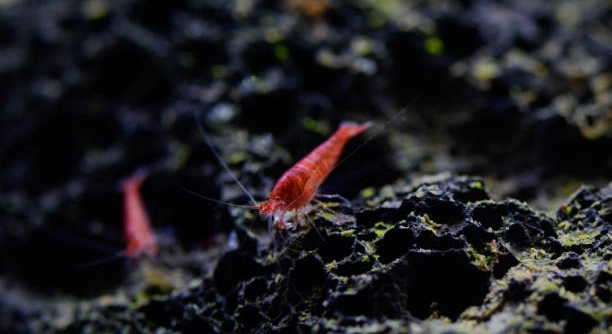
Have you ever noticed your shrimp acting differently in the tank and wondered if something was wrong with their environment? Shrimp are sensitive creatures, and subtle changes in behavior can signal underlying issues. Observing them closely helps prevent bigger problems.
Shrimp behavior can serve as an early warning for tank problems, including water quality issues, disease, stress, and inadequate nutrition. Monitoring their movements, feeding habits, and interactions provides measurable indicators of environmental stability and overall shrimp health.
These small clues can make a big difference in keeping your tank balanced and your shrimp thriving. Understanding their signals is key to maintaining a healthy aquatic environment.
Erratic Swimming Patterns
Shrimp swimming in unusual patterns often signals stress or poor water conditions. I noticed my own shrimp darting across the tank without reason, sometimes bumping into decorations. This behavior usually appears when water parameters are off, such as incorrect pH, ammonia, or nitrite levels. Temperature changes can also trigger erratic movement. Even small disturbances, like strong currents or overly bright lights, may cause them to swim frantically. Observing when and how this behavior occurs helps pinpoint the issue. Consistent patterns of stress should not be ignored, as prolonged exposure can weaken their immune systems. Adjusting tank conditions gradually often calms their movement. Feeding schedules also play a role; shrimp may swim anxiously if food is scarce or suddenly introduced in large amounts. Maintaining a stable, calm environment encourages normal swimming behavior and helps them stay healthy over time.
Erratic swimming is a strong sign that immediate attention to tank conditions is needed to prevent further stress or illness.
Keeping water parameters stable, regulating temperature, and controlling lighting can restore normal swimming patterns. Small adjustments often make a noticeable difference.
Hiding Excessively
Shrimp that hide most of the day may indicate stress, disease, or poor water quality. My shrimp began retreating into caves when the ammonia spiked slightly, and they stayed hidden for hours. Hiding is a natural defense, but extended periods can be harmful.
Excessive hiding can result from sudden changes in tank chemistry, strong currents, or aggressive tank mates. It can also point to insufficient food or discomfort from molting.
When shrimp hide constantly, it affects feeding and social behavior, potentially weakening their health. Observing the environment closely, testing water quality, and ensuring there are enough safe hiding spots helps. Adjusting tank decorations, providing gentle filtration, and monitoring for diseases reduces stress. Gradual changes in water parameters prevent shocking them and encourage normal activity. Noticing hiding behavior early allows intervention before serious health problems develop. Regular feeding routines, clean water, and peaceful surroundings create a secure environment where shrimp feel comfortable to explore. Over time, they will resume normal activity, interacting naturally and feeding consistently.
Loss of Appetite
Shrimp refusing food often points to stress, illness, or poor water conditions. I noticed mine skipping meals when ammonia spiked slightly or after a sudden temperature drop.
Loss of appetite is a clear indicator that something is off in the tank. It may result from elevated toxins like ammonia or nitrites, disease, or sudden environmental changes. Even minor stressors, such as overly bright lights or aggressive tank mates, can cause shrimp to stop eating. Monitoring water parameters and adjusting slowly can help restore feeding behavior. Nutritional deficiencies can also play a role, so providing a balanced diet is important. Observing when shrimp resume eating gives insight into their recovery and overall health.
Prolonged refusal to eat weakens shrimp and reduces their ability to molt safely. Consistently monitoring water quality, adjusting food type, and ensuring a calm environment helps them regain appetite naturally.
Molting Irregularities
Shrimp with irregular molts often experience stress, poor water quality, or nutritional deficiencies. My shrimp delayed molting after a sudden pH shift, and their shells became soft and fragile.
Molting is critical for growth and survival, and problems can indicate environmental imbalance. Inconsistent molting may result from insufficient calcium or minerals, rapid temperature changes, or chemical imbalances in the tank. Stress from predators or overcrowding also interferes. Providing stable water conditions, supplementing minerals, and offering safe hiding spaces during molting improves success. Observing shells and timing helps detect issues early.
Ensuring proper molting cycles requires patience and attention to water chemistry, diet, and tank stability. Monitoring patterns and making small adjustments prevents deformities, soft shells, or death. Consistent care allows shrimp to grow normally and remain active, healthy, and stress-free.
Unusual Clinging
Shrimp clinging to tank surfaces or decorations more than usual often signals stress or poor water flow. I noticed mine sticking to the glass constantly after a sudden filter adjustment.
This behavior can result from strong currents, chemical imbalances, or irritation from parasites. Adjusting flow and checking water parameters helps them return to normal activity.
Color Changes
Shrimp losing their vibrant color or developing dark patches usually indicates stress, illness, or poor nutrition. Sudden water chemistry changes in my tank caused several to fade noticeably.
Maintaining stable water parameters and providing a mineral-rich diet supports natural coloration. Observing color changes early allows corrective action before health deteriorates.
Excessive Scratching
Shrimp rubbing against surfaces repeatedly often signals irritation from parasites, poor water quality, or leftover chemicals. I observed mine scraping rocks excessively after a medication treatment.
Regular water testing, gentle filtration, and monitoring for parasites help prevent prolonged irritation and keep shrimp healthy.
What causes shrimp to swim erratically?
Shrimp often swim erratically when water conditions are off or they feel stressed. I noticed mine darting unpredictably when ammonia levels were slightly elevated. Temperature swings, sudden changes in pH, or strong currents can also trigger frantic swimming. Even bright lights or tank disturbances may cause similar behavior.
Addressing the underlying environmental factors usually calms them down. Gradual water changes, stabilizing temperature, and adjusting filtration strength help restore normal movement. Observing patterns and timing helps determine if the problem is temporary or a sign of a persistent issue.
Why do shrimp hide constantly?
Shrimp hide excessively when stressed, sick, or uncomfortable. I saw mine retreat to caves for hours after a minor water chemistry shift. Aggressive tank mates, sudden environmental changes, or poor water quality often cause hiding behavior.
Ensuring proper water parameters, providing safe hiding spots, and maintaining a calm environment encourages shrimp to explore. Consistent feeding schedules and gentle filtration help them feel secure. Persistent hiding may signal disease, so testing water and observing health is critical to prevent long-term problems.
What leads to loss of appetite in shrimp?
Shrimp stop eating when stressed, ill, or exposed to poor water conditions. In my tank, several shrimp skipped meals after a sudden pH fluctuation. Elevated ammonia, nitrites, or changes in temperature can affect feeding behavior. Aggressive tank mates or insufficient food variety also contribute.
Providing a balanced diet and monitoring water quality helps restore appetite. Gradual adjustments in water conditions reduce stress, while consistent feeding routines encourage shrimp to eat normally. Observing when they resume feeding indicates recovery.
Why do shrimp have molting problems?
Irregular molting occurs when water quality, stress, or nutrition is insufficient. I noticed delayed molts in shrimp after a rapid temperature shift, leaving shells soft and fragile. Calcium and mineral deficiencies also contribute, as do overcrowded conditions or predators.
Maintaining stable water parameters, offering a mineral-rich diet, and creating safe hiding spaces supports healthy molting. Careful observation of molting patterns helps identify potential issues early. Proper care prevents shell deformities, weak shells, or death, ensuring shrimp grow normally.
What causes shrimp color changes?
Shrimp may fade or develop dark patches when stressed, sick, or malnourished. My shrimp lost vibrant color after water chemistry shifted suddenly. Poor diet or insufficient minerals can also affect natural coloration.
Maintaining stable water conditions and a nutrient-rich diet helps preserve their color. Observing these changes early allows intervention before overall health declines. Regular water testing and careful feeding routines keep shrimp active and colorful.
Why do shrimp scratch or cling excessively?
Excessive scratching or clinging often signals irritation from parasites, chemical exposure, or poor water quality. I noticed mine scraping rocks constantly after using a new medication. Strong currents or high ammonia levels can also trigger this behavior.
Monitoring water parameters, reducing stressors, and checking for parasites prevents prolonged irritation. Gentle filtration and providing soft surfaces for resting help shrimp recover. Early observation and action are key to maintaining their health and comfort.
How can I prevent tank trouble through behavior observation?
Regularly watching shrimp behavior is an effective early warning system. I track swimming, feeding, hiding, molting, color, and scratching patterns. Consistent observation reveals subtle changes before water tests or other signs show problems.
Adjusting water quality, diet, lighting, and tank layout based on behavior helps maintain a healthy environment. Preventing stressors like aggressive tank mates or strong currents ensures shrimp remain active and feed properly. Behavioral monitoring combined with routine testing reduces the risk of disease, molting failures, and other health issues. Understanding normal shrimp behavior allows timely interventions and supports long-term tank stability, creating a thriving, balanced environment for all aquatic life.
Observing shrimp behavior is one of the most reliable ways to maintain a healthy tank. Shrimp are small and delicate creatures, and even minor changes in their environment can affect their behavior. By paying attention to how they swim, feed, hide, molt, or interact with each other, it becomes easier to notice when something is wrong. I have found that tracking small patterns over time can reveal subtle changes in water quality, diet, or stress levels before they become serious problems. For example, noticing a shrimp that starts hiding more than usual or refusing food can indicate a shift in tank conditions that needs attention. Monitoring their behavior regularly allows you to make small adjustments before they escalate into larger issues. This proactive approach helps maintain a balanced and stable environment for shrimp to thrive in.
Water quality and nutrition are closely connected to shrimp behavior. Parameters like ammonia, nitrites, nitrates, temperature, and pH can all influence how shrimp act in the tank. When one of these factors is off, shrimp may swim erratically, hide excessively, or even stop eating. Nutritional deficiencies can also show up in behavior, such as slow growth, delayed molting, or faded colors. Maintaining a proper diet and consistent water conditions helps reduce stress and supports healthy behavior. I have noticed that even small improvements, like adjusting feeding times, adding mineral supplements, or stabilizing water temperature, can have a noticeable impact. Providing a calm, consistent environment with enough hiding places, gentle filtration, and adequate space allows shrimp to feel secure, encouraging normal activity and healthy growth.
Paying close attention to shrimp behavior is not only helpful for solving immediate problems but also for preventing future issues. Behavioral signs are often the first indicators of stress or environmental imbalance. Responding quickly to unusual behaviors, such as loss of appetite, abnormal swimming, or irregular molting, can prevent disease and other complications. Observing shrimp over time helps identify patterns and understand what is normal for each species and individual. Consistent monitoring, combined with routine water testing and proper nutrition, ensures that the tank remains stable and the shrimp stay healthy. Small, proactive steps based on behavioral cues create a strong foundation for a thriving aquatic environment where shrimp can grow, molt safely, and display natural behaviors without prolonged stress.

Hello,
If you enjoy the content that we create, please consider saying a "Thank You!" by leaving a tip.
Every little bit helps us continue crafting quality advice that supports the health, happiness, and well-being of pets around the world, for pets of all shapes, sizes, and species.
We really appreciate the kindness and support that you show us!