
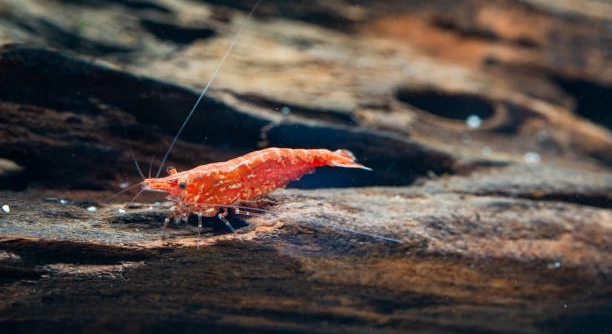
Cherry shrimp are small, colorful freshwater creatures that brighten up any aquarium. Keeping them healthy is important for their longevity and well-being. Observing their behavior and appearance can help determine if they are thriving in their environment.
A healthy cherry shrimp displays vibrant coloration, active swimming patterns, clear eyes, intact limbs, and a well-proportioned body. Consistent observation of these traits ensures their proper growth, reduces stress, and minimizes the risk of disease or premature death.
Learning to recognize these signs early can make caring for cherry shrimp easier and more rewarding. Knowing what to look for helps ensure a thriving and lively aquarium community.
Bright and Consistent Coloration
Cherry shrimp with rich, even coloring are generally healthy. Their red, orange, or pink hues should be vivid and uniform. Pale or patchy shrimp can signal stress, poor diet, or illness. The intensity of their color often reflects their environment and nutrition. A well-fed shrimp in a clean tank will display brighter shades, while those in overcrowded or dirty aquariums may appear faded. Pay attention to subtle changes in their coloration over time, as these can be early signs of trouble. Factors like water quality, diet, and temperature can directly affect how vibrant your shrimp look. Providing them with a varied diet that includes high-quality shrimp pellets, algae wafers, and occasional blanched vegetables supports their coloration and overall health. Regular water changes and proper filtration also prevent discoloration caused by poor water conditions. Watching for these color patterns helps you respond quickly to any issues and maintain shrimp vitality in your tank.
A shrimp with bright, even coloring is easier to care for and indicates a stable, healthy environment.
Observing coloration regularly is a simple way to track your shrimp’s well-being. Subtle dulling or uneven patches should prompt a check of water parameters, diet, and tank conditions. Consistency in color over time shows they are eating well and thriving.
Active Swimming and Movement
Healthy cherry shrimp are lively and explore their surroundings.
Active movement signals good health, proper muscle function, and a stress-free environment. Shrimp that hide constantly, float awkwardly, or remain still for long periods may be struggling with water quality, illness, or molting issues. Healthy shrimp move smoothly, cling to surfaces, and interact with plants and decorations. Observing their movement gives insights into their comfort and adaptation to the tank.
Watching swimming patterns helps detect potential problems early. A shrimp that hesitates while climbing or swims erratically may need water testing or dietary adjustments. Movement is also linked to molting cycles; shrimp often hide briefly before shedding. Tanks with varied surfaces, plants, and gentle water flow encourage natural behaviors, making shrimp more active. Even subtle lethargy should be noticed because early intervention can prevent disease. Overcrowding or poor water quality can limit mobility and increase stress. By regularly monitoring activity levels, you ensure shrimp stay healthy, reduce the risk of disease, and create an engaging tank environment. Active shrimp are generally easier to maintain and enjoy in aquariums.
Clear Eyes and Intact Limbs
Clear, bright eyes are a strong indicator of a healthy cherry shrimp. Cloudy or dull eyes often suggest stress or poor water conditions. All limbs should be present, functional, and free from damage, ensuring proper feeding and movement.
Shrimp rely on their legs and antennae for climbing, feeding, and sensing their environment. Missing or damaged limbs can affect their ability to eat and escape predators, increasing stress. Regular observation helps detect early signs of injury or molting issues. A shrimp with intact appendages will move naturally, forage efficiently, and maintain balance. Providing hiding spots during molting reduces the risk of injury. Good water quality, proper nutrition, and minimal tank disturbances support limb regeneration and overall health.
Eyes also reflect overall well-being. Clear eyes combined with active movement show shrimp are comfortable and properly nourished. Any sudden changes in limb condition or eye clarity should prompt immediate water testing and careful inspection of diet and tank conditions to prevent illness or long-term damage.
Well-Proportioned Body Shape
A balanced body shape is essential for shrimp health. Shrimp that appear bloated, thin, or misshapen may be struggling with diet, water quality, or disease.
Shrimp bodies should have smooth curves without sharp bends or bulges. A consistently proportioned body indicates proper growth, molting, and nutrition. Irregular shapes often signal internal issues like parasites, digestive problems, or insufficient nutrients. Maintaining stable water parameters and providing a protein-rich, balanced diet supports normal development. Observing your shrimp during molting is crucial, as abnormalities often become more noticeable. Healthy shrimp have a slight translucent quality over their shells, allowing a clear view of internal organs. Overcrowding and high-stress environments can also distort body shape, making regular tank maintenance vital.
Proper body proportions not only reflect physical health but also indicate resilience and adaptability to the tank environment. Ensuring shrimp receive consistent care, high-quality food, and a clean habitat helps them maintain their natural shape. Changes in body form often occur gradually, so ongoing observation is necessary. Addressing any irregularities early improves survival and promotes a thriving shrimp population, making it easier to enjoy their full coloration and active behaviors.
Smooth and Intact Shell
A healthy cherry shrimp has a smooth, hard shell without cracks or discoloration. Damaged or soft shells may indicate poor water quality, inadequate diet, or molting problems.
Regular water changes and proper mineral supplementation help maintain shell strength. Avoid sudden temperature or pH changes, which can stress shrimp and weaken their exoskeleton.
Active Foraging Behavior
Shrimp that actively search for food throughout the tank are generally healthy. They use their tiny claws and antennae to pick at algae, detritus, and prepared foods. Active foraging indicates good energy levels and proper nutrition. Observing feeding habits helps detect early signs of illness or stress.
Shrimp that consistently explore surfaces, sift through substrate, and nibble on food show normal behavior and strong immunity. A lack of interest in feeding often signals underlying issues such as poor water quality, infection, or improper diet. Ensuring a variety of foods and consistent feeding times encourages natural foraging and supports overall health, keeping shrimp vibrant, active, and resilient.
Calm Molting Process
Healthy shrimp molt smoothly without excessive struggle or damage to limbs. Regular observation during molting ensures they remain safe and stress-free.
FAQ
How often should I check my cherry shrimp for health issues?
Checking shrimp regularly is important to catch problems early. Observing them daily during feeding or cleaning routines helps you notice changes in color, activity, or body shape. Small shifts often indicate water quality or dietary issues before serious illness develops. Consistency is key.
What foods help maintain bright coloration in cherry shrimp?
A balanced diet supports both health and coloration. High-quality shrimp pellets, algae wafers, blanched vegetables, and occasional protein sources keep their red, orange, or pink hues vivid. Variety also encourages natural foraging behavior, preventing lethargy and supporting immune function. Avoid overfeeding to prevent water quality issues.
Why do some shrimp appear pale or dull?
Pale coloration can result from stress, poor diet, or low water quality. Overcrowding, sudden temperature changes, and lack of minerals also affect their color. Ensuring proper nutrition and stable tank conditions helps shrimp regain their natural vibrancy over time.
How can I tell if a shrimp is stressed?
Signs of stress include hiding excessively, sluggish movement, erratic swimming, or a faded shell. Stress can result from poor water parameters, aggressive tank mates, or insufficient hiding spaces. Addressing the underlying cause usually restores normal behavior quickly.
What are the common signs of illness in cherry shrimp?
Illness often shows as lethargy, loss of appetite, unusual swimming, cloudy eyes, or damaged limbs. Shell discoloration, bloating, or fungus growth can also appear. Early detection through observation and prompt water testing or quarantine prevents further spread and improves recovery chances.
Is it normal for shrimp to lose limbs?
Shrimp can occasionally lose legs or antennae, often during molting or minor accidents. Healthy shrimp usually regenerate these over time, especially if water quality is stable and nutrition is adequate. Frequent limb loss, however, may indicate tank issues that need correcting.
How do I know if my shrimp are molting properly?
Proper molting occurs smoothly and regularly. Healthy shrimp will hide briefly before shedding their exoskeleton and emerge with a hard, intact shell. Difficulty molting, incomplete molts, or damaged limbs suggest stress, poor water parameters, or inadequate minerals. Regular observation during molting prevents serious problems.
What water parameters are best for cherry shrimp?
Stable water is essential for health. Ideal conditions include a temperature of 72–78°F, pH 6.5–7.5, low ammonia, nitrite at 0, and minimal nitrates. Maintaining consistent parameters prevents stress, supports molting, and keeps shrimp active and colorful. Sudden changes should be avoided.
Can cherry shrimp live with other tank mates safely?
Yes, peaceful tank mates like snails or small non-aggressive fish are safe. Avoid large or predatory species that may eat or stress shrimp. Providing hiding places with plants or decorations helps them feel secure and reduces stress.
How do I prevent disease in my shrimp tank?
Regular water changes, proper filtration, and avoiding overfeeding reduce disease risk. Quarantining new shrimp before adding them to the main tank prevents introducing pathogens. A balanced diet and maintaining a stable, clean environment are essential for long-term health.
How can I tell if a shrimp is thriving?
Thriving shrimp display bright colors, active swimming, smooth molting, intact limbs, and consistent foraging behavior. Observing these traits regularly ensures they are healthy. Changes in any of these indicators should be addressed quickly to maintain a vibrant, stress-free tank.
Is it normal for shrimp to hide a lot?
Hiding is normal during molting or when introduced to a new tank. Constant hiding, however, may indicate stress, poor water quality, or illness. Providing plants, moss, and decorations allows them to feel safe while maintaining visibility for observation.
How often should I feed cherry shrimp?
Feeding once daily or every other day is sufficient for most shrimp. Overfeeding can pollute the water and cause health issues. Observing how much they consume in a few hours helps regulate portions and keeps the tank clean.
What should I do if a shrimp becomes lethargic?
Lethargy can indicate stress, poor water quality, or illness. Test water parameters immediately, check for aggressive tank mates, and assess diet. Isolating the shrimp in a quarantine tank may help recovery. Adjusting environmental factors usually restores activity levels within a few days.
How important is tank maintenance for shrimp health?
Tank maintenance is crucial. Regular water changes, substrate cleaning, and filter upkeep prevent harmful ammonia or nitrate buildup. Consistent maintenance supports molting, coloration, and active behavior. Neglecting it can quickly stress shrimp and lead to disease or death.
Can cherry shrimp tolerate changes in temperature?
Shrimp are sensitive to sudden temperature shifts. Gradual adjustments are necessary, as rapid changes can cause stress or shock. Maintaining a stable range of 72–78°F promotes healthy metabolism, proper molting, and consistent activity levels.
How do I encourage breeding in a healthy tank?
Healthy shrimp breed naturally when the environment is stable, water is clean, and food is nutritious. Providing plenty of hiding spaces for juveniles ensures survival. Stress-free conditions and consistent water parameters increase the likelihood of successful reproduction without intervention.
What signs indicate water quality problems?
Cloudy water, algae overgrowth, unusual shrimp behavior, or sudden deaths indicate water issues. Regular testing for ammonia, nitrites, nitrates, and pH is essential. Immediate corrective action, such as water changes and filtration checks, keeps shrimp safe and thriving.
How can I support shrimp after molting?
Providing calcium-rich foods, hiding spots, and stable water conditions helps shrimp harden their new shells quickly. Avoid disturbing them during this time, as they are vulnerable to stress and injury until the shell is fully hardened.
Final Thoughts
Keeping cherry shrimp healthy requires attention to their environment, diet, and behavior. These small creatures may seem delicate, but they can thrive in a well-maintained tank with consistent care. Observing their color, activity, and body condition on a daily basis gives a good sense of their overall health. Small changes, like fading color or reduced movement, often signal early stress or water quality issues. Catching these signs early allows you to make adjustments before problems become serious. Clean water, stable temperature, and proper nutrition form the foundation for a thriving shrimp population. A balanced diet that includes high-quality shrimp food, algae, and occasional vegetables helps maintain vibrant coloration and supports molting and growth. Overfeeding should be avoided because leftover food can quickly pollute the tank and harm the shrimp.
Attention to water parameters is essential for long-term health. Ammonia, nitrite, and nitrate levels should remain low, and pH should stay within a stable range. Sudden fluctuations in temperature or water chemistry can stress shrimp and make them more vulnerable to disease. Regular water changes and monitoring of key parameters help prevent these issues. Providing a safe, structured environment with plants, moss, and decorations not only makes the tank visually appealing but also allows shrimp to explore, hide, and feel secure. Healthy shrimp show active foraging, smooth swimming, and proper molting behavior. When these natural behaviors are present, it is easier to maintain a balanced and stress-free tank.
Finally, patience and observation are key when keeping cherry shrimp. These creatures are sensitive to small changes, so gradual adjustments and careful monitoring are important. Every shrimp behaves a little differently, and learning their individual habits can help detect problems quickly. Healthy shrimp display bright colors, intact limbs, smooth shells, and lively activity. By maintaining proper water quality, offering a varied diet, and ensuring a safe environment, shrimp can thrive and even reproduce successfully. Consistent care allows them to remain active, colorful, and resilient. Taking the time to watch and understand their behaviors will improve both the shrimp’s health and your experience as a caretaker, making the aquarium a more rewarding space to enjoy.

Hello,
If you enjoy the content that we create, please consider saying a "Thank You!" by leaving a tip.
Every little bit helps us continue crafting quality advice that supports the health, happiness, and well-being of pets around the world, for pets of all shapes, sizes, and species.
We really appreciate the kindness and support that you show us!