
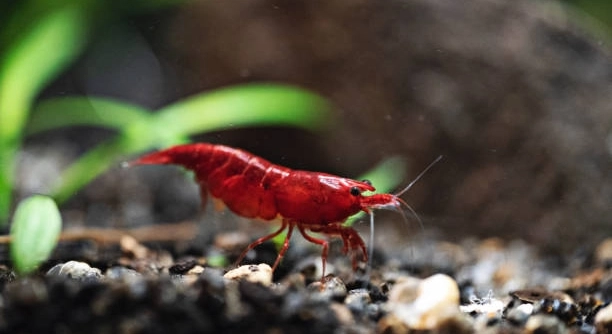
Do you ever find yourself checking on your shrimp, hoping they will live longer and stay healthy in your tank? Many shrimp owners want to ensure their tiny pets thrive and avoid unnecessary stress.
Several factors can reduce shrimp lifespan, including poor water quality, improper diet, overcrowding, incorrect temperature, inadequate hiding spaces, exposure to toxins, and frequent handling. Each of these elements impacts their health and overall longevity significantly.
Understanding what might be affecting your shrimp can help improve their environment and wellbeing. Simple changes in care can lead to a noticeable difference in their lifespan and happiness.
Poor Water Quality
Shrimp are highly sensitive to the conditions in their tank, and poor water quality can quickly shorten their lifespan. High levels of ammonia, nitrites, or nitrates are toxic and can cause stress, disease, and even death. Uneven pH levels and hard water can also harm delicate shrimp, affecting molting and reproduction. Regular water changes and proper filtration are essential to keep the water stable. Even small amounts of leftover food or decaying plants can pollute the water, making it unsafe for your shrimp. Many owners underestimate how quickly waste builds up in a small tank. Testing water parameters weekly and adjusting as needed can prevent sudden die-offs. It’s also important to acclimate shrimp to new water conditions slowly, as rapid changes can cause shock. Using dechlorinated water and avoiding harsh chemicals helps maintain a healthy environment. Observing shrimp behavior often gives clues about water quality issues before they become fatal.
Maintaining clean, balanced water with proper filtration and regular testing is key to preventing health problems and extending shrimp lifespan.
Even with proper water, subtle changes can stress shrimp. They may hide more, eat less, or molt irregularly if conditions aren’t ideal. Regular monitoring and timely adjustments ensure they remain active, healthy, and long-living.
Overfeeding
Overfeeding shrimp is a common mistake that can reduce their lifespan quickly. Uneaten food decomposes, creating toxins like ammonia that pollute the tank. This can cause bacterial blooms, stress, and make shrimp more vulnerable to disease. Feeding small portions that they can finish within a few hours is safer. Shrimp eat slowly, so giving too much food at once often leads to waste. The type of food matters too. High-protein diets should be limited, while algae wafers, blanched vegetables, and shrimp-specific pellets offer balanced nutrition without overwhelming the tank. Overfeeding also encourages fast-growing algae that can disrupt water quality further. It’s better to underfeed slightly than risk overloading the tank. Observation is important; if shrimp leave food uneaten, reduce the portion next time. Consistency in feeding schedule keeps them healthy and reduces stress. Small adjustments in diet can have a big impact on overall shrimp longevity. Proper feeding promotes growth, molting, and activity without compromising water stability or health.
Maintaining the right feeding balance ensures shrimp get nutrients without harming their environment, supporting both health and lifespan.
Overcrowding
Overcrowding in a tank stresses shrimp and can shorten their lifespan. Too many shrimp compete for food, hiding spots, and oxygen, leading to aggressive behavior and weakened health.
When there are too many shrimp in one tank, water quality declines faster. Waste builds up quickly, increasing ammonia and nitrate levels, which can be toxic. Limited hiding spaces force weaker shrimp into stressful situations, making them more vulnerable to disease. Overcrowding also affects molting, as shrimp need safe areas to shed their exoskeleton. Stress from high density can suppress immune function, leaving shrimp less able to fight infections. Adjusting the number of shrimp to match tank size helps maintain a calm, healthy environment. Regular observation ensures all shrimp have access to food and safe spaces, reducing mortality risks and encouraging natural behaviors.
Providing adequate space promotes healthier growth and reduces stress, making shrimp more active and likely to live longer. Proper tank planning and population control are key for a stable aquatic environment.
Incorrect Temperature
Shrimp are sensitive to temperature changes, and incorrect temperatures can cause stress or death. Even small fluctuations may affect their metabolism and behavior.
Maintaining a stable temperature is critical because shrimp rely on consistent warmth for feeding, molting, and reproduction. Water that is too cold slows metabolism, reduces activity, and can make shrimp susceptible to illness. Water that is too warm accelerates metabolism, causing stress, rapid aging, and increased oxygen consumption. Sudden temperature swings can shock shrimp, sometimes fatally. Using a reliable heater or thermometer helps keep conditions stable. Consistency also supports proper molting cycles and overall vitality. Different shrimp species have varying temperature preferences, so knowing your species’ ideal range ensures long-term health.
Monitoring daily and making gradual adjustments prevents shock and supports active, healthy shrimp. Temperature control is simple but has a major impact on their lifespan and comfort in the tank.
Lack of Hiding Spots
Shrimp need places to hide to feel safe, especially when molting or stressed. A bare tank leaves them exposed, increasing stress and mortality.
Providing plants, rocks, or small decorations gives shrimp safe areas to retreat. This reduces stress, encourages natural behavior, and improves overall health.
Exposure to Toxins
Chemicals like copper, cleaning agents, or pesticides in the tank can be deadly to shrimp. Even trace amounts harm their nervous system and organs, leading to premature death.
Contaminated water from tap treatments, fertilizers, or household chemicals can accumulate quickly. Shrimp absorb toxins through their exoskeleton and gills, which compromises immunity and makes them vulnerable to disease. Avoid using metal-based decorations or untreated water that may contain harmful substances. Regularly checking for chemical exposure and using dechlorinated, safe water helps maintain their health. Small precautions, like washing hands before tank maintenance and keeping chemicals away, prevent accidental poisoning and ensure shrimp live longer.
Frequent Handling
Handling shrimp too often stresses them and can damage their delicate exoskeleton. It should be avoided unless necessary.
FAQ
Why are my shrimp dying so quickly?
Shrimp may die early due to poor water quality, overfeeding, overcrowding, or sudden temperature changes. Even minor fluctuations in pH or ammonia levels can stress them. Observing behavior, testing water regularly, and maintaining a clean, stable environment are essential for longer lifespan.
How often should I change my shrimp tank water?
A partial water change of about 10–20% weekly helps maintain water quality. Over time, waste and leftover food increase toxins like ammonia and nitrates. Regular changes prevent these from building up and keep shrimp healthy, active, and less prone to disease.
What is the best diet for freshwater shrimp?
Shrimp thrive on a balanced diet that includes algae, blanched vegetables, and shrimp-specific pellets. Avoid overfeeding high-protein foods. Uneaten food should be removed to prevent water pollution. A consistent feeding schedule supports growth, molting, and long-term health.
Can I keep different shrimp species together?
Mixing species can work if their temperature and water parameter requirements are similar. Aggressive or very large shrimp may stress smaller species. Providing adequate space and hiding spots reduces conflicts and ensures all shrimp remain healthy. Observation is key for compatibility.
Why are my shrimp hiding all the time?
Shrimp hide when stressed, during molting, or if tank conditions are unsuitable. Poor water quality, overcrowding, or lack of hiding spots can increase hiding. Providing plants, rocks, and safe areas, along with stable water parameters, encourages normal activity.
How can I prevent shrimp from molting problems?
Molting requires proper calcium, stable water, and low stress. Overcrowding, poor diet, or sudden temperature swings can lead to incomplete or failed molts. Providing a balanced diet, hiding spots, and clean water supports successful molting cycles.
Is it normal for shrimp to die after molting?
Some shrimp may die after molting if they are weak, stressed, or exposed to poor water conditions. Incomplete or difficult molts often result from insufficient nutrients, improper temperature, or toxic water. Regular care reduces these risks.
Can tap water harm shrimp?
Tap water often contains chlorine or chloramines, which are harmful to shrimp. Heavy metals, like copper, can also be toxic. Using dechlorinated water or a water conditioner ensures safe conditions. Testing water parameters helps maintain a healthy tank.
How do I know if my shrimp are stressed?
Signs of stress include constant hiding, reduced feeding, erratic swimming, or color fading. Stress is caused by poor water quality, overcrowding, sudden changes, or exposure to toxins. Identifying the cause quickly allows for corrective actions to improve health.
Can frequent tank maintenance harm shrimp?
Overhandling during cleaning or rearranging can stress shrimp. Move decorations gently and avoid excessive netting or touching. Maintaining a clean tank is important, but frequent disruptions can reduce lifespan. Balance is key between care and minimizing stress.
Why do some shrimp live longer than others?
Genetics, tank conditions, diet, and stress levels all influence lifespan. Even within the same species, shrimp with better care, stable water, and a low-stress environment tend to live longer. Consistency in routine care is crucial.
What is the ideal temperature range for shrimp?
Temperature needs vary by species, but most freshwater shrimp prefer a stable range between 72–78°F (22–26°C). Sudden fluctuations cause stress, affecting feeding, molting, and immunity. Using a thermometer and heater maintains consistent warmth.
How many shrimp can I keep in one tank?
Population depends on tank size and filtration. Overcrowding causes stress, poor water quality, and competition for food. A general rule is one shrimp per 2–3 gallons of water. Provide hiding spots to reduce conflicts and stress.
Can lighting affect shrimp lifespan?
Lighting impacts algae growth and shrimp activity. Too much light encourages algae blooms that can pollute water. Too little light reduces natural behavior. A balanced day-night cycle supports health and encourages normal feeding and molting.
Are plants necessary for shrimp tanks?
Plants provide hiding spots, improve water quality, and offer supplemental food. They reduce stress and encourage natural behaviors. While not strictly required, a planted tank often results in healthier, longer-living shrimp compared to bare tanks.
How do I prevent diseases in shrimp?
Good water quality, a balanced diet, and avoiding overcrowding are key. Quarantining new shrimp and cleaning equipment prevents pathogens. Monitoring behavior regularly allows early intervention before illness spreads. Consistency in care is the best prevention.
Can stress affect shrimp reproduction?
Stress from poor water quality, overcrowding, or temperature changes can prevent breeding. Providing hiding spots, stable conditions, and proper nutrition encourages mating and healthy offspring. Avoid sudden changes to reduce reproductive issues.
How do I handle shrimp safely?
Minimize direct contact. Use a soft net when moving shrimp and avoid unnecessary handling. Gentle care reduces stress and prevents damage to their delicate exoskeleton, supporting overall health and lifespan.
Why do shrimp stop eating?
Loss of appetite often signals stress, illness, or poor water quality. Overfeeding, sudden temperature changes, or toxins can also cause them to stop eating. Identifying the cause and adjusting care restores normal feeding behavior.
Can tank mates harm shrimp?
Aggressive fish or larger species may attack shrimp. Even peaceful fish can stress shrimp by constant chasing. Choosing compatible tank mates and providing hiding areas ensures shrimp remain safe and healthy.
Final Thoughts
Keeping shrimp healthy and helping them live longer requires consistent attention to their environment and daily care. Many shrimp deaths can be traced back to factors that are easy to control, such as water quality, temperature, and overcrowding. Clean water is the foundation of a healthy tank. Regular water changes and careful monitoring of ammonia, nitrite, nitrate, and pH levels make a big difference. Even small imbalances can stress shrimp, weaken their immune system, and shorten their lifespan. A stable tank not only supports their physical health but also allows them to behave naturally, feed properly, and molt safely. Avoiding sudden changes in water conditions or temperature is essential. Gradual adjustments, when necessary, reduce stress and prevent shock, which is often fatal for shrimp. By keeping these basic aspects under control, shrimp owners can see their tiny pets thrive for much longer.
Diet and feeding routines also play an important role in shrimp longevity. Overfeeding is a common mistake, and it can quickly pollute the water, leading to disease and death. A balanced diet that includes shrimp-specific pellets, algae, and blanched vegetables ensures proper nutrition without overloading the tank with waste. Shrimp feed slowly, so small portions given at regular intervals work best. Monitoring their eating habits helps adjust portions as needed and prevents leftover food from decomposing. Avoiding high-protein or fatty foods in excess also prevents unnecessary stress on their bodies. While shrimp may seem resilient, they are sensitive creatures, and subtle improvements in diet and feeding routines can have a major impact on overall health. Providing safe hiding spots in the tank reduces stress, especially during molting, and ensures each shrimp has space to grow and thrive.
Finally, it is important to remember that shrimp are delicate and require gentle care in almost every aspect of tank management. Overcrowding, handling, exposure to toxins, and improper tank mates can all shorten their lifespan, even if water and food are ideal. Regular observation allows you to detect early signs of stress, illness, or unsafe conditions. Stress can manifest as hiding, reduced feeding, or irregular molting, and addressing the root cause promptly can save shrimp from preventable health problems. Maintaining a calm, stable, and safe environment is the most effective way to support long-term shrimp health. With careful attention to water quality, diet, temperature, and habitat structure, shrimp can live longer, stay active, and display their natural behavior. Small, consistent efforts in care lead to noticeable improvements in lifespan and overall wellbeing, making the experience of keeping shrimp more rewarding and sustainable.

Hello,
If you enjoy the content that we create, please consider saying a "Thank You!" by leaving a tip.
Every little bit helps us continue crafting quality advice that supports the health, happiness, and well-being of pets around the world, for pets of all shapes, sizes, and species.
We really appreciate the kindness and support that you show us!