
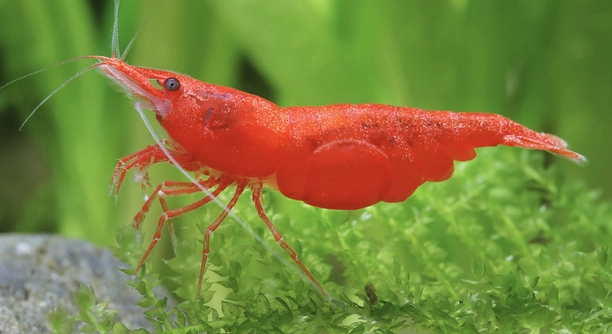
Cherry shrimp are small, colorful, and lively creatures that bring charm to any aquarium. Many hobbyists enjoy watching their behavior and learning what attracts them in their tank environment. Their preferences reveal a lot about their needs.
Cherry shrimp are instantly drawn to areas rich in biofilm, algae, and micro-organisms. They also respond to hiding spots like plants and moss, as well as gentle water currents, safe surfaces, and occasional supplemental foods, which promote activity and feeding.
Knowing these factors helps you create a more engaging and comfortable habitat for your shrimp. Understanding their preferences ensures their well-being and keeps your aquarium vibrant and healthy.
Biofilm and Algae
Cherry shrimp are naturally drawn to surfaces coated in biofilm and algae. These areas provide a constant source of nutrition that they can graze on throughout the day. Biofilm develops on decorations, rocks, and plants, while algae grows slowly in well-lit parts of the tank. Shrimp use their tiny, sensitive appendages to scrape these layers, consuming both microorganisms and detritus trapped within. Providing surfaces for biofilm ensures that shrimp have a continuous food source, which helps reduce stress and encourages natural behavior. A tank with healthy algae growth and established biofilm creates an environment where shrimp feel secure and active. It’s important to monitor algae growth to avoid overgrowth, which can negatively affect water quality. Maintaining a balanced light schedule and regular water changes supports the growth of beneficial biofilm and keeps the tank clean. In addition to nutrition, biofilm and algae surfaces offer safe areas for shrimp to explore and rest.
These surfaces are vital for feeding, as shrimp constantly graze to meet their dietary needs and maintain their energy.
Providing sufficient biofilm and algae encourages more active behavior, keeps shrimp healthy, and creates a more visually engaging aquarium. Regular maintenance and careful observation ensure these surfaces remain abundant and beneficial.
Plants and Moss
Plants and moss offer shelter and grazing opportunities for cherry shrimp. They provide shade, hiding spots, and surfaces where microorganisms thrive.
Dense foliage reduces stress, allowing shrimp to explore confidently and interact with their environment. Plants like Java moss or floating species increase surface area for biofilm growth, creating feeding opportunities. Moss also retains small food particles and provides soft cover for molting shrimp, ensuring safety during vulnerable periods. Shrimp are more likely to remain active in planted tanks because they feel secure, which promotes natural grazing and movement patterns. Live plants improve water quality by absorbing excess nutrients, indirectly supporting the growth of algae and biofilm that shrimp consume. They also contribute oxygenation, creating a healthier ecosystem for all tank inhabitants. Arranging plants to form gentle hideaways or clustered patches encourages shrimp to navigate the tank naturally, balancing exploration with protection. Proper lighting, substrate choice, and occasional trimming ensure plants and moss thrive without overtaking the aquarium, sustaining an optimal environment for shrimp.
Regularly adding new plant growth or moss clumps can enhance feeding surfaces and maintain variety in the tank, supporting both shrimp health and activity levels.
Hiding Spots
Shrimp rely on hiding spots to feel safe. Small caves, rock crevices, and dense plants provide refuge from stress and allow them to rest or molt without danger.
Providing varied hiding spots supports natural behavior and reduces aggressive interactions in the tank. Shrimp explore confidently when they know cover is nearby, and molting occurs safely. Hiding spots also help juveniles survive, as they are more vulnerable to disturbances. Materials like driftwood, aquarium-safe rocks, or ceramic ornaments can create layered shelters. Grouping these in different areas encourages movement and activity throughout the tank. Observing shrimp use these spaces shows their preference for security while still allowing access to feeding zones. Adequate shelter helps maintain a balanced and calm environment, reducing stress-induced health issues. Hiding spots also increase overall engagement, as shrimp navigate between feeding areas and safe zones. A well-planned tank layout with multiple refuges ensures every shrimp has access to safety and reduces territorial disputes.
Gentle Water Currents
Gentle water currents stimulate shrimp activity without causing stress. They promote circulation of food particles and oxygen, supporting shrimp health and tank cleanliness.
Moderate flow areas allow shrimp to feed efficiently on drifting micro-particles and biofilm. Currents prevent stagnation, keeping detritus from accumulating in corners. Shrimp respond well to subtle water movement, as it mimics natural streams, encouraging grazing and exploration. Careful placement of filters or small pumps can create these conditions without overwhelming shrimp. Observing their behavior in flowing areas helps adjust flow strength, ensuring currents remain gentle and evenly distributed. Currents also assist in distributing dissolved nutrients to plants and moss, indirectly supporting feeding surfaces. Consistent flow supports shrimp molting by reducing sediment buildup around them.
Water currents can also enhance oxygenation, which benefits all tank inhabitants. Balancing flow ensures shrimp remain comfortable, active, and able to access both food and shelter efficiently. Properly designed currents integrate natural behavior with environmental stability.
Supplemental Foods
Supplemental foods add variety to the shrimp diet. Pellets, flakes, and occasional blanched vegetables provide nutrients not always available from biofilm and algae.
Introducing small amounts at intervals prevents overfeeding and maintains water quality. Shrimp eagerly consume these foods, supporting growth, color, and energy levels without disrupting the tank balance.
Soft Surfaces
Cherry shrimp prefer soft surfaces for grazing and resting. Smooth leaves, moss, and silicone plants reduce the risk of injury to their delicate bodies.
Soft surfaces also retain micro-particles and biofilm longer, giving shrimp easy access to food. Consistently providing these areas supports feeding efficiency and promotes healthier behavior.
Light Exposure
Moderate light exposure encourages algae growth while preventing stress. Cherry shrimp benefit from areas with gentle light rather than constant bright illumination.
Balancing light ensures healthy plant growth, stimulates natural grazing patterns, and creates a stable day-night rhythm, helping shrimp remain active and comfortable in the aquarium.
FAQ
What do cherry shrimp eat besides algae?
Cherry shrimp eat a variety of foods beyond algae. They graze on biofilm, microorganisms, and detritus. Supplementing their diet with specialized shrimp pellets, blanched vegetables like zucchini or spinach, and occasional protein-rich treats supports healthy growth, vibrant coloration, and natural behavior. These additional foods ensure shrimp receive balanced nutrients.
How often should I feed cherry shrimp?
Feeding frequency depends on tank conditions, but small portions once or twice daily are usually sufficient. Overfeeding can lead to poor water quality, while underfeeding may slow growth. Observing shrimp behavior helps determine whether they need extra food, ensuring active and healthy shrimp.
Can cherry shrimp live without live plants?
While not strictly necessary, live plants improve shrimp health by providing hiding spaces, surfaces for biofilm growth, and gentle filtration. Without plants, it is essential to create alternative refuges, such as moss or decorative caves, and maintain stable water conditions to prevent stress.
Do cherry shrimp need hiding spots for molting?
Yes, hiding spots are critical during molting. Shrimp shed their exoskeleton and are vulnerable to stress or predation, even in a shrimp-only tank. Caves, moss, or dense plant clusters give them security and reduce the risk of injury or aggression.
How important is water quality for cherry shrimp?
Water quality is vital. Parameters like ammonia, nitrite, nitrate, pH, and temperature must be stable. Regular water changes, gentle filtration, and monitoring help prevent stress, disease, and mortality. Shrimp are highly sensitive to fluctuations, so maintaining a clean, stable environment supports health and longevity.
Can cherry shrimp tolerate strong water currents?
Strong currents can stress shrimp, making it difficult for them to feed or move safely. Gentle, moderate flow encourages activity and distributes food particles, but excessive flow may damage delicate bodies and increase stress levels. Positioning filters to reduce direct currents creates a more comfortable environment.
Do cherry shrimp need supplemental foods if algae is abundant?
Even with abundant algae, supplemental foods are beneficial. They provide additional nutrients, promote vibrant coloration, and support growth, especially for juveniles. Small, controlled portions prevent overfeeding and help maintain water quality while ensuring shrimp receive a balanced diet.
Why do cherry shrimp hide more than usual?
Excessive hiding can indicate stress, poor water quality, or the presence of sudden disturbances. Changes in temperature, pH, or ammonia levels, as well as aggressive tankmates, can trigger this behavior. Providing sufficient hiding spots and maintaining stable water conditions reduces stress and encourages normal activity.
How do I encourage shrimp to explore the tank?
Creating a variety of surfaces, plants, and gentle currents encourages exploration. Distributing food in multiple areas and providing interactive elements like moss mats or driftwood increases activity. A safe, well-structured environment motivates shrimp to move, feed, and display natural behavior.
Is it necessary to feed baby shrimp differently than adults?
Yes, baby shrimp require smaller, softer foods like finely powdered shrimp flakes or biofilm-rich surfaces. This ensures they can feed effectively and grow without competition from larger shrimp. Regular observation and adjusting food size help juveniles develop properly.
Can cherry shrimp survive in tanks without fish?
Yes, they often thrive in shrimp-only tanks where there is less competition and no predation. A well-planted environment with stable water parameters ensures they remain healthy and active. Shrimp-only setups also make breeding and molting safer for all life stages.
Do cherry shrimp need special lighting?
Lighting is not strictly required for shrimp survival, but moderate light encourages algae growth, benefiting feeding. It also supports plant health, which provides shelter and surfaces for biofilm. Balancing light prevents stress and helps maintain a stable day-night cycle.
How do I prevent cherry shrimp from dying suddenly?
Sudden deaths are often caused by poor water quality, sudden parameter changes, or stress from predators. Maintaining consistent temperature, pH, and chemical levels, along with providing hiding spots and proper nutrition, reduces the risk of unexpected mortality and keeps shrimp active.
Can cherry shrimp live with other shrimp species?
Yes, but tank compatibility should be considered. Some species may compete for food or become aggressive. Maintaining sufficient space, hiding spots, and food sources reduces conflicts, allowing multiple species to coexist safely. Observing interactions helps prevent stress or injury.
How do I know if my cherry shrimp are healthy?
Healthy shrimp are active, brightly colored, and regularly grazing. Molting occurs without issues, and they explore the tank without prolonged hiding. Dull coloration, lethargy, or unusual behavior can indicate stress, poor nutrition, or water problems that need immediate attention.
Cherry shrimp are small but fascinating creatures that bring life and movement to any aquarium. Understanding what attracts them helps create an environment where they feel safe, active, and healthy. They respond strongly to specific elements in their habitat, including biofilm, algae, plants, moss, hiding spots, gentle currents, and supplemental foods. These elements are not only sources of nutrition but also provide comfort and security. When these needs are met, shrimp display natural behaviors like grazing, exploring, and interacting with their surroundings, which adds interest to the aquarium. Observing these behaviors can be rewarding, as shrimp reveal preferences that guide tank setup and maintenance. Creating a balanced environment that incorporates these factors ensures shrimp remain healthy and active, reducing stress and improving overall well-being.
Maintaining a proper habitat requires attention to water quality, lighting, and flow. Cherry shrimp are highly sensitive to changes in temperature, pH, ammonia, nitrite, and nitrate levels. Regular water monitoring and maintenance prevent stress, illness, or sudden mortality. Light is another important factor, as moderate exposure encourages algae growth, supporting natural feeding behavior while also helping plants thrive. Gentle currents improve circulation, move food particles around the tank, and enhance oxygenation, but strong flows should be avoided to prevent stress. Supplementing their diet with small amounts of pellets, blanched vegetables, or shrimp-specific foods ensures that all nutritional needs are met, especially for juveniles or in tanks with limited algae growth. By balancing these environmental factors, shrimp can feed, grow, and molt safely.
Providing a variety of surfaces and hiding places is equally important for shrimp well-being. Dense plants, moss, caves, and rock crevices offer protection and allow shrimp to rest, molt, and escape disturbances. Soft surfaces help reduce the risk of injury and support efficient grazing. By observing how shrimp interact with these areas, adjustments can be made to improve their habitat. Encouraging natural behaviors, maintaining stable water conditions, and offering supplemental foods create a healthy ecosystem where shrimp thrive. Small, consistent efforts in tank management make a big difference in their health, activity, and color. A well-planned environment supports long-term care and ensures that cherry shrimp remain a lively, engaging addition to the aquarium.

Hello,
If you enjoy the content that we create, please consider saying a "Thank You!" by leaving a tip.
Every little bit helps us continue crafting quality advice that supports the health, happiness, and well-being of pets around the world, for pets of all shapes, sizes, and species.
We really appreciate the kindness and support that you show us!