
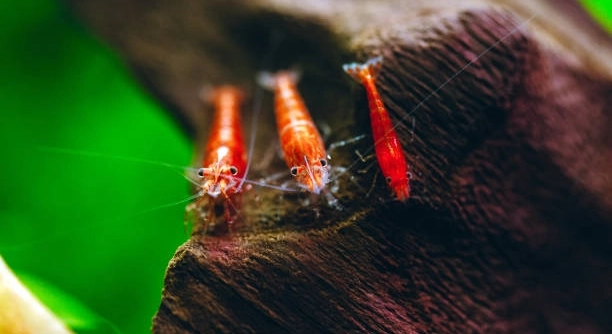
Cherry shrimp and snails often share the same aquarium space, creating an interesting dynamic. These small creatures interact in ways that influence their environment, feeding habits, and overall well-being. Observing their behavior can be both calming and educational.
Cherry shrimp interact with snails through a combination of scavenging, grazing, and occasional territorial behavior. They influence each other’s feeding patterns, contribute to biofilm control, and may indirectly affect snail growth and reproduction in shared aquatic environments.
Understanding these interactions can improve your aquarium’s balance and health. Each small movement and habit reveals more about how these species coexist peacefully.
Grazing Together
Cherry shrimp and snails often share algae and biofilm on surfaces. They move slowly, picking at the same patches without much conflict. Observing them grazing together can feel calming. Shrimp use their tiny pincers to collect bits of food, while snails scrape surfaces with their radulas. Both contribute to keeping the tank clean, reducing algae buildup. Their movements are deliberate and consistent, creating a sense of balance in the aquarium. When a shrimp nudges a snail, it usually does not provoke aggression. Instead, they adjust their positions and continue feeding. Shrimp tend to explore more actively, moving between surfaces, while snails follow predictable grazing patterns. This cooperation shows how different species can share resources efficiently. Their grazing habits overlap, yet they rarely compete aggressively. By sharing food sources, they maintain a healthier tank environment, ensuring that no single area is left untouched. Their simultaneous feeding also encourages consistent biofilm control.
Sharing grazing spaces allows shrimp and snails to coexist without conflict. Both species benefit from consistent food access, keeping the tank balanced and clean.
The grazing interactions highlight a subtle form of teamwork. Shrimp explore actively while snails move methodically. Both clean surfaces, manage algae, and consume leftover food. Observing this interplay shows how diverse behaviors contribute to overall tank health. Over time, the balance between their grazing habits helps maintain stable water quality. This dynamic also affects reproduction and growth, as a well-fed snail or shrimp is healthier. Shrimp movements often stir the water slightly, bringing biofilm closer to snails, enhancing their feeding efficiency. These interactions demonstrate the natural rhythm that emerges when multiple species share a space. Even minor behavioral adjustments, like slowing down or moving aside, reflect adaptive strategies that prevent conflict. Tank owners benefit from noticing these patterns, as they indicate a thriving, cooperative ecosystem. Overall, grazing together is one of the simplest yet most effective ways shrimp and snails interact, showing that coexistence is possible through shared resources.
Cleaning Companions
Shrimp often pick up leftover food scraps from snail feeding. This behavior keeps the substrate cleaner and reduces the risk of decay affecting water quality.
Both species help maintain a healthier tank. Snails scrape surfaces, while shrimp remove debris. Their cleaning efforts complement each other and minimize maintenance for the owner.
Cleaning interactions are more than accidental overlap. Snails leave traces of leftover food, which shrimp readily consume, reducing waste accumulation. This behavior lowers the risk of harmful bacteria growth in the tank. Shrimp use their sensitive antennae to locate particles missed by snails, ensuring a thorough clean. Their constant movement prevents detritus from settling in corners, while snails methodically scrape surfaces, reaching areas shrimp might skip. This combination creates an efficient cleaning system that mimics natural aquatic environments. Over time, tanks with both species require less frequent manual cleaning because of their complementary habits. Observing them can feel rewarding, as each movement contributes to tank health. Even small tanks benefit, as shrimp and snails maintain a balance that reduces algae and detritus buildup. Their cleaning partnership also positively affects water chemistry, keeping pH levels and nutrient concentrations more stable. This interaction demonstrates how different species can provide ecological benefits while cohabiting harmoniously.
Territorial Awareness
Shrimp and snails generally respect each other’s space, avoiding direct confrontations. Each species has its own preferred areas for feeding and resting, which reduces competition and maintains harmony within the tank.
Territorial behavior in shrimp is subtle. They may chase smaller shrimp away from hiding spots, but rarely interfere with snails. Snails move slowly and leave ample space for shrimp activity. This unspoken understanding ensures both species access food and shelter without stress. Shrimp are more mobile, exploring new areas, while snails tend to remain in familiar zones. Their differing movement patterns minimize overlap, allowing coexistence. The tank’s structure, with plants and decorations, naturally supports these boundaries. Observing this interaction reveals that each species adapts its behavior to the presence of the other. These spatial habits reduce conflicts and promote a peaceful environment, which benefits feeding efficiency and overall health. Even in small tanks, shrimp and snails can maintain individual territories without aggressive displays.
Awareness of territorial limits encourages shrimp and snails to interact calmly. Respecting each other’s space allows feeding and cleaning behaviors to proceed smoothly.
Reproductive Influence
Shrimp activity can impact snail reproduction indirectly by disturbing eggs or biofilm-covered surfaces where snails lay eggs. Movement near breeding areas may slightly shift snail eggs, affecting their placement.
Shrimp often graze near surfaces with snail eggs, unintentionally cleaning debris that could harm developing embryos. This subtle interaction can increase egg survival by removing harmful bacteria and detritus. Snails deposit eggs in clusters on plant leaves, rocks, or tank walls. Shrimp movements around these areas are generally non-aggressive, but constant activity may require snails to adjust egg-laying locations for safety. While shrimp do not eat healthy eggs, their presence encourages snails to be more selective in placement, often choosing higher surfaces or hidden areas. This interaction showcases how cohabitation influences reproductive strategies. In addition, shrimp grazing can help maintain cleaner surfaces for future eggs, indirectly supporting snail reproduction. The balance between activity and safety reflects the natural adjustments species make to coexist peacefully in a shared environment.
Gentle Interaction
Shrimp and snails occasionally touch each other while moving. These gentle encounters rarely lead to aggression, as both species adjust their paths to avoid conflict.
These small interactions help maintain awareness of each other’s presence. Movement and contact are subtle but important for peaceful cohabitation.
Shared Hiding Spots
Shrimp often hide under leaves or rocks alongside snails. They use these spots for safety and rest, reducing stress and exposure to light. Shared hiding areas promote a calm environment and allow both species to feel secure. These spaces are essential for maintaining natural behaviors, especially during molting or resting periods.
Water Movement Awareness
Shrimp activity creates slight water currents that snails respond to. This interaction subtly influences snail movement and grazing patterns, showing how shrimp presence shapes tank dynamics.
How do cherry shrimp and snails coexist without fighting?
Cherry shrimp and snails coexist peacefully because they have different movement patterns and feeding habits. Shrimp are active explorers, constantly searching for algae and detritus, while snails move slowly, methodically grazing on surfaces. Their natural differences reduce competition and allow each species to maintain personal space. Shrimp are more cautious near snails, often adjusting their path to avoid direct contact. Snails tolerate nearby shrimp because their movement is predictable and non-threatening. Tank decorations, plants, and hiding spots help both species establish boundaries. Over time, they learn each other’s routines, which keeps stress low and interactions calm. Mutual tolerance is key, and understanding this behavior can help maintain a balanced aquarium.
Do cherry shrimp bother snail eggs?
Cherry shrimp may graze near snail eggs, but they generally do not eat healthy eggs. Their movements can shift eggs slightly or clean surrounding debris, which may improve survival chances by preventing bacterial growth. Snails often adjust egg-laying locations in response, choosing higher or hidden surfaces for extra protection. This indirect influence shows how shrimp affect snail reproductive behavior without harming the eggs. Keeping plants and decorations provides safe zones for eggs, reducing the risk of accidental disturbance. Observation of this subtle interaction highlights the adaptive behavior of both species in a shared tank.
Can snails and shrimp share food?
Yes, snails and shrimp can share the same food, but they consume it differently. Shrimp use their tiny pincers to pick up small particles, while snails scrape surfaces with their radula. Their feeding styles complement each other, helping reduce waste and maintain cleanliness in the tank. Overfeeding is still a concern, as leftover food can lead to water quality issues. Feeding in moderation ensures both species receive adequate nutrition. Watching them feed together can be interesting, as shrimp move quickly between food spots while snails graze slowly, providing a dynamic balance that benefits the aquarium ecosystem.
Do shrimp clean after snails?
Shrimp often remove leftover food and debris after snails graze, acting as natural cleaners. This behavior improves substrate cleanliness and reduces the chance of harmful bacteria growing. Snails scrape surfaces, leaving small particles behind, which shrimp efficiently collect. Together, they maintain better water quality and minimize manual tank maintenance. This cleaning synergy is especially helpful in planted tanks, where leftover detritus can accumulate between leaves and decorations. Shrimp movements stir water slightly, allowing debris to become more accessible for snails and shrimp alike, creating a mutually beneficial cleaning system.
Will shrimp disturb snails’ hiding spots?
Shrimp occasionally explore under leaves or rocks where snails hide, but they rarely cause harm. Both species are cautious, and minor contact does not provoke stress. Shrimp respect snail space naturally, and snails tolerate nearby activity because shrimp movements are predictable. Shared hiding areas provide safety and comfort for both, especially during molting or rest. Observation shows that shrimp often adjust their position slightly to avoid crowding, allowing snails to remain undisturbed. Providing multiple hiding spots ensures that both species have secure areas and reduces potential conflict, fostering a peaceful tank environment.
How do shrimp affect snail movement?
Shrimp activity subtly influences snail movement through water currents. As shrimp explore and graze, their motions create small disturbances that snails detect with their sensory organs. Snails may adjust their pace or direction in response, grazing in slightly different areas. This interaction encourages snails to explore new surfaces or avoid overcrowded zones. Over time, this dynamic helps maintain balance in the tank, as both species spread out evenly across available surfaces. Observing these patterns highlights how shrimp presence shapes the behavior of snails without aggression, promoting a cooperative and organized ecosystem in the aquarium.
Are there risks when keeping shrimp and snails together?
The main risks involve water quality and overpopulation. Both species produce waste, and excessive uneaten food can lead to ammonia spikes or algae overgrowth. Snail overpopulation may reduce available grazing surfaces for shrimp, and shrimp may stress if hiding spots are insufficient. Monitoring tank conditions, maintaining proper feeding schedules, and providing adequate decorations help mitigate these risks. Choosing compatible snail species ensures peaceful coexistence. Regular water testing and observation of behavior allow owners to detect early signs of stress or imbalance. When managed properly, shrimp and snails thrive together with minimal issues.
Can shrimp and snails help each other in the tank?
Yes, they complement each other in multiple ways. Snails scrape surfaces and consume algae, while shrimp clean up leftover particles, creating a cleaner environment. Shared grazing and feeding behaviors help reduce waste accumulation. Shrimp movements may indirectly improve snail access to biofilm and algae, while snails leave behind surfaces easier for shrimp to explore. This interaction promotes tank cleanliness, healthier water, and natural behaviors for both species. Observing them work together, even unintentionally, illustrates how cohabitation supports balance. Providing plants, decorations, and hiding areas enhances these interactions and allows both species to benefit from each other’s presence.
Cherry shrimp and snails create a unique dynamic when kept together in an aquarium. Their behaviors are different but complementary, allowing them to coexist with minimal conflict. Shrimp are active and constantly explore the tank, searching for algae, biofilm, and leftover food. Snails move slowly and methodically, grazing surfaces and scraping algae. These natural differences in movement and feeding habits reduce direct competition. While shrimp may occasionally come near snails or their eggs, they rarely cause harm. Observing their interactions can provide insight into how different species share the same space peacefully. Their coexistence demonstrates how subtle adjustments in behavior can lead to a balanced environment. Over time, shrimp and snails learn to recognize each other’s routines, which allows both species to thrive in the same aquarium without stress or aggression.
The cleaning and grazing behaviors of both species are especially important for maintaining tank health. Snails remove algae and other surface debris, while shrimp collect leftover food and detritus that snails leave behind. This complementary cleaning process helps prevent the accumulation of waste and reduces the risk of harmful bacteria growing in the water. Their activity also contributes to water circulation, which can improve oxygen distribution and support plant health. Shared hiding spots provide security and reduce stress, especially during molting for shrimp or resting periods for snails. Territorial awareness ensures that both species have space to feed and rest without interference. By respecting each other’s presence and adjusting movements accordingly, shrimp and snails create a peaceful and stable aquarium environment. Observing these interactions reveals the subtle ways they influence each other’s behavior and overall tank dynamics.
Keeping cherry shrimp and snails together requires some attention to tank conditions and maintenance, but the benefits are significant. Adequate food, clean water, and sufficient hiding spaces are essential to support both species. Overpopulation or overfeeding can cause stress and impact water quality, but these issues are manageable with routine care. By monitoring behavior and providing a balanced environment, owners can encourage natural interactions that enhance the aquarium ecosystem. The interplay between shrimp and snails highlights how different species can complement each other, contributing to a healthier and more engaging tank. Their coexistence not only supports physical health but also allows for observation of natural behaviors, creating a rewarding experience for anyone maintaining a freshwater aquarium. Overall, understanding their habits and needs helps maintain harmony, making it easier to enjoy the benefits of keeping both shrimp and snails in the same habitat.

Hello,
If you enjoy the content that we create, please consider saying a "Thank You!" by leaving a tip.
Every little bit helps us continue crafting quality advice that supports the health, happiness, and well-being of pets around the world, for pets of all shapes, sizes, and species.
We really appreciate the kindness and support that you show us!