
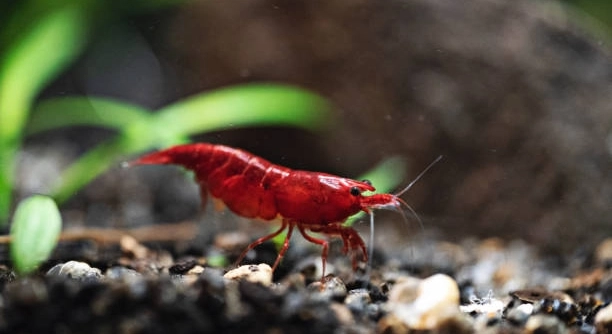
Are your aquariums filled with tiny shrimp that seem to move at different speeds depending on the day? Observing these small creatures can be both relaxing and fascinating, especially when their behavior seems to change with the water conditions around them.
Shrimp activity increases in warmer temperatures due to higher metabolic rates. Warmer water accelerates digestion, movement, and overall energy, while cooler temperatures slow these processes. Maintaining consistent temperature ranges is essential for their health and natural behaviors in aquatic habitats.
Understanding how temperature affects shrimp can help improve tank care, feeding routines, and their overall well-being in a home environment.
How Temperature Influences Shrimp Behavior
Shrimp are ectothermic, meaning their body temperature and activity are influenced by the surrounding water. In warmer conditions, their metabolism increases, making them swim faster and feed more actively. Cooler water slows these processes, and shrimp may appear lethargic or hide more often. Observing your shrimp over time, you can notice clear patterns tied to seasonal changes or variations in aquarium temperature. Even small adjustments in water temperature can create visible differences in movement and feeding habits. Consistency is key, as sudden spikes or drops in temperature can stress shrimp, making them more vulnerable to illness. Some species tolerate a wider range of temperatures, but others are highly sensitive. By maintaining stable water conditions, you support their natural rhythms and behaviors. Proper filtration and regular water monitoring also help reduce stress, allowing shrimp to behave normally. The combination of temperature control and attentive care is essential for keeping shrimp active and healthy.
Shrimp activity is highest in temperatures that match their natural habitats. Stable, moderate warmth encourages regular swimming and feeding patterns.
Keeping shrimp active requires understanding their needs. Even minor changes in tank temperature can impact their metabolism, behavior, and overall health. Observing these responses helps in adjusting care practices, ensuring shrimp remain vibrant and energetic. Regular monitoring of water quality complements temperature management, supporting optimal shrimp activity.
Practical Tips for Maintaining Ideal Water Conditions
Stable temperatures reduce stress and promote consistent shrimp activity. Avoid sudden fluctuations that can shock the animals.
Using heaters with thermostats, monitoring water temperature daily, and placing tanks away from drafts or sunlight helps maintain a controlled environment. Different shrimp species have preferred temperature ranges, and matching these ensures optimal feeding and movement. Consistency in temperature combined with regular water changes supports a healthy balance of oxygen, pH, and other essential water parameters. Overheating or letting water become too cool can weaken shrimp immune systems and make them more susceptible to disease. Even slight changes in temperature affect molting cycles, growth rates, and overall behavior. By carefully observing shrimp responses to environmental changes, you can fine-tune conditions for peak activity. Additionally, providing hiding spaces and appropriate food ensures that shrimp feel secure and stimulated, allowing them to move naturally throughout the tank. Maintaining proper temperature is one of the most impactful ways to keep shrimp healthy and active.
Seasonal Temperature Changes
Seasonal shifts in temperature affect shrimp activity noticeably. Warmer months often see shrimp moving faster and feeding more, while colder months can slow them down. Tracking these changes helps in adjusting care routines and keeping shrimp comfortable year-round.
During summer, water in aquariums may naturally rise, boosting shrimp metabolism. They swim more, search for food actively, and molt more frequently. Increased activity requires careful observation to ensure they are eating enough and that water quality remains stable. Overcrowding or insufficient food can lead to stress. Cooler months slow metabolism, reducing movement and feeding. Observing these patterns can guide temperature adjustments, feeding schedules, and tank maintenance. Seasonal awareness ensures shrimp remain healthy despite natural temperature fluctuations.
Temperature shifts also influence shrimp behavior beyond metabolism. Molting cycles may lengthen in colder water, affecting growth. Reproduction rates can slow down, and interactions between shrimp may become less active. Warmer water encourages social behavior and exploration, while colder water makes them more reclusive. Maintaining a steady temperature or making gradual adjustments during seasonal changes prevents shock. Supporting shrimp with stable water quality, adequate hiding spots, and consistent feeding improves resilience. Recognizing the effects of seasonal temperature variations allows for proactive care, helping shrimp stay active, healthy, and less prone to stress-related issues.
Feeding Patterns and Temperature
Shrimp eat more frequently in warmer water due to higher metabolism. Adjusting feeding amounts ensures they get proper nutrition without overfeeding.
Warmer temperatures increase appetite, prompting shrimp to forage and graze more often. Feeding schedules should match activity levels to prevent leftover food from contaminating water. In cooler conditions, shrimp metabolism slows, and they require less food. Overfeeding in low-temperature periods can harm water quality and shrimp health. Observing feeding behavior helps determine the right portions and frequency. Offering a variety of foods ensures balanced nutrition, supporting molting and overall activity. Careful monitoring of feeding patterns relative to temperature changes is essential for maintaining a healthy aquarium environment.
Tank Setup Considerations
Water circulation affects shrimp activity. Proper flow ensures oxygen distribution, prevents stagnant areas, and helps shrimp move naturally throughout the tank.
Temperature stability is influenced by tank placement. Avoid direct sunlight or drafts that can create sudden shifts, keeping shrimp comfortable and active consistently.
Monitoring and Adjusting Temperature
Regularly checking water temperature is essential. Using a reliable thermometer allows for precise adjustments with heaters or cooling systems. Gradual changes prevent stress and support normal shrimp behavior. Consistent monitoring helps identify patterns and ensures shrimp remain active and healthy over time.
Behavior Observation
Noticing how shrimp respond to changes in temperature provides insights into their health, feeding, and activity levels. Recording these observations helps fine-tune care practices for better outcomes.
FAQ
How much does temperature affect shrimp activity?
Temperature has a significant impact on shrimp behavior. In warmer water, their metabolism speeds up, making them swim faster and feed more frequently. Cooler water slows metabolism, and shrimp may appear less active or hide more often. Even small changes in temperature can noticeably influence their energy levels.
What is the ideal temperature range for most shrimp species?
Most freshwater shrimp, such as cherry shrimp, thrive in water between 72°F and 78°F (22°C–26°C). Some species tolerate slightly higher or lower ranges, but staying within this range supports regular feeding, molting, and activity. Stable temperature is more important than reaching an exact number.
Can sudden temperature changes harm shrimp?
Yes, sudden spikes or drops can stress shrimp. Rapid changes affect their metabolism and immune system, making them more vulnerable to disease. Gradual adjustments are safer and help shrimp adapt without visible behavioral issues.
Do shrimp need different temperatures for breeding?
Yes, slightly warmer temperatures can encourage mating and egg-laying in many species. Cooler water may slow reproduction, reduce egg survival, and delay hatching. Maintaining a stable, slightly warm environment is beneficial for breeding success.
How does temperature affect shrimp molting?
Molting is directly tied to metabolism. Warmer water accelerates molting cycles, while cooler water slows them. Shrimp require stable conditions during molting to avoid stress or incomplete molts, which can affect their growth and overall health.
Should I adjust feeding based on temperature?
Feeding amounts should match shrimp activity. In warmer water, shrimp eat more, requiring slightly larger or more frequent feedings. In cooler conditions, metabolism slows, so less food is needed to prevent waste accumulation and maintain water quality.
Can shrimp survive in temperatures outside their ideal range?
They may survive for short periods, but long-term exposure to extreme temperatures can reduce activity, impair growth, and increase susceptibility to disease. Consistently maintaining water within their preferred range ensures healthy and active shrimp.
How do I maintain consistent tank temperature?
Use a reliable aquarium heater with a thermostat, and check the temperature daily. Keep the tank away from windows, heaters, or air conditioners to avoid fluctuations. Adding insulation or using a heater with precise controls can further stabilize conditions.
Does tank size affect temperature stability?
Larger tanks tend to be more stable because they hold more water, which resists quick temperature changes. Smaller tanks fluctuate more easily and require closer monitoring to maintain a steady environment suitable for shrimp.
What signs indicate shrimp are stressed due to temperature?
Lethargy, hiding, reduced feeding, and incomplete molts are common indicators. Observing shrimp behavior daily helps detect stress early so adjustments to temperature, water quality, or feeding can be made promptly.
Can temperature affect shrimp interactions?
Yes, warmer water encourages social activity and exploration. Shrimp may forage together more actively and display normal social behavior. Cooler water often reduces movement, making shrimp less interactive and more reclusive.
Is it safe to use multiple heaters or chillers in the same tank?
Yes, using multiple devices can improve temperature stability, especially in larger tanks or areas with fluctuating room temperatures. Ensure devices are monitored and calibrated to prevent overheating or overcooling.
How long does it take shrimp to adjust to a new temperature?
Shrimp usually adapt within several hours to a day if changes are gradual. Sudden adjustments can take longer or cause stress. Observing behavior during this period is crucial to ensure proper acclimation.
Are all shrimp species equally sensitive to temperature changes?
No, some species tolerate wider ranges, while others are more sensitive. Researching the specific species in your tank helps maintain optimal conditions for activity, feeding, and overall health.
Does water chemistry interact with temperature effects?
Yes, temperature can influence oxygen levels, pH, and other water parameters. Warmer water holds less oxygen, which can stress shrimp if not managed. Regular monitoring of both temperature and chemistry is essential for healthy shrimp.
Can lighting affect how shrimp respond to temperature?
Indirectly, yes. Strong lighting can warm the water slightly, increasing metabolism. Proper lighting schedules combined with stable temperature help maintain consistent shrimp activity and natural behavior patterns.
What is the best way to track shrimp activity with temperature changes?
Observing and recording daily behavior, feeding habits, and movement patterns helps identify how temperature affects shrimp. Keeping a simple log allows adjustments to care routines, ensuring shrimp remain healthy and active.
Do seasonal changes require different temperature management?
Yes, seasonal shifts can affect room temperature and indirectly the tank. Adjust heaters or chillers gradually during seasonal transitions to maintain stable conditions, preventing stress and maintaining regular shrimp activity.
Can shrimp acclimate to slightly warmer or cooler water over time?
Gradual acclimation is possible, but extreme deviations can still be harmful. Slow adjustments allow shrimp to adapt their metabolism and behavior without causing stress or health issues. Monitoring responses is essential during this process.
How often should I check shrimp behavior in relation to temperature?
Daily observation is recommended. Consistent monitoring helps detect subtle changes in activity, feeding, and social interactions, allowing timely adjustments to temperature and tank conditions.
Are there long-term effects of improper temperature management?
Yes, chronic exposure to unsuitable temperatures can stunt growth, reduce lifespan, weaken the immune system, and impair reproduction. Maintaining stable, species-appropriate temperatures is crucial for long-term shrimp health and vitality.
Can temperature affect shrimp coloration?
Temperature can influence metabolism, which may slightly affect coloration. Warmer, stable conditions often enhance natural colors, while stress from extreme temperatures can dull or fade pigmentation.
Is using a thermometer enough to ensure stable temperature?
A thermometer is essential but not sufficient alone. Monitoring daily, using reliable heaters, avoiding drafts, and considering seasonal changes all contribute to maintaining consistent and safe water temperatures for shrimp.
How can I prevent sudden temperature swings during power outages?
Using a backup heater, insulating the tank, or relocating it to a more temperature-stable environment can minimize fluctuations. Planning ahead helps protect shrimp during unexpected outages.
Do shrimp respond immediately to temperature changes?
Yes, shrimp metabolism and activity respond quickly. Sudden increases may make them hyperactive, while drops can cause lethargy. Observing behavior helps assess whether adjustments are needed.
Can I use temperature to manage shrimp aggression?
Indirectly, yes. Warmer water encourages movement and social interactions, which may reduce territorial behavior in some species. Stable temperatures help maintain natural interactions and minimize stress-related aggression.
Does water depth affect temperature stability for shrimp?
Yes, deeper water tends to be more stable, while shallow areas can heat or cool faster. Proper tank design and heater placement help ensure consistent conditions throughout the aquarium.
Are shrimp more active during the day or night at different temperatures?
Activity patterns can shift slightly with temperature. Warmer water may increase daytime activity, while cooler water can make shrimp less active overall, often retreating to hiding spots regardless of light cycle.
What is the safest way to raise or lower tank temperature?
Make gradual adjustments, ideally no more than 1–2°F per hour. Monitor shrimp closely, and avoid rapid changes to prevent stress or health complications. Patience ensures shrimp adapt safely to new conditions.
How do I know if my shrimp species prefers warmer or cooler water?
Research species-specific care guides. Observing natural habitats or consulting reliable resources provides information on ideal temperature ranges, helping maintain optimal activity and health.
Can temperature alone improve shrimp health?
Temperature is one of several important factors. Combined with clean water, proper diet, and tank maintenance, maintaining ideal temperatures significantly supports shrimp activity, growth, and overall well-being.
How important is consistency compared to exact temperature?
Consistency is often more critical than hitting a precise number. Shrimp tolerate minor deviations if changes are gradual, but frequent fluctuations cause stress and disrupt normal activity.
Can I adjust temperature differently for juvenile and adult shrimp?
Juveniles may benefit from slightly warmer water to support growth, while adults can tolerate moderate ranges. Observing activity and feeding helps guide adjustments suitable for all life stages.
Does temperature affect shrimp disease resistance?
Yes, stable, appropriate temperatures support metabolism and immunity. Stress from fluctuating or extreme temperatures can weaken defenses, making shrimp more prone to infections.
Is there a connection between temperature and shrimp lifespan?
Maintaining optimal temperature supports normal metabolism, growth, and reproduction, directly influencing lifespan. Improper temperature management can shorten life expectancy and reduce overall vitality.
Can using multiple species complicate temperature management?
Yes, different species may have slightly varying temperature preferences. Choosing compatible species or maintaining a range suitable for all helps avoid stress and ensures healthy activity levels.
What tools help maintain and monitor temperature effectively?
Reliable thermostats, digital thermometers, heaters, chillers, and monitoring logs provide precise control and tracking. Combining these tools ensures stable conditions and supports healthy shrimp behavior.
How do I balance temperature with other environmental factors?
Temperature interacts with oxygen levels, pH, and filtration. Regular testing and adjustments ensure all conditions remain optimal, supporting active, healthy shrimp. Proper balance prevents stress and promotes natural behavior patterns.
Are shrimp more sensitive to temperature during molting?
Yes, stable temperature is critical during molting. Sudden changes can cause stress, incomplete molts, or even injury. Maintaining consistent warmth supports successful molting cycles and overall health.
How does tank location influence temperature control?
Placing a tank away from windows, vents, or fluctuating room temperatures prevents sudden swings. Proper placement reduces heater or chiller strain and keeps shrimp activity steady.
Can shrimp recover from short-term temperature stress?
Yes, if conditions stabilize quickly, shrimp often recover their normal activity and feeding patterns. Observing them after stress helps confirm recovery and guides ongoing care practices.
Are there visible signs of overfeeding related to temperature?
Yes, in warmer water, shrimp may eat more, leaving excess food to decay. This can cloud water, reduce oxygen, and stress shrimp. Adjusting feeding to match activity prevents these issues.
Does temperature affect shrimp hiding behavior?
Colder or fluctuating temperatures can make shrimp retreat to shelters more often. Warmer, stable water encourages exploration and normal movement throughout the tank.
Is it necessary to measure temperature at multiple points in the tank?
Yes, checking at different depths and locations ensures consistent conditions, avoiding hot or cold spots that could affect shrimp behavior and health.
Can automated systems help manage shrimp temperature?
Yes, smart heaters and chillers with sensors and alerts maintain stable temperatures, reducing manual monitoring and minimizing stress from unexpected fluctuations.
How quickly should I respond to temperature-related stress?
Immediate action is important. Adjusting heaters, chillers, or tank placement quickly prevents prolonged stress and helps shrimp maintain normal activity and feeding.
Are shrimp more tolerant of heat or cold stress?
Tolerance varies by species. Generally, brief exposure to slightly higher temperatures is safer than extreme cold, which can slow metabolism and cause lethargy or health issues.
Can water additives or conditioners affect temperature sensitivity?
Yes, some chemicals slightly alter water chemistry or heat capacity, indirectly affecting shrimp metabolism. Using recommended dosages helps maintain stable conditions.
Does water movement interact with temperature effects?
Yes, circulation affects oxygen levels, which interact with temperature to influence metabolism and activity. Proper flow supports healthy, active shrimp in all conditions.
How long can shrimp tolerate minor temperature deviations?
Short-term deviations of a few degrees are usually tolerated if they return to ideal ranges quickly. Prolonged exposure can stress shrimp and affect feeding or molting cycles.
Are shrimp more active immediately after temperature stabilization?
Often, yes. Once the water reaches a stable, preferred temperature, shrimp may increase movement, explore more, and feed more actively. Monitoring ensures changes remain safe.
How does temperature affect shrimp feeding hierarchy or competition?
Higher temperatures can increase activity, making shrimp forage more evenly. Cooler water may reduce movement, causing competition for limited food or hiding spots. Proper feeding and stable temperature prevent stress.
Can temperature influence shrimp growth rates?
Yes, warmer, stable water supports faster metabolism, feeding, and molting, leading to more consistent growth. Cold or fluctuating temperatures slow these processes and may stunt development.
What is the best routine for checking shrimp activity and temperature?
Daily observation, combined with thermometer checks and feeding monitoring, provides insight into shrimp health. Recording patterns helps adjust temperature and care practices efficiently.
Are shrimp more likely to show unusual behaviors in extreme temperatures?
Yes, rapid swimming, hiding, or decreased feeding are common signs of stress. Maintaining stable, ideal temperatures prevents these behavioral issues and supports natural activity.
How important is gradual temperature change during tank maintenance?
Gradual adjustments prevent shock and stress. Sudden changes during water changes or cleaning can disrupt shrimp metabolism and activity, so slow and steady is always better.
Can temperature affect shrimp coloration during stress or molting?
Yes, stressed or poorly acclimated shrimp may show dull colors. Stable, ideal temperatures support natural pigmentation and overall appearance.
Does tank vegetation influence temperature stability?
Plants can provide shade, reduce heat spikes, and support oxygen levels. Healthy vegetation complements temperature control and encourages natural shrimp behavior.
How do I balance temperature with lighting schedules?
Lighting slightly warms water, so synchronize light periods with heater settings to maintain stable conditions. This balance supports activity, feeding, and natural rhythms.
Can long-term temperature monitoring improve shrimp care?
Yes, tracking patterns over weeks or months helps predict behavioral changes, plan feeding, and maintain stable conditions, supporting healthier and more active shrimp populations.
How do I respond to shrimp inactivity linked to temperature?
Adjust temperature gradually, monitor water quality, and ensure proper feeding. Observing behavior helps confirm recovery and indicates whether further changes are needed.
Can shrimp acclimate to slightly fluctuating temperatures naturally?
Gradual, minor fluctuations are tolerated, but frequent or extreme swings stress shrimp. Consistent temperature is key for optimal activity, health, and growth.
Does the size of the shrimp affect temperature sensitivity?
Juvenile shrimp are often more sensitive due to higher metabolism and growth needs. Adults tolerate moderate variations better but still require stable conditions for long-term health.
Can aquarium decorations influence temperature effects?
Yes, rocks, wood, or shelters create microhabitats with slightly different temperatures. Providing hiding spots helps shrimp regulate comfort while supporting activity in varying conditions.
How do I identify temperature-related illness in shrimp?
Symptoms include lethargy, reduced feeding, abnormal molting, and faded coloration. Early detection allows quick adjustments to water temperature and tank care.
Can temperature management reduce disease risk?
Yes, stable temperatures support metabolism, immune function, and normal behavior, reducing stress-related vulnerability to infections. Proper temperature is a key preventative measure.
What is the role of temperature in shrimp social behavior?
Temperature influences movement, foraging, and interactions. Warmer, stable conditions encourage natural social behaviors, while fluctuations can cause hiding, reduced interaction, or stress-related aggression.
Does temperature influence egg development in female shrimp?
Yes, warmer, stable water encourages faster egg development and hatching. Cold or fluctuating temperatures slow reproduction, affecting population growth in aquariums.
Can temperature fluctuations affect shrimp lifespan?
Long-term exposure to unsuitable temperatures can reduce lifespan, weaken immunity, and affect growth. Maintaining stable, appropriate temperatures is essential for longevity.
How do I manage temperature during seasonal room changes?
Monitor tank closely, adjust heaters or chillers gradually, and insulate as needed. Awareness of room temperature shifts prevents sudden stress on shrimp.
Can shrimp recover from temperature-related inactivity?
Yes, gradual return to stable, ideal conditions restores normal feeding and movement. Observing recovery ensures adjustments are safe and effective.
Are shrimp more vulnerable to other stressors when temperature is unstable?
Yes, temperature fluctuations amplify effects of poor water quality, overcrowding, or inadequate diet. Maintaining stable water reduces overall stress and supports healthy activity.
How often should temperature equipment be checked or maintained?
Weekly checks of heaters, thermometers, and chillers ensure proper function. Regular maintenance prevents malfunctions that could disrupt tank stability and shrimp health.
Can temperature affect shrimp lifespan indirectly through water quality?
Yes, warmer water accelerates waste breakdown and bacterial growth, while colder water slows these processes. Proper monitoring and adjustments maintain clean, safe conditions for shrimp.
Does acclimating new shrimp require temperature considerations?
Yes, slowly matching tank temperature with transport water reduces stress, prevents shock, and encourages healthy activity and feeding in new shrimp.
Can shrimp tolerate short-term exposure to extreme temperatures during transport?
Brief exposure is often tolerated, but prolonged extremes can harm metabolism and increase mortality risk. Gradual acclimation is safer for long-term health.
How does temperature interact with tank filtration?
Proper filtration supports oxygen and waste management, which interacts with temperature to maintain metabolism and activity. Both factors are essential for healthy shrimp.
Are shrimp more active at specific times of day depending on temperature?
Yes, warmer conditions can increase daytime activity, while cooler water may reduce movement, encouraging hiding and lower overall activity regardless of light cycles.
Can shrimp activity be used as an indicator of ideal temperature?
Yes, observing consistent swimming, feeding, and social behaviors suggests water is within a suitable range. Lethargy or hiding signals adjustments may be needed.
Does temperature affect shrimp in planted versus bare tanks differently?
Plants buffer temperature changes slightly and provide shaded microhabitats. In bare tanks, shrimp experience more direct effects, making stable temperature even more critical.
Is it safe to rely solely on visual observation to assess temperature effects?
Visual cues are helpful, but combining observation with thermometers and regular monitoring ensures precise control and prevents unnoticed stress or health issues.
How do I adjust feeding and care based on seasonal temperature changes?
Feed less in cooler months and slightly more in warmer periods. Adjust maintenance routines to account for metabolism and activity changes, ensuring shrimp stay healthy year-round.
Can temperature extremes trigger unusual shrimp behavior?
Yes, sudden heat or cold can cause frantic swimming, hiding, or reduced feeding. Maintaining stable conditions prevents stress and supports normal behavior.
How important is tank cover in temperature stability?
Covers reduce heat loss, prevent drafts, and maintain humidity levels. A secure cover helps maintain consistent temperature and supports stable shrimp activity.
Are shrimp more sensitive to temperature in small tanks?
Yes, small tanks fluctuate faster and require closer monitoring. Gradual adjustments and stable placement are critical to prevent stress.
Can temperature affect the growth rate of shrimp populations over time?
Yes, stable, optimal temperatures support regular molting and feeding, leading to consistent growth. Fluctuating temperatures slow metabolism and can stunt population development.
Does oxygen availability interact with temperature effects on shrimp?
Yes, warmer water holds less oxygen. Proper aeration and circulation help maintain sufficient oxygen, ensuring shrimp remain active despite higher temperatures.
Can lighting adjustments help stabilize temperature?
Indirectly, yes. Limiting direct sunlight or heat-generating lights prevents water from warming too quickly
Shrimp are small but fascinating creatures, and their behavior is closely tied to the temperature of their environment. Maintaining stable, appropriate water temperatures ensures that shrimp remain active, feed regularly, and carry out natural behaviors like molting and exploration. Sudden changes or prolonged exposure to temperatures outside their preferred range can cause stress, reduce activity, and affect overall health. Paying attention to how your shrimp respond to different water conditions allows you to create an environment where they can thrive. Observing their movement patterns, feeding habits, and social interactions gives clear indicators of their comfort and well-being. Even small adjustments, when done gradually, can have noticeable effects on shrimp activity, showing just how sensitive they are to their surroundings. Consistent care, along with monitoring and proper tank setup, helps maintain the stability shrimp need for long-term health.
Temperature is only one of several factors influencing shrimp behavior, but it is a significant one. Warmer water increases metabolism, encouraging movement and feeding, while cooler water slows these processes, often causing shrimp to hide or reduce activity. Seasonal changes, tank placement, and equipment performance all affect water temperature and, consequently, shrimp behavior. Careful monitoring with reliable thermometers and controlled heaters allows you to prevent sudden fluctuations that could stress the shrimp. In addition to temperature, factors like oxygen levels, water chemistry, and adequate nutrition work together to support healthy shrimp activity. Paying attention to how these elements interact with temperature can prevent problems before they arise. By maintaining a balanced and stable environment, you not only support active behavior but also promote growth, successful molting, and reproduction. This approach ensures that shrimp remain healthy, energetic, and visible in the tank.
Creating an ideal environment for shrimp takes attention and observation, but the effort is worthwhile. By maintaining stable temperatures and monitoring how shrimp respond, you can support their natural behavior and long-term health. Proper feeding, water quality, and tank setup complement temperature management, helping shrimp stay active and engaged. Observing shrimp daily allows you to notice subtle changes in movement or feeding, which can indicate whether adjustments are needed. Even minor improvements in water temperature or stability can have significant benefits, leading to more consistent activity and healthier shrimp overall. Understanding how shrimp respond to temperature changes provides a foundation for better care practices, ensuring they remain lively and thrive in the aquarium. Maintaining these conditions encourages natural behavior, supports molting and reproduction, and creates a balanced, healthy habitat where shrimp can flourish consistently over time.

Hello,
If you enjoy the content that we create, please consider saying a "Thank You!" by leaving a tip.
Every little bit helps us continue crafting quality advice that supports the health, happiness, and well-being of pets around the world, for pets of all shapes, sizes, and species.
We really appreciate the kindness and support that you show us!