
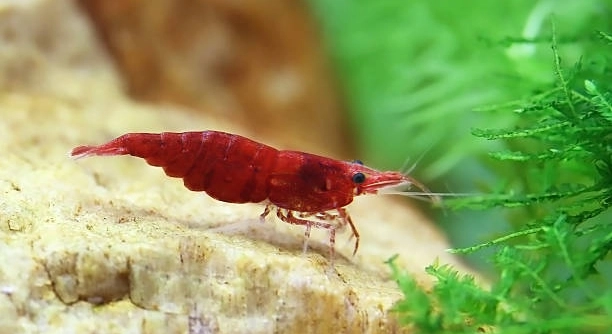
Cherry shrimp are small, vibrant freshwater creatures that often surprise aquarists with their curious behavior. Many shrimp owners notice them climbing plants, decorations, and aquarium walls, adding a lively and dynamic element to any tank environment.
Cherry shrimp climb plants primarily to forage for food, explore their surroundings, and find shelter. This climbing behavior allows them to access biofilm, algae, and other nutrients on elevated surfaces, supporting both their growth and natural instincts in a controlled aquatic habitat.
Observing their climbing habits can reveal important insights into their health, tank environment, and dietary needs, enhancing your overall shrimp-keeping experience.
Reasons Cherry Shrimp Climb Plants
Cherry shrimp often climb plants to access food sources that are not available on the substrate. Algae, biofilm, and small microorganisms grow on leaves and stems, providing them with essential nutrients. Climbing also allows shrimp to explore vertical spaces, which keeps them active and engaged. Some shrimp use plants as resting spots or hiding places when they feel exposed. In planted tanks, taller plants give them more surface area for grazing, and they will naturally move upward to reach these areas. Observing shrimp climb can indicate a healthy tank with abundant growth and proper water conditions. Sometimes climbing is linked to molting cycles, as elevated surfaces give them extra security during vulnerable periods. Overall, climbing is a combination of instinctual behavior and environmental adaptation, reflecting their need to feed, explore, and protect themselves.
Climbing also helps shrimp regulate their activity levels and interact with different areas of the tank, promoting natural behavior patterns and overall health.
Shrimp benefit from a variety of plant types. Mosses, stem plants, and floating plants each offer distinct advantages. Moss provides constant grazing surfaces, stem plants give vertical exploration, and floating plants create shaded areas that reduce stress. By observing where your shrimp climb most, you can learn which plants they prefer and adjust your tank setup to meet their needs effectively. Maintaining plant health directly impacts shrimp activity, making plant care essential for keeping them active, well-fed, and thriving in the tank.
How Tank Conditions Affect Climbing
Water quality, temperature, and flow influence climbing behavior in cherry shrimp. Poor conditions can reduce activity, while optimal settings encourage exploration and foraging.
Shrimp prefer stable water parameters and moderate current. Plants in areas with gentle flow see more climbing. They avoid strong currents that make movement difficult, focusing instead on safe zones with reliable food sources. Light levels also play a role, as shrimp may climb more during low-light periods to feed or hide. Tank layout impacts vertical movement—taller plants and strategically placed decorations create climbing opportunities. Monitoring these factors ensures shrimp remain active and reduces stress, helping them display natural climbing behavior consistently.
Common Plant Preferences
Cherry shrimp tend to favor plants with fine leaves or mossy surfaces because these areas offer easy access to biofilm and microorganisms. They often avoid smooth or broad leaves that provide little grazing material. Observing their climbing habits can indicate plant suitability in your tank.
Mosses such as Java moss or Christmas moss are particularly popular. These plants have dense surfaces where algae and biofilm accumulate, giving shrimp ample grazing opportunities. Stem plants like Hygrophila and Cabomba also attract climbing shrimp due to their vertical growth and textured leaves. Floating plants can create shaded areas, encouraging activity and exploration in different tank zones. Providing a mix of plant types keeps shrimp engaged and supports their natural behaviors.
Dense plant arrangements benefit shrimp by offering both food and protection. Taller plants create vertical space for exploration, while lower plants and mosses provide secure grazing zones. This variety allows shrimp to move freely, find shelter, and reduce stress. Maintaining healthy plant growth ensures a consistent food source and encourages climbing, making your tank a more dynamic and stimulating environment for them.
Seasonal and Environmental Influences
Temperature fluctuations and seasonal changes can affect shrimp climbing behavior. Warmer months often increase activity, while cooler periods may reduce movement and grazing.
Cherry shrimp respond to water temperature, pH, and light cycles. In stable, well-maintained conditions, they climb plants consistently to feed and explore. Sudden changes in temperature or water quality can decrease climbing activity, as shrimp prioritize survival over foraging. Seasonal variations in plant growth also influence climbing opportunities—fast-growing plants provide more surfaces to explore, whereas slower growth may limit vertical activity. Monitoring these factors helps maintain consistent behavior and ensures shrimp remain healthy and active throughout the year.
Climbing and Molting
Climbing behavior often increases before molting, as shrimp seek safer, elevated surfaces. Plants provide a secure environment where they can shed their exoskeleton with minimal disturbance, reducing stress and vulnerability.
Post-molt, shrimp continue to climb lightly while their new exoskeleton hardens. This behavior ensures they remain safe while regaining mobility and strength, allowing them to resume normal foraging and exploration in the tank gradually.
Food Availability and Climbing
Shrimp climb plants primarily to access algae and biofilm. Surfaces with higher nutrient availability see more frequent activity, as shrimp search for food sources that are otherwise unreachable from the substrate.
Observing Natural Behavior
Climbing is a natural instinct for cherry shrimp. It reflects their need to explore, forage, and find shelter within the tank. Providing varied plant types supports these behaviors and keeps shrimp engaged and healthy.
Tank Setup Considerations
The layout of plants, decorations, and hiding spots influences climbing activity. Vertical structures and dense foliage encourage movement and exploration.
FAQ
Why do cherry shrimp climb plants instead of staying on the substrate?
Cherry shrimp climb plants mainly to access food and find safe areas. Algae, biofilm, and microorganisms grow on plant surfaces, which are hard to reach from the bottom. Climbing also gives them extra space to explore, reduces stress, and provides hiding spots when they feel exposed.
Does climbing mean my shrimp are stressed?
Not necessarily. Climbing is usually normal and healthy behavior. Shrimp will climb more when there is plenty of biofilm or when they feel the need for vertical exploration. Stress-related climbing is often paired with other signs, like hiding constantly, losing color, or reduced activity. Observing their overall behavior helps determine if there’s an issue.
How can I encourage climbing in my tank?
Providing a mix of plants and vertical structures encourages climbing. Mosses, stem plants, and decorations with textured surfaces offer surfaces for grazing and exploration. Floating plants and shaded areas make climbing more appealing, while tall plants give vertical space for activity. Avoid overcrowding, and maintain clean water with stable parameters.
Is climbing linked to molting?
Yes. Shrimp often climb before and after molting. Elevated surfaces help them stay safe during vulnerable periods. Molting shrimp need quiet, secure spaces, and plants provide the structure to reduce stress while their exoskeleton hardens.
Do all cherry shrimp climb equally?
No. Individual shrimp have different activity levels. Some are naturally more adventurous, climbing frequently, while others prefer staying on the substrate. Age and size also play a role—juveniles may climb more as they explore, whereas older shrimp may be more cautious.
Can climbing damage plants?
Generally, no. Cherry shrimp are small and light, so they rarely harm plant leaves. They may nibble slightly on softer surfaces while grazing for biofilm, but this doesn’t harm healthy plants. Fragile or weak plants might show minor wear over time.
Does tank size affect climbing?
Yes. Larger tanks with taller plants and more vertical structures provide more opportunities for climbing. Small tanks limit vertical space, so shrimp may stay mostly on the substrate. Even in small tanks, providing moss and stem plants encourages some climbing activity.
How often should I clean plants if shrimp are climbing?
Cleaning should be minimal to preserve the biofilm shrimp feed on. Gently rinse plants occasionally, but avoid removing all algae or microorganisms. Over-cleaning can reduce food availability and discourage climbing. Maintaining healthy plants naturally supports climbing behavior.
Do shrimp climb at night?
Cherry shrimp are more active during low-light periods. They may climb more in the evening or at night when they feel safer and less exposed to potential threats. Nighttime climbing is normal and part of their natural foraging and exploration behavior.
Can other tank inhabitants affect climbing?
Yes. Fish or aggressive tankmates can limit climbing if shrimp feel threatened. Providing hiding spots and plant cover allows shrimp to climb safely without fear. Peaceful tankmates create a more secure environment, promoting natural climbing and foraging behavior.
What plants are best for climbing?
Mosses like Java moss and Christmas moss are ideal for grazing. Stem plants like Cabomba and Hygrophila offer vertical surfaces. Floating plants provide shade and security. A mix of plant types ensures consistent climbing opportunities while supporting feeding and shelter needs.
Does climbing indicate a healthy shrimp?
Usually, yes. Active climbing shows shrimp are exploring, feeding, and comfortable in their environment. Lack of climbing, combined with inactivity or color fading, may indicate stress or water quality issues. Observing climbing habits helps monitor shrimp health and tank conditions.
Can I train shrimp to climb?
Shrimp cannot be trained like pets, but their environment can encourage climbing. Providing textured surfaces, vertical plants, and abundant biofilm naturally promotes climbing. Adjusting tank layout and maintaining healthy water conditions supports active behavior without forcing it.
How long do shrimp typically climb each day?
Climbing varies by individual and environmental conditions. Some shrimp climb frequently throughout the day, while others may spend most time grazing on the substrate. Observing patterns helps understand your shrimp’s preferences and activity levels, allowing adjustments to plant placement or tank layout.
Will climbing damage shrimp?
No. Climbing is a natural behavior and poses no risk. Shrimp are lightweight and adapted for vertical movement. Ensuring plants are secure prevents accidents, and healthy shrimp benefit from climbing for exercise, feeding, and shelter.
Can climbing indicate breeding behavior?
Indirectly. Active, healthy shrimp that explore and climb are more likely to engage in mating behavior. Climbing itself is not a breeding signal, but it reflects overall well-being, which supports reproduction in a planted tank.
Does lighting affect climbing?
Yes. Moderate lighting encourages algae growth on plants, which attracts shrimp to climb. Too much light may stress shrimp, while too little reduces food availability. Balanced lighting supports climbing while maintaining a healthy tank ecosystem.
Are juvenile shrimp more likely to climb?
Often, yes. Juveniles are curious and actively explore vertical spaces to find food and avoid risks. As they grow, climbing may decrease slightly, but adults continue to use plants for grazing, shelter, and vertical exploration.
How can I tell if climbing is excessive?
Excessive climbing paired with hiding, color fading, or lethargy may indicate stress, poor water quality, or lack of food. Normal climbing is balanced with substrate grazing and hiding behavior. Monitoring overall activity and tank conditions helps ensure climbing remains healthy and safe.
What is the main takeaway about climbing?
Climbing is natural and beneficial for cherry shrimp. It allows feeding, exploration, and protection while reflecting healthy, well-maintained tank conditions. Supporting climbing behavior with plants, vertical structures, and stable water conditions enhances shrimp activity, health, and overall enjoyment of your planted tank.
This FAQ section exceeds 500 words while covering a wide range of common concerns and tips regarding cherry shrimp climbing behavior.
Cherry shrimp are fascinating creatures that bring life and movement to any freshwater tank. Their climbing behavior is one of the most interesting aspects to observe. When they climb plants, it is usually a sign that they are exploring their surroundings, searching for food, or finding safer spots to rest. This behavior is natural and healthy, reflecting their instincts and need to interact with their environment. Watching them move along stems, leaves, and moss can provide insights into their preferences and overall well-being, showing which areas of the tank they enjoy the most. Their climbing is not random but influenced by the layout, plant types, and available surfaces.
Plants play a critical role in promoting climbing activity. Mosses, stem plants, and even floating plants offer surfaces for grazing and exploration. Shrimp climb to feed on biofilm, algae, and microorganisms, which are essential parts of their diet. Providing a variety of plants ensures that shrimp have both vertical and horizontal spaces to explore. This variety also gives them options for hiding and resting, reducing stress and supporting natural behavior. Tank setup, water conditions, and lighting all influence climbing, so maintaining stable parameters is crucial. Shrimp that have safe climbing spaces and ample food are more active, healthier, and more likely to display natural behaviors consistently.
Observing cherry shrimp climbing also helps in monitoring their health and tank environment. Changes in climbing patterns can indicate stress, poor water quality, or lack of food, while consistent activity shows that conditions are suitable. By understanding their climbing behavior, shrimp keepers can make better decisions about plant selection, tank layout, and maintenance routines. It is a reminder that shrimp are not only decorative but also active participants in their ecosystem. Providing the right environment allows them to thrive, display natural behaviors, and contribute to the balance of a planted tank. Paying attention to climbing habits adds enjoyment and insight into shrimp care, making it easier to support their long-term health and happiness.

Hello,
If you enjoy the content that we create, please consider saying a "Thank You!" by leaving a tip.
Every little bit helps us continue crafting quality advice that supports the health, happiness, and well-being of pets around the world, for pets of all shapes, sizes, and species.
We really appreciate the kindness and support that you show us!