
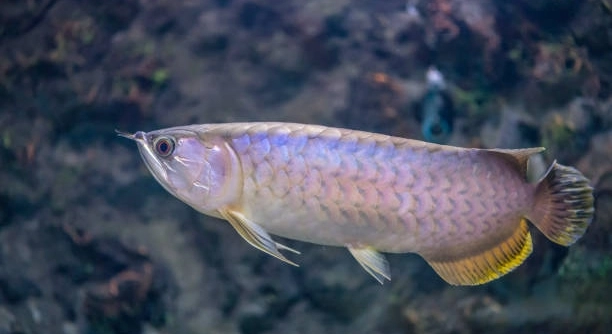
Keeping an Arowana in a home aquarium can be exciting, yet challenging. These large, powerful fish need careful planning when it comes to choosing companions. Not all fish can coexist peacefully with them in a tank environment.
Arowanas are predatory and territorial, making them incompatible with certain tankmates. Species that are smaller, slow-moving, or aggressive themselves often trigger conflict, injury, or stress, resulting in an unstable and unhealthy aquatic environment for both the Arowana and other fish.
Knowing which fish to avoid will protect your tank’s harmony and ensure your Arowana thrives in a safer, more balanced habitat.
Goldfish
Goldfish may seem like easy companions for a large tank, but they are not suitable with Arowanas. Their slow movements and small size make them vulnerable to aggressive behavior. Arowanas are natural hunters, and the presence of goldfish can trigger predatory instincts. Even when a goldfish is much larger than usual, the Arowana’s speed and power put it at constant risk. Additionally, goldfish have different water temperature preferences, which can create stress in the tank. Their waste production is high, potentially affecting water quality and increasing the need for filtration. Goldfish and Arowanas also have different dietary needs. Feeding them together can lead to nutritional deficiencies or overfeeding, which affects both species. Stress from constant chasing or territorial disputes may reduce the lifespan of both fish and increase the likelihood of disease outbreaks. Even in a large aquarium, the risks often outweigh the benefits of housing these species together.
Keeping goldfish in an Arowana tank is likely to cause conflict and health issues.
For aquarists aiming for harmony, understanding these differences is essential. Arowanas require calm, robust tankmates that won’t trigger chasing or stress. Choosing species with compatible size and temperament ensures a stable environment. Avoiding goldfish avoids unnecessary aggression, improves water quality management, and creates a safer space for both fish. Selecting tankmates that can coexist peacefully allows Arowanas to thrive without constant threats. Proper planning reduces stress-related illnesses, encourages natural behavior, and maintains the aesthetic appeal of the tank. Careful attention to dietary needs and habitat preferences prevents conflicts and nutritional problems, allowing all fish to flourish. Even with large aquariums, incompatible pairings can undermine your efforts, making goldfish a consistently poor choice for Arowana tanks.
Oscars
Oscars are aggressive and can be unpredictable with other fish. Their territorial nature clashes with the Arowana’s dominance, making them unsuitable.
Oscars are strong, intelligent fish with high aggression levels. They defend their territory aggressively, especially in confined spaces. Arowanas, while also territorial, may attack or be attacked by Oscars, leading to injury. Both fish are large, but their temperaments are incompatible, causing constant stress. Oscars may bully slower or less assertive tankmates, and the Arowana’s reactions could escalate aggression. Feeding becomes competitive, as both species are voracious eaters with different dietary needs. Oscars often dig or rearrange the substrate, disturbing the Arowana’s swimming patterns. They may also challenge the Arowana for space near the surface, where both prefer to swim. Their rapid growth and strength increase the likelihood of collisions or territorial fights. Water conditions preferred by Oscars differ slightly, and any imbalance can affect health. Housing them together requires extreme monitoring, which is impractical for most hobbyists. Overall, their personalities make cohabitation highly stressful and unsafe, so combining them in the same tank is discouraged.
Silver Dollars
Silver Dollars are fast swimmers, but they are not safe with Arowanas. Their schooling behavior and small size make them targets. Arowanas may chase or injure them, creating a stressful tank environment.
Silver Dollars are peaceful among themselves but can provoke an Arowana’s hunting instincts. Their shiny scales catch the Arowana’s attention, increasing the likelihood of attacks. Even in large tanks, the difference in temperament and size makes coexistence risky. Silver Dollars prefer densely planted areas, while Arowanas need open swimming space, creating further conflict. Their diet is mostly herbivorous, unlike the carnivorous Arowana, so feeding routines may clash, causing stress. Stress and constant chasing can lead to weakened immune systems and higher disease risk.
Housing Silver Dollars with an Arowana often results in ongoing tension and injuries. The Arowana may dominate the space, forcing the schooling fish into hiding, which reduces activity and overall tank health. Compatibility issues extend beyond size, including feeding, swimming habits, and environmental preferences. Even minor interactions can escalate, making this pairing unsuitable. Observing aggression signs early does not always prevent harm, so avoiding this combination entirely is safer for long-term tank stability and the wellbeing of all fish.
Bala Sharks
Bala Sharks grow large quickly, making them risky with Arowanas despite their peaceful nature. Their active swimming can stress the Arowana.
Bala Sharks are schooling fish that require plenty of space. Their fast, constant swimming can provoke territorial behavior in Arowanas, who prefer more deliberate movement. Even though Bala Sharks are non-aggressive, their size and energy can be overwhelming. They prefer mid-level water, which overlaps with the Arowana’s swimming zone, increasing potential conflicts. Dietary differences may lead to competition for food, and the Bala Shark’s occasional nipping can irritate the Arowana. Tank size must be exceptionally large to attempt coexistence, and even then, monitoring is necessary. Stress from incompatible activity levels can result in illness or injury.
Keeping Bala Sharks with an Arowana is challenging due to swimming patterns, growth, and territorial overlap. Arowanas may chase or intimidate the sharks, while the sharks’ schooling behavior can provoke defensive responses. Differences in diet and activity further complicate compatibility. Even with sufficient tank space, these species have conflicting temperaments, making long-term peaceful cohabitation unlikely. Careful observation is required, and avoiding this pairing ensures both species maintain healthy behaviors, proper feeding routines, and reduced stress levels.
Tiger Barbs
Tiger Barbs are small and active, which makes them unsafe with Arowanas. Their constant movement can irritate the Arowana, triggering aggression.
Even in groups, Tiger Barbs’ fin-nipping behavior and fast swimming provoke Arowanas. Their small size increases risk of injury, making them a poor match for large, territorial fish.
Koi
Koi are large and visually striking but do not coexist well with Arowanas. Their slow, calm nature contrasts with the Arowana’s predatory instincts, creating stress and potential attacks in a shared tank environment.
Cichlids
Cichlids vary widely in temperament, but most species are aggressive and territorial. Arowanas cannot safely share a tank with them. Conflicts over space, food, and dominance are common, often resulting in injuries. Even large cichlids can provoke stress or fighting, making cohabitation impractical.
Guppies
Guppies are tiny and delicate, making them easy targets for Arowanas. Their small size combined with bright colors triggers hunting instincts, making them entirely unsuitable as tankmates.
FAQ
What makes a fish incompatible with an Arowana?
Arowanas are large, predatory, and territorial fish. Fish that are small, slow-moving, or aggressive themselves often trigger conflict. Differences in swimming patterns, space requirements, and dietary needs also play a role. Incompatible fish may experience stress, injuries, or even death if housed with an Arowana.
Can any small schooling fish live with Arowanas?
Most small schooling fish are unsafe with Arowanas. Their size and constant movement attract the Arowana’s predatory instincts. Even peaceful species can become stressed or injured. Larger, fast, and non-aggressive fish with enough swimming space are safer choices, though careful monitoring is still necessary.
Are all large fish safe with Arowanas?
Not necessarily. Even large fish may have aggressive or territorial behaviors that conflict with Arowanas. Compatibility depends on temperament, swimming zones, and feeding habits. Large, peaceful species that occupy different areas of the tank are typically safer, while aggressive or slow-moving fish may provoke fights.
Why do Arowanas attack smaller tankmates?
Arowanas are natural hunters. Their instincts drive them to chase smaller fish, especially those that move quickly or display bright colors. Even if the smaller fish are harmless, the Arowana may see them as prey, resulting in injury or death. This behavior is part of their natural survival instincts.
Is tank size important for compatibility?
Yes, tank size is critical. Arowanas need wide, open swimming space. Small or overcrowded tanks increase stress and aggression. Even compatible fish may face conflicts if space is limited. A larger tank can help distribute territories and reduce stress, but it does not guarantee total safety.
Can feeding habits affect tank harmony?
Absolutely. Arowanas are carnivorous and may compete aggressively for food. Tankmates with different dietary needs can create tension or lead to overfeeding. Feeding strategies should account for the Arowana’s speed and appetite, ensuring all fish get proper nutrition while minimizing conflict.
How do water conditions influence compatibility?
Water temperature, pH, and filtration requirements vary between species. Arowanas thrive in warm, well-oxygenated water, but some tankmates may prefer different conditions. Mismatched water requirements can stress both the Arowana and other fish, increasing susceptibility to illness and aggression. Maintaining stable water quality is essential.
Are aggressive fish ever safe with Arowanas?
Aggressive species are risky. They compete for territory, food, and dominance. Even large, strong fish can escalate conflicts with Arowanas. Peaceful species that avoid confrontation and occupy separate zones are safer. Introducing aggressive fish typically results in injuries, stress, or long-term behavioral problems.
What is the safest approach to adding tankmates?
Choose fish that are large enough not to trigger predation, non-aggressive, and occupy different swimming zones. Monitor interactions carefully, especially in the first weeks. Provide hiding spots and open swimming areas. When in doubt, avoid combining species that could provoke stress, injuries, or competition.
Do juvenile Arowanas require different tankmates than adults?
Yes. Juvenile Arowanas are smaller and may see moderately sized fish as prey. Tankmates suitable for adults may be unsafe for juveniles. Consider size, speed, and temperament carefully during growth stages. Regular adjustments may be needed to maintain a safe and balanced environment.
Can plants or decorations improve compatibility?
Yes. Strategically placed plants and decorations create hiding spots, reduce direct encounters, and help establish territories. Dense planting can protect smaller fish and minimize stress. Open areas are still needed for the Arowana’s swimming needs, so balance is essential.
How often should you observe tank dynamics?
Daily observation is important. Watch for chasing, bullying, or hiding behaviors. Early detection of stress or aggression allows intervention before injuries occur. Adjust feeding routines, tank layout, or remove incompatible fish if necessary. Constant vigilance ensures a safer, more harmonious tank environment.
Are there any guaranteed safe tankmates for Arowanas?
No pairing is entirely risk-free. Even the most compatible species can experience occasional conflicts. However, choosing large, non-aggressive, and fast-swimming fish reduces risk. Proper tank setup, monitoring, and attention to water quality increase the chances of long-term compatibility.
How can I prevent injuries if conflicts occur?
Provide hiding spaces, maintain adequate tank size, and separate aggressive fish if necessary. Use nets or temporary partitions during feeding or conflict periods. Avoid overcrowding and monitor health closely. Early intervention is key to preventing serious injuries and stress-related illnesses.
Do Arowanas ever outgrow their tankmates?
Yes. As Arowanas grow, previously safe fish may become targets. Reassess tankmates regularly based on size and behavior. Adjust tank arrangements, introduce barriers, or remove fish that become vulnerable. Size progression is an important factor in maintaining safety and harmony.
How important is temperament in selecting tankmates?
Temperament is crucial. Even large or fast fish can provoke Arowanas if they are aggressive, territorial, or constantly active. Selecting calm, peaceful, and compatible species reduces stress and the likelihood of attacks. Observe both species’ behavior patterns before long-term housing.
Can diet supplements improve coexistence?
Supplements help maintain health but do not guarantee compatibility. Adequate nutrition reduces stress and aggressive tendencies, but behavioral instincts still drive interactions. Feeding routines should consider both Arowanas and their tankmates to prevent competition and ensure balanced nutrition.
Is it safe to mix multiple incompatible species at once?
No. Combining several incompatible fish with an Arowana magnifies stress and aggression. Each mismatch increases the risk of injuries, territorial disputes, and illness. Introducing fish gradually and selecting compatible species is far safer for a stable, healthy tank environment.
What is the best long-term strategy for Arowana tanks?
Plan carefully with compatible species, maintain water quality, provide space, and monitor interactions. Avoid small, aggressive, or slow-moving fish. Adjust as the Arowana grows, and intervene at the first signs of conflict. Long-term success depends on attention, planning, and careful selection of tankmates.
Choosing the right tankmates for an Arowana is not a simple task. Arowanas are large, predatory, and territorial fish, which makes compatibility with other species a serious concern. Small, slow-moving, or aggressive fish often do not coexist well with them, leading to stress, injuries, or even death. Even some larger fish that seem calm may provoke conflicts because of differences in swimming patterns, space preferences, or feeding habits. Ensuring that your tank is carefully planned and monitored is essential to maintaining a safe and balanced environment for all inhabitants. Proper research on each species’ temperament, diet, and behavior is key before adding them to the same aquarium.
Tank size, layout, and environmental conditions also play an important role in determining compatibility. Arowanas require wide, open swimming areas to move freely, while many tankmates need hiding spots, plants, or decorations for security. Overcrowding or poorly arranged tanks increases tension and aggression. Water temperature, pH, and filtration preferences must be considered as well, since mismatched conditions can stress fish and make them more prone to disease. Feeding routines need to account for differences in diet and speed, ensuring that all species receive proper nutrition without triggering competition. Even with large aquariums, incompatible pairings often create ongoing problems that affect health and behavior, making prevention the best approach.
Long-term success with Arowanas comes down to careful planning, observation, and adjustments. Choosing large, peaceful, and fast-moving fish that occupy different swimming zones is safer, but constant monitoring is still necessary. Juvenile Arowanas may require different tankmates than adults, and growth should be factored into compatibility decisions. Observing signs of stress, aggression, or bullying allows early intervention before injuries occur. Providing a balanced environment with sufficient space, proper diet, and well-maintained water conditions reduces risk and promotes harmony. Taking the time to understand the behavior and needs of both Arowanas and potential tankmates ensures a healthier, more stable aquarium that benefits all fish in the long term.

Hello,
If you enjoy the content that we create, please consider saying a "Thank You!" by leaving a tip.
Every little bit helps us continue crafting quality advice that supports the health, happiness, and well-being of pets around the world, for pets of all shapes, sizes, and species.
We really appreciate the kindness and support that you show us!