
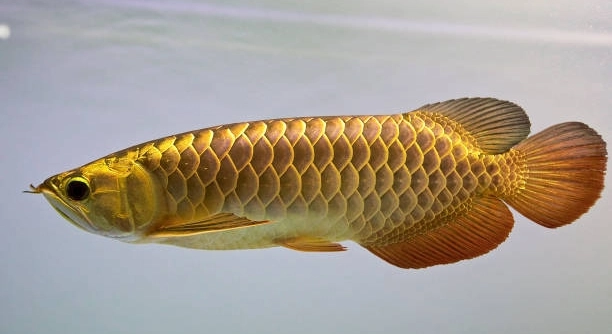
Are your Arowanas acting sluggish or shy in their tank, missing out on playful activity? Creating an environment that encourages movement and exploration is essential for their well-being and overall happiness in captivity.
Maintaining appropriate water temperature, ensuring sufficient space, providing hiding spots, using gentle filtration, incorporating natural décor, offering a balanced diet, and regular interaction are key conditions that promote playful behavior in Arowanas.
Observing these factors carefully can transform your tank into a stimulating environment that nurtures your Arowanas’ natural instincts and energetic behavior.
Spacious Tank Environment
Arowanas are naturally active and require ample room to swim freely. Keeping them in a tank that is too small can lead to stress, lethargy, and even health issues. Ideally, an adult Arowana needs a tank that is at least 250 gallons, with a length of six feet or more. This space allows them to glide effortlessly, perform natural hunting behaviors, and explore their surroundings without feeling confined. A spacious environment also reduces the risk of collisions with decorations or tank walls, which can cause injuries. Providing an open swimming area while still offering zones with hiding spots and plants creates a balance between safety and stimulation. Overcrowding the tank with other fish or excessive decorations can hinder their playful behavior and limit their energy. Observing their movements and making adjustments to the layout ensures they have room to engage in natural activity patterns comfortably and safely.
Ample space in the tank directly encourages activity, making Arowanas more playful and interactive within their environment.
A large, thoughtfully organized tank not only benefits physical health but also promotes mental stimulation. When Arowanas have room to explore, they are more likely to display natural behaviors such as chasing prey, investigating corners, and interacting with floating or submerged objects. This exploration can reduce stress, prevent boredom, and improve their overall quality of life. Balancing open swimming areas with sections that provide shelter helps mimic their natural habitats, giving them confidence to move freely while feeling secure. Regularly rearranging tank elements or introducing new, safe objects can further encourage playful engagement. Ensuring proper tank dimensions from the start also reduces the need for stressful relocations or upgrades later. Observing how your Arowanas respond to their environment provides insights into their comfort levels and activity tendencies. In essence, a spacious, well-planned tank supports both their physical vigor and lively, curious behavior, fostering a more dynamic aquatic display.
Stable Water Temperature
A consistent water temperature is crucial for keeping Arowanas active and healthy.
Arowanas thrive in temperatures between 75°F and 82°F. Sudden fluctuations can stress them, causing them to hide or become lethargic.
Maintaining stable water temperature is vital for Arowanas’ metabolism, immune system, and activity level. Temperature swings may reduce appetite and lower energy, preventing playful interactions. Using a reliable heater and thermometer helps keep the environment steady. Gradually adjusting water temperature during changes avoids shocking the fish. A consistent warm environment supports digestion, swimming behavior, and overall well-being. It also allows them to interact confidently with their tankmates and surroundings. Monitoring temperature daily ensures their comfort and promotes a lively, responsive tank. Choosing a heater with a thermostat and positioning it correctly within the tank ensures even heat distribution. This creates an ideal environment where Arowanas remain energetic, explore their habitat, and demonstrate natural, playful behaviors. Regular maintenance of temperature stability reflects directly in their activity levels and visible health.
Gentle Filtration
Using a gentle filtration system prevents strong currents that can exhaust Arowanas. They prefer smooth water flow, which allows them to swim naturally without stress or injury. Proper filtration also keeps the water clean, reducing harmful toxins and maintaining overall health.
A gentle filter ensures the water remains clear while minimizing turbulence. Strong currents can cause Arowanas to expend unnecessary energy, limiting playful behavior. Smooth water flow replicates their natural river habitats, encouraging them to glide gracefully and explore freely. Positioning the filter outlet to reduce direct force and incorporating sponge or bio-filters can soften the current. Regular maintenance prevents clogging, which can disrupt flow and affect water quality. This careful approach ensures a balanced environment where Arowanas remain active, alert, and ready to interact with their surroundings. Proper filtration supports both mental and physical activity by providing a stable, comfortable environment.
Filtration impacts oxygen levels, waste removal, and water clarity, all of which influence Arowanas’ willingness to play. Maintaining the right flow allows them to swim dynamically, engage with objects, and exhibit natural hunting behaviors without strain. A well-planned filtration setup also reduces stress and the likelihood of illness, directly supporting their overall vitality. Observing their response to flow adjustments can guide refinements, ensuring that playful behavior is consistently encouraged while keeping the tank environment safe and comfortable. A calm, well-filtered tank enhances the natural energy and curiosity of these fish.
Natural Décor
Natural décor like driftwood and plants provides hiding spots and stimulates exploration. Arowanas feel secure with shaded areas and obstacles, which encourages them to investigate and interact with the tank environment.
Adding natural elements gives Arowanas places to rest, explore, and engage in territorial behavior. Driftwood and smooth rocks mimic riverbeds, while floating plants can create surface shade. These elements reduce stress and provide mental stimulation, promoting more active and playful swimming patterns. Arranging décor thoughtfully prevents overcrowding and allows open swimming space. Observing how they interact with these elements helps adjust the layout for optimal engagement. The presence of natural décor encourages curiosity, making them more confident in moving around and exploring different tank zones, improving their overall behavior.
Natural décor also aids in water quality by supporting beneficial bacteria on surfaces and offering biofilm for occasional nibbling. Varied textures and heights create a dynamic environment, stimulating both physical movement and mental engagement. When plants are carefully selected and securely anchored, they resist uprooting and maintain a stable habitat. Introducing new, safe items periodically can renew interest, encouraging playful exploration. Properly integrated décor balances open swimming space with enrichment, ensuring Arowanas remain active, curious, and confident in their tank while reducing stress and promoting overall well-being.
Balanced Diet
Providing a varied and nutritious diet keeps Arowanas energetic and playful. Including live, frozen, and pellet foods ensures they receive essential proteins, vitamins, and minerals for growth and vitality.
Regular feeding with high-quality foods prevents nutritional deficiencies. A balanced diet supports strong muscles, clear eyes, and active swimming. Offering occasional treats like shrimp or small fish can stimulate natural hunting instincts and encourage playful interactions within the tank.
Proper Tank Lighting
Adequate lighting regulates Arowanas’ circadian rhythm and activity levels. Consistent day and night cycles help maintain energy, encouraging exploration and playfulness.
Safe Tank Mates
Selecting compatible tank mates prevents aggression and stress. Arowanas are territorial, so peaceful, non-competitive species are ideal companions.
Regular Interaction
Engaging with your Arowanas through observation and gentle activity encourages responsiveness and active behavior. Consistent interaction strengthens their comfort in the tank.
FAQ
What size tank is ideal for a playful Arowana?
A spacious tank is essential for Arowanas to move naturally. Adult Arowanas need at least 250 gallons, with a length of six feet or more. This space supports energetic swimming, exploration, and natural behaviors while reducing the risk of injury.
How important is water temperature for their activity?
Maintaining a stable temperature between 75°F and 82°F is crucial. Fluctuations can stress Arowanas, making them lethargic and less playful. Using a reliable heater and thermometer ensures the environment remains consistent, supporting metabolism, digestion, and overall vitality.
What type of filtration works best for Arowanas?
Gentle filtration is key. Strong currents can tire them quickly and reduce playful behavior. Smooth water flow replicates their natural habitats, allowing confident swimming. Regular maintenance and strategic positioning of filters prevent turbulence and maintain clean water.
Do Arowanas need natural décor in their tanks?
Yes, natural décor like driftwood, rocks, and plants provides hiding spots and stimulates exploration. These elements reduce stress and encourage natural behaviors, including investigation and territorial interactions, enhancing playful activity.
How often should they be fed?
Arowanas should be fed 1–2 times daily with a balanced diet of pellets, live, and frozen foods. Variety is important to provide complete nutrition and maintain energy levels that support active and playful behavior.
Can tank mates affect their playfulness?
Absolutely. Arowanas are territorial and can become stressed with aggressive or competitive tank mates. Choosing peaceful, non-threatening species allows them to move confidently and engage in playful interactions without fear.
Does lighting influence their behavior?
Proper lighting helps regulate circadian rhythms. Consistent day and night cycles keep Arowanas active during the day and resting at night. Adequate lighting supports exploration, feeding behavior, and overall well-being.
How can I encourage interaction with my Arowana?
Gentle, regular observation and interaction help them recognize and respond to your presence. Using feeding routines or safe enrichment activities can stimulate curiosity, leading to more active and playful behavior in the tank.
Is water quality important for activity levels?
Yes, maintaining clean water is critical. Poor water quality stresses Arowanas, reduces appetite, and limits movement. Regular water changes, testing for ammonia and nitrite levels, and proper filtration ensure a healthy environment for active swimming.
Can rearranging the tank promote playfulness?
Occasionally changing décor or adding new, safe elements can stimulate curiosity. Thoughtful rearrangements encourage exploration and engagement, keeping Arowanas mentally and physically active while preventing boredom.
How do I know if my Arowana is stressed?
Signs of stress include hiding excessively, reduced appetite, lethargy, or erratic swimming. Addressing environmental factors like tank size, water quality, and filtration flow can restore comfort and playful behavior.
Are there seasonal changes to consider for activity?
Seasonal shifts in temperature and light cycles can affect energy levels. Maintaining stable conditions with heaters and timers ensures consistent activity and encourages playful interactions year-round.
What role does diet variety play in their behavior?
Variety stimulates natural hunting instincts and prevents boredom. Alternating live, frozen, and high-quality pellet foods keeps Arowanas engaged and supports energetic, playful behavior in the tank.
How can I ensure long-term playful behavior?
Combining a spacious tank, stable temperature, gentle filtration, natural décor, balanced diet, proper lighting, compatible tank mates, and regular interaction creates an environment that continuously encourages activity and exploration, ensuring your Arowanas remain lively over time.
Final Thoughts
Maintaining a tank environment that encourages playful behavior in Arowanas requires attention to several key factors. Space is one of the most important considerations. Arowanas are large, active fish that need room to swim freely and explore their surroundings. A cramped tank can lead to stress, lethargy, and even health problems. Ensuring a tank of adequate size, ideally 250 gallons or more for adults, allows them to glide naturally, interact with their environment, and display their natural behaviors. Open swimming areas should be complemented with strategically placed décor that provides shelter and areas to investigate, creating a balanced and stimulating habitat. Proper planning in terms of layout and size will prevent injuries and reduce stress, which in turn encourages consistent playful activity.
Water quality and temperature are equally important for maintaining a healthy and active Arowana. Stable water temperature between 75°F and 82°F is necessary to regulate their metabolism and maintain energy levels. Sudden fluctuations can cause stress, leading to reduced activity or hiding behavior. Gentle filtration ensures the water remains clean without generating strong currents that could exhaust the fish. Regular water changes and monitoring for ammonia, nitrites, and pH levels are essential for creating a safe, consistent environment. Maintaining proper conditions supports both physical health and mental stimulation, which is crucial for encouraging playful swimming and natural interactions with the tank. Consistent care in these areas helps prevent disease and keeps your Arowanas comfortable, confident, and active.
Diet, lighting, and interaction also play a significant role in promoting lively behavior. A balanced diet of pellets, live, and frozen foods ensures proper nutrition, supporting energy and muscle development. Occasional treats or variety in feeding stimulate natural hunting instincts, keeping them engaged. Proper lighting establishes consistent day and night cycles, regulating circadian rhythms and supporting exploration during active periods. Introducing compatible tank mates and regular interaction, such as observing or offering enrichment activities, can also foster playful engagement. Combining all of these factors—tank space, water quality, temperature, diet, décor, lighting, and interaction—creates an environment that nurtures the Arowanas’ natural instincts, encourages mental stimulation, and promotes overall well-being. With thoughtful care and attention to these conditions, Arowanas can remain energetic, confident, and playful, offering an enjoyable and dynamic presence in any aquarium.

Hello,
If you enjoy the content that we create, please consider saying a "Thank You!" by leaving a tip.
Every little bit helps us continue crafting quality advice that supports the health, happiness, and well-being of pets around the world, for pets of all shapes, sizes, and species.
We really appreciate the kindness and support that you show us!