
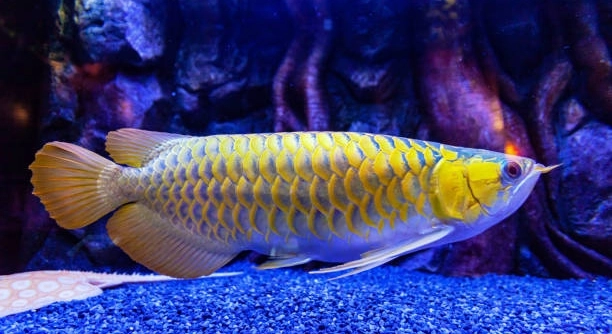
Are your Arowana seeming restless or less active than usual in their tank? Small changes in their environment can have a noticeable impact on their behavior and overall health. Upgrading the tank thoughtfully can improve their daily life.
Seven simple upgrades can significantly enhance an Arowana’s environment. Adding proper lighting, increasing swimming space, improving filtration, incorporating natural décor, and maintaining consistent water parameters help create a healthier and more stimulating habitat for these fish.
These upgrades can transform your tank into a more engaging and comfortable home for your Arowana. The following tips will guide you step by step.
Continue the blog post following the outline and format. Write in a simplistic style. Do not use a greeting. Make it feel slightly personal. Format the headers as h2 headers in Markdown formatting. Do not repeat yourself.; Outline and Format:; Header: xxxxxxxxxxxxxxxxxxx; 150 words paragraph; 50 word paragraph; 100 word paragraph; Header: xxxxxxxxxxxxxxxxxxx; 50 words paragraph; 200 words paragraph; Note: Do not use the words: “culprit”, “journey”, “scrumptious”, “enthusiast”, “friend”, “world of”. ; Note: Get straight to the point. Respect the given word count for every paragraph.
Improve Filtration
Strong filtration keeps the water clean and stable. Arowanas produce a lot of waste, so removing debris and maintaining water quality is essential for their health. Proper filtration also reduces harmful chemicals and keeps ammonia and nitrite levels low.
Choosing a high-capacity filter suitable for your tank size is important. Canister filters or sump systems are ideal because they handle larger volumes efficiently and provide mechanical, chemical, and biological filtration. Regular maintenance, including cleaning filter media and replacing worn components, ensures the system functions effectively. Proper flow rates should circulate the water without creating strong currents that exhaust the fish. Observing water clarity and fish behavior helps determine if adjustments are needed. Consistent water quality promotes strong immune systems and reduces the risk of disease, supporting long-term health and growth.
Filters work best when matched to tank size and fish activity. Combining mechanical, chemical, and biological filtration ensures water remains clean, balanced, and safe for your Arowana.
Add Natural Décor
Incorporating natural décor such as driftwood, rocks, and live plants improves the tank environment. These elements create hiding spots, reduce stress, and mimic the fish’s natural habitat.
Live plants provide oxygen and help absorb nitrates, improving overall water quality. Driftwood releases beneficial tannins that slightly lower pH and create a more comfortable environment. Rocks and branches offer perches and resting areas, allowing the Arowana to feel secure. Proper placement ensures open swimming areas remain accessible while maintaining an aesthetically pleasing layout. Avoid overcrowding the tank with too many items, as this can restrict movement and reduce the fish’s comfort. Regularly cleaning and monitoring décor prevents algae buildup and keeps the environment healthy. Observing how your Arowana interacts with the décor can guide future adjustments to better suit its preferences and behavior patterns.
Using natural décor enhances both the appearance and functionality of the tank. Driftwood, plants, and rocks support physical and mental well-being while maintaining a balanced aquatic environment.
Maintain Consistent Water Parameters
Stable water parameters are crucial for Arowana health. Sudden changes in temperature, pH, or hardness can stress the fish, weaken their immune system, and lead to disease. Regular monitoring helps prevent these issues.
Using a reliable heater, thermometer, and test kits allows you to maintain consistent conditions. Keeping temperature and pH within the recommended ranges supports natural behavior and reduces stress.
Provide a Balanced Diet
Arowanas need a varied diet to stay healthy. Feeding live, frozen, and pellet foods ensures they receive essential nutrients. Avoid overfeeding, as leftover food can pollute the tank and harm water quality.
Monitor Fish Behavior
Observing your Arowana regularly helps identify potential health issues early. Changes in activity, appetite, or swimming patterns can indicate stress or illness. Maintaining awareness allows timely interventions and ensures long-term well-being.
Keep the Tank Clean
Regular cleaning removes waste, uneaten food, and algae buildup. Consistent water changes and substrate maintenance prevent toxins from accumulating, keeping the tank safe and comfortable for your Arowana.
FAQ
How often should I change the water in my Arowana tank?
Water changes are essential to maintain a healthy environment. Generally, changing 20–30% of the tank water once a week works well. This removes waste, reduces nitrates, and keeps water parameters stable. Larger tanks may allow slightly less frequent changes, but consistency is key to avoiding stress or illness.
What is the ideal temperature for Arowanas?
Arowanas thrive in water between 75°F and 82°F. Using a reliable heater ensures the temperature remains stable. Sudden drops or spikes can cause stress, weaken the immune system, and increase susceptibility to disease. Monitoring daily with a thermometer helps maintain proper conditions.
What type of food should I feed my Arowana?
A varied diet is crucial. Live or frozen foods like shrimp, fish, and insects provide protein and stimulate natural hunting behavior. High-quality pellets ensure balanced nutrition. Feeding 1–2 times a day in small portions prevents overfeeding and reduces water contamination from leftover food.
How can I tell if my Arowana is stressed?
Signs of stress include sluggish movement, loss of appetite, clamped fins, or hiding frequently. Stress often results from poor water quality, overcrowding, or sudden environmental changes. Observing behavior closely allows early interventions, such as adjusting tank conditions or reducing disturbances.
What tank size is suitable for an Arowana?
Arowanas grow large, so a minimum tank length of 6 feet is recommended. Wider tanks allow more swimming space. Providing at least 150 gallons for a single adult ensures enough room to move freely, reduces aggression, and supports overall health.
Is it necessary to add decorations in the tank?
Yes, natural décor like driftwood, rocks, and live plants benefits Arowanas. It provides hiding spots, reduces stress, and mimics their natural habitat. Proper placement ensures open swimming areas remain accessible. Avoid overcrowding to maintain freedom of movement while enhancing the tank’s environment.
How do I maintain proper filtration?
Choose a filter rated for your tank size with mechanical, chemical, and biological filtration. Canister filters or sump systems are highly effective. Clean the filter media regularly and replace worn parts. Proper water flow prevents stagnant areas while keeping the environment safe and healthy.
Can Arowanas be kept with other fish?
Arowanas are territorial and predatory. Tankmates must be chosen carefully, ideally large and non-aggressive species. Avoid small or slow-moving fish that could become prey. Monitoring behavior is necessary, as aggression may still occur even with suitable companions.
How can I prevent algae growth?
Algae grows from excess light and nutrients. Controlling lighting duration, avoiding overfeeding, and maintaining regular water changes reduce algae. Adding live plants also competes for nutrients, keeping the tank cleaner and supporting a balanced ecosystem.
What are common health issues for Arowanas?
Arowanas are prone to swim bladder issues, bacterial infections, and parasites. Maintaining stable water parameters, a balanced diet, and clean tanks reduces risk. Early detection through behavior observation allows prompt treatment and prevents long-term problems.
How important is tank cover for Arowanas?
Tank covers are essential. Arowanas are strong jumpers and can easily escape. A secure lid prevents injuries or loss while maintaining a controlled environment. Ensure ventilation is adequate to support proper gas exchange.
How do I handle an Arowana safely?
Handling should be minimal. Use soft nets if necessary and avoid sudden movements. Reducing stress during maintenance or transfer helps maintain health and prevents injuries. Observing responses during interactions ensures safe care practices.
What role do live plants play in the tank?
Live plants provide oxygen, absorb nitrates, and create shaded areas that reduce stress. They also offer a natural look and can subtly influence water chemistry, creating a more comfortable environment that supports natural behavior and well-being.
How can I monitor water quality effectively?
Regular testing of ammonia, nitrite, nitrate, and pH levels ensures water is safe. Using kits and keeping a log allows detection of trends and prevents sudden changes. Maintaining consistent parameters supports fish health and longevity.
Can I use artificial décor instead of natural elements?
Artificial décor is acceptable but may lack the benefits of live plants or driftwood. It can still provide hiding spots and visual interest. Ensuring it is non-toxic and does not have sharp edges is crucial for safety.
How often should I feed my Arowana?
Feeding 1–2 times daily in small portions works best. Overfeeding leads to water pollution and obesity, while underfeeding affects growth and activity. Observing how quickly food is consumed ensures proper portion control and nutritional balance.
What is the best way to acclimate a new Arowana?
Float the bag in the tank for 15–20 minutes to equalize temperature, then gradually mix tank water into the bag before releasing the fish. Slow acclimation reduces stress and helps the fish adjust to its new environment safely.
How do I prevent fin damage?
Sharp décor, aggressive tankmates, or poor water quality can cause fin damage. Smooth surfaces, adequate space, and regular water maintenance reduce risk. Monitoring behavior and injuries ensures prompt intervention to avoid infections.
Can Arowanas tolerate slight changes in water pH?
Small fluctuations are usually manageable, but stable pH is preferred. Sudden shifts stress the fish and can trigger health issues. Gradual adjustments are safer when corrections are necessary. Consistent testing and buffering prevent harmful swings.
How important is daily observation?
Daily observation allows early detection of stress, illness, or behavioral changes. Noticing subtle signs ensures timely adjustments in feeding, water maintenance, or environment, supporting the Arowana’s long-term health and well-being.
What lighting schedule works best?
A 10–12 hour light cycle simulates natural day and night. Using timers maintains consistency, reduces stress, and encourages normal activity. Balancing shaded areas with brighter spots creates a comfortable environment that promotes natural behavior.
How can I reduce jumping incidents?
Secure lids, stable décor, and minimal disturbances reduce jumping. Proper tank size and open swimming space allow natural movement without triggering escape behavior. Observing patterns helps identify potential stressors.
Are there any supplements Arowanas need?
Occasional vitamin or mineral supplements can support health, especially for captive-bred fish. Over-supplementation is harmful. Providing a balanced diet with varied protein sources usually meets nutritional needs without additional supplements.
What are signs of a healthy Arowana?
Bright coloration, smooth swimming, active feeding, and responsive behavior indicate good health. Clear eyes, intact fins, and consistent growth further confirm well-being. Regular observation helps ensure the fish remains healthy and thriving.
How do I control tank odors?
Regular water changes, cleaning substrate, and proper filtration prevent foul smells. Avoid overfeeding and remove uneaten food promptly. Maintaining biological balance keeps the tank fresh and safe for your Arowana.
Can water hardness affect Arowanas?
Yes, extremely hard or soft water can stress the fish. Moderate hardness that mimics natural habitats is ideal. Adjustments should be gradual, and regular testing ensures stable and suitable conditions for health and growth.
Is it okay to keep only one Arowana?
Yes, a single Arowana often does best. They are territorial, and solo housing prevents aggression. If adding tankmates, choose carefully and ensure sufficient space to minimize stress.
How do I prevent infections?
Maintaining clean water, balanced nutrition, and minimal stress reduces the risk of bacterial, fungal, and parasitic infections. Prompt treatment of minor injuries prevents complications and supports long-term health.
What tank shape is best for Arowanas?
Long, rectangular tanks are ideal. They provide ample swimming space, reduce aggression, and allow for better tank layout. Height is less critical than length and width for comfortable movement.
How important is aeration in the tank?
Aeration ensures oxygen levels remain high, especially in densely stocked or heavily filtered tanks. Proper circulation and surface agitation prevent stagnation and support fish respiration.
Can I use tap water directly for my Arowana?
No, tap water should be treated with a water conditioner to remove chlorine and chloramines. Testing ensures safe parameters before introducing the fish, protecting it from chemical stress.
How often should I inspect filter media?
Check weekly for clogs or debris. Rinse mechanical media in tank water to avoid killing beneficial bacteria. Replacing worn chemical media maintains effectiveness. Proper maintenance ensures consistent filtration and water quality.
Is it necessary to quarantine new fish?
Yes, quarantining for 2–4 weeks helps prevent disease introduction. Observing for signs of illness before adding new fish protects existing tank inhabitants and preserves overall tank health.
How do I prevent aggression toward tankmates?
Provide adequate space, hiding spots, and monitor behavior. Avoid small, slow-moving, or aggressive fish. Separating fish when needed prevents injuries and reduces stress, ensuring a peaceful environment.
Can lighting affect algae growth?
Yes, excessive light promotes algae. Controlling duration and intensity, combined with proper water maintenance and live plants, reduces growth and maintains a balanced, healthy tank environment.
What are the signs of overfeeding?
Leftover food, cloudy water, sluggish behavior, and weight gain indicate overfeeding. Adjust portion sizes and feeding frequency to prevent water pollution and maintain Arowana health.
How do I handle a sick Arowana?
Isolate the fish in a hospital tank, maintain optimal water conditions, and follow treatment guidelines. Early intervention improves recovery chances and prevents disease spread in the main tank.
Can Arowanas tolerate different water temperatures?
They tolerate minor fluctuations but prefer stable conditions. Sudden changes can stress the fish, so monitoring and gradual adjustments are important for long-term health.
What should I do if my Arowana refuses food?
Check water quality, temperature, and stress factors. Offering live or varied foods can stimulate appetite. Prolonged refusal may indicate illness, requiring observation and possible treatment.
How often should I clean the substrate?
Vacuuming the substrate during water changes removes debris and prevents harmful buildup. Regular cleaning supports water quality and keeps the tank environment safe and comfortable.
Are there signs of aging in Arowanas?
Slower movement, changes in coloration, and reduced appetite are common with age. Maintaining proper care, diet, and water quality helps extend lifespan and ensures quality of life.
How do I choose compatible tankmates?
Select large, robust fish that do not trigger aggression or become prey. Monitor interactions and provide adequate space and hiding spots to reduce conflict and stress.
Is it necessary to test water daily?
Daily testing is not required for established tanks. Weekly checks of ammonia, nitrite, nitrate, and pH are sufficient. Increased testing is helpful after changes, new fish, or suspected issues.
How can I improve Arowana coloration?
A balanced diet, proper lighting, and stable water conditions enhance natural colors. High-quality pellets and occasional live foods contribute to vibrancy and overall health.
What should I do if my Arowana jumps frequently?
Check for open areas, stressors, or poor tank conditions. Secure lids, provide hiding spots, and reduce disturbances to prevent injuries.
Can water flow affect swimming behavior?
Yes, strong currents can exhaust Arowanas. Moderate, even flow encourages natural swimming while reducing stress and supporting exercise without overexertion.
How do I handle tank emergencies?
Have spare equipment, backup power, and water conditioners available. Quick action during equipment failure or water issues prevents stress, injury, or death, protecting your Arowana.
Is tank lighting only for visibility?
No, lighting affects behavior, coloration, and biological rhythms. Proper light intensity and duration support natural activity patterns and overall well-being.
Can decorations cause injuries?
Yes, sharp edges or unstable structures can harm fins and scales. Smooth, well-placed décor reduces the risk of injuries while providing enrichment.
How do I prevent disease in a new tank setup?
Cycle the tank before adding fish to establish beneficial bacteria. Maintaining proper filtration, temperature, and water parameters prevents infections and creates a safe environment.
What is the best water pH range for Arowanas?
A pH of 6.5–7.5 is ideal. Keeping it stable prevents stress and supports overall health. Regular testing ensures the tank remains within safe limits.
How do I prevent tank overpopulation?
Limit the number of fish to match tank size. Overcrowding causes stress, aggression, and poor water quality, negatively impacting Arowana health.
Are there specific signs of parasite infestation?
Scratching, clamped fins, white spots, or unusual swimming indicate parasites. Prompt diagnosis and treatment prevent severe health issues and tank contamination.
How do I reduce water evaporation?
Use a secure lid, maintain stable temperature, and monitor water levels. Regular topping off prevents stress from fluctuating water conditions.
Can water conditioners affect Arowanas?
Properly used, water conditioners remove harmful chemicals without harming fish. Overuse or incorrect dosing can be dangerous, so follow instructions carefully.
How often should I inspect my Arowana for injuries?
Daily visual checks help detect scratches, fin damage, or scale loss early. Prompt attention prevents infections and supports long-term health.
Is it safe to keep multiple Arowanas together?
Only in very large tanks with adequate space. Even then, aggression may occur. Careful monitoring and hiding spots help reduce conflicts.
How important is tank location in a room?
A stable, quiet area reduces stress. Avoid direct sunlight, drafts, and high-traffic spots to maintain consistent temperature and calm conditions.
What is the best way to treat fin rot?
Isolate the fish, maintain clean water, and use antibacterial treatments as needed. Monitoring recovery and adjusting care prevents recurrence.
Can Arowanas live in brackish water?
Some species tolerate slightly brackish conditions, but most thrive in freshwater. Gradual acclimation is necessary if water salinity is adjusted.
How can I reduce stress during maintenance?
Move the fish minimally, keep handling gentle, and maintain stable water conditions. Preparing equipment beforehand shortens disruptions and reduces anxiety.
How do I identify swim bladder issues?
Difficulty maintaining position, floating upside down, or struggling to swim indicates problems. Adjust diet, water quality, or consult treatment options promptly.
Can Arowanas coexist with turtles?
Generally not recommended. Turtles can be aggressive or disturb water quality. Conflicts and injuries are common, so separation is safer.
How do I manage aggressive behavior?
Provide adequate space, hiding spots, and monitor interactions. Separating fish if needed reduces injuries and maintains a peaceful tank environment.
Are supplements necessary for color enhancement?
Balanced diets typically meet nutritional needs. Occasional color-enhancing supplements are optional but should not replace a varied diet.
How do I prevent tail biting?
Avoid stress, overcrowding, and aggressive tankmates. Smooth décor and regular observation help prevent fin or tail damage.
Can Arowanas tolerate tap water with chlorine?
No, chlorine is harmful. Use water conditioners to neutralize chemicals before adding water to the tank.
What are the signs of malnutrition?
Weight loss, dull coloration, poor growth, and lethargy indicate dietary deficiencies. Adjusting food type and portions restores health.
How can I encourage natural hunting behavior?
Offering live or moving foods stimulates activity and mimics natural feeding. Rotating food types supports mental and physical health.
Is it necessary to adjust lighting for seasonal changes?
Consistency is more important than season. Maintaining regular light cycles ensures stability and prevents stress, regardless of outside conditions.
How do I maintain oxygen levels in a heavily stocked tank?
Use air stones, surface agitation, and adequate filtration. Proper circulation ensures dissolved oxygen remains sufficient for all fish.
Can sudden tank rearrangements stress Arowanas?
Yes, abrupt changes can cause anxiety. Move décor gradually and monitor behavior to maintain comfort and security.
What precautions should I take during power outages?
Keep backup aeration, heaters, and battery-powered equipment ready. Minimizing disruptions prevents stress and protects the fish from harmful water conditions.
How do I safely remove algae?
Scrape surfaces gently with safe tools, remove excess manually, and maintain water quality. Avoid harsh chemicals that could harm the fish.
Are there specific water hardness levels preferred by Arowanas?
Moderate hardness is ideal. Extreme soft or hard water can stress the fish. Regular testing and gradual adjustments keep conditions suitable.
How do I reduce nitrate levels?
Regular water changes, live plants, and proper filtration help manage nitrate buildup. Monitoring levels ensures water remains safe and healthy.
Can stress affect Arowana coloration?
Yes, stressed fish may appear dull. Stable conditions, proper diet, and minimal disturbances help maintain vibrant colors.
How do I prevent bacterial infections?
Clean water, balanced nutrition, minimal stress, and quarantine for new fish reduce bacterial risks. Early detection and treatment are essential for recovery.
What is the best way to acclimate water chemistry differences?
Mix tank water gradually with new water over 15–30 minutes. This prevents shock from pH, hardness, or temperature differences.
How do I identify swim bladder disease?
Floating, sinking, or tilting while swimming indicates issues. Adjust diet, monitor water conditions, and seek treatment if needed.
Are tankmates necessary for Arowanas?
Not required. They can thrive alone if provided adequate space, stimulation, and care.
How do I prevent sudden illness?
Consistent water quality, diet, and observation reduce risk. Prompt attention to changes in behavior or appetite prevents escalation.
What signs indicate proper growth?
Steady size increase, strong swimming, vibrant coloration, and good appetite reflect healthy development. Regular measurements track progress.
How important is water circulation?
Proper flow prevents stagnant areas, supports oxygenation, and maintains even temperature. Balanced circulation ensures a comfortable environment.
Can Arowanas survive without live plants?
Yes, but live plants offer benefits like oxygenation, nitrate absorption, and hiding spots. Artificial décor can substitute if plants are not feasible.
How do I know if my filter is working efficiently?
Clear water, stable parameters, and healthy fish indicate proper function. Regular cleaning and observation ensure long-term efficiency.
What is the best substrate for an Arowana tank?
Sand or smooth gravel works well. It supports décor placement, reduces injury risk, and is easy to clean. Avoid sharp or rough materials.
How often should I check ammonia levels?
Weekly checks suffice for established tanks. More frequent testing is necessary after changes or if fish show signs of stress.
Can overcrowding cause disease?
Yes, limited space increases stress, weakens immunity, and accelerates disease spread. Adequate tank size prevents these issues.
Caring for an Arowana requires attention to both its environment and daily needs. Maintaining stable water conditions, proper filtration, and adequate tank size ensures the fish can swim comfortably and stay healthy. Regular monitoring of water parameters, temperature, and cleanliness is essential. Consistent care reduces stress and prevents illness, allowing your Arowana to thrive over time. Paying attention to small details, such as lighting and décor placement, makes a noticeable difference in behavior and activity. Ensuring your tank provides both open swimming areas and hiding spots helps the fish feel secure while maintaining a stimulating environment. A well-maintained tank is not only beneficial for the fish’s health but also improves the overall aesthetic of the setup, making it more enjoyable to observe.
Feeding your Arowana correctly is equally important. Offering a balanced diet that includes pellets, frozen foods, and occasional live foods meets nutritional needs and encourages natural hunting behaviors. Avoid overfeeding, as excess food can pollute the water and lead to health problems. Observing your Arowana during feeding times allows you to adjust portions and identify any changes in appetite or behavior that may signal health issues. Variety in diet supports growth, coloration, and overall well-being. Along with proper nutrition, daily observation of the fish provides insight into its condition and environment. Noticing subtle changes early enables timely interventions, whether adjusting water parameters, modifying feeding routines, or addressing minor health concerns. Keeping a close eye on your fish’s behavior ensures that potential problems do not escalate and supports long-term health.
Upgrading a tank thoughtfully improves both the fish’s quality of life and the overall tank environment. Simple changes, such as adding natural décor, improving filtration, or increasing swimming space, have meaningful effects on behavior and health. Maintaining consistency in water parameters, lighting, and temperature reduces stress and encourages natural activity. Arowanas benefit from stable and stimulating surroundings, and small improvements can lead to more vibrant coloration and active swimming patterns. Careful attention to tank setup, diet, and daily observation creates a balanced environment that supports the fish physically and mentally. Long-term commitment to proper care, routine maintenance, and thoughtful upgrades ensures your Arowana remains healthy, comfortable, and visually striking. By focusing on these elements, you create a safe and enriching habitat that allows your fish to thrive naturally.

Hello,
If you enjoy the content that we create, please consider saying a "Thank You!" by leaving a tip.
Every little bit helps us continue crafting quality advice that supports the health, happiness, and well-being of pets around the world, for pets of all shapes, sizes, and species.
We really appreciate the kindness and support that you show us!