
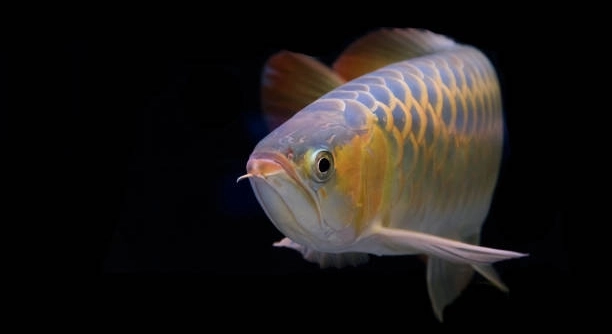
Are your arowana acting stressed or hiding more than usual since installing the new filter? Many fish owners notice sudden changes in behavior when their tank environment is altered unexpectedly.
Arowanas often react negatively to new filters due to sudden changes in water flow, noise, and chemical balance. These factors can create stress, discomfort, and avoidance behaviors, directly impacting the fish’s health and overall well-being in its habitat.
Understanding the specific reasons behind your arowana’s reaction will help you adjust the setup effectively and restore a calm, healthy environment for your fish.
Strong Water Flow
Arowanas are accustomed to specific water currents, and a new filter can suddenly change the flow in the tank. Strong currents can make swimming exhausting, causing the fish to hide or avoid certain areas. If your arowana struggles to navigate the water, it may stay at the bottom or cling near decorations. Even small changes in flow direction can confuse them, affecting their natural swimming patterns. It’s important to observe how your fish interacts with the new current. Adjusting the filter’s flow rate or adding baffles can reduce stress. Arowanas rely on consistent water conditions to feel secure. Sudden turbulence can also lead to physical injuries or fin damage if the fish repeatedly bumps into tank walls. Over time, gradual acclimation to a stronger flow may be possible, but immediate stress can be harmful. Monitoring behavior closely is essential for maintaining a stable and comfortable environment.
Strong water flow can make your arowana avoid parts of the tank, creating stress and reduced activity.
Reducing the flow gradually allows the fish to adapt more comfortably. You can position the filter output away from open swimming areas or use flow diffusers to create gentler currents. Observing the fish for a few hours after changes is crucial to ensure it is exploring the tank normally. If aggression or frantic movements persist, the flow may still be too strong, and further adjustments will be necessary. Consistent monitoring helps prevent long-term stress and promotes healthy swimming habits. Over time, minor modifications can restore balance without causing sudden environmental shocks.
Filter Noise
Even low-level filter noise can disturb arowanas, who are sensitive to vibrations and sounds in their environment. They may start hiding more or refuse to eat if the noise is constant. A new filter can introduce unfamiliar hums, clicks, or water movement sounds that unsettle your fish. Placing the filter in a different position or using sound-dampening pads can help reduce the disturbance. Over time, many arowanas may get used to quieter machines, but loud or erratic noises can lead to ongoing stress. It’s important to check not only the external sound but also vibrations transmitted through the tank’s glass or water. Keeping the tank in a low-traffic area can further reduce stress from external noise sources.
Noise from a new filter can disrupt normal behavior and feeding patterns.
To minimize noise, ensure the filter is securely mounted and free from loose parts. Consider using sponge pre-filters to reduce turbulence sounds. Arowanas may gradually tolerate quieter filters, but consistent exposure to loud or uneven vibrations can lead to chronic stress. Regular maintenance ensures the filter operates smoothly, preventing sudden changes in sound. Selecting equipment designed for silent operation and positioning it thoughtfully in the tank are key steps. Over time, these adjustments create a calmer environment, encouraging natural behavior and regular feeding. Monitoring for signs of discomfort, such as erratic swimming or hiding, is essential. Small modifications can have a big impact, restoring comfort and well-being for your arowana.
Chemical Imbalance
New filters can release residues or disturb the chemical balance of your tank. Sudden changes in pH, ammonia, or nitrates can make your arowana uncomfortable, causing stress and unusual behavior.
Testing water parameters after installing a new filter is essential. Even small deviations can trigger hiding, reduced appetite, or aggression. Some filters leach chemicals during the first few days, and this can be harmful if not monitored. Using water conditioners and gradually introducing the filter helps maintain stable conditions. Monitoring weekly ensures any shifts are detected early, preventing long-term health problems. Adjustments in filtration or water changes can correct imbalances, keeping your arowana active and calm.
Stabilizing chemical levels allows your arowana to regain normal activity. Consistent water quality is crucial for long-term health and comfort in its environment.
Incorrect Filter Size
A filter that is too small may fail to clean the water adequately, while an oversized filter can create strong currents or excess noise. Both situations can upset your arowana.
When the filter does not match the tank size, debris and toxins accumulate faster than the filter can manage. Overpowered filters generate stronger currents than the fish can handle, causing stress and fatigue. Observing your arowana’s behavior is key; if it avoids certain areas or seems restless, flow and filtration may be mismatched. Selecting a filter appropriate for tank volume ensures proper water circulation and clarity without overwhelming your fish. Adjusting or replacing the filter as needed prevents prolonged stress and helps maintain a healthy aquatic environment.
Proper filter sizing is essential for balanced water quality and comfortable swimming. Monitoring the tank ensures your arowana thrives in a stable environment.
Improper Placement
Placing the filter in a spot that disrupts swimming patterns can stress your arowana. The fish may avoid areas where the flow is too strong or where turbulence is concentrated.
Filters too close to decorations or the tank’s surface can create uneven currents. Adjusting placement ensures smoother water movement and more accessible resting spots, helping the fish feel secure.
Sharp Water Currents
Strong, focused water currents from the filter can make swimming difficult. Arowanas may struggle to maintain position, leading to exhaustion or avoidance of certain tank areas.
Using diffusers or redirecting the flow softens the current, providing calmer zones for your fish. This encourages normal swimming and reduces stress over time, supporting overall well-being.
Air Bubbles
Excessive air bubbles from the filter can bother arowanas. Constant rising bubbles may frighten the fish or interfere with swimming, making them hide more frequently.
Managing bubble output by adjusting the filter or using a sponge pre-filter reduces disturbance, allowing the fish to swim naturally and stay relaxed.
Why is my arowana hiding after I installed a new filter?
Your arowana is likely stressed by changes in its environment. A new filter can alter water flow, create unfamiliar currents, or introduce noise that makes the fish feel unsafe. Arowanas are sensitive to sudden changes, and hiding is a natural response to protect themselves from perceived threats.
Adjusting the filter’s flow or placement and providing calm zones in the tank can help the fish regain confidence. Make sure water parameters remain stable, as fluctuations in pH or chemical balance can also increase hiding behavior. Gradual acclimation to the new filter often reduces stress over time.
Could the new filter be too strong for my arowana?
Yes, an overpowered filter can create currents that are too strong for your fish. Arowanas prefer moderate, consistent water flow and can become exhausted or stressed if forced to swim against a strong stream.
Observe where your fish tends to stay in the tank. If it avoids certain areas or struggles to maintain position, the flow may be too intense. Using flow diffusers, adjusting the filter output, or changing its placement can reduce turbulence and make the environment more comfortable. Proper flow encourages natural swimming and prevents fatigue or injury.
Can the new filter affect water quality negatively?
Absolutely. Some filters can temporarily release residues, disturb established bacteria, or fail to clean the water efficiently. Changes in ammonia, nitrite, or nitrate levels can stress your arowana, leading to hiding, reduced appetite, or abnormal swimming patterns.
Regularly test water parameters after installing a new filter. Using water conditioners or performing small, frequent water changes can stabilize the environment. Maintaining proper filtration and tank hygiene ensures your arowana remains healthy. Selecting a filter suitable for your tank size is essential to avoid chemical imbalance or inadequate filtration.
Why is my arowana refusing to eat after a new filter installation?
Refusal to eat is usually a sign of stress. Loud noise, strong currents, or sudden chemical changes can make your arowana uncomfortable. Stress can temporarily suppress appetite until the fish feels secure again.
Monitoring feeding behavior and minimizing stress factors is important. Adjust filter placement, reduce noise, and ensure water quality is stable. Offering familiar food in calm areas can encourage feeding. Gradual adjustments allow the arowana to adapt to the new setup, restoring normal appetite and activity levels.
How long does it take for an arowana to adjust to a new filter?
Adjustment time varies depending on the fish and the degree of environmental change. Some arowanas may acclimate within a few days, while others may take several weeks to feel comfortable.
Consistency in water quality, gentle currents, and a stable environment accelerates adaptation. Observing behavior, providing calm swimming zones, and minimizing disturbances help the fish regain normal activity. Gradual introduction of changes rather than abrupt shifts supports smoother adaptation and reduces prolonged stress.
What steps can I take to make my arowana comfortable with a new filter?
First, ensure the filter is appropriate for your tank size. Adjust flow rates to avoid strong currents. Place the filter where it won’t interfere with swimming patterns and add flow diffusers if necessary. Monitor noise levels and vibrations, using pads or repositioning the filter to reduce disturbance.
Next, check water parameters regularly. Stabilize pH, ammonia, and nitrate levels with conditioners or partial water changes. Observe your arowana’s behavior, including hiding, appetite, and activity. Gradual adjustments allow the fish to acclimate safely. Providing resting spots with decorations or calm areas helps the fish feel secure while getting used to the new filter.
Are certain types of filters better for arowanas?
Yes, filters that provide steady, moderate flow and minimal noise are best. Canister filters or sponge filters often work well because they maintain good water quality without overwhelming currents or vibrations. Avoid filters that produce excessive turbulence, loud humming, or high bubble output, as these factors can increase stress.
Choosing a filter designed for large, slow-moving fish helps create a stable, calm environment. Regular maintenance and careful placement ensure the filter works effectively without negatively impacting your arowana’s behavior or health. A quiet, consistent setup encourages normal swimming, feeding, and interaction with the tank.
Can I keep the new filter if my arowana seems stressed?
Yes, with adjustments. Gradually reducing flow, minimizing noise, and monitoring water quality can make the filter compatible with your fish. Avoid abrupt removal, which can disrupt the tank’s established balance.
Observation is key. Ensure your arowana has calm areas to rest and access to food. Over time, the fish often adapts to gentle, well-maintained filters. Patience and consistent monitoring are essential to prevent prolonged stress while maintaining proper filtration.
Installing a new filter can seem simple, but for an arowana, it can change the tank environment in ways you might not notice right away. Fish are very sensitive to water movement, noise, and chemical changes. Even small differences in flow or placement can cause stress, hiding, or changes in eating habits. Paying attention to these details helps you understand why your arowana reacts negatively to a new filter. Observing behavior closely during the first few days after installation is crucial. Signs of stress, such as hiding, erratic swimming, or refusing food, are signals that adjustments are needed. Making minor modifications early can prevent long-term health issues and ensure your fish stays comfortable. The goal is to balance proper filtration with the natural behavior and needs of your arowana.
Filters are not all the same, and the type, size, and strength of the filter matter greatly for arowanas. Overpowered filters can create strong currents that make swimming exhausting, while underpowered filters may not remove waste effectively, leading to water quality problems. Noise and vibrations from the filter can also disturb the fish, even if the water flow is appropriate. Careful placement and, if needed, using diffusers or baffles can reduce turbulence and improve comfort. It is also important to maintain stable chemical levels in the tank. Sudden changes in pH, ammonia, or nitrates can increase stress and cause unusual behavior. Monitoring water regularly and making small, gradual adjustments is the best way to help your arowana adapt. Simple steps, such as repositioning the filter or reducing flow, can make a big difference in how your fish interacts with the tank.
Patience and careful observation are key when helping your arowana adjust to a new filter. Every fish has its own tolerance to changes, and some may take longer to feel comfortable. Providing calm areas in the tank, keeping feeding routines consistent, and reducing sudden disturbances all contribute to a stable environment. Over time, most arowanas will adapt to the new setup if changes are introduced thoughtfully. Maintaining proper filtration, minimizing stress factors, and keeping water quality consistent ensures the fish remains healthy and active. Understanding your arowana’s behavior and responding to its needs is essential for long-term success. By combining observation, careful adjustments, and consistent care, you can create a tank where your arowana feels safe and thrives.

Hello,
If you enjoy the content that we create, please consider saying a "Thank You!" by leaving a tip.
Every little bit helps us continue crafting quality advice that supports the health, happiness, and well-being of pets around the world, for pets of all shapes, sizes, and species.
We really appreciate the kindness and support that you show us!