
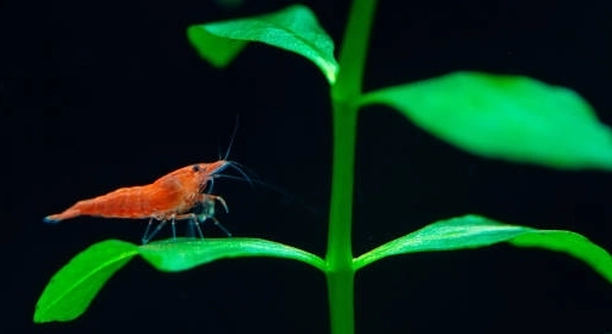
Do you ever notice your shrimp hiding all day, leaving your tank feeling empty and quiet? Many shrimp owners face this problem without realizing small mistakes in care can make them shy and reclusive in their habitat.
Shrimp tend to hide due to improper water conditions, insufficient hiding spots, or stress from tank mates. Ensuring stable water parameters, gentle lighting, and adequate cover can significantly reduce hiding behavior and promote natural, active movement throughout the tank.
Learning the common errors that push shrimp into hiding will help you create a more comfortable, inviting environment for them to thrive in every day.
Poor Water Quality
Shrimp are very sensitive to water conditions. If the water in your tank is dirty or fluctuates too often, they will retreat to hiding spots. High ammonia, nitrite, or nitrate levels can stress shrimp, making them stay hidden almost all day. Even slight changes in pH or temperature can make them uncomfortable. Filtration helps, but it is important to monitor the water regularly and do partial water changes. Keeping water parameters stable ensures shrimp feel safe and active. Many beginners overlook water testing or rely only on visual cues. Consistent observation is key, as shrimp often hide before showing signs of illness. Besides chemical parameters, physical factors like leftover food and debris on the tank bottom can worsen water quality. Cleaning the substrate and using a gentle siphon during water changes can prevent buildup. Providing a clean, stable environment allows shrimp to explore and feed openly. Over time, they will become more visible and interactive within the tank space.
Regular testing and small water changes are essential to maintain stable, clean conditions that encourage shrimp to be active and visible.
Maintaining proper water quality is more than just cleaning; it requires attention to detail. Using reliable test kits to check ammonia, nitrite, nitrate, and pH helps track any subtle changes. Even small shifts can stress shrimp. Temperature control is equally important, as sudden drops or rises can push shrimp into hiding. A stable filter flow prevents debris buildup without creating strong currents that scare them. Light filtration and hiding areas like plants or moss balance safety and exploration. Overfeeding can also pollute water, so feed small amounts and remove uneaten food. Observing shrimp behavior daily can signal issues before they escalate. Stress reduction from stable water conditions improves molting and reproduction. Providing a calm, clean environment supports both their health and visibility, allowing you to enjoy their natural behavior without constant worry. Consistency is key to keeping shrimp comfortable and active.
Lack of Hiding Places
Shrimp feel vulnerable without safe spots to retreat. They need shelters like plants, moss, and caves to reduce stress.
Without enough hiding spots, shrimp may constantly stay under leaves or decorations, rarely coming out to feed or interact. A bare tank increases anxiety, making them shy. Adding live plants, driftwood, or small ornaments gives them choice areas to feel secure while gradually exploring. Dense foliage near feeding areas allows shrimp to venture out safely while remaining close to cover. Over time, these shelters help build confidence, encouraging more visible, natural behavior.
Providing multiple types of hiding spaces prevents overcrowding and competition, especially in larger groups. Shrimp can choose the right spot depending on their mood or molting needs. Live plants also improve water quality, creating a dual benefit. Open areas between hiding spots encourage gentle exploration while still offering quick retreats. Variety in height, texture, and density ensures shrimp of all sizes feel safe. Even small additions, like moss balls or ceramic tubes, can transform their comfort level. By balancing shelter and open space, you promote healthier, more active shrimp that spend less time hidden, making tank observation more rewarding.
Overcrowded Tank
Too many shrimp in a small tank cause stress. Limited space makes them hide more and reduces comfort for everyone.
Overcrowding leads to competition for food, hiding spots, and oxygen. Shrimp may stay under plants or decorations to avoid encounters. Over time, constant stress weakens their immune system, making them more prone to illness. Proper stocking density ensures that each shrimp has enough space to explore and feed comfortably. A general rule is one shrimp per two liters of water, but this depends on tank setup and filtration. Observing behavior helps determine if the tank is too full.
Overcrowding can also affect molting. Shrimp need space and quiet to shed their exoskeleton safely. When the tank is crowded, molting shrimp may hide excessively or struggle, increasing the risk of injury or death. Stress from too many tank mates slows growth and reduces activity levels. Adding decorations and plants helps, but it cannot fully compensate for limited space. Reducing population or moving shrimp to a larger tank can restore balance, allowing them to feel secure and active again.
Improper Lighting
Bright or harsh lighting can scare shrimp and make them retreat. Low or diffused light helps them feel safe.
Strong lighting causes shrimp to hide under plants, rocks, or decorations. They prefer gentle, indirect lighting that mimics natural conditions. Providing shaded areas allows them to move freely without feeling threatened. Consistent day-night cycles reduce stress and encourage regular activity.
Lighting also affects algae growth, which is a natural food source for shrimp. Too much light can promote excessive algae, creating competition and reducing water quality. Sudden changes in light can startle them, so gradual adjustments are better. Using floating plants or moss creates natural shaded spots, balancing visibility and shelter. Shrimp often feel more confident when they can see shadows and retreat points, improving feeding behavior and social interactions. Proper lighting management supports both health and comfort.
Sudden Changes in Environment
Shrimp are sensitive to rapid changes in temperature or water chemistry. Sudden shifts make them hide and stop feeding.
Even small disturbances like moving decorations or adding new tank mates can stress them. Gradual adjustments help shrimp feel safe and maintain normal behavior.
Aggressive Tank Mates
Some fish or invertebrates intimidate shrimp, forcing them to hide constantly. Predatory or overly active tank mates increase stress.
Keeping shrimp with peaceful species reduces hiding behavior. Avoid mixing them with larger, fast-moving fish that chase or nip. Sheltered areas become essential when other inhabitants are present.
Overfeeding
Excess food can pollute the tank and stress shrimp. Uneaten leftovers degrade water quality quickly.
Moderate feeding ensures shrimp have enough to eat without affecting water chemistry. Small portions prevent buildup, keeping the tank clean and shrimp active.
Why do my shrimp hide all day even in a clean tank?
Even in a clean tank, shrimp may hide due to stress, insufficient hiding spots, or sudden changes in their environment. Shrimp are naturally cautious creatures, and minor disturbances like moving decorations, new tank mates, or sudden lighting changes can make them retreat. Some species are inherently more timid than others, preferring to spend more time under plants or in shaded areas. Monitoring their behavior and making small adjustments can help them feel safer and more confident in exploring the tank.
How can I encourage my shrimp to come out more often?
Creating a comfortable and predictable environment is key. Ensure water parameters are stable, with regular testing for ammonia, nitrite, nitrate, pH, and temperature. Add plenty of hiding spots using live plants, moss, driftwood, or small ornaments to reduce stress. Gradual lighting adjustments and a calm feeding routine help shrimp feel secure. Avoid overcrowding and choose peaceful tank mates. Over time, shrimp will begin to explore more when they feel safe and can retreat if needed.
Is it normal for shrimp to hide after molting?
Yes, hiding after molting is completely normal. During and after a molt, shrimp are vulnerable because their new exoskeleton is soft and fragile. They instinctively retreat to safe areas to avoid predation or accidental injury. Providing plenty of shelters and gentle tank conditions ensures they can complete molting safely and regain confidence to return to open areas once fully hardened.
Can lighting affect shrimp behavior?
Lighting has a direct effect on shrimp activity. Bright or harsh lighting can cause shrimp to hide, while low or diffused light encourages movement and exploration. Using floating plants or moss creates shaded zones where shrimp feel secure. Consistent day-night cycles reduce stress and support natural activity patterns, feeding behavior, and overall health.
Does tank size influence hiding behavior?
Yes, tank size can impact shrimp comfort. Overcrowded tanks increase stress, competition for food, and lack of personal space, prompting shrimp to hide. Maintaining proper stocking density and providing adequate shelter helps reduce anxiety. Each shrimp needs enough space to feed, molt, and move freely. A larger, well-planted tank encourages exploration and visible activity.
How important are tank mates for shrimp visibility?
Tank mates play a significant role in shrimp behavior. Aggressive or fast-moving fish can intimidate shrimp, forcing them to hide constantly. Peaceful, slow-moving species are more suitable companions. Providing safe zones and observing interactions helps ensure shrimp are not stressed and remain active throughout the tank.
Does overfeeding make shrimp hide more?
Overfeeding can negatively affect shrimp behavior indirectly. Uneaten food decomposes, polluting the water and increasing stress. Poor water quality encourages hiding. Feeding small portions regularly, removing leftovers promptly, and keeping the tank clean help maintain water quality and encourage shrimp to be active and visible.
What should I do if my shrimp never come out?
If shrimp consistently hide, check water quality, tank conditions, and tank mates. Ensure adequate hiding spaces and stable parameters. Gradually adjust lighting and feeding schedules to encourage comfort. Persistent hiding may indicate stress, illness, or an unsuitable environment. Careful observation and consistent care usually improve shrimp activity and visibility.
Are some shrimp naturally more shy than others?
Yes, species differences affect behavior. Some shrimp are naturally timid and prefer hiding, while others are more outgoing. Even within the same species, individual shrimp may vary. Understanding their natural tendencies helps set realistic expectations and design a tank that balances open space with sufficient shelter.
Can environmental enrichment reduce hiding?
Adding variety in the tank, like moss, plants, and ornaments, gives shrimp options for hiding and exploring safely. This reduces stress and encourages more visible behavior. Environmental enrichment mimics natural habitats, providing security while allowing them to move freely when comfortable.
The key to seeing shrimp more often is a stable, comfortable environment with attention to water quality, tank mates, space, and enrichment. Small, consistent changes often make the biggest difference.
Word count: 506
Shrimp are small, delicate creatures that rely heavily on a stable and safe environment. Their tendency to hide often signals that something in their tank could be improved, whether it’s water quality, space, or the presence of intimidating tank mates. While it can feel frustrating to watch them stay hidden most of the day, understanding the reasons behind their behavior allows you to make practical changes that improve their comfort. Regular monitoring of water parameters, consistent feeding habits, and maintaining a calm, low-stress environment are key factors in encouraging them to explore the tank and display more natural behaviors. Observing your shrimp closely can also help detect potential health issues early, as hiding sometimes indicates stress, molting, or illness. Being proactive with their care ensures they remain healthy, active, and more visible over time.
Providing proper hiding spaces is just as important as maintaining clean water. Shrimp feel secure when they have access to plants, moss, driftwood, or small decorative shelters. These areas allow them to retreat when molting or when feeling stressed while still giving them the option to explore freely. Overcrowded tanks or aggressive tank mates can push even the hardiest shrimp into constant hiding. Giving each shrimp enough space and reducing competition is essential. Additionally, lighting plays a subtle but crucial role in their behavior. Too bright or harsh light can make them retreat, while softer, diffused lighting encourages more movement. Even small adjustments, like floating plants to provide shade, can make a noticeable difference in their activity levels. Balancing open areas with secure shelters creates an environment that is both stimulating and safe.
Consistency in care and attention to the details of their habitat can dramatically reduce hiding behavior. Gradual changes in water conditions, light cycles, and tank layout allow shrimp to adapt without stress. Avoid overfeeding and remove uneaten food promptly to maintain water quality, as poor conditions encourage retreating behavior. Choosing peaceful tank mates and maintaining proper stocking density also ensures shrimp feel secure in their surroundings. Every small improvement—from monitoring ammonia levels to adding a moss ball for cover—contributes to their overall well-being. By understanding what makes shrimp hide and addressing those factors thoughtfully, you can create a tank environment that supports their health, encourages natural activity, and makes them more enjoyable to watch on a daily basis.
Word count: 408

Hello,
If you enjoy the content that we create, please consider saying a "Thank You!" by leaving a tip.
Every little bit helps us continue crafting quality advice that supports the health, happiness, and well-being of pets around the world, for pets of all shapes, sizes, and species.
We really appreciate the kindness and support that you show us!