
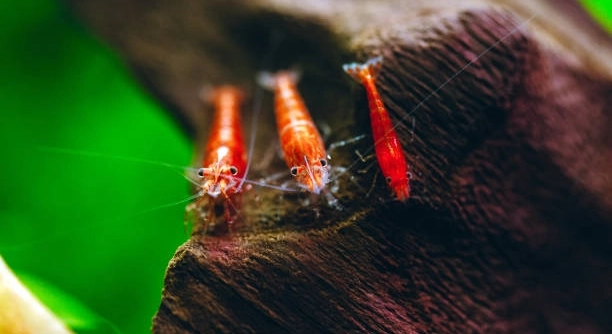
Have you ever wanted to add a little more life to your shrimp tank without harming your tiny pets? Small creatures can make the tank more lively while staying safe alongside your shrimp. Observing them can be calming.
Several small creatures are considered safe for shrimp tanks, including snails, small freshwater shrimp, and certain micro-crustaceans. These species coexist without preying on shrimp, contributing to tank cleanliness, biodiversity, and a balanced aquatic ecosystem in a controlled environment.
Exploring these options can improve your tank’s environment while keeping your shrimp happy and healthy in a harmonious setup.
Snails
Snails are one of the easiest additions to a shrimp tank. They move slowly and rarely bother shrimp, making them ideal companions. Popular choices include Nerite snails, Mystery snails, and Ramshorn snails. These snails help keep the tank clean by eating leftover food, algae, and decaying plant matter. I always find that watching them glide along the glass or plants is surprisingly calming. They don’t reproduce too quickly if the conditions are controlled, which is a bonus for avoiding overcrowding. It’s important to provide a balanced diet with calcium to keep their shells healthy. Snails also thrive in a variety of water conditions, which makes them adaptable. While they may seem simple, they contribute to the tank’s ecosystem by recycling nutrients and maintaining a clean substrate. Their small size and gentle behavior make them safe companions for shrimp without causing stress or harm.
Snails rarely interfere with shrimp and actively help reduce leftover food and algae, making them highly compatible tank mates.
Adding snails can improve tank hygiene and add subtle movement, which creates a more dynamic environment while keeping your shrimp safe. Their calm presence is easy to enjoy and requires minimal attention.
Small Freshwater Shrimp
Small freshwater shrimp, like Amano shrimp or Cherry shrimp, are excellent companions for other shrimp. They are peaceful, avoid aggression, and focus on scavenging leftover food. These shrimp also add color and activity to the tank. Watching them forage is rewarding, and their small size ensures they won’t threaten other shrimp. Maintaining proper water conditions is crucial, as they are sensitive to drastic changes. Feeding them a balanced diet and occasional plant matter supports their health and natural behavior. Adding different types of shrimp can improve biodiversity while keeping interactions safe. Their small size and gentle nature make them perfect additions to a shrimp-only tank. They can help control algae and contribute to tank cleanliness without introducing stress. I often notice that shrimp feel more confident and active when sharing the tank with other peaceful species. Properly managing population prevents overcrowding and ensures each shrimp thrives.
Small freshwater shrimp are peaceful, colorful, and maintain the tank environment without harming other shrimp.
Micro-Crustaceans
Micro-crustaceans like Daphnia and Copepods are small, active, and harmless to shrimp. They thrive in similar water conditions and serve as a supplemental food source while helping maintain the tank’s ecological balance.
These tiny creatures are excellent for keeping the tank lively without introducing stress. They reproduce quickly under proper conditions, which ensures a steady presence for the shrimp to interact with. Micro-crustaceans feed on microscopic algae and detritus, which indirectly benefits the shrimp by keeping the water cleaner. I often notice that when these creatures are present, shrimp appear more energetic and spend more time exploring. Despite their small size, they contribute significantly to the tank’s micro-ecosystem and can serve as a natural food source, reducing the need for frequent supplemental feeding. Their presence also helps mimic a more natural environment, supporting shrimp health.
Adding micro-crustaceans can enhance biodiversity and offer live food options. Their delicate nature and small size make them entirely safe for shrimp tanks.
Amano Shrimp
Amano shrimp are robust, peaceful, and excellent for controlling algae in tanks. They coexist well with other shrimp and small creatures, avoiding conflict. Their presence reduces algae buildup naturally, keeping the tank clean and balanced.
These shrimp are larger than typical dwarf shrimp but remain non-aggressive, which allows them to live safely alongside smaller species. They actively forage for algae and leftover food, improving the overall tank environment. Amano shrimp are sensitive to water parameters, so monitoring temperature, pH, and hardness is important. I’ve found that keeping plants and hiding spots available allows them to feel secure and encourages natural behaviors. They reproduce less frequently in captivity, which prevents overcrowding, yet they still provide the tank with movement and color. Regular observation ensures that they remain healthy and thrive alongside other small tank inhabitants.
Including Amano shrimp adds practical benefits like algae control and visual activity while maintaining a peaceful community tank environment.
Ghost Shrimp
Ghost shrimp are small, transparent, and highly active, making them safe companions for shrimp tanks. They scavenge leftover food and help keep the substrate clean without disturbing other shrimp.
Their transparency makes them fascinating to watch as they move around the tank. Ghost shrimp are hardy, adaptable, and peaceful, allowing them to coexist easily with other shrimp species.
Snail Eggs as Food
Many shrimp enjoy feeding on snail eggs, which provide natural nutrition and variety in their diet. This source of food is safe, easily digestible, and encourages natural foraging behavior in shrimp.
Dwarf Crayfish
Dwarf crayfish are small, non-aggressive, and rarely bother shrimp. They remain mostly hidden, adding subtle activity to the tank. Their small size and peaceful behavior make them compatible, and they contribute to maintaining a balanced and interesting aquatic environment.
What small creatures are safest for a shrimp tank?
The safest creatures for a shrimp tank are those that won’t eat or stress your shrimp. Snails, ghost shrimp, Amano shrimp, micro-crustaceans like Daphnia or Copepods, and dwarf crayfish are all considered safe. These creatures are peaceful, small, and adapt well to freshwater tank conditions. Snails help keep the tank clean by eating algae and leftover food, while ghost shrimp actively scavenge the substrate. Amano shrimp provide algae control without being aggressive. Micro-crustaceans can serve as supplemental food for shrimp, and dwarf crayfish remain small and non-threatening. Choosing these options ensures the tank stays balanced and the shrimp remain healthy.
Can I mix different types of shrimp together safely?
Yes, many shrimp species can coexist in the same tank as long as they have similar water parameters and plenty of hiding spots. Cherry shrimp and Amano shrimp are a common combination, as they have peaceful temperaments and different sizes, reducing competition. It’s important to avoid overcrowding, since high population density can cause stress and water quality issues. Providing plants, moss, and decorations helps smaller shrimp hide from larger tank mates and encourages natural behavior. I’ve noticed that when shrimp have enough space and resources, they interact safely and remain active throughout the day. Proper monitoring during the first few weeks helps ensure everyone adapts well.
How do I introduce new small creatures to my shrimp tank?
When adding new creatures, acclimation is key. Float the bag in the tank for about 15–20 minutes to match water temperatures. Slowly mix small amounts of tank water into the bag over the next 30–60 minutes. This gradual introduction helps prevent shock from sudden changes in pH, temperature, or hardness. Once acclimated, release the creatures carefully into the tank, avoiding pouring water from the bag directly. I always monitor the new additions for a few hours to ensure they are adjusting well, showing normal behavior, and not being chased or stressed by existing shrimp. Regular observation in the first week is essential for a smooth transition.
Will adding small creatures affect water quality?
Yes, every new addition changes the tank’s ecosystem slightly. Small creatures produce waste, which increases ammonia, nitrites, and nitrates if the tank is not well-cycled. Snails and shrimp are low bioload compared to fish, but proper filtration and regular water changes are still necessary. Adding micro-crustaceans generally has minimal impact, as they are tiny and self-limiting. I usually increase the frequency of water checks when introducing new creatures to ensure the water stays within safe parameters. Keeping live plants and avoiding overfeeding helps maintain balance, preventing spikes in toxins that could harm shrimp or other small creatures.
Are there creatures that look small but can harm shrimp?
Yes, some creatures may appear harmless but can cause issues. Larger crayfish or crabs, predatory snails, and aggressive fish can injure or eat shrimp. Even some larger shrimp species may show territorial behavior if the tank is crowded. I’ve learned to research every species carefully before adding them to the tank. Observing their behavior in quarantine tanks first can prevent conflicts. Choosing genuinely peaceful and small species ensures your shrimp can move freely without fear of attack, making the tank a calm and safe environment for all inhabitants.
Do small creatures help control algae or leftover food?
Many small creatures contribute naturally to tank maintenance. Amano shrimp, ghost shrimp, and snails are excellent for controlling algae, leftover food, and decaying plant matter. Micro-crustaceans feed on microscopic particles, indirectly keeping water cleaner. Adding these creatures reduces the need for constant manual cleaning. I’ve noticed that tanks with these helpers stay clearer, and shrimp appear more active when the tank substrate is less cluttered. Providing a variety of creatures creates a natural cleaning system, letting shrimp thrive while maintaining a visually appealing tank.
Can small creatures coexist long-term in a shrimp tank?
Yes, long-term coexistence is possible if water quality, food supply, and hiding spaces are managed. Peaceful creatures like snails, dwarf crayfish, and non-aggressive shrimp maintain balance without competing for resources. Regular monitoring of tank parameters ensures everyone stays healthy. I’ve seen tanks with multiple species live together for years without conflict when proper care is followed. Long-term success depends on preventing overcrowding, maintaining water conditions, and providing adequate nutrition. Creating an environment with natural hiding spots and plants encourages safe interaction, allowing shrimp and other small creatures to coexist comfortably.
Adding small creatures to a shrimp tank can make the environment more lively and balanced. Snails, ghost shrimp, Amano shrimp, micro-crustaceans, and dwarf crayfish all provide different benefits without harming your shrimp. Snails help with algae and leftover food, keeping the tank cleaner with minimal effort. Ghost shrimp and micro-crustaceans can serve as a source of natural food while also adding movement and activity. Amano shrimp are excellent for controlling algae, and dwarf crayfish add subtle interest while remaining peaceful. Choosing the right species ensures that your shrimp feel safe and that the tank remains stable. Observing the interactions between the creatures can be enjoyable, and it gives insight into their natural behaviors. With careful selection, the tank can feel like a small, thriving ecosystem where every inhabitant plays a role without creating stress or conflict.
Proper care and monitoring are important for long-term success. Water parameters must stay within safe ranges for all creatures in the tank. Small changes in temperature, pH, or hardness can affect shrimp and other small tank mates. Feeding should be balanced and appropriate for all species present, and hiding spots or plants should be available to reduce stress. Overcrowding should be avoided, as it can lead to competition for food and space. Regular observation is helpful to notice any unusual behavior or signs of illness early. Even small creatures can impact water quality, so regular water changes and filtration are necessary. By maintaining these simple practices, the tank remains safe, clean, and comfortable for shrimp and their companions. A well-managed tank allows the shrimp to stay active, healthy, and confident while the other small creatures contribute to the overall ecosystem.
Choosing to add small creatures can enhance the experience of keeping a shrimp tank. Each addition brings different visual interest and functional benefits, from algae control to natural foraging opportunities. Observing the interactions between shrimp and their companions can be surprisingly relaxing, and it gives a sense of satisfaction knowing the tank remains balanced and harmonious. Small creatures encourage natural behavior in shrimp while reducing some maintenance tasks for the keeper. It is important to plan carefully, choose species wisely, and maintain proper tank conditions. When done thoughtfully, adding small creatures creates a safe, dynamic, and healthy environment. The tank feels more complete, the shrimp remain comfortable, and the overall aquatic habitat is more interesting and natural. These simple additions can make a noticeable difference in both the shrimp’s well-being and the enjoyment of the tank itself.

Hello,
If you enjoy the content that we create, please consider saying a "Thank You!" by leaving a tip.
Every little bit helps us continue crafting quality advice that supports the health, happiness, and well-being of pets around the world, for pets of all shapes, sizes, and species.
We really appreciate the kindness and support that you show us!