
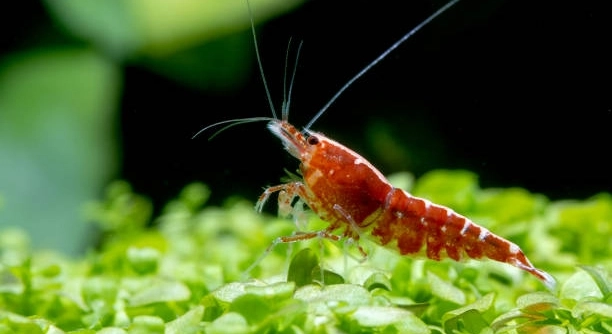
Have you ever noticed your cherry shrimp acting a little restless after sudden movements in the tank? These tiny creatures are sensitive, and even small changes in their environment can make a noticeable difference in behavior.
Cherry shrimp can survive minor tank crashes if the disturbance is brief and water conditions remain stable. They are highly sensitive to sudden changes, but proper monitoring of temperature, pH, and oxygen levels ensures their survival during small incidents.
Understanding how these tiny shrimp respond to stress can help you maintain a healthy and calm aquarium environment for them.
Understanding Mini Crashes in Shrimp Tanks
Mini crashes in shrimp tanks happen when sudden changes affect water quality or stress the shrimp. These can include quick movements, accidental splashes, or small equipment malfunctions. Even though the changes are minor, cherry shrimp are highly sensitive to disturbances. Observing them closely after a small incident is important to ensure they remain healthy. Stress can make them hide more, reduce feeding, or cause molting delays. Maintaining stable water parameters is the key to minimizing impact. Regular checks on temperature, pH, ammonia, nitrite, and nitrate levels can prevent bigger problems. Keeping decorations and plants undisturbed also helps shrimp feel secure. Over time, they adapt to minor fluctuations, but frequent disturbances can accumulate stress. By noticing small behavioral changes early, you can respond quickly, ensuring your shrimp tank remains a balanced and safe environment. Stability and attention to detail make the difference in shrimp survival during these small crashes.
Mini crashes are rarely fatal, but repeated stress can weaken shrimp over time and affect their activity and health.
Keeping the tank stable and observing your shrimp regularly ensures small disturbances don’t become bigger issues. Paying attention to their behavior and water quality helps maintain a calm, thriving environment for all tank inhabitants.
Preventing and Responding to Mini Crashes
Quick actions after a minor crash can reduce stress for shrimp. Removing sudden sources of disturbance and checking water parameters immediately helps prevent long-term effects. Gentle feeding and minimal handling keep them calm while the environment stabilizes.
If a mini crash occurs, start by testing temperature, pH, and ammonia levels. Correct any fluctuations gradually to avoid further stress. Observe shrimp behavior closely for the next few hours. Hiding, reduced movement, or lack of feeding may indicate stress. Avoid introducing new decorations or moving plants during recovery. Maintaining clean water through careful filtration and regular partial water changes supports their health. Some shrimp may molt later than expected after stress, so be patient and allow them time to adjust. Providing hiding spots like moss, plants, or small caves gives shrimp security, which helps them feel safe and resume normal activity faster. Over time, creating a calm routine and monitoring your tank can prevent mini crashes from affecting shrimp survival significantly. Consistency and gentle care are key to maintaining their well-being.
Common Signs of Stress in Cherry Shrimp
Shrimp often hide more than usual or stop eating after sudden disturbances. Color fading and reduced movement are clear signs they are under stress. Watching these behaviors closely helps prevent long-term health issues in your tank.
Stress in cherry shrimp can affect their molting cycle and overall activity. Shrimp may cling to plants or decorations more than usual, avoiding open areas. Reduced feeding is another indicator, and prolonged stress can weaken their immune system. Observing changes in color intensity is important, as duller colors often signal discomfort. By maintaining consistent water conditions and minimizing sudden changes, you can help shrimp recover faster. Small adjustments, like keeping decorations stable and avoiding abrupt tank maintenance, support their natural behavior and reduce stress.
Behavioral changes can also appear in group interactions. Shrimp may cluster together more tightly, avoiding swimming freely. Some may react nervously to tank lights or movement nearby. Monitoring these patterns allows for timely interventions. Providing plenty of hiding spaces and gently adjusting water parameters ensures shrimp feel safe. Over time, recognizing these early signs makes it easier to keep your tank calm and supports healthier, more active shrimp.
How Water Quality Impacts Survival
Poor water quality increases stress and reduces shrimp survival, even during minor tank disturbances. Maintaining stable pH, ammonia, and temperature is essential for their well-being.
Ammonia spikes and nitrite presence can be toxic, even in small amounts, causing lethargy or sudden deaths. Temperature swings affect metabolism and molting, increasing vulnerability. Consistent filtration and careful water changes help maintain proper water chemistry. Avoid overcrowding, as excess waste can quickly destabilize the environment. Adding plants or moss improves water stability and gives shrimp hiding spots, reducing stress during minor crashes. Monitoring parameters daily ensures prompt corrective actions before serious issues arise.
Water hardness and mineral content also influence shrimp health. Soft water or low calcium can delay molting, while excessively hard water may affect coloration and stress levels. Regular testing and slow adjustments keep conditions optimal. Providing a balanced diet supports resilience, helping shrimp recover from disturbances more efficiently. Even small variations in water chemistry can have noticeable effects on behavior and longevity. By maintaining a clean, balanced environment, you ensure that cherry shrimp remain active, healthy, and less susceptible to minor crashes in the tank.
Immediate Actions After a Mini Crash
Check water parameters first, including temperature, pH, and ammonia levels. Correct any sudden fluctuations slowly to avoid further stress.
Remove any visible debris or sources of disturbance in the tank. Ensure filters are running properly and avoid sudden movements near the tank for a few hours.
Feeding and Recovery
After a mini crash, offer small amounts of food to encourage normal eating behavior. Avoid overfeeding, as excess waste can worsen water quality. Observe shrimp closely to see if they return to their usual activity levels. Providing hiding spots helps reduce stress and allows them to regain confidence gradually.
Equipment Checks
Make sure heaters, filters, and air pumps are functioning correctly. Sudden failures can increase stress and make recovery slower.
Tank Layout Adjustments
Avoid rearranging decorations immediately after a crash. Shrimp need familiar spaces to feel safe, and stability helps them recover faster.
FAQ
Can cherry shrimp survive sudden drops in temperature?
Cherry shrimp are sensitive to temperature changes, especially sudden drops. Small, gradual shifts are usually tolerated, but abrupt decreases can cause shock or even death. Maintaining a stable tank temperature with a reliable heater is essential. If a drop occurs, gently warm the water slowly over several hours to help shrimp recover. Avoid adding hot water directly or using rapid methods, as this can worsen stress. Observing shrimp behavior during temperature changes helps detect early signs of distress. Hiding, slowed movement, or clustering near the heater are common reactions. Consistency is key for long-term survival and molting health.
How long does it take for cherry shrimp to recover after a mini crash?
Recovery time varies depending on the severity of the disturbance. Minor incidents usually result in recovery within a few hours to a day. Shrimp may hide initially, reduce feeding, or appear less active. After conditions stabilize, they gradually return to normal behavior. Providing hiding spots and stable water conditions accelerates recovery. Stress from repeated mini crashes can extend recovery time and may affect molting or coloration. Monitoring shrimp closely and avoiding additional disturbances during this period ensures they regain full activity. Regular observation helps identify if further intervention is needed, such as water adjustments or additional hiding areas.
What are the most common signs of stress in cherry shrimp?
Shrimp under stress often display behavioral and physical changes. Common signs include hiding excessively, reduced movement, less frequent feeding, and color fading. Clustering together or avoiding open spaces is another indicator. Molting delays or irregular molts may also occur after stress. Observing these changes early allows prompt action to prevent long-term health problems. Maintaining consistent water parameters and minimizing disturbances reduces stress. Providing plants, moss, or decorations for hiding gives them a sense of security. Over time, recognizing these signs makes it easier to create a stable environment and prevent mini crashes from causing serious harm.
Can water quality fluctuations cause mini crashes in shrimp tanks?
Yes, water quality fluctuations are a major factor in mini crashes. Even small changes in pH, ammonia, nitrite, or temperature can stress shrimp. Regular testing and adjustments keep parameters stable. Partial water changes, proper filtration, and avoiding overcrowding reduce fluctuations. Stress from poor water quality affects feeding, molting, and general activity. Plants and moss help stabilize the environment by absorbing excess nutrients and providing hiding spaces. Consistent observation of water conditions and shrimp behavior allows for early detection of problems. Quick corrections after a minor crash prevent further health issues and support long-term survival in the tank.
Is it safe to handle shrimp after a mini crash?
Handling shrimp immediately after a mini crash is not recommended. Stress increases vulnerability, and rough handling can cause injury or death. Wait until shrimp regain normal activity and feeding patterns before any intervention. If necessary, move them gently using soft nets and avoid sudden movements. Providing hiding spots reduces the need for handling while allowing them to recover naturally. Minimizing disturbances during recovery improves survival chances and overall health. Over time, creating a calm and stable environment reduces the need for frequent handling and protects shrimp from stress-related complications.
How can I prevent mini crashes in the future?
Preventing mini crashes involves maintaining a stable and predictable tank environment. Keep water parameters consistent and avoid sudden changes in temperature, lighting, or decorations. Regular cleaning and proper filtration help maintain water quality. Overcrowding and rapid feeding can also destabilize the tank, so monitor population and food amounts carefully. Introducing new shrimp or plants slowly prevents sudden stress. Observing shrimp behavior and reacting promptly to any signs of distress reduces the likelihood of crashes. Creating a calm, secure environment with plenty of hiding spots ensures shrimp feel safe and lowers stress levels. Consistency in care is the most effective preventative measure.
Do cherry shrimp recover fully after multiple mini crashes?
Repeated mini crashes can weaken shrimp and affect long-term health, but with proper care, they can recover. Frequent disturbances may slow molting, reduce activity, and impact coloration. Stabilizing water parameters, reducing stressors, and providing hiding places are essential for recovery. Shrimp may take longer to regain normal behavior if exposed to repeated crashes. Observing behavior, feeding, and molting closely helps determine if intervention is needed. Over time, careful tank management improves resilience, though chronic stress can still cause subtle long-term effects. Preventing frequent disturbances is the best way to ensure they maintain health and activity.
What role do hiding spots play in recovery?
Hiding spots are crucial for shrimp recovery after mini crashes. Plants, moss, and small decorations provide a sense of security and reduce stress. Shrimp often retreat to these areas when disturbed, which allows them to regain normal behavior safely. Hiding spots also prevent conflicts and give shrimp confidence to feed and molt without feeling threatened. Maintaining a variety of secure areas in the tank improves overall well-being and speeds up recovery after disturbances. Even during minor crashes, these safe spaces reduce stress and help maintain healthy activity levels for the entire shrimp population.
Can diet affect recovery after stress?
Yes, diet impacts recovery. Feeding small, nutritious meals encourages shrimp to resume normal activity and supports molting. Overfeeding can degrade water quality, increasing stress. A balanced diet with algae, shrimp pellets, and occasional treats ensures energy for recovery. Observing shrimp feeding habits helps detect lingering stress and adjust care. Good nutrition strengthens resilience, making shrimp less vulnerable to future mini crashes. Maintaining a consistent feeding routine alongside stable water parameters enhances recovery, improves coloration, and supports overall health.
Are baby shrimp more sensitive to mini crashes?
Juvenile shrimp are more sensitive to stress than adults. Sudden changes in water conditions or disturbances can have stronger effects on their growth and survival. Providing extra hiding spots, gentle care, and stable parameters is especially important. Observing young shrimp closely helps detect stress early. Overcrowding or competition for food increases vulnerability, so ensuring enough space and nutrition is essential. With careful monitoring and a calm environment, young shrimp can survive minor disturbances, though they may take longer to recover than adults.
Final Thoughts
Cherry shrimp are delicate creatures that require consistent care to thrive in a home aquarium. Mini crashes, while often minor, can still cause noticeable stress if not managed carefully. These small disturbances, such as sudden movements near the tank, splashes, or short-term water fluctuations, can affect their behavior and overall health. Stress in shrimp is often shown through hiding, reduced feeding, fading colors, or slower movement. By paying attention to these signs, you can respond quickly and help your shrimp recover without lasting damage. Understanding how sensitive cherry shrimp are helps you create a more stable and secure environment where they feel safe. Even small changes in water quality, temperature, or tank layout can have an impact, so monitoring your aquarium regularly is important. Over time, observing their behavior becomes easier, and you can anticipate when small incidents might affect them before serious problems occur.
Maintaining stable water parameters is one of the most effective ways to prevent stress from mini crashes. Temperature, pH, ammonia, nitrite, and nitrate levels should be checked frequently, and any adjustments should be made gradually. Sudden shifts can cause shock, while consistent care allows shrimp to adapt safely. Clean water, proper filtration, and a balanced diet also support their health and resilience. Providing plenty of hiding spots, such as plants, moss, or decorations, gives shrimp a sense of security when disturbances happen. This allows them to retreat, regain confidence, and resume normal activity at their own pace. Even after minor incidents, shrimp can recover fully if the environment remains calm and stable. Observing shrimp closely during recovery is key, as it ensures they return to normal behavior without additional stress. Over time, these practices make it easier to prevent mini crashes from affecting survival.
Long-term care for cherry shrimp involves patience and consistency. Repeated disturbances, even if small, can accumulate stress and impact molting, growth, and coloration. By maintaining a stable environment, avoiding sudden changes, and ensuring proper nutrition, you support their long-term health. Monitoring their behavior and water conditions allows for early intervention if problems arise, which reduces the risk of serious issues. Recovery after minor crashes is possible with calm handling, stable parameters, and adequate hiding spaces. Taking these steps ensures that your cherry shrimp remain active, healthy, and vibrant. A well-maintained tank not only helps shrimp survive mini crashes but also promotes a thriving, balanced aquatic ecosystem that benefits all inhabitants. Paying attention to details and providing consistent care is the most reliable way to protect your shrimp and enjoy a peaceful, healthy aquarium environment.

Hello,
If you enjoy the content that we create, please consider saying a "Thank You!" by leaving a tip.
Every little bit helps us continue crafting quality advice that supports the health, happiness, and well-being of pets around the world, for pets of all shapes, sizes, and species.
We really appreciate the kindness and support that you show us!