
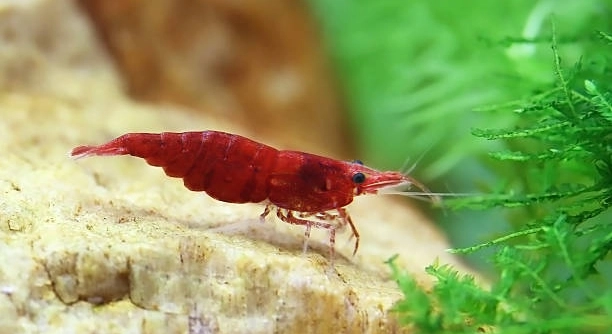
Cherry shrimp are small, vibrant creatures that add life to freshwater aquariums. Many hobbyists enjoy watching them explore, feed, and interact, but their sudden twitching can catch your attention and raise concerns about their health.
Cherry shrimp twitch due to a variety of factors, including stress, water quality issues, parasites, or molting. Sudden movements are often a natural response to environmental changes or irritation and can indicate underlying problems requiring attention.
Observing the subtle behaviors of your shrimp can reveal important insights about their well-being. Learning more about twitching patterns will help you maintain a healthy and comfortable tank environment.
Common Causes of Twitching
Cherry shrimp may twitch for several reasons, most of which relate to their environment or health. Poor water conditions, such as high ammonia, nitrite, or nitrate levels, can irritate their delicate gills and nervous system. Rapid changes in temperature or pH can also trigger sudden movements. Shrimp are sensitive to stress, and overcrowding or aggressive tank mates may make them react defensively. Parasites or bacterial infections sometimes cause twitching, as the shrimp tries to dislodge irritants or relieve discomfort. Molting, a natural process where shrimp shed their exoskeleton to grow, can also lead to erratic twitching, especially when the shrimp is soft and vulnerable. Even harmless factors, such as sudden light exposure or vibrations near the tank, may result in short, quick twitches. By observing patterns and correlating them with tank conditions, it is possible to identify why shrimp behave this way. Regular water testing and careful monitoring of tank dynamics are key to minimizing unnecessary twitching.
Water quality issues are the most frequent reason for twitching in cherry shrimp. Addressing these promptly can improve their behavior and overall health.
Keeping shrimp healthy involves creating a stable, clean, and safe environment. Monitoring water parameters, maintaining proper filtration, and limiting stressors reduces twitching. Feeding high-quality food and avoiding sudden changes in temperature or lighting will help shrimp feel secure. Observing shrimp behavior consistently allows early detection of potential health concerns. If twitching persists despite optimal conditions, checking for parasites or infections and treating accordingly ensures long-term well-being. Maintaining a balanced shrimp population, with enough hiding spots, promotes calm behavior. Even small adjustments, like rearranging decorations to reduce open areas, can make a difference. By understanding and responding to their needs, twitching becomes less frequent and more predictable. Overall, paying attention to water quality, stress levels, and health indicators creates a stable habitat where cherry shrimp can thrive and exhibit natural behaviors.
Molting and Twitching
Twitching is common during the molting phase, as shrimp shed their exoskeleton and grow.
Molting is a critical and vulnerable time for cherry shrimp. Before molting, shrimp may appear restless, twitch, or hide more frequently. The process begins with the shrimp loosening its old exoskeleton, which requires precise movements. Twitching helps the shrimp dislodge the old shell and maneuver into a new position. During this phase, their soft, new exoskeleton leaves them sensitive to water conditions, predators, and physical contact. Providing hiding spots, stable water parameters, and proper nutrition supports successful molting and reduces stress-related twitching. Observing shrimp during this time helps identify normal behavior versus signs of illness. Consistent monitoring ensures they complete molting safely, maintaining growth and overall health in the aquarium. Proper care and understanding of molting behavior prevent unnecessary panic when twitching occurs and create a more predictable and secure environment for the shrimp.
Stress and Environmental Factors
Stress often triggers twitching in cherry shrimp. Loud noises, sudden movements near the tank, or aggressive tank mates can make them react quickly. Changes in lighting or water temperature may also cause short, rapid twitches as shrimp try to adjust.
Stress in cherry shrimp arises mainly from environmental instability. Overcrowding limits their movement and increases competition for hiding spots, leading to more frequent twitching. Sudden shifts in water temperature or pH levels can irritate their nervous system. Even seemingly small disturbances, like tapping the tank glass, may cause repeated twitching. Shrimp rely on consistency in their surroundings, so maintaining steady water parameters, gentle handling, and a calm tank atmosphere minimizes stress-related behavior. Proper hiding spaces allow shrimp to feel secure and reduce twitching caused by anxiety.
Monitoring shrimp behavior can reveal patterns related to stress. Observing when and how twitching occurs helps identify triggers. Adjusting tank conditions gradually, maintaining clean water, and avoiding sudden changes in temperature or lighting keeps shrimp calmer. Choosing compatible tank mates and reducing overcrowding supports a more peaceful environment. Providing natural decorations or plants offers shelter, which helps shrimp feel safe during vulnerable moments. Tracking these changes over time allows you to see improvements and reduce twitching incidents consistently. A stable, comfortable environment directly impacts shrimp behavior, leading to healthier, more relaxed shrimp in the long term.
Nutrition and Twitching
Improper nutrition can lead to twitching, especially when shrimp lack essential minerals or vitamins necessary for strong exoskeletons. Feeding a balanced diet supports growth and reduces erratic movements.
Cherry shrimp require a varied diet to maintain health and prevent twitching. Calcium and other minerals are vital for exoskeleton development, especially during molting. A lack of these nutrients can make shrimp weak and prone to stress-induced twitching. High-quality commercial foods, supplemented with algae, blanched vegetables, and biofilm, ensure they receive balanced nutrition. Overfeeding or introducing unsuitable foods may also disturb water quality, indirectly causing twitching. Regularly monitoring feeding habits and adjusting portions keeps both shrimp health and tank conditions stable. A thoughtful feeding routine strengthens their body and minimizes twitching episodes caused by nutritional deficiencies.
Consistent feeding and attention to dietary needs create stronger, more resilient shrimp. Combining proper nutrition with stable water parameters and a low-stress environment helps reduce twitching significantly. Watching shrimp over time allows you to see improvements in activity levels and overall health. Balancing diet and habitat ensures shrimp thrive, molting successfully, and displaying natural behavior rather than constant twitching.
Water Quality Issues
Poor water quality is a frequent reason for twitching in cherry shrimp. High levels of ammonia, nitrites, or nitrates irritate their gills and nervous system, causing sudden, quick movements.
Regular testing and maintenance of water parameters are essential. Even small imbalances can trigger twitching, stress, or illness.
Parasites and Infections
Parasites and bacterial infections can lead to erratic twitching in cherry shrimp. Shrimp may try to dislodge irritants or respond to internal discomfort, making movements appear rapid and uncontrolled. Treating infections promptly and quarantining affected shrimp helps prevent the spread and reduces twitching in the tank.
Tank Decorations and Layout
The arrangement of decorations affects shrimp behavior. Sharp or rough surfaces may cause minor injuries, leading to twitching as shrimp try to move away or scratch themselves.
Providing smooth surfaces, hiding spots, and gentle flow patterns reduces twitching and keeps shrimp comfortable while exploring the tank.
FAQ
Why does my cherry shrimp twitch when I tap the tank?
Cherry shrimp are highly sensitive to vibrations. Tapping the tank creates sudden movement in the water, which can startle them. This twitching is usually harmless and lasts only a few seconds, but frequent tapping can stress them over time.
Can water temperature cause twitching?
Yes. Sudden changes in water temperature can shock shrimp, making them twitch as they adjust. Maintaining a stable temperature with a reliable heater or chiller helps prevent stress-related movements and ensures overall health.
Is twitching normal during molting?
Twitching is very common when shrimp are molting. They need to loosen their old exoskeleton and maneuver into a new one. Providing hiding spots during this vulnerable period reduces stress and allows the shrimp to complete molting safely.
Could poor water quality make shrimp twitch more?
Absolutely. High levels of ammonia, nitrites, or nitrates irritate shrimp and can lead to constant twitching. Regular water testing, partial water changes, and proper filtration are essential to maintain a safe and stable environment.
Do diet and nutrition affect twitching?
Yes. A lack of essential minerals, particularly calcium, can weaken their exoskeleton, making them more prone to twitching. Feeding a balanced diet of commercial shrimp food, vegetables, and algae supports growth and reduces stress-induced movements.
Can tank mates cause twitching?
Aggressive or fast-moving tank mates can stress shrimp. Twitching often occurs when they try to escape or hide. Providing plenty of hiding spaces and compatible tank mates minimizes stress-related twitching.
Is twitching always a sign of illness?
Not always. Occasional twitching can be normal due to environmental changes, molting, or minor irritations. Persistent or extreme twitching, however, may indicate parasites, bacterial infections, or poor water conditions and should be investigated.
How can I tell if twitching is serious?
Watch for additional symptoms such as lethargy, loss of appetite, discoloration, or abnormal swimming patterns. If these appear alongside frequent twitching, it is likely a health issue requiring treatment. Quarantining affected shrimp and testing water quality helps manage the problem.
Does light affect shrimp twitching?
Yes. Sudden exposure to bright lights can cause shrimp to twitch as they try to move to shaded areas. Gradually adjusting lighting levels and providing plants or decorations for cover reduces this reaction.
Will frequent water changes help reduce twitching?
Proper water changes help maintain stable water parameters, which reduces stress-related twitching. Sudden or excessive water changes, however, can shock shrimp, so changes should be gradual and monitored carefully.
Can parasites be treated at home?
Some external parasites can be managed with specific shrimp-safe treatments. Quarantining infected shrimp and maintaining clean water are crucial. Internal parasites may require professional advice or specialized medication to fully resolve.
How long does twitching last during molting?
Twitching generally lasts until the shrimp has completely shed its old exoskeleton and hardened the new one, which can take a few hours to a day. Minimizing disturbances during this time helps ensure a smooth process.
Do young shrimp twitch more than adults?
Juvenile shrimp may twitch more frequently as they are more sensitive to environmental changes and molting occurs more often. Adults tend to have more stable behavior but can still react to stress or poor water conditions.
Can twitching indicate insufficient hiding spaces?
Yes. Shrimp feel vulnerable without adequate cover, which can lead to frequent twitching as they move quickly to escape perceived threats. Adding plants, rocks, or decorations creates safe areas and reduces unnecessary movements.
Is it normal for shrimp to twitch at night?
Shrimp may twitch at night in response to sudden light changes or disturbances in the tank. This behavior is often harmless, but consistently high nighttime activity may indicate stress or environmental issues that need attention.
Can overfeeding cause twitching?
Indirectly. Overfeeding can degrade water quality, leading to higher ammonia or nitrate levels. This poor environment may cause shrimp to twitch more. Feeding small, controlled portions keeps water stable and shrimp behavior calm.
How do I prevent twitching caused by stress?
Maintain stable water parameters, avoid sudden temperature or lighting changes, provide hiding spots, and select peaceful tank mates. Reducing stressors directly decreases twitching and improves shrimp health and comfort.
Can twitching damage a shrimp?
Occasional twitching is harmless, but prolonged or frequent twitching due to stress or illness can weaken shrimp and make them more vulnerable during molting or predator interactions. Proper care reduces risks.
Should I separate twitching shrimp?
If twitching is linked to illness, quarantining affected shrimp helps prevent disease spread. If it’s environmental or stress-related, improving tank conditions is usually sufficient without separation.
Does water flow affect twitching?
Yes. Strong currents can make shrimp struggle and twitch as they move against the flow. Gentle, consistent water circulation is best, allowing shrimp to explore safely without constant rapid movements.
Can twitching indicate oxygen levels?
Low oxygen levels can stress shrimp, causing twitching or rapid movements. Ensuring proper aeration and avoiding overcrowding helps maintain healthy oxygen levels and reduces twitching incidents.
Do shrimp twitch when stressed by noise?
Yes. Vibrations from loud noises or tapping near the tank can startle shrimp, causing quick movements. Minimizing external disturbances helps maintain calm behavior.
How long does it take for twitching to stop after fixing tank issues?
Once water quality, stressors, or nutrition are corrected, twitching usually decreases within hours to a few days. Continuous monitoring ensures shrimp remain healthy and reduces recurrence of twitching.
Can stress and illness occur together?
Yes. Stress weakens shrimp, making them more susceptible to infections or parasites. Addressing both environmental factors and health issues is important to stop twitching and maintain overall well-being.
Cherry shrimp are small, delicate creatures that react to many factors in their environment. Twitching is a behavior that often draws attention because it looks unusual or concerning. In many cases, twitching is a normal response to minor changes, such as a shift in lighting, a gentle tap on the tank, or small vibrations in the water. These movements are usually short-lived and not a sign of serious problems. Understanding that shrimp are naturally sensitive to their surroundings helps explain why twitching occurs. Observing shrimp consistently over time allows you to notice what is normal for them and what might indicate a real issue. Paying attention to these small behaviors is an important part of responsible aquarium care.
Water quality plays a central role in shrimp health and behavior. High levels of ammonia, nitrites, or nitrates, along with sudden changes in pH or temperature, can make shrimp twitch more frequently. Regular testing of water and maintaining stable conditions is essential to reduce stress. In addition to water parameters, nutrition and tank layout also affect behavior. Providing a balanced diet, with sufficient minerals for exoskeleton strength, supports healthy growth and reduces twitching caused by nutritional deficiencies. A tank designed with plenty of hiding spots, smooth surfaces, and gentle water flow keeps shrimp comfortable and allows them to explore safely. Paying attention to all these factors together creates an environment where twitching is less frequent and usually not a cause for concern.
Observing twitching in cherry shrimp can be a helpful way to assess their overall health. If twitching persists or is accompanied by other signs, such as lethargy, discoloration, or abnormal swimming, it may indicate stress, illness, or parasitic infection. Addressing the root causes, whether environmental, dietary, or health-related, usually improves their behavior. Maintaining a calm, consistent environment and monitoring shrimp regularly allows for early detection of problems. With careful observation, proper care, and attention to water quality, nutrition, and tank layout, twitching can be minimized, and your shrimp can thrive. Supporting their health and creating a stable habitat ensures they remain active, comfortable, and able to display their natural behaviors in the aquarium.

Hello,
If you enjoy the content that we create, please consider saying a "Thank You!" by leaving a tip.
Every little bit helps us continue crafting quality advice that supports the health, happiness, and well-being of pets around the world, for pets of all shapes, sizes, and species.
We really appreciate the kindness and support that you show us!