
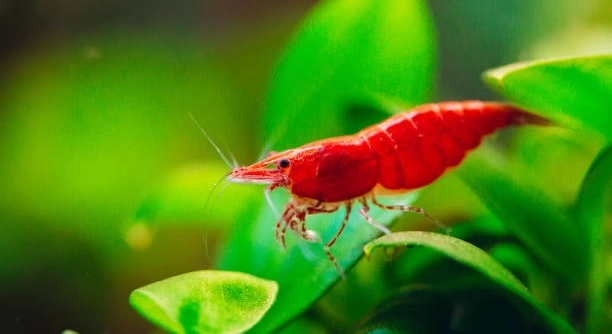
Have you ever noticed your cherry shrimp moving slowly or hiding more than usual in your aquarium? These tiny creatures can be surprisingly sensitive to their surroundings, especially when the water temperature changes slightly.
Cherry shrimp are responsive to room temperature fluctuations because they rely on stable water conditions for metabolism, activity, and overall health. Sudden increases or decreases in temperature can stress them, causing reduced movement, color changes, and altered feeding behavior.
Observing how your shrimp respond can help maintain a balanced and healthy aquarium environment for these delicate pets.
How Room Temperature Affects Cherry Shrimp
Cherry shrimp are very sensitive to the temperature of their tank. When room temperature rises, the water may become too warm, causing shrimp to become more active initially but quickly leading to stress. If the temperature drops, their metabolism slows, and they may hide more often. Sudden fluctuations can also affect their molting process, making it harder for them to grow properly. Stable temperatures between 72°F and 78°F generally keep them comfortable, encouraging normal behavior and healthy activity levels. It’s important to monitor both the room and tank temperature because even small changes can have noticeable effects. Many shrimp keepers use small heaters or coolers to maintain consistent conditions, helping prevent stress-related health issues. Observing their behavior daily gives insight into how the shrimp are adjusting and whether any changes in temperature are impacting them. A balanced environment supports both growth and color vibrancy.
Temperature changes can directly affect shrimp activity, making consistent monitoring crucial.
Adjusting water temperature gradually helps shrimp adapt without stress. Sudden changes can lead to decreased feeding and color fading. Small heaters, chillers, or even room adjustments can help maintain proper conditions. Watching their movement and behavior is the best way to see if conditions are right. Proper temperature management supports their growth and keeps them active, making the aquarium healthier overall.
Signs Your Cherry Shrimp Are Affected
Shrimp may show clear behavioral changes when the water is too warm or too cold. Reduced movement, staying hidden, or failing to molt properly can indicate stress. Even subtle color changes are often a response to environmental discomfort. Observing these signs early helps prevent serious health problems and keeps the shrimp thriving in their tank.
Behavioral changes due to temperature are often gradual but noticeable over a few days. Tracking patterns can help identify whether fluctuations are the source of stress. Cherry shrimp exposed to prolonged unsuitable conditions may also develop weaker shells or slower growth, making them more vulnerable to disease. Feeding habits may decrease, and they may spend more time near cooler or warmer areas of the tank. Ensuring the aquarium water remains within an optimal temperature range is essential. Regular monitoring with a reliable thermometer and making incremental adjustments when necessary can prevent stress. Even minor shifts in room temperature can affect their comfort, so keeping the surrounding environment stable is as important as maintaining water quality. By carefully observing behavior and acting promptly, shrimp owners can support health, activity, and natural coloration, ensuring their tank remains a safe and thriving space.
Maintaining Stable Temperatures
Keeping water temperature steady prevents stress in cherry shrimp. Small heaters or chillers can help, and regular monitoring ensures conditions remain within the optimal 72°F to 78°F range.
Gradual adjustments are crucial when changing water temperature. Sudden spikes or drops can shock shrimp, affecting feeding, activity, and molting. Using a reliable thermometer and making changes slowly allows shrimp to acclimate safely. Even small room temperature fluctuations can impact the tank, so consider insulating the aquarium or placing it away from vents and windows. Monitoring behavior daily helps identify early signs of discomfort, allowing timely corrections before stress leads to health problems.
Consistency also supports reproduction and color vibrancy. Stable temperatures encourage regular molting and active movement, which are key indicators of healthy shrimp. When conditions remain predictable, shrimp are less likely to hide or reduce feeding. Observing their responses provides feedback on tank stability. Proper temperature management is a small effort that significantly improves shrimp health, ensuring they grow well, display natural colors, and maintain normal behaviors over time. Maintaining a balanced environment protects the entire aquarium ecosystem.
Tools to Monitor Temperature
Reliable thermometers are essential for keeping cherry shrimp safe. Digital or stick-on options provide continuous readings for accurate monitoring.
Heaters with adjustable settings allow precise control over tank temperature. Pairing them with thermostats prevents overheating, while chillers can help maintain cooler conditions during hot months. Regularly checking these tools ensures accuracy, as malfunctions can lead to dangerous fluctuations. Placement matters too—position thermometers away from direct heat sources or filters to avoid skewed readings. Small adjustments made gradually can prevent stress and keep shrimp active. Observing shrimp behavior alongside thermometer readings gives the clearest picture of tank health.
Maintaining consistent temperatures supports all aspects of shrimp well-being. Fluctuating conditions can slow metabolism, reduce feeding, and interfere with molting cycles, while steady warmth encourages normal growth and behavior. Using timers, insulation, and monitoring devices helps maintain a stable environment even when room temperatures vary. Combining careful observation with the right equipment ensures that water conditions stay within safe limits, minimizing stress and promoting overall health. Regular checks and slow adjustments make it easier to keep shrimp thriving, while also preventing sudden temperature-related problems that can impact their longevity. Planning for seasonal changes in room temperature is equally important, as shrimp respond sensitively to even minor shifts.
Common Mistakes to Avoid
Placing the tank near windows or vents can cause temperature swings that stress shrimp. Avoid drastic daily changes and keep room conditions as stable as possible.
Overheating or cooling too quickly can harm shrimp metabolism. Gradual adjustments and constant monitoring prevent unnecessary stress and maintain healthy activity levels.
Observing Behavior
Shrimp activity, hiding, and feeding habits are key indicators of temperature comfort. Changes in movement or color often reflect environmental stress. Watching these signs closely helps identify issues early and ensures timely corrective action.
Seasonal Temperature Changes
Room temperature shifts with the seasons can affect tank conditions. Summer heat may raise water temperature, while winter cold can lower it. Planning for these changes helps maintain a stable environment and prevents stress in shrimp.
Small Adjustments Matter
Even minor adjustments in heaters or room placement can significantly improve shrimp comfort. Consistent, careful monitoring ensures stable conditions and supports their long-term health.
FAQ
Do cherry shrimp need a heater all year?
Not always. Cherry shrimp can tolerate room temperatures within 68°F to 78°F. However, if your home drops below this range in winter or rises above it in summer, a heater or cooler becomes necessary. Keeping water stable helps avoid stress and supports normal behavior.
How fast can temperature changes affect shrimp?
Shrimp can react within hours to sudden fluctuations. Rapid cooling slows metabolism, while sudden warmth can overstimulate them. Both conditions may lead to hiding, reduced feeding, or color fading. Gradual adjustments prevent these negative effects and allow shrimp to acclimate safely.
Can cherry shrimp survive in cooler room temperatures?
Yes, but their activity and growth slow down. Cooler water reduces metabolism, molting frequency, and feeding. Extended exposure below 68°F can weaken shrimp, making them more prone to illness. Monitoring and maintaining stable temperatures is important for long-term health.
Is it safe to use room heaters near the tank?
Direct heat from room heaters can create hot spots and uneven tank temperature. Place heaters away from vents and radiators, and always check water temperature with a thermometer. Stability is more important than fast heating.
What signs show shrimp are stressed by temperature?
Stress signs include hiding for long periods, slow movement, pale or dull colors, and skipped molts. Appetite may decrease, and shrimp may cluster near cooler or warmer areas of the tank. Early observation allows for adjustments before health declines.
How can I gradually adjust tank temperature?
Increase or decrease water temperature by 1–2°F per day. Use an aquarium heater or chiller to control the rate of change. Avoid sudden swings from adding hot or cold water directly. Monitoring behavior while adjusting ensures shrimp remain comfortable.
Do cherry shrimp react differently to day and night temperatures?
Slight natural drops in nighttime temperature are usually tolerated, but large differences can stress shrimp. Keeping day-to-night variations small helps maintain activity patterns and feeding schedules without impacting health.
Can poor room insulation affect shrimp health?
Yes, rooms that lose heat quickly in winter or overheat in summer make it harder to maintain stable water temperature. Using insulation, moving the tank away from drafty areas, or adding small heaters/chillers ensures safer conditions for shrimp.
Do shrimp prefer warmer or cooler water?
Cherry shrimp are happiest in stable mid-range temperatures around 72°F to 78°F. Water outside this range slows growth or stresses shrimp. Both extremes should be avoided to maintain normal feeding, molting, and coloration.
How often should I check tank temperature?
Daily checks are ideal. Even small fluctuations can affect shrimp behavior and health. Consistent monitoring allows timely adjustments and prevents stress before it leads to illness or reduced activity.
Will shrimp acclimate to new room temperatures?
They can, if changes are gradual. Sudden shifts cause stress, but small daily adjustments give shrimp time to adapt, maintaining normal behavior and reducing the risk of illness or molting problems.
Are digital thermometers better than stick-on types?
Both types work, but digital thermometers often provide faster, more precise readings. Stick-on thermometers are useful for continuous reference but may lag slightly behind actual water temperature. Using both can provide extra safety.
Can tank decorations influence temperature?
Yes, rocks, plants, and substrate can retain heat or cold, creating microclimates. Even small areas of temperature difference can affect shrimp behavior. Position heaters and thermometers to account for these variations.
What is the safest temperature range for breeding?
Stable temperatures around 74°F to 78°F encourage breeding. Too cold slows molting and egg development, while too hot can stress adults. Consistent water conditions support healthy reproduction and active fry.
How do I prevent temperature shock during water changes?
Match replacement water temperature closely to tank temperature. Avoid adding water that is too hot or too cold. Gradual adjustments and careful mixing help prevent stress and protect shrimp health during routine maintenance.
Can temperature affect shrimp coloration?
Yes, unstable or extreme temperatures can dull colors. Stable, mid-range temperatures support vibrant red and orange hues. Observing color changes alongside behavior provides insight into their comfort and well-being.
Do shrimp get used to seasonal changes?
Gradual seasonal changes are manageable, but abrupt shifts can cause stress. Monitoring and adjusting tank conditions accordingly helps shrimp stay active, feed normally, and maintain healthy growth throughout the year.
Are smaller tanks more affected by room temperature?
Yes, smaller volumes of water change temperature faster than larger tanks. Careful monitoring and equipment like heaters or chillers are more important in small tanks to maintain stable conditions for shrimp.
How long can shrimp survive if water gets too cold?
Short exposure to slightly cooler water may be tolerated, but prolonged temperatures below 68°F slow metabolism, reduce feeding, and weaken shrimp. Extended periods can lead to illness or death if not corrected quickly.
Does aeration help with temperature fluctuations?
Aeration does not stabilize temperature but can help prevent hot or cold spots and improve oxygen distribution. Combined with careful monitoring and gradual temperature adjustments, it supports overall shrimp health and activity.
What is the best way to test for stable temperature?
Use a reliable thermometer and check readings at different points in the tank over time. Track daily changes and adjust gradually. Consistency across the tank ensures all shrimp experience safe conditions without stress.
How quickly should I act if shrimp show stress?
Immediate observation is necessary. Identify potential causes, such as rapid temperature changes, and adjust gradually. Quick but careful action prevents long-term health issues and maintains normal feeding, activity, and molting patterns.
Can light levels affect temperature sensitivity?
Indirectly, yes. Strong lighting can slightly warm the water, especially in small tanks. Monitor combined effects of room temperature and light to maintain a stable environment for shrimp comfort.
Should I avoid placing tanks near doors or windows?
Yes. Drafts and direct sunlight can cause rapid temperature swings. Positioning the tank in a more stable part of the room helps maintain consistent water conditions, reducing stress on shrimp.
Is it necessary to insulate the tank?
Insulation is useful in rooms with large temperature swings. Simple methods like foam panels or placing the tank away from cold walls can reduce fluctuation, making the environment safer and more stable for shrimp.
Can extreme heat or cold cause immediate death?
Extreme temperatures can be fatal if exposure is prolonged. Sudden spikes or drops shock shrimp, causing organ failure or stress-related deaths. Prevention through careful monitoring and gradual adjustments is essential for survival.
Do all shrimp react the same to temperature changes?
Individual responses vary. Some shrimp tolerate minor fluctuations better, while others may show stress quickly. Observing each shrimp’s behavior helps identify specific needs and maintain overall tank stability.
Can temperature affect shrimp feeding patterns?
Yes, cooler water slows metabolism, reducing appetite, while warmer water may increase feeding initially but can stress shrimp. Stable mid-range temperatures support consistent and healthy feeding habits.
What are long-term effects of unstable temperatures?
Extended fluctuations can stunt growth, weaken immunity, reduce reproduction, and dull coloration. Maintaining stable water conditions is crucial for ensuring shrimp thrive over months and years.
Are there any temperature ranges to avoid completely?
Temperatures below 68°F and above 80°F are unsafe. Extended exposure outside the optimal 72°F to 78°F range increases stress, health risks, and mortality. Gradual adjustments help maintain safe conditions.
How does temperature affect molting?
Stable temperatures support regular molting cycles. Sudden drops slow the process, while spikes can stress shrimp during delicate stages. Monitoring temperature ensures successful growth and minimizes complications.
Can shrimp recover from temporary temperature stress?
Yes, if conditions stabilize quickly. Gradual adjustment back to optimal temperature allows shrimp to regain normal activity, feeding, and coloration. Persistent extremes, however, can have lasting negative effects.
How important is consistency compared to exact temperature?
Consistency is often more critical than hitting a precise number. Minor variations within the optimal range are manageable if stable, whereas frequent fluctuations, even within safe limits, can stress shrimp and impact health.
Does tank size influence temperature stability?
Larger tanks are generally more stable due to water volume. Smaller tanks respond faster to room temperature changes, requiring closer monitoring and equipment like heaters or chillers to maintain stability.
Can shrimp adapt to higher temperatures over time?
Gradual adaptation is possible within safe limits, but extreme warmth above 80°F remains risky. Controlled adjustments allow shrimp to acclimate without significant stress or health issues.
Is temperature the only factor affecting shrimp health?
No, other factors like water quality, pH, ammonia levels, and diet also matter. Temperature interacts with these variables, so maintaining all aspects of care ensures shrimp thrive.
How do I combine monitoring tools for best results?
Use thermometers, timers, heaters, and chillers together. Regular checks, combined with visual observation of shrimp behavior, provide the most accurate assessment of tank stability and overall health.
Can sudden storms or weather changes impact shrimp?
Yes, storms can quickly alter room temperature. Insulation, small heaters, or chillers help buffer these effects, protecting shrimp from rapid environmental changes.
Is it better to adjust room or tank temperature?
Tank adjustments are safer and more controlled. Relying on room temperature alone can create uneven or rapid changes. Heaters or chillers provide precise, gradual control.
Do cherry shrimp react to temperature even if water looks clear and clean?
Yes, clear water does not guarantee stability. Temperature fluctuations can stress shrimp even in otherwise perfect conditions. Observing behavior remains the most reliable indicator of comfort.
What is the safest approach for beginners?
Maintain mid-range, stable temperatures with daily monitoring. Gradual adjustments, proper equipment, and observing shrimp behavior minimize stress and ensure healthy activity, molting, and reproduction.
How long does it take for shrimp to return to normal after stress?
If water conditions stabilize, shrimp may recover in a few days to a week. Monitoring feeding, activity, and color helps confirm recovery and prevent relapse.
Are baby shrimp more sensitive to temperature?
Yes, juveniles are more vulnerable to fluctuations. Maintaining steady, optimal temperatures is critical for growth, molting, and survival during early stages.
Can water additives affect temperature tolerance?
Some additives may slightly alter water chemistry but do not replace the need for stable temperature. Proper adjustments ensure shrimp can handle minor chemical changes without added stress.
Does tank placement affect seasonal temperature control?
Yes, tanks near external walls, windows, or air vents are more affected by seasonal changes. Choosing a stable location reduces sudden fluctuations and helps maintain consistent water conditions year-round.
How do I balance temperature and lighting effects?
Lighting may warm water slightly, so monitor both factors. Combine gradual adjustments with observation of shrimp behavior to maintain a stable and comfortable environment.
Is gradual heating safer than gradual cooling?
Both require care, but cooling too quickly can slow metabolism sharply, while heating too fast may overstimulate shrimp. Gradual, controlled adjustments in either direction are essential for safe acclimation.
Do shrimp react differently during molting?
Yes, molting is a delicate process. Temperature instability during this time increases risk of failed molts or stress. Keeping conditions stable supports successful molting and overall health.
Can stress from temperature cause disease?
Yes, prolonged stress weakens immunity, making shrimp more susceptible to bacterial or fungal infections. Preventing temperature fluctuations reduces the risk of illness and supports longevity.
Are there any visual cues for temperature comfort?
Active movement, normal feeding, bright coloration, and regular molting indicate comfort. Reduced activity, pale colors, or prolonged hiding suggest stress and need for adjustment.
How often should I adjust settings on heaters or chillers?
Adjust only when necessary and do so gradually. Frequent changes can create fluctuations, so careful monitoring and minimal adjustments maintain stability and shrimp health.
Can tank plants buffer temperature changes?
Plants provide slight insulation and help stabilize microenvironments, but they do not replace heaters or chillers. Combined with proper equipment, plants contribute to a healthier tank overall.
Do cherry shrimp have temperature preferences based on age?
Younger shrimp are more sensitive to extremes, while adults tolerate minor fluctuations better. Maintaining stable conditions is important for all life stages to ensure growth and reproduction.
Is temperature more critical than diet for shrimp survival?
Both matter, but extreme or unstable temperatures can quickly affect health. Proper diet supports growth, but without stable temperatures, shrimp may not feed or molt correctly.
Do certain shrimp colors indicate temperature stress?
Yes, paler or duller colors often signal stress from cold or heat. Bright coloration usually indicates comfortable, stable conditions and overall good health.
Can I leave a tank unattended during mild temperature swings?
Short, minor fluctuations are usually tolerable, but prolonged swings should be avoided. Monitoring and stabilizing water conditions prevents hidden stress from affecting shrimp over time.
How important is observation compared to equipment readings?
Observation is equally important. Equipment provides data, but shrimp behavior shows real-time responses to conditions. Combining both ensures accurate assessment and timely corrective action.
Can multiple shrimp react differently to the same temperature?
Yes, individual tolerance varies. Some may hide, others remain active. Watching behavior across the group helps gauge overall tank comfort and identify specific needs.
Do shrimp recover faster in groups or alone?
Group recovery is often easier, as shrimp may cluster in favorable spots, helping maintain normal behaviors. Isolation can increase stress if conditions are not optimal.
Are there warning signs that precede serious health issues from temperature?
Yes, reduced movement, hiding, loss of appetite, and skipped molts usually appear first. Early detection allows adjustments before serious problems develop.
Can I combine heater and chiller use safely?
Yes, using both with thermostats allows precise control. Monitor to avoid overlapping effects that could create rapid fluctuations, ensuring stable, safe water conditions.
How long should adjustments take to be safe?
Changes of 1–2°F per day are safest. Gradual adjustment allows shrimp to acclimate without stress, preventing health problems or behavioral changes.
Can I rely on room temperature alone for shrimp?
Only if the room stays consistently within the 72°F–78°F range. Most homes fluctuate too much, so heaters or chillers are often needed to maintain safe conditions.
What is the most common mistake beginners make?
Rapid temperature changes during water changes or neglecting monitoring are frequent errors. Slow adjustments and daily checks prevent stress and support healthy, active shrimp.
Do cherry shrimp prefer slightly warmer or cooler water within the optimal range?
Individual shrimp may show slight preferences, but the mid-range of 72°F–78°F works best for most, supporting feeding, molting, and reproduction without stress.
Can temperature affect shrimp interactions?
Yes, stressed shrimp may become less active and avoid each other. Stable conditions encourage normal social behaviors and movement throughout the tank.
Is it necessary to combine multiple monitoring methods?
Yes, thermometers, visual observation, and equipment like heaters or chillers together provide the most reliable control and feedback for shrimp comfort.
How do I know when temperature is stable enough?
Consistent thermometer readings, active shrimp, normal feeding, and regular molting indicate stability. Sudden behavioral changes usually signal a need for adjustment.
Can tank size affect recovery from stress?
Larger tanks buffer changes, helping shrimp recover more easily. Smaller tanks fluctuate faster, requiring closer monitoring and more careful adjustments to prevent prolonged stress.
Do shrimp need time to adjust after water changes?
Yes, sudden water replacement can cause minor temperature swings. Gradual adjustments and careful monitoring help shrimp acclimate without stress.
What is the long-term impact of minor temperature stress?
Repeated minor stress can accumulate, reducing growth, affecting molting, dulling color, and weakening immunity over time. Consistent temperature management prevents these cumulative effects.
Do all shrimp species react the same way to temperature?
No, cherry shrimp are moderately sensitive, but other species may tolerate different ranges. Understanding specific species needs ensures safe tank conditions.
How quickly can shrimp recover from minor fluctuations?
Minor fluctuations corrected promptly may see shrimp return to normal behavior within hours to a day. Observation ensures they resume feeding and activity.
Can tank location affect temperature consistency?
Yes, rooms with drafts, sunlight, or poor insulation can cause fluctuations. Choosing a stable, protected spot reduces stress and helps maintain safe water conditions.
Do heaters with thermostats prevent all temperature issues?
They prevent large swings but still require monitoring. Equipment can fail, so daily checks and observation of shrimp behavior remain essential for safety.
Are shrimp more sensitive to heat or cold?
Cold slows metabolism more noticeably, but sudden heat can stress or even harm shrimp quickly. Gradual adjustments are critical in both directions to ensure safety.
How can I help shrimp after extreme temperature exposure?
Gradually return water to optimal range, monitor behavior, ensure proper feeding, and maintain stable conditions. Recovery depends on severity and speed of adjustment.
Can stress from temperature affect reproduction?
Yes, stressed adults may skip mating or fail to molt properly, reducing breeding success. Stable temperatures support consistent reproduction and healthy fry.
Do shrimp need special care during extreme seasons?
Yes, winter or summer extremes may require heaters, chillers, insulation, or careful monitoring to maintain safe, consistent water temperatures.
Can I use a room thermometer instead of a tank thermometer?
Room thermometers provide a rough idea, but direct water measurement is more accurate. Water responds differently than air, so tank-specific readings are essential.
Do shrimp adapt better in planted or bare tanks?
Plants can help buffer temperature changes slightly and provide hiding spots, reducing stress. Bare tanks lack insulation, making stable equipment more critical.
Are smaller water changes better for temperature stability?
Yes, small, frequent water changes reduce temperature swings compared to large replacements. This helps maintain a stable, comfortable environment for shrimp.
Can sudden storms or air pressure changes affect shrimp?
Indirectly, by altering room temperature or humidity. Stable tank conditions and careful monitoring help prevent stress from environmental fluctuations.
Do shrimp react differently if multiple stress factors are present?
Yes, combined stress from temperature, water quality, or poor diet can amplify effects. Managing all aspects of care is essential for healthy, active shrimp.
Is daily observation necessary even with stable temperature?
Yes, shrimp behavior provides early warning for hidden issues. Stable temperature alone does not guarantee health, so regular monitoring is important.
How does tank filtration interact with temperature stability?
Filtration itself does not regulate temperature but promotes even water distribution. Combined with heaters or chillers, it helps maintain uniform conditions throughout the tank.
What is the safest approach during vacation or absence?
Ensure heaters or chillers are set correctly, check insulation, and ask someone to monitor if possible. Stability prevents stress while you are away.
Can stress from temperature affect shrimp lifespan?
Prolonged or repeated stress can reduce longevity. Maintaining stable, optimal water conditions is key for supporting long
Cherry shrimp are delicate creatures that depend heavily on stable environmental conditions. Temperature plays a crucial role in their overall health, activity, and growth. Even small changes in water or room temperature can impact their behavior, feeding habits, and molting process. Observing shrimp daily can help you identify any early signs of stress, such as reduced movement, hiding, or dull colors. Maintaining a steady temperature within the optimal range of 72°F to 78°F is the most effective way to ensure they remain active and healthy. Equipment like heaters, chillers, and reliable thermometers are useful tools, but they should always be paired with careful observation to provide a complete picture of tank conditions. Consistency is often more important than hitting an exact temperature, as shrimp respond more positively to gradual changes rather than sudden fluctuations.
Creating a stable environment also benefits reproduction and long-term vitality. Shrimp exposed to sudden temperature changes may experience interrupted molting cycles, slower growth, or reduced breeding success. By keeping their water within a safe and consistent range, you provide the conditions necessary for successful reproduction and healthy development of young shrimp. Seasonal changes, room placement, and tank size can all influence water temperature, so it is important to adjust conditions carefully as needed. Even minor adjustments can make a difference, whether it is slightly increasing the heater setting during cooler months or adding insulation to prevent rapid heat loss. Over time, maintaining a consistent environment promotes stronger immunity, more vibrant coloration, and normal feeding habits, all of which contribute to a thriving shrimp community.
Long-term care of cherry shrimp requires attention to detail and patience. Regular monitoring, gradual adjustments, and a stable environment help prevent stress-related health issues. While small fluctuations may seem harmless, repeated exposure to inconsistent temperatures can accumulate over time, weakening shrimp and affecting their overall well-being. Pairing proper temperature management with attention to water quality, diet, and tank maintenance creates a balanced environment where shrimp can flourish. Observing behavior and making small, careful changes as needed ensures that your shrimp remain healthy and active throughout the year. Taking these steps allows for a more enjoyable and successful experience with your cherry shrimp, supporting both their immediate needs and long-term survival.

Hello,
If you enjoy the content that we create, please consider saying a "Thank You!" by leaving a tip.
Every little bit helps us continue crafting quality advice that supports the health, happiness, and well-being of pets around the world, for pets of all shapes, sizes, and species.
We really appreciate the kindness and support that you show us!