
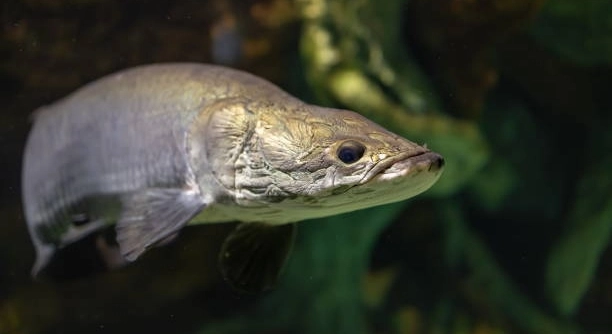
Are your Arowana swimming oddly or showing signs of stress in their tank? Many fish owners notice changes in behavior or appearance without realizing the cause might be an imbalance in the aquarium environment.
Tank imbalance in Arowana aquariums typically arises from fluctuations in water parameters, poor filtration, overcrowding, or irregular maintenance. These factors disrupt the fish’s natural habitat, leading to stress, illness, and altered behavior that can impact their overall health.
Identifying these signs early is essential for keeping your Arowana thriving and maintaining a harmonious aquatic environment for long-term care.
Uneven Swimming Patterns
When an Arowana struggles to swim straight or constantly tilts to one side, it is often a sign of water imbalance. This can be caused by uneven temperature, pH fluctuations, or insufficient oxygen levels. Fish rely on stable water conditions to maintain buoyancy and energy for normal swimming. Changes in behavior, such as rubbing against tank walls or floating at odd angles, indicate stress and potential health issues. Monitoring your tank with reliable equipment can help identify when conditions are off. Adjusting aeration, temperature, and regular water checks can restore balance. Uneven swimming is a visible indicator that something in the environment is disrupting the fish’s natural rhythm. Paying close attention to these signs ensures problems are addressed early, reducing the risk of disease or permanent damage to your Arowana. Consistent care and observation are essential for maintaining a stable habitat.
Unstable swimming is often linked to oxygen deficiency or improper water flow. Correcting these factors improves the fish’s movement and overall health.
Regular water testing, proper filtration, and avoiding sudden changes in tank setup help maintain consistent swimming patterns. Ensuring the tank is neither overcrowded nor exposed to strong currents allows your Arowana to glide naturally, conserving energy and reducing stress. Over time, a well-maintained environment strengthens immunity and prevents behavioral issues. Observation of swimming habits should be part of routine care, as early intervention can prevent serious health consequences. Arowanas thrive in tanks where temperature, pH, and oxygen are consistently monitored and adjusted, leading to stable swimming and a healthier fish overall.
Loss of Appetite
A sudden decrease in feeding is a clear sign that the tank environment may be affecting your Arowana.
Water quality directly impacts digestion and willingness to eat. Poor filtration, high ammonia levels, or unbalanced pH can stress the fish and suppress appetite. Overfeeding or introducing new foods too quickly may also cause digestive discomfort. Monitoring feeding habits provides insight into overall health and tank conditions.
Consistent observation of appetite helps detect subtle problems before they escalate. Adjusting feeding schedules, maintaining clean water, and ensuring proper nutrition support normal eating behavior. When Arowanas regain their appetite, it reflects improvement in tank conditions and overall well-being. Tracking food intake alongside water parameters ensures the fish remains healthy. Regularly changing water, testing for chemical imbalances, and using quality food sources keeps digestion regular. Arowanas that eat consistently are less prone to stress-related diseases, and maintaining these habits ensures a stable, thriving tank environment.
Cloudy or Discolored Water
Cloudy or tinted water is a common indicator of tank imbalance. It often signals bacterial blooms, leftover food decay, or poor filtration, all of which can affect your Arowana’s health. Immediate attention is needed to restore clarity.
Regular cleaning and consistent water changes help prevent cloudiness. Uneaten food and fish waste accumulate quickly, causing bacterial growth that clouds water and alters chemical balance. Proper filtration ensures debris is removed efficiently. Monitoring ammonia, nitrite, and nitrate levels keeps conditions safe for your fish. Avoid overcrowding, as too many inhabitants accelerate water quality issues and can increase stress. Maintaining a routine of partial water changes, gravel vacuuming, and filter maintenance keeps the water clear and healthy, directly supporting your Arowana’s natural behavior and immune system.
Clear, stable water promotes proper oxygenation, encourages feeding, and reduces stress-related behavior. A well-maintained tank helps your Arowana stay active and healthy. Consistency in cleaning and monitoring prevents recurrence of discoloration and supports long-term aquatic stability.
Frequent Gasping at the Surface
Arowanas often gasp at the water surface when oxygen levels are low or water quality is poor. This behavior is a sign of immediate imbalance and requires intervention.
Surface gasping indicates insufficient dissolved oxygen or excessive toxins in the water. Filtration systems that fail to circulate water properly or a tank with high temperatures can worsen oxygen depletion. Observing this behavior early allows for corrective actions like adding aeration devices or performing partial water changes. Maintaining a consistent water flow and monitoring chemical levels ensures your fish can breathe comfortably.
Correcting the underlying cause of gasping improves overall health. Aerators, proper filtration, and temperature regulation increase oxygen levels and reduce stress. Consistent maintenance prevents this issue from recurring. Oxygen-rich, clean water supports feeding, activity, and immune function. By addressing gasping behavior promptly, you prevent long-term damage and create a stable, thriving environment for your Arowana.
Fin Clamping
Fin clamping occurs when an Arowana keeps its fins close to its body instead of spreading them naturally. This is often a response to stress from poor water conditions or sudden environmental changes. Immediate attention to water quality is important to prevent health issues.
Low oxygen, high ammonia, or sudden temperature shifts can trigger fin clamping. Observing your fish regularly allows you to spot this behavior early. Adjusting water parameters, maintaining stable temperature, and ensuring proper filtration help your Arowana feel secure and reduce stress, encouraging natural fin movement.
Lethargy
Prolonged inactivity or lethargy is a common sign of imbalance in the tank. Arowanas may rest at the bottom or avoid swimming when stressed.
Water conditions directly affect energy levels. High ammonia, nitrite spikes, or improper pH can weaken your fish. Ensuring clean water, proper oxygenation, and a consistent feeding routine restores vitality.
Visible Spots or Lesions
Red spots, white patches, or lesions on an Arowana’s body often indicate stress or infection caused by poor water quality. Immediate adjustments to tank conditions are essential to prevent disease.
FAQ
How often should I test my Arowana’s water?
Testing water at least once a week is essential. Regular checks for pH, ammonia, nitrite, and nitrate help maintain a stable environment. Sudden fluctuations can stress your Arowana, so early detection ensures quick adjustments and keeps your fish healthy.
What are the best filtration methods for Arowana tanks?
A combination of mechanical, biological, and chemical filtration works best. Mechanical filters remove debris, biological filters break down harmful toxins, and chemical filters help control impurities. Keeping the filter clean and properly sized for your tank prevents imbalance and supports stable water conditions.
Why is temperature control important?
Arowanas are sensitive to temperature changes. Maintaining a consistent temperature, usually between 75°F and 82°F (24°C–28°C), helps regulate metabolism and immune response. Sudden drops or spikes can cause stress, reduce appetite, and make the fish more susceptible to disease.
How much water should I change regularly?
Partial water changes of 20–30% every one to two weeks help remove toxins and maintain balance. Overdoing changes can stress fish, while neglecting them allows ammonia and nitrate to accumulate, which negatively affects health.
What are signs of stress in Arowanas besides swimming issues?
Other signs include loss of appetite, clamped fins, lethargy, gasping at the surface, and visible spots or lesions. Observing these behaviors early allows you to take action before serious health problems develop.
Can overfeeding cause tank imbalance?
Yes. Uneaten food decomposes, increasing ammonia and nitrate levels. Feeding smaller portions multiple times a day prevents excess waste, supports proper digestion, and reduces the risk of water quality issues.
How do I introduce a new Arowana to my tank?
Acclimate the fish slowly by floating the bag in the tank for 20–30 minutes, gradually adding tank water. This helps the fish adjust to temperature and water chemistry, reducing stress and preventing sudden imbalances.
Is overcrowding harmful to Arowanas?
Overcrowding increases waste and competition for oxygen, which stresses fish and disrupts water quality. Ensure adequate tank size—ideally at least 250 gallons for a full-grown Arowana—and limit the number of inhabitants to maintain stability.
What should I do if my Arowana shows signs of disease?
Identify symptoms promptly and check water parameters first. Treat infections or parasites according to expert advice. Improving water quality, maintaining proper diet, and isolating affected fish if necessary are key steps to recovery.
How can I maintain long-term tank stability?
Consistent maintenance is crucial. Regular water tests, cleaning, partial changes, and monitoring behavior prevent imbalances. Proper feeding, suitable filtration, and maintaining temperature stability create an environment where Arowanas thrive and stress-related problems are minimized.
Are certain tank decorations helpful or harmful?
Decorations should not restrict swimming or trap debris. Smooth surfaces, proper hiding spots, and avoiding sharp objects protect fins and scales. Overcrowded decorations can increase waste buildup and disrupt water flow, causing imbalance.
What role does oxygenation play in tank balance?
Proper aeration ensures sufficient dissolved oxygen, reducing stress and preventing surface gasping. Adding air stones, proper filtration flow, and plants that produce oxygen can maintain healthy levels and promote natural behavior.
Can water pH swings affect my Arowana?
Yes. Rapid pH changes can weaken the immune system and alter metabolism. Maintain a stable pH between 6.5 and 7.5, and avoid sudden chemical additives or overuse of treatments that cause fluctuations.
How do I know if my tank lighting affects my fish?
Too much or too little light can stress Arowanas. Use a regular day-night cycle, avoid direct sunlight, and monitor behavior. Fish that hide constantly or show reduced appetite may be affected by improper lighting.
How important is tank size for Arowanas?
Arowanas require large tanks for swimming and growth. Small tanks increase waste concentration, limit movement, and cause stress. Proper tank size helps maintain water balance, supports activity, and reduces aggressive or stressed behavior.
Can plants help stabilize the tank?
Live plants absorb some nitrates and provide hiding spots, helping reduce stress. However, they must be suited to tropical conditions and properly maintained to avoid decaying matter that could imbalance the water.
How do I prevent recurring water problems?
Routine maintenance is key: test water, clean filters, remove debris, and maintain feeding schedules. Observing your fish and tank conditions allows early detection and correction, preventing repeated imbalances.
Are certain foods better for preventing stress-related issues?
High-quality, balanced diets reduce digestive stress and support immunity. Varying food types, including pellets and occasional live or frozen options, ensures proper nutrition and helps fish cope with environmental fluctuations.
How quickly should I react to signs of imbalance?
Immediate action is necessary. Adjust water parameters, improve aeration, and check filtration. Quick intervention reduces stress, prevents illness, and restores stable conditions for your Arowana’s well-being.
Can multiple small changes be better than a big one?
Yes. Gradual adjustments in temperature, pH, or water chemistry reduce stress. Sudden changes can shock the fish, whereas small, consistent corrections maintain balance without harming health.
How do I know my Arowana is fully recovering?
Signs include consistent swimming, normal appetite, healthy fins, clear eyes, and vibrant coloration. Regular observation and continued maintenance ensure recovery is sustained and prevent relapses.
What is the best way to monitor water quality consistently?
Use reliable test kits for ammonia, nitrite, nitrate, and pH. Keep a log of readings to detect trends and make timely corrections, maintaining a stable environment for long-term health.
How often should filters be cleaned?
Filters should be cleaned every two to four weeks, depending on tank size and stocking levels. Avoid deep cleaning that removes beneficial bacteria; rinse media gently in tank water to preserve balance.
What role does tank placement play in stability?
Avoid direct sunlight, drafts, or high-traffic areas. Temperature fluctuations and sudden disturbances can stress your Arowana, affect water chemistry, and trigger behavioral or health issues.
Can water additives help maintain balance?
Additives should be used cautiously. Dechlorinators are necessary, but other chemicals should only be applied when needed. Overuse can cause sudden parameter shifts and stress the fish.
How do I prevent disease in an Arowana tank?
Maintaining clean water, stable temperature, proper nutrition, and avoiding overcrowding are key. Quarantine new fish and observe them for signs of illness before introducing them to the main tank.
How important is consistent observation?
Daily observation helps detect subtle changes in behavior, swimming, or appetite. Early recognition of problems allows quick intervention, preventing serious health issues and maintaining a balanced environment.
What are common mistakes that lead to tank imbalance?
Overfeeding, irregular water changes, poor filtration, overcrowding, and ignoring parameter fluctuations are common causes. Avoiding these mistakes through routine maintenance ensures a healthy, stable environment for your Arowana.
How can I safely adjust pH or temperature?
Make gradual changes using buffer solutions or heaters. Rapid shifts can stress or harm your fish. Monitor readings closely during adjustments and give the fish time to acclimate to new conditions.
What signs indicate successful tank stabilization?
Your Arowana swims naturally, eats consistently, shows vibrant coloration, and displays normal behavior. Water remains clear, chemical levels stable, and stress indicators are absent. Consistency in maintenance ensures long-term stability and well-being.
How do I handle multiple signs of imbalance at once?
Address water quality first, then adjust temperature, aeration, and filtration. Observe the fish closely and make gradual changes. Treat symptoms like lethargy or fin clamping as secondary while prioritizing environmental corrections.
Can stress affect coloration?
Yes. Stress can dull colors, cause pale patches, or trigger lesions. Restoring stable water conditions, proper feeding, and low-stress environments helps colors return and keeps the fish healthy.
What is the simplest way to maintain long-term balance?
Routine care: consistent water testing, partial changes, filter cleaning, proper feeding, and observation. Stability comes from predictable, ongoing maintenance rather than occasional interventions.
How do I know if an Arowana is overfed or underfed?
Overfed fish produce excessive waste and may refuse food occasionally, while underfed fish lose weight, show lethargy, and display reduced growth. Monitoring food intake helps maintain proper nutrition and water quality.
What is the role of tank decorations in balance?
Smooth, well-placed decorations provide hiding spots without restricting swimming or trapping debris. Avoid sharp or excessive items that disrupt water flow or increase waste accumulation.
How does ammonia buildup occur?
Ammonia comes from fish waste, uneaten food, and decaying matter. Without proper filtration and water changes, levels rise, stressing fish and causing illness. Regular maintenance prevents dangerous accumulation.
Are live plants beneficial for Arowanas?
Yes, they absorb some nitrates, produce oxygen, and reduce stress by providing hiding spots. Proper care ensures they don’t decay and disrupt water quality.
Can Arowanas recover fully from tank imbalance?
With prompt intervention, proper care, and consistent maintenance, Arowanas can recover. Healthy behavior, appetite, and coloration indicate successful recovery and long-term well-being.
How do I prevent recurring imbalance?
Maintain consistent water changes, filtration, feeding routines, and observation. Avoid overcrowding, sudden chemical additions, and rapid environmental changes. Stability comes from routine care and early detection of issues.
What are safe ways to improve oxygen levels quickly?
Use air stones, increase surface agitation, and ensure proper filtration flow. Live plants also contribute oxygen. These methods support breathing and reduce stress until water parameters stabilize.
How can I reduce stress in a newly set-up tank?
Introduce fish gradually, maintain stable temperature and pH, provide hiding spots, and avoid sudden disturbances. Consistent monitoring helps new Arowanas adjust comfortably.
How do I know my maintenance schedule is effective?
Water clarity, stable chemical levels, healthy behavior, and normal feeding patterns indicate a successful schedule. Adjust as needed based on observation and test results.
Is it necessary to quarantine new fish?
Yes. Quarantine prevents disease introduction, reduces stress, and allows observation before mixing with established Arowanas. It helps maintain long-term tank stability.
How do I safely correct high nitrate levels?
Perform partial water changes, ensure proper filtration, and avoid overfeeding. Gradual reduction prevents sudden stress while improving water quality.
What should I do if my Arowana refuses food for several days?
Check water parameters, temperature, and oxygen levels first. Adjust conditions, offer high-quality food, and monitor behavior. Persistent refusal may require professional advice.
Can tank imbalance affect growth?
Yes. Poor water quality, stress, or inconsistent feeding slows growth and weakens immunity. Stable conditions and proper nutrition support healthy development.
How do I balance tank parameters without causing stress?
Make small, gradual adjustments in pH, temperature, or water chemistry. Monitor the fish and test water regularly to ensure stability while minimizing stress.
What are the first steps when noticing multiple imbalance signs?
Check water parameters, clean the tank, ensure filtration is working, and observe the fish closely. Gradual corrections reduce stress and improve overall health.
How long does it take for Arowanas to recover after correcting tank imbalance?
Recovery varies depending on severity. Some fish show improvement within days, while full recovery of color, appetite, and behavior can take weeks with consistent care.
How important is tank location for long-term stability?
Place the tank away from drafts, direct sunlight, and high-traffic areas. Stable environmental conditions reduce stress and help maintain water parameters.
Can changing water too frequently harm Arowanas?
Yes. Sudden or large water changes can shock fish. Partial, gradual changes maintain stability while improving water quality safely.
What are the signs that an Arowana is thriving in a stable tank?
Active swimming, consistent feeding, clear eyes, vibrant coloration, and healthy fins indicate the fish is comfortable and thriving in a balanced environment.
How do I manage multiple Arowanas in one tank?
Ensure adequate space, proper filtration, and careful observation for aggression. Maintaining stable water conditions supports coexistence and reduces stress-related behaviors.
How do I prevent stress-related illness long-term?
Consistent water quality, proper diet, appropriate tank size, and regular observation are key. Early intervention prevents minor issues from becoming serious.
How can I simplify maintenance without compromising stability?
Use efficient filters, set a routine schedule for water tests and changes, and monitor fish behavior. Streamlined processes maintain balance and reduce daily workload.
What daily checks help detect early imbalance?
Observe swimming patterns, appetite, breathing, coloration, and water clarity. These quick checks reveal problems before they escalate, allowing timely corrections.
How do I know if my tank is too small for an adult Arowana?
Signs include restricted swimming, stress behaviors, and frequent aggression. Upgrading to a larger tank ensures adequate space, better water quality, and healthier behavior.
Can temperature swings at night affect Arowanas?
Yes. Even small drops can stress fish. Use heaters or insulation to maintain a stable temperature and support normal activity and feeding.
How often should I vacuum the substrate?
Once every one to two weeks is sufficient. Removing debris prevents ammonia buildup, improves water quality, and reduces stress on your Arowana.
Are certain types of water harmful for Arowanas?
Tap water with high chlorine, heavy metals, or fluctuating pH can be harmful. Always treat or test water before adding it to the tank to maintain safe conditions.
Can stress from tank imbalance lead to sudden death?
Yes. Prolonged stress weakens the immune system and makes Arowanas susceptible to disease, sometimes resulting in sudden death if problems are not addressed promptly.
How do I maintain stable pH naturally?
Use buffering substrates, stable water sources, and minimal chemical additives. Consistent water changes and avoiding sudden adjustments help maintain a safe pH range.
What are safe feeding practices to prevent imbalance?
Feed high-quality, appropriate portions multiple times a day, remove uneaten food promptly, and avoid over-reliance on a single type of food. This reduces waste and keeps water quality stable.
How can I monitor my Arowana’s stress levels?
Observe swimming, appetite, coloration, fin position, and behavior. Persistent changes indicate stress, prompting checks of water quality, temperature, and tank conditions.
Can tank imbalance affect breeding or growth?
Yes. Stress, poor water quality, and inadequate nutrition slow growth and reduce reproductive readiness. Stable conditions promote development and natural breeding behaviors.
How do I ensure long-term success with an Arowana tank?
Maintain consistent care routines, monitor water quality, provide proper nutrition, and observe behavior daily. Early detection of issues prevents imbalance and supports thriving, healthy fish.
How do I address slow recovery after correcting water issues?
Check for lingering toxins, disease, or improper nutrition. Continue gradual maintenance, provide high-quality food, and monitor stress indicators to support full recovery.
What is the most important factor in preventing tank imbalance?
Consistency in maintenance, feeding, and observation is key. Stable water parameters and a predictable environment reduce stress and promote long-term health.
How do I safely remove debris without disturbing the tank?
Use a gravel vacuum during partial water changes and gently clean surfaces. Avoid stirring up sediment excessively to prevent sudden ammonia spikes.
Can temperature differences between the top and bottom of the tank matter?
Yes. Stratification can affect oxygen levels and metabolism. Proper circulation ensures uniform temperature and stable living conditions for your Arowana.
How do I detect hidden water quality issues?
Regular testing for ammonia, nitrites, nitrates, pH, and temperature reveals problems not visible to the eye, allowing proactive maintenance and prevention of imbalance.
How can I prevent recurring stress signs?
Maintain stable water conditions, avoid overcrowding, provide proper nutrition, and monitor behavior. Early intervention ensures ongoing health and stability.
Is it necessary to adjust tank conditions seasonally?
Yes, seasonal temperature changes may require minor adjustments in heating or aeration. Consistency in water chemistry remains crucial despite seasonal shifts.
How do I balance multiple water parameters simultaneously?
Make gradual adjustments, monitor each parameter individually, and avoid sudden chemical additions. Stable, incremental changes minimize stress and promote a healthy environment.
Can using tap water without treatment harm Arowanas?
Yes. Chlorine, chloramine, or heavy metals can damage gills and stress fish. Always treat water or use safe sources to maintain balance.
What should I do if multiple Arowanas are stressed at once?
Check water parameters first, perform partial changes, improve aeration, and monitor behavior. Gradual interventions reduce stress and prevent long-term health issues.
How do I maintain balance when adding new decorations?
Rinse decorations thoroughly, avoid overcrowding, and monitor water flow. New items can trap debris or alter water chemistry if not properly prepared.
Can fluctuations in tank lighting affect stress levels?
Yes. Inconsistent light cycles can disturb behavior and feeding. Maintain a regular day-night cycle for stability and reduced stress.
How do I know if my maintenance tools are effective?
Reliable test kits, clean filters, and functional heaters or aerators ensure tasks are completed correctly. Monitor fish behavior and water clarity to confirm effectiveness.
Can an Arowana recover from multiple stress signs simultaneously?
Yes, with consistent care, gradual adjustments, and observation. Correcting environmental factors first supports recovery of appetite, swimming, and coloration.
How long should I observe behavior after making changes?
Monitor daily for at least one to two weeks. Consistent observation ensures adjustments are effective and detects lingering stress or imbalance.
What is the best method for partial water changes?
Remove 20–30% of water, clean debris, refill with treated water at matching temperature, and monitor parameters. Gradual changes maintain stability.
How important is filter flow rate for Arowanas?
Proper flow ensures debris removal, oxygenation, and chemical balance. Too strong or weak flow can stress fish and disrupt water quality.
How do I safely acclimate new fish to prevent imbalance?
Float the bag in the tank for 20–30 minutes, gradually add tank water, and monitor behavior. Slow introduction reduces stress and chemical shock.
Can tank imbalance affect behavior long-term?
Yes. Chronic stress from poor water quality can lead to persistent lethargy, aggression, or appetite issues. Consistent care helps prevent lasting effects.
How do I know when my tank is fully balanced?
Stable water parameters, clear water, healthy behavior, consistent feeding, and vibrant coloration indicate a fully balanced environment
Maintaining a balanced tank is essential for the health and well-being of your Arowana. Water quality, temperature, oxygen levels, and proper filtration all play a crucial role in creating a stable environment. When these factors are consistent, your fish can swim naturally, feed regularly, and display vibrant colors. Observing your Arowana daily allows you to notice any changes in behavior or appearance, which can signal an imbalance before it becomes a serious problem. Simple habits like partial water changes, gravel cleaning, and filter maintenance can prevent most common issues. Ensuring that your tank is neither overcrowded nor exposed to sudden environmental changes also helps maintain stability. A well-maintained tank provides a safe and comfortable home where your fish can thrive, and it reduces the risk of stress-related illnesses.
Stress in Arowanas often results from sudden fluctuations in tank conditions. Temperature swings, high ammonia or nitrite levels, and poor oxygenation can all trigger health problems and alter behavior. Signs such as clamped fins, loss of appetite, lethargy, or gasping at the surface indicate that the tank environment needs attention. Addressing these issues promptly ensures that your fish remains active and healthy. Consistent monitoring and careful observation are key to preventing these problems. Gradual adjustments in water chemistry, careful feeding, and proper filtration create a predictable environment that minimizes stress. Over time, these practices help your Arowana adapt well to its surroundings and maintain long-term health. Even small improvements in water conditions can significantly enhance your fish’s behavior, appetite, and overall vitality.
Creating and maintaining a balanced tank requires patience and routine, but the results are rewarding. Arowanas respond positively to stable conditions and consistent care. High-quality food, proper tank size, and suitable decorations support their well-being while preventing environmental stress. Avoiding sudden changes in lighting, temperature, or chemical additives helps sustain stability. Daily observation of swimming patterns, feeding habits, and physical appearance allows you to detect issues early and take corrective action. By focusing on consistent maintenance and attentive care, you create a harmonious aquatic environment that supports your Arowana’s growth, health, and natural behavior. Over time, these practices establish a reliable routine that keeps your fish thriving, ensuring a long and healthy life in a safe, balanced tank.

Hello,
If you enjoy the content that we create, please consider saying a "Thank You!" by leaving a tip.
Every little bit helps us continue crafting quality advice that supports the health, happiness, and well-being of pets around the world, for pets of all shapes, sizes, and species.
We really appreciate the kindness and support that you show us!