
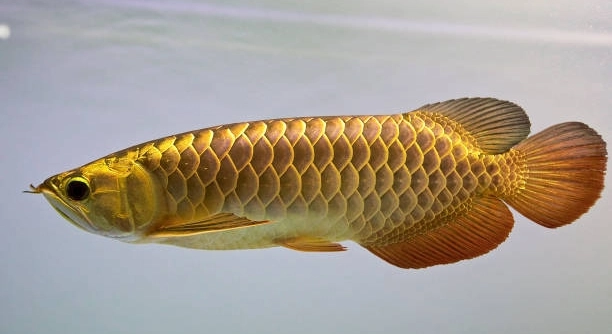
Do your arowana often flare its gills while swimming around the tank? This behavior can catch your attention, especially if it happens frequently. Observing your fish closely can reveal subtle signs of its health and mood.
Frequent gill flaring in arowanas is typically a response to environmental stressors, territorial displays, or changes in water conditions. It serves as a warning signal, allowing the fish to communicate dominance, detect threats, or adapt to its surroundings effectively.
Understanding why your arowana exhibits this behavior can help improve its tank environment and overall well-being, ensuring a calmer and healthier fish in the long term.
Common Reasons for Gill Flaring
Arowanas often flare their gills when they feel stressed or threatened. Changes in water temperature, poor water quality, or overcrowding can trigger this behavior. Territorial instincts also play a role, especially in smaller tanks. Aggressive interactions with other fish or even their reflection can lead to frequent gill displays. Observing the timing and frequency of gill flaring helps identify patterns in their behavior. By noting what is happening in the tank, it becomes easier to make small adjustments. Proper filtration, regular water changes, and maintaining consistent temperature can reduce stress. Avoid sudden movements near the tank, as arowanas are sensitive to external disturbances. Tank decorations should allow enough space for swimming without causing feelings of confinement. Diet also affects behavior; a balanced feeding schedule can keep the fish calm. Overfeeding or underfeeding can create stress responses, leading to more frequent gill flaring. Understanding these factors ensures healthier behavior and prevents long-term issues.
Maintaining stable water conditions is essential for preventing stress-induced gill flaring.
Monitoring your arowana closely, adjusting water quality, and providing sufficient space can dramatically reduce unnecessary displays. Consistency creates a calm environment.
Signs of Stress in Arowanas
Stress in arowanas can manifest beyond gill flaring. Lethargy, loss of appetite, or hiding frequently are common indicators.
Long-term stress can affect growth and immunity. Arowanas under persistent stress may develop health issues like fin rot or weakened resistance to diseases. Overcrowded tanks or aggressive tankmates increase stress levels. Noise, vibrations, and constant activity around the tank can also disturb them. Identifying stress early allows for corrective measures, such as increasing space, reducing tankmates, or adjusting lighting. Feeding routines should remain consistent, and high-quality food helps maintain energy and overall health. Maintaining clean water and checking for chemical imbalances are critical steps. Even small changes, like rearranging tank decorations, can reduce perceived threats and promote a stable environment. Observing their behavior daily helps detect early warning signs. Interventions, including water testing and environmental adjustments, protect your arowana’s health. Reducing stress not only minimizes gill flaring but also encourages natural behaviors, vibrant coloration, and stronger immune response over time.
Environmental Factors Affecting Gill Flaring
Water temperature fluctuations can trigger gill flaring. Sudden changes make arowanas uncomfortable and stressed, causing them to react defensively. Consistent temperature control is important to maintain calm behavior.
Maintaining stable water parameters is crucial for your arowana’s health. Sudden drops or spikes in temperature can affect metabolism, breathing, and overall comfort. Filtration systems should be efficient to keep ammonia, nitrite, and nitrate levels low, while regular water changes prevent buildup of harmful substances. Adequate oxygenation reduces the need for excessive gill movement, keeping your fish relaxed. Even small imbalances can lead to frequent gill flaring, signaling that adjustments are needed promptly. Observation helps identify specific triggers in the tank environment.
Tank size and layout also influence gill flaring. Crowded spaces or sharp decorations can make arowanas feel threatened. Providing enough room for free swimming and hiding spots can significantly reduce stress. Decorations should not restrict movement or create blind spots that provoke defensive behavior. Monitoring fish reactions to each change helps fine-tune the environment. Consistency in tank conditions promotes natural behavior patterns, reducing repeated gill flaring. Adjustments should be gradual to prevent further stress and allow the fish to acclimate comfortably.
Diet and Feeding Habits
Feeding frequency and diet quality directly affect arowana behavior. Overfeeding or poor nutrition can increase stress levels. Proper diet supports health and reduces defensive gill flaring.
Providing a balanced diet is essential for arowana health. High-protein foods like live or frozen fish, shrimp, and insects help maintain energy levels and proper growth. Avoid overfeeding, as uneaten food can decay and compromise water quality. Feeding at consistent times prevents anxiety and establishes a predictable routine. Supplements like vitamins can enhance immunity and overall vitality. Observing how your arowana reacts after feeding helps identify dietary needs or potential sensitivities. Regular assessment of feeding behavior ensures the fish receives adequate nutrition without contributing to stress.
Feeding techniques also matter. Tossing food in different areas encourages natural hunting behavior, keeping your arowana engaged and active. Splitting meals into smaller portions can prevent overeating while maintaining interest. Rotating food types supports balanced nutrition and reduces boredom. Monitoring leftover food prevents water contamination, which can trigger gill flaring and other stress behaviors. Adjusting portion sizes based on activity level and tank conditions ensures the fish remains healthy and comfortable. A controlled feeding routine promotes calm behavior and improves overall tank harmony.
Tankmates and Social Behavior
Aggressive or overly active tankmates can cause your arowana to flare its gills frequently. Territorial disputes and perceived threats trigger defensive displays. Proper selection of compatible fish reduces stress and promotes calmer behavior.
Even the presence of smaller, fast-moving fish can make an arowana feel threatened. Observing interactions and adjusting tankmates helps maintain a peaceful environment.
Oxygen Levels and Water Flow
Low oxygen levels or poor water circulation often lead to gill flaring. Arowanas breathe more rapidly to compensate, which can signal an underlying water quality issue. Ensuring proper aeration and circulation supports healthy respiration and reduces stress-induced behaviors.
Lighting and Day-Night Cycle
Inconsistent lighting can affect arowana behavior. Bright lights or abrupt changes in light intensity may trigger gill flaring. Maintaining a stable day-night cycle helps the fish adjust naturally and feel secure in its environment.
Continue the article with the following outline. Bold the questions. Do not write an intro for each header, get straight to the point. Do not use a greeting. Make it feel slightly personal. Write in a simplistic style.; Outline: ; FAQ (write at least 500 words); Note: Skip the intro, get straight to the point. The rest of the headers will be provided later, so do not write them yet. Skip the conclusion, and recap. Respect the given word count for every paragraph.
Observing your arowana’s gill-flaring behavior can provide valuable insight into its overall well-being. Frequent gill flaring is often a response to environmental factors, dietary issues, or social interactions in the tank. Paying attention to when and how often your fish flares helps identify potential stressors. Tank conditions like water quality, temperature stability, and oxygen levels play a significant role in how comfortable your arowana feels. Maintaining consistent water parameters, providing adequate filtration, and performing regular water changes reduce stress and support natural behavior. Even small adjustments, such as rearranging decorations or increasing swimming space, can make a noticeable difference in the frequency of gill flaring. Observing these patterns over time allows you to make informed decisions that enhance the fish’s health and comfort.
Diet and feeding practices also influence gill-flaring behavior. Arowanas need a balanced diet with sufficient protein to stay active and healthy. Overfeeding or inconsistent feeding schedules can increase stress, while underfeeding may reduce energy and cause defensive responses. Rotating food types and providing live, frozen, or high-quality prepared foods ensures proper nutrition and engages the fish in natural feeding behavior. Monitoring leftover food and avoiding overfeeding helps maintain water quality, which in turn reduces stress-induced gill flaring. Even subtle changes in feeding routines, such as splitting meals into smaller portions or offering food in different areas of the tank, can improve behavior and create a calmer environment. Observing how your arowana reacts to diet changes provides clues about its preferences and helps refine feeding strategies.
Social dynamics and environmental stability are equally important for minimizing gill-flaring episodes. Aggressive or overly active tankmates can provoke defensive behavior, while calm, compatible fish help maintain a peaceful environment. Lighting consistency and a stable day-night cycle support natural rhythms and reduce anxiety. Handling, tank maintenance, or sudden movements should be done gently and gradually to avoid unnecessary stress. Even minor disturbances, such as vibrations or reflections, can trigger gill flaring if the fish feels threatened. By maintaining a predictable and stable environment, you create conditions where your arowana can feel secure, swim freely, and display natural behavior. Overall, understanding the causes of gill flaring and taking proactive measures ensures a healthier, calmer fish and contributes to a long-term positive aquarium experience.

Hello,
If you enjoy the content that we create, please consider saying a "Thank You!" by leaving a tip.
Every little bit helps us continue crafting quality advice that supports the health, happiness, and well-being of pets around the world, for pets of all shapes, sizes, and species.
We really appreciate the kindness and support that you show us!