
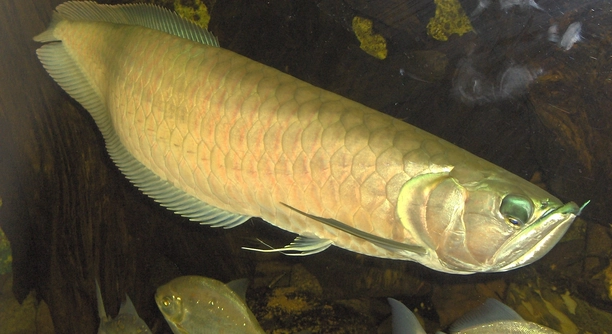
Do you ever notice your Arowana swimming listlessly or hiding more than usual in its tank? These behaviors may indicate that your fish needs more interaction to stay healthy and engaged in its environment.
Arowanas require regular social and environmental interaction to maintain both physical and psychological well-being. Lack of engagement can lead to stress, reduced activity, and abnormal behaviors, signaling the need for owners to increase interaction and stimulation.
Observing subtle changes in your Arowana’s behavior can be essential for its overall health. Recognizing these signs early helps ensure your fish remains active, happy, and properly stimulated in its aquatic home.
Lack of Active Swimming
When Arowanas are not receiving enough interaction, one of the first noticeable signs is reduced swimming activity. Normally, these fish are naturally energetic, exploring the tank and investigating their surroundings. A sudden change in behavior, such as lingering at the bottom or near the corners of the tank, may indicate boredom or stress. Interaction through feeding routines, gentle tank tapping, or presence near the tank can stimulate movement. In addition, adding floating toys or safe decorations can encourage exploration and prevent lethargy. Ensuring the tank environment mimics aspects of their natural habitat, such as open swimming areas combined with hiding spots, helps maintain mental engagement. Consistent observation allows owners to detect subtle changes before they escalate into serious health problems. Lack of movement can lead to poor appetite and weaken the immune system, making timely intervention essential. Providing small, manageable forms of engagement daily promotes a healthier and more active Arowana.
Reduced swimming activity is often the first clear sign of insufficient interaction in Arowanas.
Encouraging your Arowana to move more can involve structured routines and environmental enrichment. Adding floating objects, safe plants, or rearranging decorations slightly every few days keeps them mentally stimulated. Regular interaction during feeding, like hand-feeding or tapping on the glass, also promotes activity. Over time, these small adjustments can improve energy levels, reduce stress, and prevent long-term behavioral issues caused by inactivity.
Refusal to Eat
A sudden decline in appetite can indicate that an Arowana is not receiving enough engagement. When fish are stressed or bored, they may ignore food or show selective feeding behaviors, consuming only their favorite items. Monitoring feeding habits is essential, as prolonged refusal to eat can lead to weight loss and weakened immunity. Offering a variety of foods and alternating feeding techniques can rekindle interest. Using live or frozen prey can encourage natural hunting instincts and improve interaction between the fish and its environment. Even simple gestures, such as tapping lightly on the glass or presenting food at different locations, can stimulate curiosity and feeding response. Proper interaction ensures that the fish remains both physically nourished and mentally active. Early recognition of feeding changes allows owners to address engagement gaps promptly, supporting the Arowana’s long-term health and reducing risks of stress-related illness.
Adjusting feeding routines and providing engaging food experiences can restore appetite and stimulate natural behaviors.
When an Arowana refuses to eat, modifying the feeding approach often helps restore interest. Rotating diets with live, frozen, and pellet foods encourages hunting behavior and mental stimulation. Small variations, such as offering food in different tank areas, increase engagement and reduce monotony. Observing how the fish responds can guide future interactions, ensuring it remains active and healthy. Arowanas also benefit from consistent feeding schedules, which build trust and predictability. Interaction during feeding strengthens the bond between owner and fish while providing necessary stimulation to prevent stress. Over time, these methods improve appetite, promote natural behaviors, and enhance overall well-being, making the fish more resilient to environmental changes and long-term health issues.
Restlessness and Pacing
Restlessness in Arowanas often shows as repeated swimming back and forth along the tank glass. This behavior usually signals that the fish needs more interaction or environmental stimulation to feel comfortable.
Pacing along the tank walls is a common sign of boredom or stress in Arowanas. When left without enough engagement, they may develop repetitive swimming patterns, constantly moving from one end of the tank to the other. This behavior indicates that the fish is searching for stimulation or trying to interact with its environment. Providing toys, rearranging tank decorations, or varying feeding locations can reduce this restlessness. Interaction from owners, such as tapping the glass gently or placing your hand near the tank, can also capture the fish’s attention. Over time, these adjustments prevent repetitive behaviors, helping the Arowana stay calm, active, and mentally healthy while reducing stress-related health risks.
Arowanas that pace constantly may also show signs of frustration or increased aggression. Such fish can benefit from consistent daily engagement, both through environmental enrichment and direct interaction. Rotating tank objects, introducing floating items, or even brief visual stimuli can redirect their focus and reduce stress. Observing how the fish responds to these changes is crucial for tailoring stimulation effectively. Restlessness can interfere with sleep and feeding habits, so timely intervention maintains both physical and psychological health. Structured interaction and attention to behavioral cues ensure the fish remains active, balanced, and less prone to stress-induced illnesses.
Hiding More Than Usual
Increased hiding behavior is a clear signal that an Arowana is not receiving enough interaction. These fish may retreat to corners, under decorations, or behind plants for extended periods.
Hiding excessively can indicate stress or a lack of engagement in the environment. Arowanas are naturally curious and active, so frequent withdrawal suggests boredom or discomfort. Encouraging the fish to explore can involve rearranging decorations, adding safe objects to investigate, or interacting during feeding times. Controlled exposure to stimuli, like gentle movements near the tank or offering live food, can reduce hiding tendencies. Ensuring the fish has both open spaces for swimming and secure areas to retreat helps balance activity and comfort. Monitoring these behaviors allows owners to address interaction gaps before they lead to stress-related illness.
Addressing excessive hiding requires consistent and mindful engagement. Gradually increasing stimuli and encouraging exploration helps rebuild confidence. Introducing safe, novel objects or slightly changing the tank layout sparks curiosity and movement. Direct interaction during feeding, such as hand-feeding or varying food locations, also encourages the fish to emerge. Reducing hiding behavior improves overall mental health, increases activity levels, and strengthens natural instincts. By observing responses and adjusting engagement accordingly, the fish can regain comfort in its environment while maintaining a balance between stimulation and security.
Aggression Toward Tank Mates
Arowanas that do not receive enough interaction may display increased aggression toward other fish. They may chase, nip, or corner tank mates more frequently than usual. Monitoring these behaviors is important to prevent injury and maintain a balanced tank environment.
Signs of aggression include rapid lunging, territorial displays, and chasing smaller or similarly sized fish. Regular engagement through feeding routines, environmental enrichment, or gentle interaction can help reduce tension. Ensuring sufficient space and hiding spots also mitigates conflict and promotes a calmer, healthier tank dynamic.
Excessive Surface Breathing
Excessive surface breathing often occurs when an Arowana is stressed or seeking stimulation. Fish may repeatedly rise to the water’s surface, appearing restless or alert.
This behavior can indicate insufficient interaction or boredom. Offering environmental changes, such as floating objects, rearranged décor, or varying feeding locations, can redirect focus. Direct engagement during feeding or gentle tank movements encourages natural behavior and reduces surface gasping.
Reduced Interaction With Owners
Arowanas may become noticeably distant or indifferent toward their owners when engagement is lacking. They may ignore gestures, feeding cues, or movements near the tank.
Reduced responsiveness to owner presence signals boredom or stress. Consistent daily interaction, such as approaching the tank, hand-feeding, or gentle tapping, can rebuild engagement. Varying interaction techniques ensures the fish remains mentally stimulated and maintains a healthy connection with its environment.
FAQ
How often should I interact with my Arowana?
Daily interaction is ideal for Arowanas to remain mentally and physically healthy. Simple actions like hand-feeding, moving near the tank, or lightly tapping the glass can stimulate curiosity. Even short sessions, 10–15 minutes per day, help reduce boredom and prevent stress-related behaviors like pacing or hiding.
Can changing the tank environment help my Arowana stay active?
Yes. Rearranging decorations, adding floating objects, or including safe plants encourages exploration. A dynamic environment simulates natural conditions and provides mental stimulation. Rotating objects occasionally prevents the tank from becoming monotonous, keeping your Arowana engaged and active over time.
Is lack of interaction dangerous for my fish’s health?
Insufficient interaction can lead to stress, decreased appetite, and lethargy. Stress weakens the immune system, making Arowanas more susceptible to disease. Behavioral problems, such as aggression toward tank mates or excessive hiding, can also develop. Timely interaction helps maintain both mental and physical well-being.
What are simple ways to increase interaction without stressing my Arowana?
Introduce small changes gradually. Offer live or frozen food, reposition décor, or use floating toys to encourage natural hunting and exploration instincts. Gentle hand-feeding or tapping the tank lightly can draw attention without causing fear. Consistency in these interactions helps your Arowana adjust comfortably.
Can my Arowana recognize me over time?
Yes, Arowanas can learn to associate regular interaction with positive experiences like feeding. They may swim closer or show curiosity when you approach the tank. Maintaining daily engagement strengthens this recognition and encourages active, confident behavior.
How do I know if my Arowana is stressed from lack of interaction?
Signs include pacing, excessive hiding, refusal to eat, aggression, or surface gasping. Monitoring these behaviors allows early identification of stress. Addressing interaction gaps promptly can prevent long-term health issues and maintain your fish’s natural energy levels.
Is hand-feeding necessary for engagement?
Hand-feeding is not strictly necessary but is highly effective. It creates a direct bond and encourages active participation in feeding routines. If hand-feeding is not possible, using feeding tools or varying food delivery locations still stimulates mental engagement.
Can interaction help reduce aggression toward other tank mates?
Yes. Regular engagement redirects energy and prevents frustration. Providing ample space, hiding spots, and enrichment objects combined with consistent attention reduces territorial behavior and promotes a calmer tank environment.
Should I adjust feeding times to improve interaction?
Yes. Establishing a consistent feeding schedule helps the Arowana anticipate interaction. Varying feeding times slightly or offering food in different tank locations can stimulate curiosity, encourage exploration, and prevent boredom.
How do I balance interaction with giving my Arowana space?
Provide both active engagement and quiet areas for retreat. Arowanas need open swimming space and secure hiding spots. Interaction should be gentle and brief initially, gradually increasing as the fish becomes comfortable with your presence. This balance supports mental stimulation without causing stress.
Can environmental enrichment replace direct interaction?
Environmental enrichment complements but does not fully replace direct interaction. Toys, rearranged décor, and live food encourage activity, but regular presence and engagement from the owner remain essential to prevent behavioral issues. Combining both approaches ensures a healthier, happier Arowana.
What are signs that interaction efforts are working?
Positive signs include more active swimming, increased feeding response, reduced hiding, and curiosity toward the owner. The fish may pace less, display calmer behavior, and engage with new objects or stimuli introduced into the tank. Consistent observation helps gauge progress.
How long does it take to see changes from increased interaction?
Changes can be noticeable within a few days to weeks, depending on the Arowana’s temperament and prior stress levels. Regular, consistent engagement combined with environmental enrichment typically results in improved activity, reduced aggression, and greater responsiveness over time.
Are certain Arowanas more interactive than others?
Yes. Individual temperament, age, and prior experiences affect how interactive a fish may be. Younger fish or those raised with regular engagement tend to be more responsive. Observing your Arowana’s behavior helps tailor interaction methods effectively.
Can interaction prevent health problems long-term?
Consistent engagement reduces stress, encourages proper feeding, and promotes natural behaviors. These factors support immune function, reduce the likelihood of disease, and improve overall well-being, making interaction a key component of long-term care.
How do I safely introduce new interaction methods?
Introduce changes gradually to avoid startling the fish. Use slow movements, small objects, or brief feeding variations first. Observe responses carefully, and adjust intensity or duration as needed. Gradual introduction ensures the fish adapts comfortably and remains active and healthy.
What if my Arowana remains uninterested despite efforts?
Persistent lack of response may indicate illness, water quality issues, or environmental problems. Check water parameters, diet, and tank conditions. Consulting a veterinarian or experienced aquarist can help identify underlying causes and guide appropriate intervention.
Are there risks to over-interacting with Arowanas?
Yes. Excessive tapping, constant presence, or stressful stimuli can increase stress levels. Interaction should be measured and consistent, not overwhelming. Observing the fish’s comfort and adjusting engagement ensures benefits without negative effects.
Can multiple Arowanas benefit from shared interaction routines?
Yes. Structured feeding, environmental enrichment, and gentle presence benefit multiple fish simultaneously. However, ensure sufficient space and hiding spots to prevent competition or aggression. Balanced routines maintain engagement while respecting individual territorial needs.
Is it normal for interaction levels to fluctuate over time?
Yes. Arowanas may show varying interest depending on mood, health, or environmental factors. Flexibility in interaction, combined with monitoring behavior, helps maintain consistent engagement without causing stress. Adjusting routines to suit the fish’s needs supports long-term well-being.
How can I track improvements from interaction?
Keep a simple journal of behaviors, feeding responses, and activity levels. Note changes after introducing new stimuli or interaction routines. Tracking progress helps identify effective strategies and ensures your Arowana remains mentally and physically healthy.
Does tank size affect interaction needs?
Larger tanks may require more stimulation or environmental enrichment to prevent boredom. Adequate space for swimming, exploration, and hiding is essential, while interaction helps maintain curiosity and prevents inactivity regardless of tank size.
How can I combine feeding and interaction effectively?
Use feeding as an opportunity for engagement. Hand-feeding, varying locations, and introducing live or frozen food stimulate natural instincts. Feeding routines become both a nutritional and mental enrichment tool, supporting overall activity and well-being.
What is the minimum interaction required for a healthy Arowana?
At a minimum, short daily engagement, consistent feeding routines, and occasional environmental changes are necessary. Even brief sessions help maintain curiosity, prevent stress, and support natural behaviors, ensuring the fish remains healthy and active over time.
Can interaction influence lifespan or quality of life?
Yes. Regular mental and physical stimulation reduces stress, encourages activity, and improves immunity. A well-engaged Arowana is less prone to disease and behavioral problems, supporting a longer, healthier, and more fulfilling life.
Final Thoughts
Caring for an Arowana goes beyond providing food and clean water. These fish are intelligent and naturally curious, and their mental health is just as important as their physical well-being. Lack of interaction can lead to stress, behavioral issues, and even health problems over time. Recognizing the signs that your Arowana needs more engagement, such as pacing, hiding, aggression, or refusal to eat, is the first step in maintaining a healthy fish. Addressing these signs promptly helps prevent long-term issues and ensures that your fish remains active, alert, and content in its tank. Interaction does not need to be complicated or time-consuming, but consistency is key. Simple actions like hand-feeding, gently tapping the tank, or varying the placement of food and decorations provide valuable stimulation. These interactions, combined with environmental enrichment, support natural instincts like exploration, hunting, and territorial behavior in a controlled and safe manner.
Creating a balanced environment for your Arowana is crucial. Open swimming space, safe hiding spots, and engaging tank decorations all contribute to mental stimulation. Changing the layout of the tank occasionally or adding floating objects can keep your fish interested and prevent boredom. Observation is important; monitoring behavior allows you to understand which forms of interaction your Arowana responds to best. Each fish has its own personality, and some may be naturally more curious or active, while others may be shy and require more gentle approaches. Adapting your interaction style to your fish’s temperament ensures that engagement is effective and stress-free. It also strengthens the bond between owner and fish, encouraging trust and reducing fear-related behaviors. Over time, these small adjustments create a healthier and more dynamic environment, allowing your Arowana to display natural behaviors and maintain a stable routine without feeling overwhelmed.
Interaction is an essential part of long-term care for Arowanas. Neglecting mental stimulation can affect appetite, growth, and overall health, while proper engagement encourages activity, reduces stress, and promotes a longer, healthier life. Combining daily interaction with environmental enrichment creates a well-rounded approach to care. Consistency matters more than intensity; short, regular sessions of attention are better than infrequent, lengthy efforts. Observing responses and making small, thoughtful changes ensures that your Arowana remains active and curious while minimizing stress. By paying attention to behavior and adjusting interaction accordingly, you help maintain both mental and physical well-being. Arowanas thrive when their environment is stimulating, their feeding routines are engaging, and they receive consistent attention. Providing these elements not only improves quality of life but also fosters a confident and healthy fish that displays its natural energy and intelligence. With careful attention and consistent interaction, your Arowana can lead a balanced, healthy, and fulfilling life in its tank.

Hello,
If you enjoy the content that we create, please consider saying a "Thank You!" by leaving a tip.
Every little bit helps us continue crafting quality advice that supports the health, happiness, and well-being of pets around the world, for pets of all shapes, sizes, and species.
We really appreciate the kindness and support that you show us!