
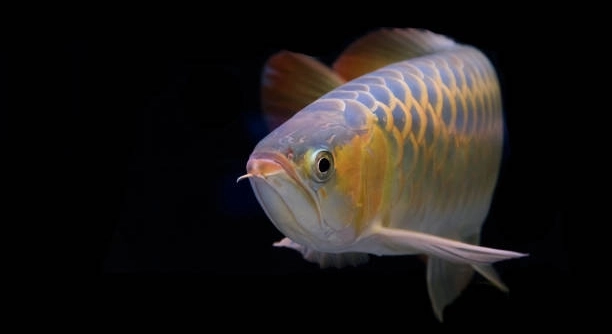
Are your Arowanas thriving, or does your tank sometimes feel overwhelming to maintain? Keeping their environment clean is essential for their health and overall well-being. Regular maintenance ensures both your fish and tank remain in optimal condition.
Proper cleaning of Arowana tanks involves consistent water changes, careful substrate maintenance, filter upkeep, and monitoring water parameters. Following these practices reduces harmful bacteria, prevents disease, and maintains a stable environment conducive to healthy fish growth and longevity.
Maintaining a clean tank goes beyond appearances. Understanding proper techniques ensures your Arowanas stay healthy and vibrant, making tank care a rewarding part of fishkeeping.
Regular Water Changes
Changing water regularly is crucial for maintaining a healthy Arowana tank. Replacing 20 to 30 percent of the water weekly helps remove toxins like ammonia and nitrites that build up over time. Fresh water maintains oxygen levels, which is essential for your fish’s respiratory health. Using a siphon or gravel vacuum during changes also removes uneaten food and debris from the substrate. Avoid changing all the water at once, as sudden shifts can stress your Arowanas and disrupt beneficial bacteria. Always treat tap water with a dechlorinator before adding it to the tank. Monitoring water temperature is equally important; adding water that is too cold or hot can shock the fish. Over time, consistent water changes reduce algae growth and keep the tank visually clear. A well-maintained water cycle ensures your Arowanas remain active, their scales retain natural coloration, and they continue to grow healthily.
Regular water changes support both tank cleanliness and fish health consistently.
By committing to scheduled water changes, you create a stable environment. This practice reduces the accumulation of harmful substances and promotes a thriving ecosystem. It also allows for routine observation of fish behavior, helping you catch early signs of stress or illness. Using a siphon makes debris removal efficient, preventing detritus from settling and breaking down into harmful compounds. Always match the replacement water’s temperature and pH to existing conditions to minimize stress. Over time, this routine becomes manageable, and your Arowanas adapt to the changes without distress. Regular partial water changes also reduce sudden algae blooms, keeping the tank visually appealing. By integrating this practice, the tank remains clean without heavy chemical intervention, and your fish enjoy a consistent, safe habitat. Proper water maintenance forms the foundation of all other tank care practices, supporting filtration, feeding, and plant health. In the long term, these small efforts result in healthier, more vibrant Arowanas that show natural behaviors freely.
Filter Maintenance
Cleaning the filter prevents debris and waste buildup. Regular checks ensure water flows smoothly and stays clear.
Filters are the backbone of a healthy Arowana tank. Neglecting them can lead to poor water quality and increased disease risk. Rinse mechanical components monthly in tank water to remove accumulated debris. Avoid using tap water, which may kill beneficial bacteria. Replace filter media according to manufacturer guidelines without disrupting the bacterial balance. Biological filters should remain partially intact to support nitrogen cycling. Check for blockages in tubing and impellers to maintain consistent water circulation. Efficient filtration also reduces odors and minimizes algae growth, improving tank aesthetics. Monitoring filter performance ensures your Arowanas experience stable water conditions, reducing stress and supporting immune function.
Proper filter upkeep contributes directly to water stability and fish health. Maintaining biological, mechanical, and chemical components ensures waste removal, stable parameters, and clear water, keeping your Arowanas vibrant and active.
Substrate Cleaning
Removing debris from the substrate prevents waste buildup and keeps the tank environment safe. Using a siphon or gravel vacuum allows you to extract uneaten food, fish waste, and detritus efficiently without disturbing your Arowanas.
Regular substrate cleaning reduces harmful bacteria and maintains water clarity. Gently stir the gravel or sand while vacuuming to lift trapped particles. Avoid deep cleaning all at once, which can disturb beneficial bacteria essential for nitrogen cycling. Pay attention to corners and areas under decorations where debris tends to accumulate. Rinse ornaments and decorations in tank water to remove buildup without using chemicals. Consistent maintenance keeps the substrate free from harmful compounds and prevents foul odors. A clean substrate also encourages natural foraging behaviors in your Arowanas, making them more active and engaged in their environment.
Using a proper cleaning routine ensures the substrate stays clean without stressing your fish. Weekly attention prevents toxic buildup, supports filtration, and promotes overall tank stability.
Temperature and Water Parameter Monitoring
Maintaining stable water parameters is critical for Arowana health. Check temperature, pH, and hardness regularly to prevent stress or illness.
Fluctuating temperatures can weaken Arowanas’ immune systems, making them susceptible to disease. Use a reliable heater and thermometer to maintain consistent warmth appropriate for your species. Monitor pH levels weekly and adjust gradually if necessary to avoid shock. Hardness and ammonia levels should be tracked to prevent harmful chemical imbalances. Frequent testing allows early detection of potential problems before they escalate. Keeping parameters stable reduces stress, supports metabolism, and promotes proper growth and coloration in your fish. Unexpected spikes in ammonia or nitrites can be avoided through regular monitoring and partial water changes.
Accurate monitoring helps create a safe, controlled environment. Maintaining ideal conditions encourages healthy behavior, enhances feeding response, and reduces susceptibility to common diseases in Arowanas.
Algae Control
Algae growth can make a tank look unclean and reduce water quality. Regular scraping of glass surfaces and careful control of light exposure keeps algae levels manageable.
Introducing live plants and avoiding overfeeding also helps minimize algae. Balanced maintenance keeps your tank clear and healthy.
Equipment Inspection
Check heaters, pumps, and lights regularly for proper function. Malfunctioning equipment can quickly affect water conditions and fish health.
Ensuring equipment operates correctly prevents sudden temperature drops or poor filtration. Replace worn-out parts promptly and verify that all systems maintain stable conditions. Consistent inspections reduce stress on Arowanas and support a balanced tank environment.
Feeding Habits
Overfeeding creates excess waste, increasing water contamination. Feed measured portions and remove uneaten food promptly to maintain water quality.
Tank Decoration Cleaning
Ornaments and decorations can accumulate debris and algae. Rinse them in tank water regularly to keep surfaces clean without harming beneficial bacteria.
FAQ
How often should I change the water in my Arowana tank?
Water should be changed partially every week, ideally 20 to 30 percent of the total volume. Frequent partial changes maintain stable water parameters, reduce harmful compounds, and prevent sudden stress for your Arowanas. Avoid replacing all the water at once, as sudden shifts can harm the fish.
What is the best way to clean the substrate?
Use a siphon or gravel vacuum to remove debris and uneaten food. Gently stir the substrate while vacuuming to lift trapped particles. Focus on corners and under decorations where waste tends to accumulate. Avoid deep cleaning the entire substrate in one session to protect beneficial bacteria.
How do I maintain the filter properly?
Rinse mechanical components monthly in tank water to remove trapped debris without killing helpful bacteria. Replace filter media according to manufacturer guidelines. Check for blockages in tubes and impellers to ensure consistent water flow. Maintaining biological, mechanical, and chemical components is essential for stable water conditions.
How can I control algae growth?
Scrape tank glass regularly and control light exposure. Avoid overfeeding, as leftover food accelerates algae growth. Adding live plants can help compete with algae for nutrients. Keeping algae under control maintains a cleaner tank and prevents reduced water quality that could stress your fish.
What water parameters should I monitor?
Regularly check temperature, pH, hardness, ammonia, and nitrite levels. Arowanas need consistent warm water, slightly acidic to neutral pH, and minimal ammonia or nitrite. Monitoring these parameters prevents stress and disease while supporting growth and proper coloration. Small adjustments should be made gradually to avoid shocking the fish.
How do I avoid overfeeding my Arowanas?
Feed measured portions appropriate for their size and species once or twice daily. Remove uneaten food after a few minutes to prevent waste accumulation. Overfeeding contributes to poor water quality, algae growth, and potential digestive issues for your fish.
How often should tank decorations be cleaned?
Rinse ornaments and decorations in tank water every few weeks. Avoid using soap or chemicals, which can harm beneficial bacteria and your fish. Regular cleaning prevents algae buildup, debris accumulation, and potential bacterial growth on surfaces, keeping the tank environment safe and healthy.
What should I do if my Arowana shows signs of stress?
Stress signs include lethargy, loss of appetite, and unusual swimming patterns. Check water parameters, temperature, and filtration immediately. Ensure the tank is not overcrowded and maintain a stable environment. Correcting conditions promptly helps your Arowanas recover and reduces the risk of disease.
Can I use tap water for water changes?
Yes, but always treat tap water with a dechlorinator before adding it to the tank. Tap water contains chlorine and chloramines that are toxic to fish. Matching the temperature and pH of replacement water to existing tank conditions minimizes stress during water changes.
How do I maintain consistent temperature in the tank?
Use a reliable heater and thermometer to monitor water temperature daily. Avoid placing the tank near drafts, windows, or heat sources that can cause fluctuations. Consistent temperature supports metabolism, immune function, and overall health of your Arowanas.
Is it necessary to test water even if the tank looks clean?
Yes. Clear water does not guarantee safe conditions. Harmful compounds like ammonia or nitrites can be present without visible signs. Regular testing ensures water is safe and stable, preventing disease and supporting long-term fish health.
How can I prevent diseases in my Arowana tank?
Maintaining clean water, proper filtration, stable parameters, and avoiding overfeeding are key. Quarantine new fish before adding them to the tank. Monitor behavior and appearance daily to catch early signs of illness. Prompt action and preventive care significantly reduce disease risks.
How often should I check the filter and equipment?
Inspect equipment weekly for proper function. Blockages, malfunctions, or worn-out parts can quickly disrupt water conditions. Timely maintenance ensures the filter, heater, and other systems maintain a stable, healthy environment for your fish.
Maintaining an Arowana tank requires consistency and attention to detail. Regular water changes, substrate cleaning, and proper filter maintenance form the foundation of healthy fishkeeping. Each of these tasks helps remove waste, prevent toxin buildup, and maintain stable water conditions. Even small lapses can affect water quality, which directly impacts the health and behavior of your Arowanas. Observing your fish daily allows you to notice changes in activity, appetite, or appearance early. Promptly addressing any issues prevents them from becoming serious problems and ensures your fish continue to thrive in a safe, balanced environment. The effort you put into regular upkeep reflects in the vitality and appearance of your Arowanas.
Water parameters and temperature stability are equally important. Arowanas are sensitive to sudden changes in their environment, so maintaining consistent conditions is essential for reducing stress. Testing for ammonia, nitrites, pH, and hardness on a regular schedule helps ensure the tank remains safe. Using a reliable heater and thermometer allows for precise control of temperature, while gradual adjustments to pH or water hardness prevent sudden shocks. Consistency in these areas supports proper metabolism, coloration, and growth, and it strengthens the immune system of your fish. Even small fluctuations can create an environment conducive to disease or stress, so careful monitoring is an integral part of tank care. Over time, this routine becomes manageable and provides a stable, thriving habitat for your Arowanas.
Tank aesthetics and cleanliness also play a role in fish health and overall satisfaction. Cleaning algae from glass surfaces, rinsing decorations, and monitoring feeding habits all contribute to a well-maintained environment. Overfeeding can cause water quality to decline quickly, while uneaten food and accumulated debris create additional maintenance work. Keeping decorations clean and free from buildup prevents harmful bacterial growth and helps the tank remain visually appealing. A clean, well-maintained tank promotes natural behaviors in Arowanas, encouraging activity and proper foraging. Following these practices consistently ensures your fish remain healthy, vibrant, and active, while also making the experience of maintaining the tank more rewarding and less stressful for you.

Hello,
If you enjoy the content that we create, please consider saying a "Thank You!" by leaving a tip.
Every little bit helps us continue crafting quality advice that supports the health, happiness, and well-being of pets around the world, for pets of all shapes, sizes, and species.
We really appreciate the kindness and support that you show us!