
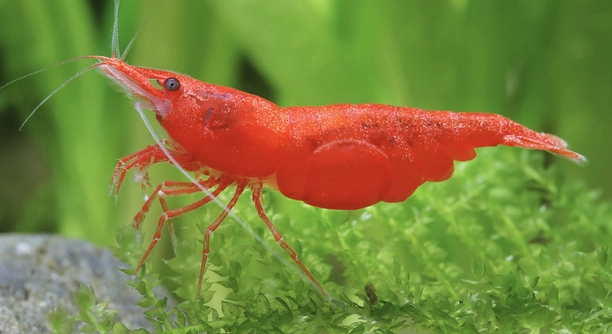
Keeping shrimp in a home aquarium can be a rewarding experience, but beginners often find their behaviors puzzling. From sudden darting to unusual hiding spots, these small creatures can act in ways that seem unpredictable.
Shrimp exhibit a range of behaviors influenced by environmental factors, social interactions, and stress levels. Understanding molting, feeding, and territorial patterns helps explain their actions, allowing hobbyists to maintain healthy and balanced aquariums while preventing common misunderstandings.
Observing these habits closely will give you the knowledge needed to care for your shrimp effectively and enjoy their unique personalities.
Constant Hiding
Shrimp often hide for reasons that are not immediately obvious to beginners. They may retreat behind decorations, plants, or rocks for comfort, stress relief, or protection. Molting is another common reason, as shrimp are vulnerable when shedding their exoskeleton. Even in a well-maintained tank, they may feel threatened by sudden movements, loud noises, or the presence of other tank inhabitants. Hiding is a natural behavior and usually not a sign of illness. Over time, observing when and where your shrimp hide can provide valuable insights into their habits. Creating safe spaces with plants, caves, or moss helps shrimp feel secure and encourages normal activity. It’s important to resist disturbing them too frequently, as this can increase stress levels and reduce feeding behavior. Some species are more timid than others, so patience is key. Understanding their need for cover will improve both their health and your satisfaction with your aquarium setup.
Shrimp hiding is normal and often indicates comfort, safety, or molting. Providing spaces reduces stress and supports healthy behavior.
Keeping shrimp in an environment that feels safe is essential. By offering plenty of hiding places, they will gradually explore more openly. Watching their behavior over time helps you notice patterns and ensures they are active and healthy. Tank setup, water quality, and gentle handling all influence whether they feel secure.
Rapid Darting
Rapid darting is a behavior that can alarm beginners. Shrimp move quickly across the tank for various reasons, including stress, excitement, or searching for food. Sudden lighting changes, strong water currents, or unfamiliar objects can trigger this reaction. Even small disturbances outside the tank may cause them to dash unpredictably. Darting is often more noticeable in active species or younger shrimp. It can indicate alertness rather than illness, but frequent erratic movement may suggest water quality issues or poor acclimation. Observing when darting occurs helps identify triggers and adjust the environment. Ensuring stable water parameters, gradual introductions of tank mates, and minimal disturbances will reduce excessive rapid movements. Proper feeding routines and a calm environment also promote normal, steady swimming behavior. Over time, shrimp learn to feel secure and darting becomes less frequent. Monitoring these patterns ensures you can maintain a balanced tank and healthy shrimp population.
Rapid darting usually reflects alertness or environmental changes. Monitoring triggers helps reduce stress and ensures smooth, normal movement in the tank.
To minimize constant darting, ensure the tank has stable conditions and gentle lighting. Sudden movements or strong currents should be avoided. Introducing shrimp slowly to new tanks or companions helps them adapt without stress. Overfeeding or irregular feeding schedules can cause competition and cause shrimp to move abruptly. By providing plants, hiding spots, and calm conditions, shrimp will explore naturally rather than react in panic. Watching their behavior consistently allows adjustments to the environment, ensuring both health and comfort. Recognizing that darting is often a natural response rather than a problem prevents unnecessary worry while helping maintain a well-functioning aquarium.
Climbing on Plants and Decorations
Shrimp often climb plants and decorations to explore or find food. This behavior is normal and indicates curiosity or the search for algae. It may also help them feel more secure in their environment.
Climbing allows shrimp to access surfaces coated with biofilm, algae, or leftover food. This natural grazing behavior supports their diet and keeps them active. Some species are more prone to climbing, especially younger or more agile shrimp. Providing vertical structures and plants encourages natural movement while preventing overcrowding on the substrate. Climbing also helps shrimp molt safely, as they can cling to stable surfaces during the process. Observing which decorations are favored gives insight into their preferences.
While climbing is normal, excessive climbing may indicate hunger or insufficient grazing opportunities. Ensuring a balanced diet and plenty of surfaces helps maintain healthy, content shrimp that interact naturally with their environment.
Molting and Shedding
Molting is essential for shrimp growth. It can make them appear lethargic or hidden, which is normal during this vulnerable stage.
During molting, shrimp shed their exoskeleton to grow a new one. This process can take several hours, and they often hide to avoid stress or predation. Water quality, diet, and tank stability influence successful molting. Calcium and mineral availability are crucial for strong exoskeleton formation. Improper conditions can lead to incomplete molts or health issues. Monitoring water parameters and providing hiding spaces ensures shrimp feel safe during this sensitive period.
After molting, shrimp may consume their old exoskeleton for nutrients, a natural and healthy behavior. Observing post-molt activity helps ensure they are recovering well. Regular tank maintenance and a mineral-rich diet support consistent, healthy molting cycles, allowing shrimp to grow steadily and maintain strength.
Shaking or Flicking
Shrimp may shake or flick their bodies briefly. This action often helps them clean their antennae or remove debris from their exoskeleton.
Flicking can also indicate minor irritation or discomfort. If it happens occasionally, it is normal. Frequent or violent shaking may signal water quality issues or stress, which should be monitored carefully.
Antennae Movements
Shrimp use their antennae to explore their surroundings and communicate. Constant movement helps them detect food, obstacles, and other shrimp. It is a key behavior for navigation and social interaction, showing they are active and alert in the tank environment.
Eating Algae or Biofilm
Shrimp spend a lot of time grazing on algae or biofilm. This behavior is essential for their nutrition and keeps the tank clean. Providing surfaces with natural growth ensures they have enough to feed on daily.
FAQ
Why do my shrimp hide all the time?
Shrimp hide frequently as a natural behavior. Hiding provides safety during molting, reduces stress from tank disturbances, and helps them feel secure around other tank inhabitants. Over time, they may spend less time hiding once they feel comfortable. Providing plants, caves, or moss encourages normal exploration and reduces constant hiding.
Why are my shrimp darting quickly across the tank?
Rapid darting is usually a response to environmental changes or perceived threats. Sudden light changes, vibrations, or new tank mates can trigger this movement. Ensuring stable water parameters, gentle handling, and minimal disturbances will reduce frequent darting and allow shrimp to move more naturally.
Is it normal for shrimp to climb decorations and plants?
Yes, climbing is part of their natural behavior. It allows them to graze on algae, explore the tank, and find safe spaces for molting. Providing vertical structures encourages climbing and helps shrimp stay active while maintaining a balanced diet.
Why do my shrimp shake or flick?
Shaking or flicking often helps clean their antennae or remove debris from the exoskeleton. Occasional movement is normal, but persistent or violent shaking can indicate stress, irritation, or water quality issues that need attention.
Why are my shrimp constantly moving their antennae?
Antennae movements are used for exploration, detecting food, and communicating with other shrimp. Constant movement shows that they are alert and actively interacting with their environment. Observing antennae behavior helps monitor their health and activity levels.
Why do shrimp graze on algae and biofilm so much?
Grazing is essential for their nutrition and keeps the tank clean. Algae and biofilm provide minerals and natural food. Ensuring surfaces with natural growth and supplementing with shrimp-safe foods maintains their diet and supports healthy growth.
Is molting dangerous for shrimp?
Molting is a vulnerable period but is not inherently dangerous. Shrimp hide during this time to protect themselves. Proper water quality, stable conditions, and a mineral-rich diet ensure successful molting. They often consume their shed exoskeleton to recycle nutrients.
What can I do if my shrimp are stressed?
Stress can result from poor water conditions, sudden changes, or aggressive tank mates. Providing hiding spots, maintaining stable water parameters, and minimizing sudden disturbances reduces stress. Monitoring behavior helps detect problems early and ensures shrimp remain healthy.
Can shrimp live with other tank mates?
Shrimp can coexist with peaceful species that do not prey on them. Avoid aggressive fish or large predators. Proper tank design with hiding spaces ensures shrimp can interact safely while staying visible during feeding and exploration.
Why do shrimp sometimes seem inactive?
Inactivity often occurs during molting, nighttime, or after feeding. It can also indicate stress or poor water conditions. Observing patterns and maintaining a consistent environment helps distinguish normal behavior from potential health issues.
How can I tell if my shrimp are healthy?
Healthy shrimp are active, eat regularly, have bright coloration, and show normal molting cycles. Antennae movement and climbing behaviors indicate alertness. Any persistent hiding, unusual flicking, or color changes may require closer attention to water quality and diet.
Do shrimp need special diets?
Shrimp require a mix of algae, biofilm, and supplemental shrimp foods rich in calcium and minerals. Balanced feeding supports growth, molting, and vibrant colors. Avoid overfeeding, as leftover food can harm water quality and stress shrimp.
How often should I clean the tank?
Regular cleaning is essential, but avoid disturbing shrimp too frequently. Partial water changes and substrate maintenance maintain water quality while keeping shrimp stress levels low. Over-cleaning can remove beneficial biofilm, so balance is key.
Why do shrimp molt more often in some tanks?
Molting frequency depends on species, age, water temperature, and nutrition. Younger shrimp molt more often to grow. Consistent water quality and a mineral-rich diet support healthy, predictable molting cycles. Observing patterns helps anticipate and protect shrimp during vulnerable periods.
Can shrimp recognize each other?
Shrimp respond to chemical cues and social interactions rather than recognition as humans understand it. They use these cues to navigate territory, find food, and communicate during molting or reproduction. Social structures influence activity and group behavior within the tank.
What should I do if a shrimp dies?
Remove the shrimp promptly to prevent water quality issues. Check water parameters and tank conditions to identify potential problems. Ensuring proper diet, hiding spots, and compatible tank mates helps prevent further losses. Regular observation supports a healthy shrimp population over time.
Why do shrimp sometimes eat their shed exoskeleton?
Eating the exoskeleton is a natural behavior that recycles essential minerals, particularly calcium. This helps strengthen their new exoskeleton and supports healthy growth. Providing additional mineral supplements ensures they get what they need if biofilm and natural food are limited.
How can I reduce aggressive behavior in a tank with multiple shrimp?
Aggression is usually mild and related to territory or competition for food. Providing plenty of hiding spaces, dispersed food, and visual barriers reduces conflict. Monitoring tank density and ensuring enough resources keeps shrimp peaceful and active.
Why do shrimp suddenly turn pale or lose color?
Color loss can result from stress, illness, or poor water quality. Temperature fluctuations, overhandling, or inadequate nutrition may also cause paleness. Ensuring stable conditions, proper diet, and minimal stress helps maintain vibrant coloration.
What are the signs of water quality problems affecting shrimp?
Shrimp will show stress through erratic movement, excessive hiding, color changes, or molting difficulties. Testing for ammonia, nitrite, nitrate, pH, and temperature is essential. Maintaining clean, stable conditions prevents health issues and supports long-term shrimp activity and survival.
Shrimp are fascinating creatures with behaviors that can confuse even experienced hobbyists. From hiding in plants to darting across the tank, their actions are often driven by natural instincts rather than problems. Understanding these behaviors helps you provide a suitable environment where shrimp can thrive. Creating a tank with plenty of hiding spaces, plants, and decorations allows them to explore safely while maintaining normal activity. Observing their habits closely gives insight into what each shrimp needs, including food, space, and comfort. Noticing small changes in behavior can also indicate when something in the tank needs attention, whether it’s water quality, feeding, or interactions with other inhabitants. Consistency in care and routine maintenance supports shrimp health, reduces stress, and encourages natural behaviors like climbing, grazing, and antennal movement.
Molting is one of the most critical processes to understand when keeping shrimp. During this period, shrimp are vulnerable, and hiding becomes essential. Ensuring stable water parameters and a mineral-rich diet helps them molt successfully. They often consume their old exoskeleton to recycle nutrients, which is normal and healthy. Providing vertical structures and surfaces coated with biofilm or algae gives them grazing opportunities and supports growth. Even behaviors that seem unusual, like flicking or rapid darting, are often responses to environmental changes, stress, or natural instincts. By learning to interpret these signals, you can make small adjustments to the tank setup, feeding routine, or handling to create a more comfortable environment. Monitoring their activity over time helps you notice patterns, such as preferred hiding spots, feeding times, or periods of high activity, which improves your ability to care for them.
A balanced approach to shrimp care combines observation, consistent maintenance, and understanding of natural behaviors. Ensuring water quality, providing adequate food, and offering safe spaces allows shrimp to display normal behaviors without unnecessary stress. Regularly checking tank parameters and watching how shrimp interact with their surroundings helps prevent problems before they escalate. Even seemingly small details, like the placement of decorations or the type of plants used, can influence their comfort and activity levels. Shrimp thrive in stable environments where their basic needs are met, and they are allowed to express natural behaviors. Paying attention to patterns, being patient, and making gradual improvements will lead to a healthy, active shrimp population. Over time, observing their behaviors becomes rewarding, as you can see how they respond to changes and adapt to their surroundings. Understanding these small but significant aspects of shrimp care ensures that your tank remains a healthy, balanced, and enjoyable space for these fascinating creatures.

Hello,
If you enjoy the content that we create, please consider saying a "Thank You!" by leaving a tip.
Every little bit helps us continue crafting quality advice that supports the health, happiness, and well-being of pets around the world, for pets of all shapes, sizes, and species.
We really appreciate the kindness and support that you show us!