
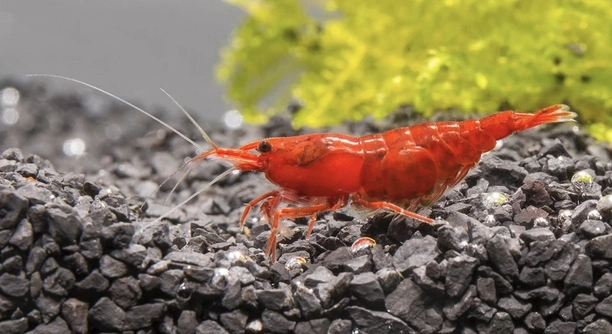
Keeping a shrimp tank healthy requires attention to both the environment and the behavior of its inhabitants. Observing shrimp habits can provide clear insight into water quality, feeding routines, and overall tank stability. Regular monitoring is essential.
Active swimming, frequent grazing, molting on schedule, consistent coloration, social interactions, hiding in safe spots, and exploring new areas are all signs of a balanced and healthy tank. These behaviors indicate proper water conditions, adequate nutrition, and minimal stress for shrimp.
Noticing these habits early can help maintain a thriving shrimp environment. Each behavior offers clues about tank health and overall shrimp well-being.
Active Swimming
Shrimp that swim actively around the tank are usually healthy and comfortable in their environment. Observing them move confidently across plants, rocks, and substrate shows they have enough energy and the water conditions are suitable. Active swimming indicates proper oxygen levels and stable temperature. Tanks with clean water and consistent filtration tend to produce shrimp that explore more frequently. Shrimp will often move in small groups, following each other or grazing near surfaces. Watching them glide smoothly without erratic movements can be reassuring. Sudden inactivity can point to stress or illness, so keeping track of normal swimming patterns is important. Providing hiding spots and gentle water flow encourages shrimp to feel safe while remaining active. Even during molting, shrimp often swim around slowly before returning to regular movement. Observing swimming habits daily can help identify subtle changes in health and tank conditions, allowing small adjustments before bigger problems arise.
Active swimming reflects tank balance and shrimp vitality. It is a key indicator of overall health and water quality.
Monitoring swimming patterns helps anticipate potential health issues. Adjusting feeding, water flow, or tank maintenance improves shrimp activity and comfort, supporting long-term well-being.
Frequent Grazing
Shrimp spend a significant amount of time grazing on biofilm, algae, and leftover food. Watching them scrape surfaces or nibble on plants shows they are receiving adequate nutrition and that the tank has a thriving microbial ecosystem. Grazing helps maintain the tank’s cleanliness by reducing excess algae, which benefits all inhabitants. Shrimp often graze in groups, moving slowly across leaves, rocks, and the substrate. Consistent grazing is also a sign that the water parameters support normal digestive activity. If grazing decreases, it may indicate stress, poor water quality, or insufficient food. Providing a balanced diet with occasional supplemental foods ensures shrimp remain active grazers. Observing grazing behavior gives insight into both shrimp health and the effectiveness of the tank’s natural cleaning system. Paying attention to these small movements can reveal much about the daily life and comfort of the shrimp.
Grazing is a clear sign of proper nutrition and tank balance. Shrimp that feed regularly stay healthy and energetic.
Encouraging grazing can involve adding more surfaces for biofilm growth, such as driftwood or plant leaves. Regular observation ensures shrimp maintain their feeding routines. Adequate grazing helps prevent overgrowth of algae while keeping shrimp active. Small additions of blanched vegetables or specialized shrimp food can supplement natural grazing without overfeeding. Observing patterns over time allows you to notice changes in appetite or activity, which may indicate water parameter fluctuations. Maintaining a tank that supports grazing contributes to long-term shrimp health, coloration, and behavior. This habit reflects a stable, thriving tank environment.
Molting on Schedule
Regular molting is a sign that shrimp are growing properly and the tank environment supports their development. Healthy shrimp shed their exoskeleton at predictable intervals, which indicates proper water quality, nutrition, and minimal stress.
Molting requires calcium, stable water parameters, and sufficient hiding places for safety. Shrimp often retreat to a secure spot during this vulnerable time. Observing molting patterns helps track growth rates and overall tank health. Irregular molting may indicate poor water quality, insufficient minerals, or stress from other tank inhabitants. Maintaining consistent conditions, including gentle filtration and regular water changes, supports predictable molting cycles and reduces mortality risk.
After molting, shrimp often eat their exoskeleton to recycle nutrients. This behavior reflects normal biological processes and contributes to maintaining a balanced ecosystem. Consistent observation ensures early detection of any disruptions in molting patterns, which may require adjustments in diet, water chemistry, or tank structure. Over time, monitoring molting helps confirm that the tank remains a supportive and stable environment for healthy shrimp development.
Consistent Coloration
Shrimp that display bright, uniform coloration are generally healthy and thriving. Dull or uneven colors can indicate stress, illness, or poor water conditions.
Coloration reflects diet, water quality, and overall well-being. Shrimp with vivid red, blue, or translucent tones show that the tank provides sufficient nutrients, proper lighting, and stable environmental conditions. Healthy shrimp maintain consistent coloring across their bodies, including legs and tails, which demonstrates proper molting cycles and mineral availability. Changes in color often occur gradually, signaling subtle shifts in water chemistry or diet that may require attention. Regular observation ensures any abnormalities are noticed early, allowing adjustments before health issues develop.
Maintaining consistent coloration involves providing a balanced diet rich in minerals and proteins, along with stable water parameters. Plants, driftwood, and biofilm help enhance natural colors. Avoiding sudden temperature or pH fluctuations supports vibrant shrimp. Over time, monitoring colors allows tracking of individual shrimp health and the overall balance of the tank. Healthy, brightly colored shrimp indicate successful care and a well-maintained environment, giving confidence that the habitat supports growth, reproduction, and natural behavior.
Social Interactions
Shrimp that interact with each other show normal social behavior and feel secure in their tank. Grouping, following, or gently touching each other reflects low stress and a stable environment.
Healthy social interactions also indicate that the tank provides enough space and hiding spots. Aggressive or isolated shrimp may signal poor conditions or overcrowding.
Hiding in Safe Spots
Shrimp naturally seek shelter during molting or when feeling threatened. Using plants, rocks, or decorations for hiding shows they feel safe.
Providing sufficient hiding places reduces stress and supports normal behaviors. Observing shrimp retreat to these areas at predictable times indicates a balanced tank and proper environmental structure.
Exploring New Areas
Shrimp that explore different parts of the tank demonstrate curiosity and confidence. Movement across the substrate, plants, and decorations shows they feel secure and active. This behavior reflects proper water quality, stable temperature, and adequate nutrition. Regular exploration also helps maintain tank cleanliness by grazing in various areas.
Grazing Together
Shrimp that feed in groups indicate comfort and minimal stress. Grazing together shows a balanced social environment and adequate food availability. Observing this behavior consistently reflects healthy tank conditions, proper nutrition, and a stable ecosystem that supports shrimp activity.
FAQ
What does it mean when my shrimp swim actively all the time?
Active swimming is a sign of a healthy tank and well-being. Shrimp that glide smoothly and move frequently are getting enough oxygen, have stable water parameters, and receive proper nutrition. Sudden changes in activity can indicate stress, poor water quality, or illness. Observing daily patterns helps identify issues early.
Why do shrimp graze so often on surfaces?
Frequent grazing is normal behavior and shows proper nutrition and a thriving microbial ecosystem. Shrimp feed on biofilm, algae, and leftover food, which also helps keep the tank clean. Reduced grazing may indicate water problems, stress, or inadequate food supply. Maintaining a balanced diet supports grazing behavior.
How do I know if my shrimp are molting properly?
Shrimp molt to grow, and regular cycles indicate proper tank conditions. Molting requires calcium, stable water parameters, and hiding spaces. Shrimp retreat to secure spots during this vulnerable time. Irregular or failed molts suggest stress, poor water quality, or insufficient minerals. Monitoring cycles helps maintain shrimp health.
What affects shrimp coloration?
Bright, consistent coloration reflects proper nutrition, water quality, and minimal stress. Dull or uneven colors may indicate environmental issues, poor diet, or illness. Providing a balanced diet, stable parameters, and natural surfaces for biofilm helps maintain vivid colors. Observing gradual color changes can alert you to early problems.
Why do shrimp hide in certain areas?
Hiding is a natural behavior, especially during molting or when feeling threatened. It shows the shrimp feel safe and have access to shelter. Adequate hiding spots reduce stress, encourage normal behavior, and allow molting to occur safely. Shrimp retreating predictably indicates a secure environment.
How important is social interaction among shrimp?
Shrimp that interact demonstrate normal social behavior and low stress. Grouping, gentle touching, and following each other reflect a stable environment. Isolated or aggressive shrimp may indicate overcrowding or poor conditions. Monitoring social habits helps assess overall tank health.
Do shrimp explore new areas often?
Exploration is a positive sign of confidence and comfort. Shrimp moving across different parts of the tank, climbing plants, or testing decorations indicates stability in water quality, temperature, and nutrition. Exploration also aids tank cleanliness by grazing in various areas, keeping algae and biofilm balanced.
Is it normal for shrimp to graze together?
Yes, group grazing shows comfort and minimal stress. Shrimp that feed in clusters indicate a balanced social environment and sufficient food. Observing consistent group grazing reflects stable tank conditions, proper nutrition, and a supportive ecosystem for healthy shrimp activity.
How can I maintain these healthy habits?
Consistent water changes, stable parameters, proper feeding, and adequate hiding spots all contribute to shrimp well-being. Monitoring behavior, coloration, molting patterns, and activity helps detect early signs of stress or illness. Providing a balanced environment ensures shrimp remain active, social, and healthy over time.
What should I do if shrimp behavior changes suddenly?
Sudden changes in swimming, grazing, or coloration often indicate stress, poor water quality, or illness. Testing water parameters, adjusting feeding, and ensuring hiding places are sufficient can resolve most issues. Observing behavior trends daily helps prevent long-term problems and maintains a thriving tank.
How can I support molting and growth?
Provide calcium-rich food, stable water parameters, and safe hiding spots. Monitoring molting patterns ensures shrimp grow properly. Avoid sudden environmental changes and maintain a clean, balanced tank to reduce stress and promote successful molts. Consistent observation allows early intervention if problems arise.
Are there signs that indicate my shrimp are unhealthy despite normal habits?
Even with normal swimming or grazing, subtle signs such as slow color changes, irregular molting, or minor inactivity may indicate minor stress or water parameter shifts. Monitoring these details and taking preventive actions keeps shrimp healthy and the tank stable.
Why does tank structure matter for shrimp behavior?
Plants, decorations, and hiding spaces provide security, grazing surfaces, and opportunities for exploration. A well-structured tank encourages active swimming, social interaction, and regular molting. Insufficient structure can lead to stress, reduced activity, and compromised health. Proper design supports both behavior and overall well-being.
How often should I observe my shrimp?
Daily observation is ideal to track swimming, grazing, molting, and coloration. Noting patterns helps detect early changes and prevents minor issues from becoming serious. Consistent monitoring supports a balanced environment and ensures shrimp continue healthy, predictable behaviors.
What diet best supports shrimp habits?
A mix of biofilm, algae, and supplemental foods with minerals and protein supports growth, coloration, and molting. Overfeeding should be avoided to maintain water quality. Balanced nutrition encourages grazing, activity, and social interaction, keeping shrimp healthy and thriving.
Final Thoughts
Maintaining a healthy shrimp tank relies on observing and understanding shrimp behavior. Each habit, from active swimming to grazing and hiding, provides valuable insight into tank conditions. Healthy shrimp move confidently, feed regularly, molt on schedule, and display consistent coloration. These behaviors indicate stable water parameters, proper nutrition, and minimal stress. A well-maintained environment supports shrimp growth, reproduction, and overall well-being. By paying attention to these small details, it is possible to prevent problems before they escalate, ensuring that the tank remains a safe and supportive home for the shrimp. Consistent observation allows for quick adjustments in care routines, water quality, and tank structure, helping to maintain long-term stability and a thriving shrimp population.
Providing a balanced environment goes beyond just water quality. Adequate hiding spots, natural surfaces for grazing, and gentle water flow all contribute to shrimp comfort and security. Plants, driftwood, and decorations serve multiple purposes, offering areas for exploration, grazing, and shelter during vulnerable periods such as molting. Shrimp rely on these environmental features to feel safe and maintain natural behavior patterns. Feeding should be consistent and nutrient-rich, supporting growth and vibrant coloration. Overfeeding or inconsistent feeding can disrupt the tank’s balance and lead to stress or reduced activity. Observing social interactions and group behaviors helps assess whether the tank provides enough space and resources for all inhabitants. A careful balance of habitat features, diet, and water parameters creates an environment where shrimp can thrive naturally.
Routine care and attention are essential to sustaining long-term tank health. Regular water changes, testing of parameters, and monitoring shrimp behavior are crucial practices. Tracking habits like grazing, swimming, molting, and coloration allows for early detection of stress or environmental imbalances. Adjustments can be made in response to changes in activity, appearance, or social behavior. Maintaining a stable temperature, pH, and mineral balance reduces stress and encourages healthy development. Over time, consistent care fosters a self-sustaining ecosystem where shrimp remain active, social, and healthy. By observing habits carefully and responding to the shrimp’s needs, it is possible to create a thriving, balanced tank that supports their natural behaviors, growth, and overall well-being.

Hello,
If you enjoy the content that we create, please consider saying a "Thank You!" by leaving a tip.
Every little bit helps us continue crafting quality advice that supports the health, happiness, and well-being of pets around the world, for pets of all shapes, sizes, and species.
We really appreciate the kindness and support that you show us!