
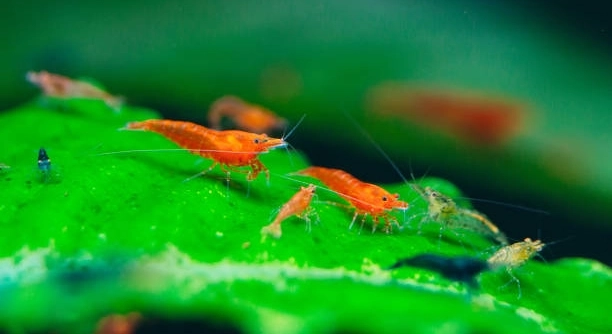
Cherry shrimp are small, colorful creatures that bring life to aquariums. Watching them move around can be relaxing, but sometimes they crawl on each other in ways that seem unusual or concerning.
Cherry shrimp often crawl on each other due to molting, mating behaviors, or territorial interactions. These behaviors are natural and can indicate health, stress levels, or reproductive activity within the aquarium environment. Observing patterns can help maintain a balanced tank.
Understanding these behaviors helps you care for your shrimp more effectively. Observing their interactions can reveal much about their health and daily habits.
Why Cherry Shrimp Crawl on Each Other
Cherry shrimp crawling on each other is often linked to molting. When a shrimp is about to shed its exoskeleton, it may climb over others for safety or balance. Mating behavior also explains this activity, as males actively seek females, sometimes climbing or nudging them repeatedly. Territorial disputes can appear aggressive but are usually brief. In smaller tanks, limited space increases the chances of shrimp contacting each other, creating the impression of constant crawling. Observing when and how often this happens helps you identify whether the behavior is normal or indicates stress. Stress can also arise from poor water quality, high ammonia levels, or sudden changes in temperature. Healthy tanks reduce unnecessary interactions and promote calm movement. Adding hiding spots, such as plants or decorations, encourages natural behavior. Understanding these factors improves both shrimp comfort and aquarium harmony, ensuring your shrimp remain healthy and active without excessive overlap or conflict.
Molting, mating, and space limits are the main reasons shrimp crawl on each other. Tank setup affects their activity.
Watching their behavior carefully helps you recognize patterns, adjust the environment, and support proper growth. Regular observation ensures healthier, calmer shrimp.
How to Reduce Unnecessary Crawling
Providing plenty of hiding spaces reduces stress-induced crawling. Plants, rocks, or small decorations create safe areas for each shrimp, especially for molting individuals. Hiding spots help prevent overcrowding, which often triggers climbing or nudging behavior. Maintaining optimal water conditions also minimizes stress. Testing water regularly for pH, ammonia, nitrites, and nitrates keeps the tank safe. Temperature stability is essential because sudden changes can make shrimp more active or agitated, increasing interactions. Feeding on a consistent schedule ensures shrimp are not competing for food, reducing territorial encounters. Observing shrimp during feeding and molting cycles helps track patterns, so you can adjust the tank environment as needed. If aggressive behavior persists, consider spacing shrimp more evenly or separating overly dominant individuals. Simple adjustments like these maintain calm, healthy activity without limiting natural behaviors like mating or molting. Creating a balanced environment allows shrimp to thrive while keeping interactions manageable.
Tank size, hiding spots, and stable water conditions are key to calmer shrimp behavior. Proper care reduces stress and excessive crawling.
By offering more space and hiding places, shrimp can perform natural behaviors without constant overlap. Consistent water quality and feeding routines reduce stress, making interactions less frequent. Observing their cycles allows you to predict when crawling will increase, such as before molting or during mating periods. Proper tank management also includes monitoring population density, as overcrowding leads to more contact and potential stress. Adjusting the number of shrimp or adding extra plants and decor can create separation zones. Balanced nutrition helps avoid competition during feeding, which otherwise prompts climbing and nudging. Gentle observation and small environmental tweaks improve overall health and comfort. Over time, these measures reduce unnecessary crawling while allowing shrimp to continue natural behaviors. A well-maintained tank results in calmer, healthier shrimp and a more peaceful aquarium atmosphere.
Signs of Normal vs. Stress Behavior
Normal crawling is gentle, occasional, and often linked to molting or mating. Stress behavior appears frantic, constant, or aggressive. Monitoring how shrimp move, especially during feeding or at night, helps identify which behavior is occurring.
Stress-related crawling in cherry shrimp often happens when water quality is poor or when tank space is limited. Shrimp may repeatedly climb over each other, flick their tails, or retreat into hiding spots. High ammonia or nitrite levels, sudden temperature changes, or overcrowding can make shrimp more irritable. Proper filtration, regular water testing, and ensuring enough space per shrimp reduce stress significantly. Observing behavior daily helps detect subtle changes early.
Healthy, normal behavior involves brief interactions and minimal dominance displays. Stress-induced behavior can escalate if the tank environment is not corrected. Providing hiding spots, stable water conditions, and sufficient food keeps shrimp calm. Overcrowded tanks without places to hide increase unnecessary contact, making stress behavior more common. Separating dominant individuals temporarily can prevent prolonged aggression and promote balance. Tracking patterns over weeks helps understand shrimp personalities and how each reacts to changes in the tank, allowing better management of both behavior and health.
Environmental Factors That Influence Crawling
Tank size, decorations, and water parameters directly affect shrimp activity. Crowded or bare tanks increase interaction, while spacious, planted tanks allow natural movement.
Small tanks make shrimp contact unavoidable, leading to more climbing and nudging. In contrast, larger tanks with plants, rocks, and caves provide areas for retreat and reduce overlap. Temperature fluctuations, improper pH, or inconsistent feeding schedules also encourage stress-related crawling. A well-structured environment with hiding spots, stable water chemistry, and regular feeding minimizes conflict. Observation helps identify hotspots where interactions are frequent, allowing rearrangement of decorations or adding more shelters.
Light exposure, tank mates, and population density also play roles. Bright lights can make shrimp more active and visible, increasing movement over each other. Peaceful tank mates prevent stress-induced crawling, while overcrowding amplifies it. Even small adjustments, like adding moss or extra plants, reduce interaction points. Regular maintenance, such as water changes and cleaning, ensures consistent conditions, lowering stress triggers. Tracking shrimp behavior in relation to environmental factors allows targeted improvements, keeping activity natural and healthy while preventing constant, unnecessary crawling.
Mating Behavior in Cherry Shrimp
Males often crawl over females to check readiness for mating. This behavior can look persistent but is normal. Observing frequency and timing helps distinguish mating activity from stress.
Females release pheromones when ready, attracting males. Males follow and gently climb over them to initiate mating. This process is natural and temporary, usually lasting only a few minutes per encounter.
Molting and Its Effects
Before molting, shrimp may climb or cling to others for support and protection. Molting leaves them vulnerable, so these movements help maintain balance and avoid harm. Soft shells make them more cautious, and hiding spaces are essential for safety during this time.
Monitoring Shrimp Health
Excessive crawling can indicate illness or poor water conditions. Watch for lethargy, discoloration, or unusual swimming patterns to address problems early.
FAQ
Why are my cherry shrimp constantly crawling over each other?
Constant crawling often points to stress, overcrowding, or limited hiding spaces. Shrimp may also climb on each other during molting or mating periods. Observing water quality, tank size, and shrimp density can help determine the cause and allow adjustments to reduce unnecessary contact.
Is it normal for males to climb females repeatedly?
Yes, this is typical mating behavior. Males follow pheromones released by females and gently climb over them to check readiness. This usually only lasts a few minutes per encounter and is a healthy part of reproduction.
Can overcrowding cause stress-related crawling?
Absolutely. Too many shrimp in a small tank increase interactions and competition for food or hiding spots. Overcrowding can lead to constant climbing, tail flicking, and even minor injuries. Adding more space, hiding areas, or reducing shrimp numbers helps calm the tank.
Do hiding spots reduce crawling behavior?
Yes, hiding spots like plants, rocks, or small caves give shrimp areas to retreat, especially during molting. Sheltered spaces reduce overlap, lower stress, and allow shrimp to perform natural behaviors without constantly interacting with each other.
How does molting influence crawling?
Shrimp are vulnerable before and during molting. They may climb over others for stability or seek safer spots. Providing soft substrate and plenty of hiding areas ensures shrimp can molt safely without unnecessary stress or physical contact.
Could water conditions affect crawling habits?
Poor water quality often triggers stress-related behaviors, including excessive crawling. High ammonia, nitrites, unstable pH, or temperature swings make shrimp more agitated. Testing water regularly and maintaining stable conditions keeps shrimp calm and healthy.
Do all shrimp react the same way to crowding?
No, personalities vary. Some shrimp are naturally more active or dominant, while others prefer hiding. Observing individual behaviors helps identify which shrimp need more space or shelter, allowing better tank management and reducing conflicts.
Is food competition a factor in crawling?
Yes, shrimp may crawl over each other during feeding if space is limited or food is scarce. Feeding smaller portions in multiple areas and maintaining a consistent schedule reduces competition and aggressive interactions.
How can I tell if crawling is harmful?
Brief climbing or gentle nudging is normal. Signs of harmful behavior include scratches, torn tails, or constant chasing. Monitoring injuries and tank dynamics helps prevent persistent aggression and maintain overall health.
Should I separate shrimp that climb too much?
Separation is sometimes necessary if dominant individuals constantly stress others. Using a temporary divider or adjusting population density reduces unnecessary interactions, allowing stressed shrimp to recover safely while maintaining natural social behaviors.
Can tank mates influence crawling behavior?
Yes, aggressive or fast-moving tank mates can stress cherry shrimp, increasing climbing or hiding behavior. Choosing peaceful tank mates and providing hiding spots helps shrimp feel secure and reduces stress-induced crawling.
Do environmental changes trigger crawling?
Sudden changes in temperature, lighting, or water chemistry can increase activity and climbing. Gradual adjustments and consistent monitoring help shrimp adapt without excessive overlap or stress behaviors.
How long does excessive crawling last?
Excessive crawling usually continues only while stressors are present, such as overcrowding, poor water quality, or molting periods. Once conditions improve, shrimp typically return to calmer, natural movement.
What’s the best way to track shrimp behavior?
Regular observation at different times of day, noting feeding, molting, and interactions, helps identify patterns. Keeping a simple log can show when excessive crawling occurs, allowing targeted adjustments to tank conditions.
Can stress-induced crawling affect shrimp health long-term?
Chronic stress can weaken immune systems, slow growth, and increase susceptibility to disease. Maintaining proper tank conditions, hiding spaces, and balanced populations supports long-term health and reduces aggressive crawling.
Does tank size really matter for crawling behavior?
Yes, larger tanks reduce frequent interactions and give shrimp room to move freely. Small tanks increase overlap, competition, and stress-related crawling, making size a critical factor in behavior management.
Are there signs that indicate normal social climbing?
Normal climbing is gentle, brief, and often related to molting or mating. Shrimp return to independent movement afterward, without injury or constant chasing. Observing patterns over time helps distinguish healthy social behavior from stress responses.
How do I balance shrimp populations to prevent excessive crawling?
Monitoring numbers and ensuring adequate hiding spots prevents overcrowding. Reducing population density, splitting tanks, or providing extra plants and decorations helps maintain harmony, lowers stress, and encourages natural, calm movement.
Can lighting affect climbing behavior?
Bright or constant lighting may make shrimp more active, increasing movement over each other. Using gentle, natural lighting cycles helps shrimp feel secure and reduces unnecessary interactions.
Is it necessary to intervene in every instance of crawling?
Not always. If crawling is brief, gentle, and linked to normal behaviors like molting or mating, intervention isn’t needed. Focus on environmental adjustments only when stress or injury is evident.
Does nutrition influence climbing behavior?
Balanced, consistent feeding prevents competition and stress. Poor or inconsistent feeding can make shrimp more active, climbing over each other to access food. Multiple feeding spots reduce overlap and keep shrimp calm.
Can rearranging decorations reduce excessive crawling?
Yes, rearranging plants, rocks, or hiding spots can break up high-traffic areas, giving shrimp more space and reducing repeated contact. Observing hotspots and adjusting the layout improves natural behavior and decreases stress-induced climbing.
Is monitoring water temperature crucial?
Temperature swings make shrimp more active and increase contact with others. Maintaining stable temperatures suited to cherry shrimp reduces stress, prevents excessive climbing, and supports overall health.
How do I know when behavior is returning to normal?
Shrimp returning to calm, independent movement, reduced chasing, and proper feeding patterns indicate normal behavior. Consistent observation after environmental adjustments shows if interventions are effective and shrimp are comfortable.
Are there natural signs that molting is approaching?
Shrimp may become less active, hide more, or climb gently over others for support. Recognizing these signs helps provide additional hiding spots and prevents stress or injury during the vulnerable molting process.
Can excessive crawling indicate disease?
Yes, abnormal climbing, lethargy, discoloration, or erratic movements can signal illness. Early detection, water testing, and treatment are crucial to prevent spread and maintain healthy shrimp.
Does tank maintenance influence climbing behavior?
Regular water changes, substrate cleaning, and filter upkeep maintain stable conditions, reducing stress and limiting unnecessary climbing. Neglecting maintenance can trigger constant interaction and aggressive behavior among shrimp.
Is there a difference between male and female crawling patterns?
Males are more active during mating periods, often climbing over females. Females may move less but seek hiding during molting. Observing these patterns helps distinguish normal behavior from stress or overcrowding.
How does population density affect social behavior?
High density increases contact, competition, and stress. Low to moderate density allows shrimp to move naturally, reduces climbing, and promotes balanced social interactions, supporting both health and comfort.
Can I prevent climbing behavior entirely?
No, some climbing is natural for molting and mating. The goal is to reduce unnecessary or stress-induced crawling by providing space, hiding spots, stable conditions, and proper nutrition, ensuring healthy and comfortable shrimp behavior.
What is the role of observation in managing shrimp behavior?
Regular monitoring allows early detection of stress, overcrowding, or illness. Observing interactions, molting, and feeding helps you make targeted adjustments, improving overall tank harmony and shrimp well-being.
How do I respond if climbing becomes aggressive?
Identify the source—overcrowding, poor water quality, or dominant individuals. Adjust population, provide more hiding areas, or temporarily separate aggressive shrimp to restore calm and prevent injury.
Can rearranging tank layout influence social hierarchy?
Yes, changing decorations can disrupt dominance zones and reduce repeated climbing. Providing multiple shelters helps distribute activity evenly and promotes peaceful interactions.
Does feeding frequency matter for behavior?
Consistent feeding prevents competition, reduces stress, and minimizes climbing over each other. Multiple feeding spots ensure all shrimp access food without conflict.
What’s the safest way to introduce new shrimp?
Acclimate new shrimp slowly to tank conditions. Introducing them gradually and providing extra hiding spots prevents stress, reduces excessive crawling, and allows smooth integration with the existing population.
How do I balance natural and stress-induced behaviors?
Ensure stable water conditions, proper tank size, adequate hiding spots, and balanced populations. Observing patterns allows you to support normal behaviors like molting and mating while minimizing stress-driven climbing.
Is it normal for juveniles to crawl more?
Yes, young shrimp explore and compete for space, often climbing over each other. Providing hiding spots and gradual introduction to tankmates reduces stress and prevents injury.
Do water flow and current affect crawling?
Strong currents can push shrimp into each other, increasing contact. Gentle, even flow keeps shrimp comfortable, reduces forced climbing, and allows natural movement throughout the tank.
Can behavior logs help manage crawling?
Yes, noting activity times, interactions, and environmental changes helps identify patterns and triggers. Logs allow targeted adjustments to tank setup, population, and maintenance routines, reducing stress and unnecessary climbing.
Are there visual cues for stress in shrimp?
Shrimp showing constant climbing, flicking tails, hiding excessively, or losing color may be stressed. Recognizing these signs early allows environmental adjustments to restore calm and normal behavior.
Does substrate type influence crawling?
Soft or smooth substrates reduce friction and allow gentle movement, minimizing accidental nudging or climbing. Rough substrates may encourage climbing to avoid contact, so choosing appropriate material helps shrimp feel secure.
How can I tell if my tank setup is adequate?
Shrimp should move freely, hide when needed, and show normal molting and mating behaviors without constant overlap. Observing activity patterns and adjusting as needed ensures a comfortable and balanced environment.
Does water hardness affect behavior?
Improper hardness can stress shrimp, increasing climbing or hiding. Maintaining suitable GH and KH levels ensures comfort, reduces stress-induced interactions, and supports healthy exoskeleton development.
Are temporary dividers useful?
Yes, dividers can separate dominant or stressed individuals, allowing recovery and preventing injuries while maintaining natural social behaviors for the rest of the population.
What role does light cycle play?
Consistent light cycles help shrimp establish normal activity patterns. Sudden changes or constant lighting can increase movement and climbing, so a stable day-night schedule promotes calm behavior.
How do I maintain long-term calm behavior?
Regular water testing, consistent feeding, balanced population, hiding spots, and observation maintain stable conditions. Over time, shrimp adapt, reducing stress-induced climbing and supporting healthy social interactions.
Is climbing more common during breeding season?
Yes, males are more active and may climb females frequently. Recognizing breeding patterns prevents confusion with stress behaviors and ensures proper tank management during this period.
Can stress-induced crawling lead to molting issues?
Excessive stress can delay molting or cause incomplete shedding, increasing vulnerability. Providing hiding spots and minimizing disturbances supports successful molting and reduces climbing stress.
Does tank cleaning frequency affect climbing?
Regular cleaning stabilizes water quality, reduces stress, and prevents overcrowding in high-traffic areas, lowering unnecessary climbing behavior and promoting normal activity.
Can introducing new decorations trigger climbing?
Yes, rearrangements may cause temporary curiosity or stress, leading to increased climbing. Allow shrimp to acclimate gradually, monitoring behavior to ensure adjustments don’t create long-term stress.
Do seasonal changes affect behavior?
Temperature or light variations with seasons may alter activity levels, sometimes increasing climbing. Maintaining stable tank conditions reduces seasonal stress effects on shrimp behavior.
How can I tell the difference between curiosity and stress crawling?
Curiosity involves brief, gentle movement without aggression. Stress-induced crawling is constant, aggressive, or linked to poor water conditions, overcrowding, or lack of hiding spaces. Observation over time clarifies the difference.
Are all climbing interactions significant?
Not always. Brief contact during molting, feeding, or mating is natural. Significant interactions involve repeated climbing, tail flicking, or aggression, signaling stress or environmental issues that need attention.
Does tank temperature adjustment help?
Maintaining consistent, appropriate temperatures reduces agitation and unnecessary crawling. Sudden changes make shrimp active or stressed, increasing climbing interactions.
How can I make sure juveniles are safe?
Provide hiding spots, gentle water flow, and space to explore. Juveniles are more vulnerable to aggressive climbing, so monitoring interactions and adjusting the tank layout protects them.
Are stress behaviors reversible?
Yes, with proper tank conditions, hiding spots, balanced population, and consistent maintenance, shrimp typically return to calm, natural movement, and stress-induced crawling decreases.
Can tank decorations create dominance zones?
Yes, shrimp may claim specific areas, leading to repeated climbing over others. Rearranging decor or adding shelters helps distribute activity and reduces stress-related interactions.
Does molting frequency affect climbing?
Frequent molting may increase temporary climbing, as shrimp seek stability or hiding. Providing enough shelters supports repeated molting cycles without excessive overlap.
How do I know if my shrimp are comfortable?
Calm movement, regular feeding, successful molting, and minimal aggression indicate comfort. Observing patterns over time shows if interventions have improved behavior and reduced stress-related climbing.
Is gradual acclimation important for new shrimp?
Yes, slowly adjusting new shrimp to tank conditions prevents stress, reduces climbing, and ensures smooth integration with existing shrimp.
How long does it take for shrimp to adapt to a new tank?
Adaptation can take days to weeks, depending on water conditions, hiding spots, and population density. Gradual observation ensures normal behavior resumes without excessive crawling.
Can I rely solely on observation to manage climbing?
Observation is essential but must be combined with water testing, population control, hiding spots, and stable conditions. Together, these measures prevent stress-induced crawling and support healthy shrimp behavior.
Does diet type influence climbing?
Yes, balanced, consistent nutrition reduces competition and stress. Offering appropriate food in multiple locations ensures all shrimp feed without excessive interaction.
Is excessive climbing always a warning sign?
Not always. Short bursts linked to molting, mating, or curiosity are normal. Persistent, aggressive, or stress-related climbing signals environmental issues or overcrowding that require adjustments.
Can stress-induced climbing affect shrimp lifespan?
Chronic stress may weaken immune systems, slow growth, and increase disease risk. Proper tank management and observation help maintain health and longevity.
Does water flow placement matter?
Yes, strong currents can push shrimp into each other, increasing climbing. Gentle, evenly distributed flow supports natural movement without forcing contact.
Are all climbing interactions visible during the day?
No, shrimp may be more active at night or low-light conditions. Observing during different times ensures accurate understanding of behavior and stress patterns.
Can I prevent climbing completely?
Complete prevention isn’t possible due to natural behaviors like mating and molting. The goal is to minimize stress-related interactions through tank management, hiding spots, and balanced populations.
How do I know if climbing is linked to mating?
Frequent male-female contact, timing with pheromone release, and brief, gentle climbing usually indicate mating. Observation during reproductive periods clarifies behavior and distinguishes it from stress.
Does the number of hiding spots matter more than tank size?
Both matter. Even in larger tanks, lack of shelters increases climbing. Sufficient hiding spaces prevent unnecessary contact and reduce stress, complementing proper tank size.
Are tank plants sufficient as hiding spots?
Plants help, but combining rocks, caves, and moss creates diverse shelters. Multiple options allow shrimp to choose safe areas, reducing climbing and stress.
Can rearranging shrimp periodically help?
Temporary rearrangements can reduce dominance zones and repeated climbing. However, too much disturbance may increase stress, so balance changes carefully.
Is climbing more frequent in younger shrimp?
Yes, juveniles explore, compete for space, and climb more often. Providing extra hiding spots ensures safety and reduces unnecessary interactions with adults.
Does frequent observation affect shrimp behavior?
Light and movement from observation can slightly increase activity. Gentle, minimal interference while monitoring helps maintain normal behavior without adding stress.
Are there seasonal trends in climbing behavior?
Activity may vary with water temperature and light changes, sometimes increasing climbing. Maintaining stable conditions mitigates seasonal effects and keeps behavior consistent.
Can injured shrimp climb less?
Yes, injury or illness often reduces activity. Noticing decreased movement or avoidance of contact can signal health issues that need attention.
Do dominant shrimp influence the rest of the group?
Dominant individuals can trigger repeated climbing, stress, or hiding in others. Adjusting population balance or providing more shelters mitigates these effects.
How do I know if climbing is excessive?
Excessive climbing is constant, aggressive, or leads to injuries. Brief, gentle interactions are normal, but persistent stress-related behavior signals environmental adjustments are needed.
Does water hardness affect molting and climbing?
Proper hardness supports exoskeleton development. Inadequate GH or KH can delay molting, causing more climbing as shrimp seek stability or hiding.
Is climbing behavior linked to tank mate type?
Aggressive or fast-moving tank mates increase shrimp stress, leading to more climbing. Peaceful companions help maintain calm and reduce unnecessary interactions.
How can I track behavior effectively?
Keep a log noting time of day, interactions, molting, feeding, and environmental changes. Tracking patterns helps identify triggers and adjust tank conditions accordingly.
Does overfeeding reduce climbing?
Yes, sufficient, evenly distributed food reduces competition, preventing stress-related climbing and promoting calmer movement.
Can climbing indicate reproductive readiness?
Yes, increased male activity and gentle female contact often signal mating periods. Recognizing this helps distinguish normal behavior from stress.
Are environmental changes always necessary to reduce climbing?
Not always. Minor adjustments like adding hiding spots, stabilizing water parameters, or redistributing shrimp can reduce excessive crawling without major changes.
How long should I observe before making changes?
Several days to a week allows patterns to emerge. Observing multiple molting and feeding cycles ensures informed adjustments and avoids unnecessary interventions.
Does lighting intensity affect nocturnal climbing?
Bright lights may reduce nighttime activity, while dim or natural lighting supports normal nocturnal movement without forcing contact. Adjusting lighting helps balance behavior.
Are there behavioral cues before aggressive climbing starts?
Tail flicking, chasing, or repeated nudging often precede aggression. Early recognition allows intervention through hiding spots, separation, or population adjustments.
Do shrimp get used to each other over time?
Yes, familiarity reduces stress, repeated climbing, and chasing. Juveniles or new arrivals may take longer to adapt, requiring temporary observation and shelter support.
Can water changes trigger climbing?
Rapid or large changes can stress shrimp, increasing climbing temporarily. Gradual water changes minimize disruption and maintain calm behavior.
Are some shrimp naturally more active climbers?
Yes, individual differences exist. Active or dominant shrimp may
Final Thoughts
Cherry shrimp are small, delicate creatures whose behaviors can tell a lot about their well-being. Observing them closely can reveal whether their crawling over each other is normal or a sign of stress. Molting and mating are natural reasons for climbing, and occasional gentle contact is nothing to worry about. Providing proper hiding spots, stable water conditions, and enough space can prevent unnecessary stress-induced crawling. Understanding their natural rhythms and interactions helps maintain a balanced tank environment where shrimp can live comfortably without frequent conflict. Regular observation is key to noticing any subtle changes early, such as increased aggression or lethargy, which may indicate water quality issues or overcrowding. Paying attention to these signals allows timely adjustments to the tank, ensuring the shrimp remain healthy and active.
Water quality plays a central role in shrimp behavior. High ammonia or nitrite levels, fluctuating pH, or sudden temperature changes can make shrimp more agitated and likely to crawl over each other. Maintaining consistent water parameters is essential for reducing stress and encouraging calm movement. Filtration, routine water testing, and periodic partial water changes help keep the environment stable. Along with water management, careful attention to tank population and layout makes a big difference. Overcrowding can increase contact and trigger aggressive climbing, while a well-structured tank with plants, rocks, and caves provides places for shrimp to retreat. Even simple adjustments, such as adding moss, hiding spots, or separating dominant individuals, can prevent excessive interactions and support a more peaceful tank. When shrimp feel secure, their natural behaviors like feeding, molting, and mating occur with minimal stress.
Feeding and daily care routines also affect climbing behavior. Consistent feeding in multiple locations prevents competition and reduces unnecessary climbing over each other. Balanced nutrition supports growth, molting, and overall health. Observing shrimp during feeding or at night can reveal behavioral patterns and highlight any persistent stress responses. Individual personalities may vary, so some shrimp may be more active or dominant than others, and understanding these differences helps manage interactions. Over time, careful monitoring, proper tank setup, and stable maintenance routines create an environment where natural climbing occurs only when appropriate, such as during mating or molting. By providing the right conditions, cherry shrimp thrive, displaying natural, calm, and healthy behavior, which benefits both the shrimp and the overall harmony of the aquarium.

Hello,
If you enjoy the content that we create, please consider saying a "Thank You!" by leaving a tip.
Every little bit helps us continue crafting quality advice that supports the health, happiness, and well-being of pets around the world, for pets of all shapes, sizes, and species.
We really appreciate the kindness and support that you show us!