
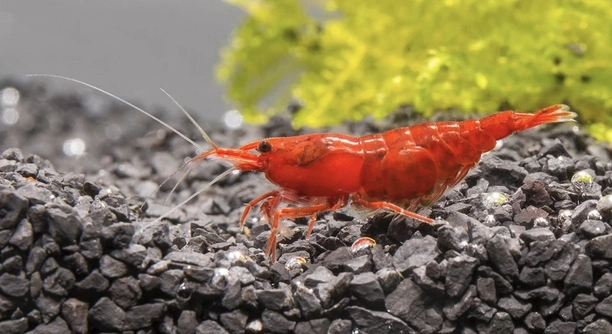
Have you ever noticed your cherry shrimp floating just below the water’s surface in their tank? This behavior can seem unusual at first, but it is actually a natural part of their routine and environment.
Cherry shrimp hover near the surface primarily to access oxygen-rich water. This positioning allows them to maintain proper respiration and energy levels. Additionally, the surface region provides an ideal area for feeding and monitoring their surroundings safely.
Observing this behavior more closely can reveal insights into your shrimp’s health and environmental preferences, helping you maintain a thriving, balanced aquarium habitat.
Oxygen Levels and Water Flow
Cherry shrimp often hover near the surface because oxygen levels tend to be higher there. In a tank with minimal water movement, oxygen can become depleted in lower areas, causing shrimp to naturally seek more oxygen-rich zones. This is especially noticeable in tanks with dense plants or heavy filtration, where circulation may be uneven. Surface-skimming also allows them to avoid areas where debris or detritus accumulates, keeping their gills cleaner. Adjusting the water flow and aeration can help balance oxygen distribution throughout the tank, reducing the need for shrimp to linger at the top. Observing their position can indicate whether your tank’s environment meets their oxygen requirements.
Ensuring proper water circulation and aeration can help maintain even oxygen levels, allowing shrimp to explore the entire tank comfortably.
Adding gentle currents or small air stones encourages shrimp to distribute evenly, improving overall health and reducing stress while keeping your tank cleaner and more stable for all inhabitants.
Feeding and Surface Activity
Cherry shrimp frequently hover near the surface to access floating food. Their natural inclination is to feed on biofilm, microalgae, and tiny particles that drift near the top. This behavior allows them to efficiently gather nutrients without competing heavily on the substrate. Floating food also provides a convenient and safe feeding zone, as it minimizes contact with potential hiding spots of tankmates or debris. Observing their feeding habits can guide you in providing the right type and quantity of food, ensuring balanced nutrition.
Providing a mix of floating and sinking foods can help maintain their health and encourage natural foraging behavior.
A balanced diet includes algae wafers, blanched vegetables, and specialized shrimp pellets. Placing food in multiple areas encourages exploration and prevents overcrowding in one spot. Overfeeding can lead to water quality issues, so careful portion control is important. Regularly rotating their diet ensures they receive essential nutrients, vitamins, and minerals, supporting molting cycles and vibrant coloration. Additionally, allowing periods without supplemental feeding encourages natural grazing on biofilm and microalgae, promoting healthier shrimp behavior. Monitoring their surface activity during feeding times provides insight into their preferences and can indicate overall tank conditions, helping you maintain a thriving, stable aquarium.
Light and Temperature Preferences
Cherry shrimp often stay near the surface where light is moderate and water temperature is slightly higher. They are sensitive to both extremes, and the upper levels offer a more stable environment for daily activity and feeding.
Surface areas tend to warm slightly due to proximity to the aquarium lighting. This warmth encourages activity, molting, and feeding. Shrimp are ectothermic, so even small temperature differences affect their metabolism. Overly cold or shaded zones lower their energy, making them less active. Providing gradual lighting and stable temperatures prevents stress and keeps them comfortable. Monitoring surface behavior can indicate whether the tank conditions are optimal.
Keeping the aquarium evenly lit with gentle gradients encourages shrimp to explore different layers. Avoid direct, harsh lighting that can drive them away or increase algae growth. Balancing temperature through consistent heaters and airflow helps maintain an environment where shrimp remain active and healthy while reducing surface crowding.
Safety and Hiding Instincts
Cherry shrimp hover near the surface to monitor potential threats while still feeling secure. Being near the top allows them to escape quickly if danger arises. Their instinctual behavior balances visibility with safety.
Surface activity provides a vantage point for observing surroundings without exposing themselves to predators or aggressive tankmates. Open water can be risky, so they remain close to structures or plants that allow immediate retreat. This behavior reflects natural survival instincts, as they combine feeding, exploration, and vigilance efficiently. Monitoring their positioning helps assess tank compatibility and stress levels.
Providing tall plants, driftwood, or gentle decorations near the surface encourages shrimp to feel safe while remaining active. These structures offer immediate hiding spots without restricting movement, supporting natural behavior. Avoid overcrowding or introducing aggressive species, as stress can force shrimp to hide constantly or linger unnaturally near the top. Maintaining a secure, low-stress environment allows them to thrive, balance feeding with safety, and display normal social interactions, ultimately improving health, coloration, and molting frequency.
Water Quality Monitoring
Cherry shrimp often hover near the surface to sense water quality changes. This behavior helps them detect low oxygen, high waste, or chemical imbalances quickly.
Their positioning can indicate issues such as rising ammonia or nitrite levels. Observing surface activity regularly helps maintain a healthy, stable aquarium environment for all inhabitants.
Molting and Growth Patterns
Hovering near the top is common during molting, as shrimp seek safer areas with fewer disturbances. Surface zones provide space to shed exoskeletons without interference from tankmates or substrate debris. Proper nutrition and clean water support healthy molting cycles, allowing shrimp to grow efficiently and maintain vibrant coloration over time.
Social Interaction
Cherry shrimp may stay near the surface to observe and interact with each other. This allows them to establish territories, communicate subtly, and maintain social balance within the tank.
FAQ
Why do cherry shrimp stay at the surface all the time?
Cherry shrimp hovering near the surface constantly may indicate low oxygen or poor water quality. They naturally seek oxygen-rich zones, so persistent surface activity is often a sign that water circulation, aeration, or filtration needs adjustment. Ensuring regular water changes and proper tank maintenance helps balance oxygen levels and keeps shrimp healthy.
Is it normal for cherry shrimp to swim near the top during feeding?
Yes, this is completely normal. Floating or slow-sinking foods naturally attract shrimp to the upper layers. This behavior allows them to feed safely while avoiding substrate areas where debris or stronger tankmates might disturb them. Alternating feeding locations supports natural foraging instincts and overall well-being.
Can water temperature affect their surface activity?
Absolutely. Cherry shrimp are sensitive to temperature fluctuations. Slightly warmer surface water can make them more active, while cooler or uneven temperatures may reduce movement. Maintaining a stable, moderate temperature encourages normal activity throughout the tank and prevents stress-related surface hovering.
Do surface-hanging shrimp indicate stress?
Occasionally, yes. Stress from overcrowding, aggressive tankmates, or poor water quality can push shrimp toward the surface. Monitoring their behavior alongside water parameters helps determine if environmental adjustments are necessary. Providing plants, hiding spots, and gentle water flow reduces stress and encourages natural behavior.
Should I be concerned about molting near the surface?
Molting at the surface is common. Shrimp seek safer, open areas to shed their exoskeletons without substrate interference. Ensuring a stress-free environment with stable water conditions and proper nutrition supports regular molting cycles and helps maintain shrimp health and coloration.
Do all cherry shrimp prefer the surface?
Not all shrimp spend time near the top. Preferences depend on oxygen levels, temperature, and tank layout. Some remain closer to plants or substrate, while others explore open water. Observing their behavior over time helps understand their specific needs and adjust tank conditions accordingly.
How can I encourage them to explore lower areas?
Improving water circulation, evenly distributing oxygen, and adding plants or decorations at lower levels encourages shrimp to explore. Providing sinking food and avoiding aggressive tankmates also helps them feel safe throughout the tank, reducing constant surface hovering.
Is surface activity linked to breeding behavior?
Yes, partially. Active shrimp at the surface may be engaging in mating behavior or searching for optimal areas to deposit eggs. Ensuring a stable, well-maintained tank with proper nutrition supports reproduction and healthy population growth.
What should I do if they suddenly stop hovering at the surface?
A sudden drop in surface activity may indicate improved water conditions or a problem with oxygen, lighting, or temperature. Regularly checking water parameters, observing tankmates, and ensuring consistent feeding schedules helps identify the cause and maintain stable conditions.
Can lighting influence their surface behavior?
Yes. Moderate lighting encourages surface activity by warming the upper layers and supporting algae growth for grazing. Harsh or prolonged lighting can drive shrimp away from the surface, while very dim lighting may reduce visibility and movement. Balancing light duration and intensity promotes healthy behavior.
Are there risks if they always stay near the top?
Constant surface hovering may signal underlying issues such as low oxygen, poor water quality, or stress. Addressing tank conditions, ensuring proper aeration, and monitoring shrimp behavior helps prevent long-term health problems. Providing hiding spots and gentle water flow supports natural distribution.
How often should I check on their surface behavior?
Daily observation is ideal. Monitoring shrimp at the surface helps detect early signs of stress, illness, or environmental imbalance. Noting changes in position, activity level, or feeding patterns allows timely adjustments to tank conditions, ensuring a healthy, thriving shrimp population.
Can other tankmates affect their surface activity?
Yes. Aggressive or territorial tankmates may force shrimp to remain near the surface for safety. Providing ample hiding places and selecting compatible species minimizes stress and allows shrimp to move freely through the tank without constant vigilance.
What role does water hardness play in surface hovering?
Water hardness affects overall shrimp metabolism and molting. In soft or unstable water, shrimp may hover near the surface to regulate activity levels. Maintaining stable, appropriate hardness and pH ensures proper development, reduces stress, and supports normal surface exploration.
Is hovering behavior different in planted tanks versus bare tanks?
In planted tanks, shrimp may alternate between surface and mid-levels for feeding and oxygen. In bare tanks, they may remain near the surface more often due to lack of hiding spots or structure. Providing plants and décor encourages natural movement and reduces constant surface presence.
How can I tell if surface behavior is healthy or a warning sign?
Healthy surface activity is balanced with movement through the tank, regular feeding, and normal molting. Warning signs include lethargy, constant hovering without feeding, or erratic swimming. Regular water tests, proper feeding, and observing interactions with tankmates help determine shrimp well-being.
What is the best way to maintain a balanced surface activity?
Balanced surface activity comes from stable water parameters, gentle aeration, appropriate lighting, and a mix of floating and sinking food. Providing hiding spots and monitoring social dynamics ensures shrimp feel safe and encourages exploration throughout the tank while maintaining natural behaviors.
Do juvenile shrimp behave differently at the surface?
Yes. Juveniles often spend more time near the surface to access easily digestible food and oxygen. They gradually explore lower areas as they grow and become more confident. Ensuring proper nutrition and gentle water flow supports their development and surface activity habits.
Can surface algae growth influence hovering?
Algae near the top provides a natural food source. Cherry shrimp often hover in areas with biofilm or algae for grazing. Maintaining moderate algae growth supports feeding without compromising water quality, encouraging healthy surface activity without excessive accumulation or stress.
How long should cherry shrimp hover near the surface each day?
There is no fixed duration, but healthy shrimp alternate between surface and lower areas throughout the day. Prolonged, constant hovering may indicate environmental stress. Observing patterns and adjusting tank conditions helps maintain a natural balance of activity.
Are there signs of illness linked to surface behavior?
Erratic swimming, excessive surface staying, or refusal to feed can indicate illness. Monitoring water quality, feeding, and molting, along with observing physical signs like discoloration or damaged exoskeletons, helps detect health issues early and ensures timely intervention.
Cherry shrimp hovering just below the surface is a behavior that many aquarists notice early on. While it may seem unusual, it is a natural part of their daily routine. This behavior is influenced by several environmental factors, including oxygen levels, water flow, temperature, and available food. Observing shrimp near the surface can give insights into how well the tank is balanced and whether adjustments are necessary. Their position often reflects their comfort and ability to meet their needs efficiently. By understanding why they hover at the top layers, aquarists can take steps to ensure their shrimp remain healthy and active, while also maintaining a stable aquarium environment.
Surface activity is not only linked to environmental factors but also to feeding habits and social behavior. Cherry shrimp often feed on biofilm, microalgae, and floating particles in the water column, which naturally draws them to the surface. They also use these areas to monitor their surroundings and interact with other shrimp, which can include establishing territories and communicating subtle social cues. Providing a balanced diet with both floating and sinking foods encourages healthy exploration and reduces stress. Similarly, offering structures such as plants, driftwood, or gentle decorations at various levels of the tank allows shrimp to feel safe while remaining active. Observing their patterns over time can help aquarists better understand individual preferences and tank dynamics.
Maintaining proper tank conditions is essential to supporting natural surface behavior. Consistent water parameters, stable temperature, moderate lighting, and gentle water circulation all contribute to a healthy environment where shrimp can thrive. Regular water changes and monitoring of ammonia, nitrite, and nitrate levels ensure that the water remains safe and balanced. When shrimp display healthy surface activity, it is often a sign that the tank is well-maintained and their needs are being met. Paying attention to these small behavioral details can improve overall care and lead to stronger, more vibrant shrimp. Creating an environment where they feel comfortable throughout the tank promotes natural exploration, supports growth and molting, and encourages balanced social interactions, ultimately resulting in a thriving and visually appealing aquarium.

Hello,
If you enjoy the content that we create, please consider saying a "Thank You!" by leaving a tip.
Every little bit helps us continue crafting quality advice that supports the health, happiness, and well-being of pets around the world, for pets of all shapes, sizes, and species.
We really appreciate the kindness and support that you show us!