
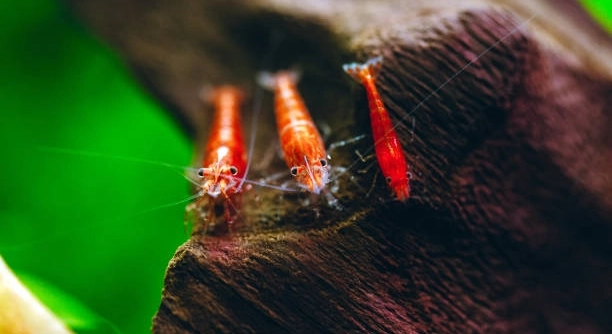
Have you ever noticed how shrimp move around in their tanks and wondered if they are simply reacting to their surroundings? These tiny creatures show behaviors that sometimes seem surprisingly deliberate and attentive to changes nearby.
Research indicates that shrimp can indeed recognize patterns in human behavior. Experiments show they respond differently to repeated actions, suggesting an ability to anticipate interactions based on prior experiences and environmental cues. This demonstrates a basic form of learning and recognition.
Understanding shrimp responses to humans can offer insights into their cognitive abilities and interactions. Observing these patterns can help improve care and enrich their daily environment.
How Shrimp Observe Their Environment
Shrimp are naturally attentive to movement and changes around them. In aquariums, they often pause and watch when someone approaches or adjusts objects in their tank. Their eyes are highly sensitive, allowing them to detect subtle differences in light and motion. Over time, shrimp may begin to associate certain actions with food or safety. For example, a shrimp may swim toward a hand that consistently drops pellets or retreat when the same hand moves unpredictably. These behaviors suggest that shrimp are not just reacting instinctively but are learning from repeated interactions. Researchers studying shrimp behavior have noted that their responses can vary based on previous experiences. They may become faster at recognizing feeding cues or more cautious in areas of the tank where they have encountered disturbances. This adaptability indicates that shrimp have a primitive form of memory and pattern recognition. Their responses are influenced both by natural instincts and learned behaviors, creating a complex behavioral profile.
Observation of these patterns can help caretakers anticipate shrimp reactions and manage feeding routines more effectively.
Shrimp behavior shows subtle intelligence. Their attention to repetitive actions allows them to react in ways that benefit their survival. By understanding these patterns, caretakers can better support their well-being.
Signs That Shrimp Recognize Human Patterns
Shrimp often show consistent reactions to repeated stimuli. They may approach, hide, or move differently depending on past experiences and observed cues.
Studies reveal that shrimp can learn to distinguish between humans who feed them and those who do not. They may swim toward certain people more quickly or display caution around unfamiliar movements. In one experiment, shrimp responded more confidently to repeated, predictable actions, suggesting recognition of routine. Their behavior can also indicate stress or comfort based on interactions; when humans act in consistent ways, shrimp are more likely to explore their environment openly. Additionally, shrimp may remember areas in the tank that have previously provided food, showing spatial pattern recognition alongside human behavior awareness. These findings highlight that shrimp are capable of simple learning processes and adaptive behaviors. Recognizing these responses can improve tank management and create a calmer, more predictable environment for shrimp. Proper observation and consistency in interactions encourage positive shrimp behavior and reduce stress, enhancing both their health and activity levels.
Training Shrimp Through Repetition
Shrimp can learn to respond to repeated actions, such as feeding cues. Consistency in movements and timing helps them recognize patterns and react more quickly. Over time, they begin associating certain human behaviors with food or safety, showing simple learning abilities.
By consistently feeding shrimp at the same time and in the same manner, they gradually learn to anticipate your actions. For instance, shrimp may swim toward the surface when they see the feeding container or hand approach. This behavior demonstrates that their brains are capable of forming basic associations. Repetition helps them predict outcomes, which can reduce stress and increase activity levels. Observing these small changes can make caring for shrimp feel more interactive and rewarding, as you notice them responding to your routine.
Shrimp can also learn subtle variations in human behavior. They may react differently to faster or slower hand movements, showing they are sensitive to small differences. These adaptations highlight their ability to process environmental cues and adjust behavior accordingly. Repetition and observation allow them to refine these responses, which can improve their interactions with their environment and caretakers over time.
Environmental Cues and Pattern Recognition
Shrimp respond strongly to changes in their surroundings, such as light, shadows, or movement. Their sensitivity allows them to notice patterns that indicate food, safety, or danger.
When the tank environment is consistent, shrimp can form expectations based on repeated cues. They learn to associate certain objects or locations with feeding times or hiding spots. For example, a particular shadow might signal the arrival of food, or a hand approaching the tank in a familiar way may trigger anticipatory behavior. These small but consistent patterns help shrimp navigate their environment more confidently. Studies have shown that this pattern recognition extends to spatial and temporal cues, meaning shrimp remember where and when important events occur. Providing predictable conditions helps reinforce these behaviors, making them more observable and easier to manage. Recognizing these patterns in shrimp not only highlights their cognitive abilities but also allows caretakers to create a stable, low-stress habitat that encourages natural behaviors.
Reactions to Human Presence
Shrimp often change their behavior when humans are nearby. They may approach more quickly during feeding times or retreat when movements are unpredictable. Their responses reflect recognition of repeated human actions.
These reactions can vary based on past experiences. Shrimp that are handled gently or fed consistently may show less stress and more exploratory behavior, indicating an ability to learn and adapt to human presence over time.
Observing Subtle Changes
Shrimp demonstrate small but noticeable changes in movement and positioning. They may pause, turn, or swim toward certain areas depending on repeated cues from humans. These subtle responses show pattern recognition and learning over time.
Predictable Behavior Patterns
Consistent routines help shrimp anticipate actions, such as feeding schedules or tank maintenance. Predictability reduces stress and encourages natural activity, making their behavior easier to observe and understand.
FAQ
Can shrimp really recognize individual humans?
Shrimp are not able to identify people like pets do, but they can recognize repeated actions. If a person always feeds them or moves in a predictable way, shrimp start reacting consistently to that person. Their recognition is based on patterns, not faces or personal traits.
How quickly do shrimp learn patterns?
Shrimp can begin responding to consistent cues within a few days, especially with feeding routines. They notice repeated movements or environmental changes and adjust their behavior. The speed of learning depends on how predictable the interaction is and how often it occurs.
Do all shrimp learn at the same rate?
No, individual shrimp may respond differently. Some are naturally more cautious, while others are bolder. Environmental factors like tank size, number of shrimp, and the presence of hiding spots also influence how quickly they pick up on patterns.
What kinds of patterns do shrimp notice?
Shrimp respond best to repeated movements, shadows, feeding signals, and environmental changes like lights or water currents. They also show memory of spatial locations in the tank, remembering where food appears or where hiding spots are located.
Can shrimp distinguish between different types of human behavior?
Yes, shrimp can react differently to subtle variations. A slow hand movement may cause them to approach, while a sudden movement can trigger retreat. This shows they are sensitive to changes in their environment and can learn to predict outcomes.
Do shrimp get stressed if patterns are inconsistent?
Inconsistent actions can confuse shrimp. For example, feeding at random times or abrupt changes in tank setup may make them hide more often or move erratically. Keeping a predictable routine helps reduce stress and supports natural behaviors.
Is pattern recognition in shrimp permanent?
Shrimp do not have long-term memory like mammals, but repeated exposure to a pattern can make their response last several days or weeks. Without reinforcement, they may forget and return to more instinctive behavior.
Can shrimp be trained for enrichment purposes?
Yes, simple repetitive cues can encourage shrimp to explore or interact more with their environment. Placing food in predictable spots or creating gentle movement patterns can engage them mentally, which is beneficial for their overall well-being.
How do environmental changes affect pattern recognition?
Changes in lighting, water flow, or tank decoration can alter shrimp behavior. They rely on consistent cues to recognize patterns, so sudden shifts may reset their learning process. Gradual adjustments help shrimp adapt without disrupting their routines.
Are some shrimp species better at recognizing patterns?
Yes, species with more complex social structures or larger nervous systems may show stronger pattern recognition. Research suggests that certain cleaner shrimp and mantis shrimp exhibit advanced learning behaviors compared to simpler shrimp species, but all shrimp display some level of recognition.
Why is understanding shrimp behavior important?
Observing pattern recognition in shrimp helps improve tank care and reduces stress. Knowing how they respond to humans and the environment allows caretakers to create routines that support healthy, active behavior. It also provides insight into the cognitive abilities of these small creatures.
Can shrimp remember negative experiences?
Shrimp tend to avoid situations associated with discomfort, like sudden disturbances or aggressive tankmates. While their memory is short-term, repeated negative experiences can lead to longer-lasting avoidance behaviors, showing a basic ability to learn from adverse events.
Do shrimp respond to other animals in predictable ways?
Yes, shrimp can recognize repetitive behaviors of tankmates or predators. They may retreat when certain fish approach or cluster together when exposed to consistent signals. Their pattern recognition extends beyond humans to interactions with other species in their environment.
How can I test shrimp pattern recognition safely?
Introduce consistent, gentle cues, like tapping a feeding container at the same spot or moving a hand slowly toward the tank before feeding. Observe responses over several days, noting if shrimp react faster or differently based on repeated actions. Avoid sudden movements that could stress them.
What signs show that shrimp have learned a pattern?
Shrimp may swim toward predictable feeding spots, pause when a hand approaches, or explore areas associated with rewards. Increased activity, reduced hiding, and consistent responses to repeated cues indicate successful pattern recognition.
Does age affect shrimp learning?
Younger shrimp may be more active and curious, picking up on patterns faster. Older shrimp often show slower responses, but repeated exposure still helps them learn. Their ability to recognize patterns does not disappear entirely with age, though reaction times may change.
Can shrimp recognize patterns outside feeding cues?
Yes, they respond to changes in light, tank decorations, and water movement. Shrimp may anticipate disturbances or seek shelter in areas where they previously noticed activity. Pattern recognition extends beyond food to general environmental awareness.
Do shrimp show individual personalities in pattern recognition?
Some shrimp are bolder and more exploratory, while others are cautious. This affects how quickly they notice and respond to repeated cues. Individual differences mean that observing multiple shrimp can reveal a range of learning behaviors within the same tank.
How does repeated human interaction affect shrimp behavior long-term?
Regular, predictable interactions help shrimp become comfortable with human presence. They are more likely to explore the tank openly and respond positively to feeding cues. Over time, consistent engagement can improve overall activity and reduce stress levels.
Are there limits to what shrimp can learn?
Shrimp have simple nervous systems, so their learning is limited to basic patterns and associations. They cannot recognize complex sequences or abstract concepts but can adapt to repeated, consistent cues in their environment.
Can pattern recognition improve shrimp health?
Yes, predictable routines reduce stress, encourage natural behaviors, and increase feeding efficiency. Engaged, confident shrimp tend to be healthier and more active, showing that recognizing and supporting their learning abilities benefits both behavior and well-being.
Do shrimp use pattern recognition for survival in the wild?
In natural habitats, shrimp recognize cues related to predators, food, and mates. Repetition in environmental signals allows them to anticipate danger or locate resources, showing that pattern recognition is an essential survival tool beyond captivity.
How detailed can shrimp pattern recognition be?
Shrimp respond to subtle differences in movement, timing, and location. While they cannot interpret complex situations, their ability to detect small, repeated changes in the environment demonstrates a surprising level of awareness for such small creatures.
Does water quality affect their learning?
Poor water conditions can stress shrimp and reduce their responsiveness. Maintaining clean, stable water supports natural behavior and allows shrimp to recognize and respond to repeated cues more effectively, enhancing both learning and well-being.
How do shrimp communicate recognition to others?
Shrimp may use body movement or positioning to signal awareness to tankmates. For example, clustering or synchronized swimming in response to repeated cues can indicate shared recognition of feeding or environmental changes, though communication is mostly instinctual rather than conscious.
Can multiple shrimp learn the same pattern together?
Yes, shrimp often respond collectively to repeated cues. If one shrimp notices a feeding signal, others may follow. This social reinforcement can strengthen learning and make pattern recognition more apparent within groups.
Do shrimp ever forget patterns?
Without repeated exposure, shrimp may return to instinctive behavior. Memory fades over time, so consistent interaction or environmental cues are needed to maintain learned responses. Forgetting is natural and does not indicate poor cognitive ability.
Are there ways to enhance shrimp learning?
Consistency and predictability are key. Regular feeding schedules, gentle handling, and stable environmental cues help shrimp recognize patterns more effectively. Gradual changes and repetition strengthen learning without causing stress or confusion.
Can pattern recognition indicate shrimp intelligence?
Yes, while limited, the ability to recognize repeated actions and adjust behavior shows cognitive capacity. Observing shrimp learn and respond to cues provides insight into their adaptive abilities and basic intelligence.
Does tank size affect pattern recognition?
Smaller tanks may make cues easier to notice, while larger tanks require shrimp to track signals over greater distances. Regardless of size, repetition and consistency remain crucial for effective recognition.
Can shrimp recognize negative human behavior?
Shrimp react to sudden or aggressive movements with caution or retreat. Repeated exposure to stressful actions can lead to avoidance, showing that pattern recognition includes learning from negative experiences.
How can caretakers use this knowledge effectively?
Understanding shrimp pattern recognition allows for better care. Predictable routines, gentle handling, and observation of responses support natural behavior, reduce stress, and improve overall health. Recognizing shrimp learning abilities makes daily interaction more meaningful and productive.
Are there signs of boredom or disinterest in shrimp?
Shrimp may hide, reduce movement, or ignore repeated cues if their environment lacks stimulation. Introducing predictable patterns, varied feeding locations, and gentle environmental changes encourages engagement and maintains activity.
Does social structure influence pattern learning?
Yes, shrimp in groups often learn from each other. Observing peers respond to cues can help less confident individuals adapt more quickly, making pattern recognition a collective experience within the tank.
Can pattern recognition help with breeding shrimp?
Recognizing predictable feeding and environmental cues can improve breeding success. Shrimp that feel safe and anticipate food are more likely to engage in natural behaviors, which supports mating and reproductive activity.
How long do shrimp typically remember patterns?
Short-term memory lasts days to weeks depending on reinforcement. Frequent repetition and stable conditions help maintain responses, while inconsistent interactions can lead to forgetting learned behaviors.
Does species affect pattern learning ability?
Some species, like mantis shrimp, show more advanced responses than others. However, all shrimp demonstrate basic pattern recognition, with differences in speed and sensitivity depending on species characteristics.
Can shrimp anticipate events without direct cues?
They can develop expectations based on repeated experiences. For example, consistent feeding times may lead shrimp to gather in certain areas before food arrives, showing anticipatory behavior.
Are shrimp aware of human presence even when not feeding?
Yes, shrimp can notice repeated movements and gestures outside feeding. They may adjust their swimming patterns or explore differently, reflecting sensitivity to human activity and environmental changes.
Do stress levels impact learning speed?
High stress reduces responsiveness and slows learning. Calm, predictable environments allow shrimp to notice patterns and react more efficiently, emphasizing the importance of stable care routines.
Can shrimp differentiate between multiple humans?
While they do not recognize faces, shrimp respond differently to distinct repeated behaviors. Individuals who consistently feed or interact predictably elicit stronger responses, showing recognition of behavioral patterns rather than people themselves.
How can pattern recognition be measured in shrimp?
Observation of movement, reaction time, and consistent responses to repeated cues provides measurable indicators. Tracking changes over time reveals learning, anticipation, and adaptation, allowing caretakers to assess shrimp cognitive abilities effectively.
Do shrimp communicate pattern recognition to other species?
Primarily, shrimp responses are individual or social within their species. Signals may influence tankmates but rarely extend to other species unless through general avoidance or attraction cues.
Can pattern recognition improve shrimp survival in captivity?
Yes, recognizing feeding times, safe areas, and predictable human actions reduces stress, increases feeding efficiency, and encourages natural behaviors, all of which support long-term health and survival.
Do shrimp use memory differently in groups versus alone?
In groups, shrimp may rely on observing peers, reinforcing pattern recognition. Alone, they depend solely on personal experience, which can slow learning but still allows adaptation to repeated cues.
Are there ethical considerations when using shrimp pattern recognition?
Yes, stress-free, gentle interactions are important. Avoid unpredictable or harmful actions that could confuse or frighten shrimp. Ethical care includes using recognition for enrichment and health, not manipulation.
Can shrimp be conditioned to ignore humans?
With repeated neutral exposure, shrimp may become indifferent to human presence. Conditioning relies on consistency, ensuring interactions are safe, gentle, and non-threatening, allowing shrimp to continue normal behaviors without stress.
Do shrimp show preference for specific cues?
Some cues, like consistent feeding gestures or light patterns, elicit stronger reactions. Individual differences mean shrimp may favor particular signals over others, reflecting both personality and learned experience.
Can pattern recognition indicate shrimp health issues?
Changes in responsiveness or delayed reactions can signal stress, illness, or environmental problems. Observing pattern recognition provides an indirect way to monitor shrimp well-being and detect early concerns.
Is it possible to overstimulate shrimp with repeated cues?
Yes, excessive or rapid repetition can stress shrimp. Providing consistent but moderate interactions ensures engagement without causing anxiety or fatigue, maintaining healthy behavioral patterns.
How long does it take for shrimp to fully adapt to a new routine?
It depends on the individual and environmental stability. Generally, several days of consistent repetition allow shrimp to anticipate events, reduce stress, and respond predictably to cues.
Can pattern recognition help prevent aggression in shrimp?
Predictable routines reduce stress and territorial disputes. When shrimp know when and where food appears and anticipate human activity, they are less likely to compete aggressively, creating a calmer tank environment.
Does light or noise affect learning in shrimp?
Yes, sudden changes in lighting or vibrations can interfere with pattern recognition. Maintaining a stable, quiet environment supports learning and consistent behavior responses.
Are there signs that shrimp are bored or under-stimulated?
Reduced activity, prolonged hiding, and lack of response to repeated cues can indicate under-stimulation. Gentle, predictable enrichment helps maintain engagement and encourages natural behaviors.
Can shrimp distinguish between regular feeding and occasional treats?
Yes, shrimp learn to associate repeated cues with standard feeding and may react differently to irregular or unexpected additions, showing a basic understanding of consistency versus novelty.
Do shrimp recognize patterns in water flow or temperature?
They respond to changes in currents and gradual temperature shifts, adjusting movement or hiding. Recognizing these environmental patterns helps them navigate safely and efficiently.
Can observing shrimp pattern recognition improve tank management?
Yes, it helps caretakers schedule feeding, plan maintenance, and monitor health. Understanding shrimp behavior ensures a calmer, more predictable habitat that supports activity, well-being, and natural responses.
Are shrimp more responsive in smaller or larger groups?
Group size can affect learning and responsiveness. Small groups may allow individual recognition of cues, while larger groups benefit from social reinforcement, making pattern recognition more visible and collective.
Does water chemistry affect learning ability?
Stable water chemistry supports natural behavior and responsiveness. Fluctuations in pH, salinity, or ammonia levels can stress shrimp, reducing their ability to notice patterns or respond predictably to repeated cues.
Can shrimp learn to anticipate non-feeding events?
Yes, repeated environmental changes like lighting adjustments or tank cleaning can lead shrimp to anticipate activity, showing that pattern recognition is not limited to food but extends to general awareness.
Do shrimp respond to shadows or reflections as patterns?
Yes, they notice repeated changes in light or reflections and may associate them with feeding or disturbance, demonstrating sensitivity to subtle visual cues in their environment.
How can caretakers encourage positive pattern recognition?
Use consistent feeding times, gentle hand movements, and stable tank conditions. Predictable interactions reduce stress, promote natural behaviors, and help shrimp learn patterns without fear.
Are there risks to overstimulating shrimp with patterns?
Yes, too frequent or abrupt cues can increase stress. Balancing repetition with calm observation ensures shrimp remain healthy, engaged, and responsive without negative effects.
Do shrimp recognize patterns differently during molting?
During molting, shrimp are more vulnerable and may hide or reduce activity. Pattern recognition continues but responses may be slower or less obvious until they complete molting and regain confidence.
Can shrimp learn to respond to multiple humans with distinct patterns?
Yes, they respond based on repeated behaviors from different people. While they do not recognize individuals, they can differentiate between distinct cues and react accordingly, showing adaptability to varied routines.
Does enrichment influence shrimp learning ability?
Providing predictable, gentle enrichment improves engagement and encourages exploration. Enrichment supports pattern recognition by giving shrimp consistent cues to interact with, enhancing cognitive stimulation.
Are shrimp more likely to recognize patterns during feeding times?
Feeding times are the most obvious opportunity for learning. Repeated actions and cues create strong associations, making shrimp highly responsive and easier to observe in this context.
Can pattern recognition help with identifying aggressive behavior in shrimp?
Yes, understanding their responses to repeated cues can reveal stress or dominance interactions. Consistent observation helps caretakers manage tank dynamics and reduce conflict.
Do shrimp react to repeated tapping on the tank?
Yes, gentle tapping can become a recognizable signal, eliciting swimming, hiding, or anticipatory behaviors depending on prior experience and frequency.
How can pattern recognition be measured over time?
Track response times, frequency of reactions, and behavior changes to repeated cues. Consistent observation allows assessment of learning, adaptation, and memory in shrimp.
Are some shrimp species more sensitive to human patterns?
Species with more complex nervous systems or social behavior tend to respond more noticeably. However, most shrimp show at least basic recognition of repeated cues.
Does stress reduce responsiveness to repeated cues?
High stress or poor tank conditions can diminish shrimp learning and responsiveness. Calm, stable environments are essential to maintain pattern recognition and natural behavior.
Can shrimp learn to anticipate cleaning schedules?
Repeated exposure to maintenance routines allows shrimp to adjust behavior, often retreating or hiding during expected cleaning, showing anticipation beyond feeding cues.
Do shrimp communicate learned patterns to each other?
Social reinforcement occurs through movement or clustering. While not conscious teaching, shrimp observing peers responding to cues may adopt similar behaviors, enhancing group learning.
Is pattern recognition in shrimp permanent?
Responses fade without reinforcement. Regular exposure maintains recognition, while inconsistent or absent cues may lead shrimp to revert to instinctual behavior.
How can caretakers use pattern recognition to improve shrimp health?
Consistent feeding, stable tank conditions, and gentle interactions reduce stress, promote natural activity, and support overall well-being, making pattern recognition a practical tool for care.
Do shrimp show curiosity when learning patterns?
Yes, attentive movements, exploration, and approach behaviors indicate shrimp notice repeated cues and actively respond, reflecting engagement with their environment.
Can shrimp recognize patterns in other shrimp?
Observing repeated movements of tankmates helps shrimp predict behavior, showing that pattern recognition extends beyond humans to social interactions.
Do environmental changes affect memory of patterns?
Significant or abrupt changes can reset shrimp learning. Gradual, consistent adjustments help maintain recognition without causing stress or confusion.
Can pattern recognition be used for behavioral enrichment?
Yes, predictable cues and repeated gentle interactions provide stimulation, reduce stress, and encourage exploration, enhancing overall well-being.
Do shrimp react differently to light changes as patterns?
Yes, repeated changes in lighting can signal feeding, activity, or disturbance, and shrimp adjust behavior accordingly. This visual pattern recognition supports environmental awareness.
Can shrimp anticipate human movements without food cues?
Repeated exposure to consistent gestures allows shrimp to react even when no food is present, demonstrating learning based on environmental patterns rather than reward alone.
Do shrimp show patience when recognizing patterns?
They often wait and observe before acting, especially in new situations. This cautious behavior indicates attention to repeated cues and deliberate response rather than immediate instinct.
Are there limits to the complexity of patterns shrimp can learn?
Shrimp learning is limited to basic cues and simple sequences. They cannot understand abstract or multi-step patterns but can adapt to repeated, consistent signals in their environment.
**Does
Shrimp are small creatures, but they show surprising abilities when it comes to recognizing patterns. Observing them over time makes it clear that they are not acting purely on instinct. They respond to repeated actions, changes in their environment, and even the behaviors of people who interact with them regularly. When feeding is done consistently, shrimp start to anticipate the arrival of food and react more confidently. This simple form of learning allows them to navigate their surroundings with more awareness, which can reduce stress and encourage natural behaviors. Even though their memory is limited, repeated exposure helps reinforce these responses and makes them more predictable for caretakers. Watching shrimp notice patterns and adjust their movements shows that these small animals have more cognitive ability than they are often given credit for.
Consistency in interactions is key to supporting shrimp behavior. They respond best when the same cues are repeated, whether it is a hand approaching the tank, a shadow appearing in a certain location, or food being delivered at the same time each day. When patterns are predictable, shrimp are more likely to explore the tank openly, interact with their environment, and show normal activity levels. Inconsistent actions can confuse them and cause stress, leading to hiding or irregular movements. Understanding this allows caretakers to provide a stable and supportive environment. The ability to recognize patterns also extends to other factors, such as the movements of tankmates or changes in lighting and water flow. By paying attention to these responses, it is possible to improve the overall well-being of shrimp while gaining insight into their natural behaviors.
Pattern recognition in shrimp highlights the importance of observation and patience. These animals may be small, but they are sensitive and capable of adapting to their environment in simple yet meaningful ways. Supporting their learning through predictable routines can make them healthier, more active, and less stressed. Even small adjustments, like consistent feeding or gentle handling, can have a significant impact on how they respond to daily events. While shrimp do not have complex intelligence, their ability to notice and react to repeated cues is a fascinating aspect of their behavior. Observing these responses can enhance care practices and create a more engaging, comfortable habitat. Paying attention to the patterns shrimp recognize allows caretakers to connect more effectively with these small animals, offering both a practical and rewarding way to support their lives.

Hello,
If you enjoy the content that we create, please consider saying a "Thank You!" by leaving a tip.
Every little bit helps us continue crafting quality advice that supports the health, happiness, and well-being of pets around the world, for pets of all shapes, sizes, and species.
We really appreciate the kindness and support that you show us!