
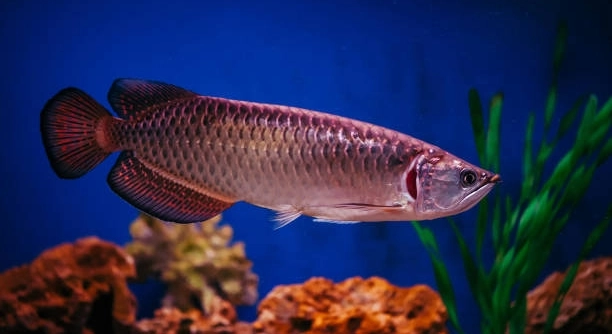
Is your arowana acting unusually lethargic or hiding at the bottom of the tank? Sudden changes in environment, water quality, or handling can cause stress and shock in these delicate fish, which requires prompt attention and care.
The most effective way to help an arowana recover from shock is by stabilizing its environment and minimizing stressors. Maintain optimal water temperature, ensure proper oxygenation, and avoid sudden handling or rapid changes in the tank conditions.
Providing consistent care and monitoring your arowana closely during this period is crucial, as small adjustments can significantly improve recovery chances and overall health.
Identifying Signs of Shock in Your Arowana
Arowanas in shock often display changes in behavior that are easy to notice if you pay close attention. They may become unusually still, stay near the bottom of the tank, or hide behind decorations. Loss of appetite is another common sign. Sometimes, the fish will display rapid gill movement or seem to gasp at the surface, indicating stress or poor oxygen levels. Color changes can also occur, with their usually vibrant scales appearing dull or faded. Observing your fish daily is essential because shock can develop quickly after water changes, transport, or sudden temperature shifts. Early recognition allows for faster intervention, increasing the chances of recovery. Keeping a record of behavioral changes and water conditions can help identify triggers and prevent future occurrences. It is important to respond calmly and avoid making abrupt adjustments that could further stress the fish. Understanding these signs equips you to act before the situation worsens.
Prompt action in response to these signs can prevent long-term health issues and improve recovery outcomes significantly.
Keeping arowanas in a stable, stress-free environment reduces the likelihood of shock. Regular water testing and maintaining a consistent feeding schedule reinforce their resilience. Removing potential stressors, such as aggressive tankmates or sudden loud noises, also contributes to their well-being. Monitoring for illness alongside behavioral changes ensures that medical conditions are addressed early. Tank decor should provide hiding spots without overcrowding, allowing the fish to feel secure. Adjusting lighting gradually helps prevent sudden changes that may trigger shock. Maintaining water parameters within the recommended range, including temperature, pH, and hardness, is critical for sensitive arowanas. Performing small, frequent water changes instead of large, sudden ones keeps conditions stable. Introducing new fish or decorations slowly helps prevent stress. Consistent observation and care build trust between you and your fish, making them more comfortable in their environment. By following these practices, recovery from shock becomes more manageable, and your arowana is less likely to experience future episodes.
Stabilizing the Environment
Ensuring stable water conditions is essential to help your arowana regain health and composure. Sudden fluctuations can worsen stress and delay recovery.
Adjusting the tank to optimal conditions involves checking temperature, oxygen levels, and cleanliness. Use a heater or aerator if needed. Avoid overcrowding or introducing new tankmates during recovery. Remove debris and uneaten food, as poor water quality can exacerbate shock. Test water parameters daily to maintain consistent levels. Keep lighting moderate to reduce stress, and provide gentle filtration to avoid strong currents that may tire the fish. Observing your arowana’s response to these changes is important. Gradual improvements in behavior indicate that the environment is becoming suitable again. Keeping routines consistent, including feeding and cleaning, promotes stability. Small, steady adjustments are safer than sudden shifts. A well-maintained tank supports both recovery and overall health. Creating a calm, stable environment reduces risk factors and fosters natural behavior, allowing your arowana to regain strength and confidence in its habitat.
Providing Proper Nutrition
Offer small, easily digestible meals to your arowana during recovery. Avoid overfeeding, as this can stress its digestive system and hinder healing. Focus on high-quality protein sources and avoid sudden changes in diet.
Proper nutrition supports immune function and energy levels in stressed arowanas. Feed them live or frozen foods such as shrimp, fish, or insects, which are closer to their natural diet. Ensure portions are small and given multiple times a day rather than one large meal. Supplements like vitamins can be used cautiously to aid recovery, but avoid introducing anything new that could disrupt digestion. Clean feeding areas to prevent water contamination, which can worsen stress. Observing how your arowana responds to each meal allows adjustments for optimal intake. Over time, consistent feeding and attention to diet quality will help restore vitality and normal behavior. Nutrition is a key part of recovery and cannot be overlooked.
Hydration and water quality directly affect nutrient absorption and overall health. Clean, well-oxygenated water ensures that nutrients are effectively utilized and prevents additional stress. Avoid adding new chemicals or medications unless prescribed. Monitor water parameters closely to ensure ammonia, nitrite, and nitrate levels remain safe. Arowanas recovering from shock are more susceptible to infections, so maintaining pristine water conditions is essential. Temperature consistency supports metabolism and proper digestion, allowing the fish to process meals efficiently. Feeding in a calm environment without sudden disturbances enhances nutrient uptake. Small, frequent feedings in stable water help the arowana regain strength steadily. Recovery is a combination of proper nutrition and environmental stability.
Minimizing Stress and Handling
Reduce handling to a minimum to prevent additional shock. Frequent interaction or sudden movements can worsen stress and delay recovery.
Create a calm environment by limiting loud noises, bright lights, and tank disturbances. Provide hiding spots where the fish can feel secure and monitor it quietly. Avoid introducing new tankmates or decorations until the arowana shows signs of improvement. Gentle water flow and consistent temperature reduce unnecessary strain. Observing behavior without interference allows you to detect subtle signs of progress or concern. Stress reduction also involves maintaining routine feeding and cleaning schedules without abrupt changes. Over time, minimizing stressors fosters resilience and confidence in the tank. A consistent, calm environment is essential for recovery and long-term well-being.
Using Water Conditioners
Water conditioners can help neutralize harmful chemicals and reduce stress on your arowana. They are particularly useful after water changes or if tap water contains chlorine or heavy metals.
Choose conditioners specifically designed for tropical or freshwater fish. Follow dosage instructions carefully to avoid overuse, which can cause additional stress. Regular use during recovery ensures the water remains safe and stable. Always monitor your arowana’s behavior after adding any conditioner, as sensitivity can vary. Consistent use supports gill function and overall health, making it easier for your fish to regain strength.
Maintaining Optimal Temperature
Keep water temperature stable between 75 and 82°F, depending on your arowana species. Sudden fluctuations can exacerbate shock and delay recovery. Maintaining a heater with a reliable thermostat helps prevent rapid changes.
Stable temperature supports metabolism, immune function, and overall recovery. Avoid placing the tank near drafts, heaters, or air conditioners. Monitor with a thermometer daily and make small adjustments if needed. Gradual changes prevent additional stress and allow your arowana to regain energy steadily. Consistent temperature is key for both short-term recovery and long-term health.
Observing Behavior Changes
Monitor your arowana closely for any improvements or signs of deterioration. Track appetite, swimming patterns, and coloration daily.
Behavioral observation helps identify whether recovery strategies are effective. Noting subtle changes can guide adjustments in feeding, water conditions, or stress management. Consistent observation is essential to ensure timely interventions and support long-term health.
Avoiding Overcrowding
Keep your tank environment calm and spacious to minimize stress. Overcrowding can worsen shock and hinder recovery.
FAQ
How long does it take for an arowana to recover from shock?
Recovery time varies depending on the severity of the shock and the overall health of your arowana. Mild cases may improve within a few days, while severe stress or illness can take several weeks. Consistent care, proper nutrition, stable water conditions, and minimal handling are essential to support faster recovery. Monitoring behavior daily helps identify improvements, such as returning appetite, normal swimming patterns, and brightening coloration. Patience is important, as rushing adjustments or frequent handling can worsen the condition and delay healing.
Can I treat my arowana at home without a vet?
Yes, many cases of shock can be managed at home if water quality, temperature, and nutrition are stabilized. However, if symptoms persist for more than a week, or if your arowana shows signs of disease such as ulcers, frayed fins, or abnormal growths, consulting a veterinarian is recommended. Home care should focus on minimizing stress, maintaining optimal water parameters, providing high-quality food, and monitoring behavior closely. Over-the-counter medications should be used cautiously and only if necessary, following instructions carefully.
What should I feed an arowana in shock?
Offer small, easily digestible meals that are high in protein. Frozen or live foods such as shrimp, small fish, and insects work best. Avoid overfeeding, as this can strain the digestive system. Feed in small portions multiple times a day instead of one large meal. During recovery, it is best to avoid new foods that your arowana is not familiar with, as sudden changes may increase stress. Observing how the fish responds to each meal allows you to adjust portions and frequency. Proper nutrition is crucial for regaining energy and strength.
How often should I check water parameters?
Daily monitoring of water parameters is recommended while your arowana recovers. Check temperature, pH, ammonia, nitrite, and nitrate levels to ensure they remain stable. Sudden changes can increase stress and slow recovery. Using a reliable test kit helps maintain accurate readings, and keeping a log can help track patterns and identify potential issues early. Regular water changes, small and consistent, prevent toxins from accumulating and reduce the risk of shock recurrence. Stability in water quality is one of the most important factors for recovery.
Is it safe to use medications during shock recovery?
Medications should be used cautiously and only when necessary. Stress can make arowanas more sensitive to chemicals, and improper dosing may worsen their condition. Focus first on water quality, temperature, nutrition, and stress reduction. If treatment is required for bacterial or parasitic infections, follow instructions carefully and observe the fish closely. Avoid combining multiple medications unless advised by a professional. Proper use of medications can aid recovery, but unnecessary treatments may create additional challenges.
Can other fish in the tank affect recovery?
Yes, tankmates can increase stress for a recovering arowana. Aggressive or fast-moving fish may intimidate or harass it, slowing healing. Consider isolating your arowana in a separate recovery tank if possible. If isolation is not an option, provide plenty of hiding spots and maintain a calm, quiet environment. Reducing competition for food and space allows your fish to focus energy on regaining health rather than defending territory. Stress reduction from tankmates is as important as water quality and nutrition for full recovery.
How do I know if my arowana is fully recovered?
Signs of full recovery include normal swimming behavior, consistent appetite, vibrant coloration, and reduced hiding. The fish should respond naturally to its environment and show energy levels similar to before the shock. Recovery is gradual, so look for consistent improvements over several days or weeks. Continue maintaining stable water conditions, proper feeding, and minimal stress even after recovery. Full recovery means your arowana can handle minor environmental changes without showing signs of shock. Regular observation helps ensure long-term health and prevents relapse.
Can temperature changes cause shock again?
Yes, sudden changes in water temperature are a common trigger for shock. Always adjust temperature gradually using a reliable heater or cooler. Avoid placing the tank near drafts, heaters, or air conditioners. Stable temperature supports metabolism, digestion, and immune function, reducing the risk of repeated shock. Consistency is key, especially during recovery when the fish is more sensitive. Small, incremental adjustments prevent stress and promote steady recovery.
What are the most important steps to prevent shock in the future?
Maintaining stable water quality, temperature, and proper nutrition is critical. Minimize sudden changes in the tank environment, avoid overcrowding, and provide hiding spots. Monitor behavior and water parameters daily, and perform small, frequent water changes rather than large, abrupt ones. Gradual introduction of new tankmates or decorations also reduces stress. Consistent care ensures arowanas remain healthy and resilient, lowering the risk of future shock. Keeping a calm, stable environment is the most reliable prevention strategy.
How can I make recovery less stressful for my arowana?
Limit handling and provide a calm environment with moderate lighting and gentle water flow. Avoid sudden noises, tank movement, and excessive cleaning during recovery. Offer high-quality, easily digestible food and maintain consistent routines for feeding and water maintenance. Provide hiding spots so the fish can feel secure. Observing quietly rather than interfering frequently helps the fish regain confidence. Reducing external stressors while stabilizing internal conditions ensures a smoother and faster recovery, allowing the arowana to regain energy and strength safely.
Final Thoughts
Helping an arowana recover from shock requires patience, consistency, and careful observation. These fish are highly sensitive to changes in their environment, and even small fluctuations in water quality, temperature, or handling can cause stress. Recognizing the signs of shock early is crucial. Lethargy, hiding, loss of appetite, rapid gill movement, and dull coloration are common indicators that your arowana is under stress. Once these signs are noticed, immediate action to stabilize the environment, minimize handling, and provide proper nutrition can significantly improve the chances of recovery. Consistency is key, and small adjustments over time are more effective than abrupt changes that may worsen the situation.
Maintaining optimal water conditions plays a central role in recovery. Temperature, pH, ammonia, nitrite, and nitrate levels should be carefully monitored and kept within recommended ranges for your arowana species. Using water conditioners can help neutralize harmful chemicals, and regular, small water changes keep the tank clean without causing sudden disturbances. A calm environment with gentle water flow, moderate lighting, and hiding spots reduces stress and allows the fish to feel secure. Nutrition is equally important. Offering high-quality, easily digestible meals in small portions supports energy levels and immune function. Overfeeding or sudden changes in diet should be avoided, as they can create additional stress or digestive issues. Regular observation of behavior, appetite, and overall appearance helps track progress and guide adjustments in care.
Stress reduction and careful handling are also essential. Limiting interactions and creating a calm environment allows the arowana to regain strength without unnecessary strain. Aggressive or fast-moving tankmates should be separated or observed carefully, as social stress can hinder recovery. Medications should be used cautiously and only when necessary, focusing primarily on environmental and nutritional support. Recovery takes time, and it is important to remain patient while monitoring your fish closely. By combining stable water conditions, proper nutrition, minimal stress, and careful observation, an arowana can gradually regain health and vitality. Consistent care not only helps in the immediate recovery from shock but also reduces the risk of future stress episodes, supporting the long-term health and well-being of your fish.

Hello,
If you enjoy the content that we create, please consider saying a "Thank You!" by leaving a tip.
Every little bit helps us continue crafting quality advice that supports the health, happiness, and well-being of pets around the world, for pets of all shapes, sizes, and species.
We really appreciate the kindness and support that you show us!