
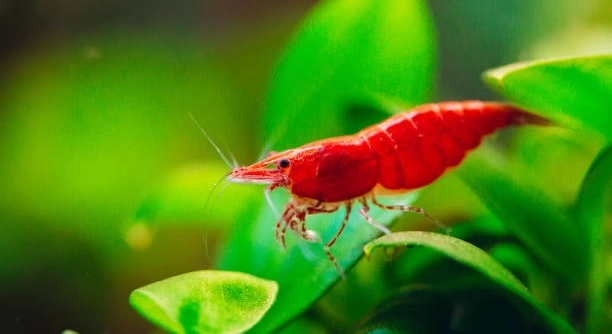
Do you ever notice your cherry shrimp lingering on the moss in your aquarium for long periods? This small behavior can seem random, but it often reflects natural instincts and environmental preferences within the tank.
Cherry shrimp often sit on moss to forage for biofilm, algae, and microorganisms that grow on its surface. This behavior provides both nourishment and a safe resting place, allowing shrimp to feed efficiently while remaining partially concealed from potential stressors.
Observing these tiny moments can reveal much about your aquarium’s ecosystem and the daily habits of your shrimp. Understanding these behaviors helps maintain a healthy tank environment.
Why Cherry Shrimp Prefer Moss
Moss provides an ideal habitat for cherry shrimp, offering both food and shelter. The tiny plants grow dense surfaces that host biofilm, algae, and microorganisms, which are essential parts of a shrimp’s diet. When shrimp sit on moss, they are actively grazing, scraping surfaces for these microscopic resources. This natural feeding behavior ensures they receive proper nutrition without competing with other tank inhabitants. Moss also acts as a protective layer. Shrimp feel safer resting or feeding among its fronds because it offers partial cover from larger fish or disturbances in the tank. The softness of the moss reduces stress on their delicate bodies, preventing injury that could occur on harder surfaces. Moreover, moss helps maintain water quality by absorbing excess nutrients and providing surfaces for beneficial bacteria. Healthy moss contributes to a balanced tank environment, supporting both shrimp health and overall ecosystem stability in a visually pleasing way that also enhances aquascapes.
Moss keeps shrimp active and healthy while providing a safe resting area and feeding surface, enhancing their well-being naturally.
By observing shrimp behavior, it’s clear that moss is more than decoration. Shrimp often choose different types of moss depending on texture and surface area. Java moss is commonly preferred because it grows densely, allowing shrimp to graze thoroughly while remaining hidden. Some shrimp may explore other mosses like Christmas moss or even small ferns if available, showing adaptability. The placement of moss in the tank also affects shrimp activity. Moss near the substrate or in shaded areas encourages resting, while moss positioned in moderate light promotes feeding. Regularly cleaning moss is unnecessary unless debris accumulates, as shrimp naturally maintain its surface while feeding. Their grazing also helps control algae growth, making moss an essential component of a balanced aquarium. Maintaining moss with proper lighting and nutrients ensures shrimp continue to thrive, feeding, resting, and reproducing comfortably, creating a dynamic and sustainable habitat.
Observing Daily Shrimp Habits
Watching shrimp on moss reveals much about their routines. They feed, rest, and explore surfaces consistently throughout the day.
Shrimp behavior can indicate tank health. Active shrimp grazing on moss suggest a balanced ecosystem, adequate food sources, and minimal stress. Observing patterns like clustering or frequent hiding helps identify environmental issues or water quality concerns. Additionally, variations in shrimp activity may reflect molting cycles, reproductive behavior, or responses to new tankmates. Careful observation allows timely adjustments, such as repositioning moss, adding supplementary food, or adjusting light and water flow. Keeping a log of shrimp behavior over time helps track growth, feeding efficiency, and overall wellness, supporting a thriving aquarium. With a clear understanding of daily shrimp habits, caretakers can provide a stable environment that promotes long-term health, encouraging natural behaviors while maintaining a visually appealing tank.
How Moss Supports Shrimp Health
Moss provides constant access to natural food sources, helping shrimp maintain good nutrition. It offers shelter that reduces stress, which is critical for growth and molting. Its structure allows shrimp to move freely while feeling safe.
Shrimp rely on biofilm and algae growing on moss as a primary food source. This constant grazing keeps their digestive system active and supports molting cycles. Moss surfaces also encourage shrimp to exercise while exploring, promoting muscle development and overall vitality. The soft texture prevents injuries during movement, unlike harder decorations or substrate. Maintaining healthy moss ensures shrimp always have access to these benefits, creating a low-stress environment that supports both feeding and resting behaviors naturally.
Moss also stabilizes water conditions by hosting beneficial bacteria. These bacteria help break down waste, improving water quality and reducing harmful compounds. Shrimp in moss-rich tanks often display more consistent activity levels and healthier coloration. In addition, moss can trap small particles, allowing shrimp to consume them as additional nutrients. This dual role of food source and filtration makes moss an essential feature in a thriving shrimp habitat.
Placement and Care Tips
Placing moss in shaded or low-flow areas allows shrimp to feed and rest without constant disturbance, creating a comfortable microhabitat in the tank.
Regular trimming and occasional gentle rinsing prevent excessive debris buildup while preserving biofilm for grazing. Moss thrives with moderate lighting and balanced nutrients, avoiding algae overgrowth. Positioning moss near hiding spots encourages shrimp to use it for shelter, reducing stress and aggression in community tanks. Rotating or repositioning moss can stimulate activity and exploration, keeping shrimp engaged and healthy. By maintaining moss carefully, the tank stays visually appealing while supporting shrimp’s natural behaviors and nutritional needs consistently.
Moss as a Safe Molting Spot
Moss provides a secure environment for shrimp during molting. Its dense structure offers cover, reducing stress and protecting vulnerable shrimp from tankmates.
Shrimp often choose moss to shed exoskeletons because the soft fronds cushion them. This minimizes injury risks and allows them to remain hidden while their new exoskeleton hardens.
Promoting Natural Foraging
Moss encourages shrimp to forage naturally. The biofilm and microorganisms growing on moss surfaces simulate the feeding conditions shrimp would experience in the wild, keeping their instincts active.
Maintaining Moss Quality
Trimming and occasional rinsing of moss prevents decay and excessive debris. Healthy moss ensures shrimp continue to have a safe, nutrient-rich environment to thrive in.
FAQ
Why is my cherry shrimp always on the moss?
Cherry shrimp spend time on moss primarily to feed and feel secure. Moss hosts biofilm, algae, and microorganisms that provide essential nutrients. It also acts as a soft resting place, reducing stress while keeping them partially hidden from tankmates or disturbances.
Is it normal for shrimp to stay on moss all day?
Yes, this behavior is normal. Shrimp often remain on moss for long periods because it offers a reliable food source and safety. They may move around occasionally, but their preference for moss indicates comfort and access to nutrition, not a problem with the tank environment.
Can shrimp survive without moss?
Shrimp can survive without moss, but it reduces their natural feeding and hiding opportunities. Without moss, they may rely solely on commercial foods and have fewer protected areas to rest or molt. Including moss improves their well-being and encourages natural behaviors, supporting healthier shrimp.
How do I keep moss safe for shrimp?
Maintaining moss involves trimming overgrowth and gently rinsing it to remove debris. Avoid harsh chemicals or fertilizers that could harm shrimp. Moderate lighting and proper nutrients help moss thrive without encouraging algae, ensuring a clean, safe environment for shrimp to feed and rest.
Why do shrimp choose different parts of moss?
Shrimp select moss areas based on texture, light, and flow. Dense, shaded spots provide cover and comfort, while areas exposed to moderate light often have more biofilm growth, making them ideal for grazing. Observing their preferences helps in arranging moss for maximum shrimp activity.
Do shrimp eat the moss itself?
Shrimp do not typically eat moss directly. They feed on the microorganisms and biofilm growing on its surface. This grazing behavior supplies essential nutrients while keeping the moss clean, indirectly benefiting both the shrimp and the tank environment.
Can moss help shrimp molt safely?
Yes, moss is an ideal spot for molting. Its soft, dense structure protects shrimp while their new exoskeleton hardens. Being partially concealed reduces stress from other tankmates, helping the shrimp complete the process without injury.
What type of moss is best for cherry shrimp?
Java moss is the most commonly used because it grows densely, tolerates various conditions, and provides ample grazing surfaces. Other options like Christmas moss or fissidens can work but may require different care. Selection depends on tank layout and shrimp preferences.
How often should I clean the moss?
Moss generally requires minimal maintenance. Gentle rinsing once in a while is enough to remove debris. Over-cleaning can remove beneficial biofilm, which is a primary food source for shrimp. Regular observation ensures it stays healthy without unnecessary intervention.
Will moss improve overall tank health?
Yes, moss contributes to a balanced aquarium ecosystem. It provides surfaces for beneficial bacteria, helps reduce excess nutrients, and supports shrimp health. Including moss enhances both water quality and the shrimp’s natural behaviors, making it an essential element for thriving tanks.
Can other tank inhabitants affect shrimp on moss?
Yes, larger or more aggressive fish may disturb shrimp, causing them to hide more frequently in moss. Observing interactions and positioning moss strategically can provide safe areas and reduce stress, ensuring shrimp continue to feed and rest comfortably.
Is moss necessary for breeding shrimp?
Moss creates an ideal environment for shrimp breeding. It offers cover for juvenile shrimp and surfaces where adults can graze without competition. Moss-rich areas reduce stress and increase survival rates of newly hatched shrimp, making it beneficial for maintaining a healthy population.
What are signs of unhealthy moss?
Discolored, slimy, or decaying moss indicates poor conditions. Excessive algae growth or detritus buildup can harm shrimp. Maintaining proper lighting, water flow, and occasional gentle cleaning prevents moss deterioration, ensuring shrimp have a safe and nutritious habitat.
How does moss affect shrimp behavior?
Moss encourages natural behaviors like grazing, exploring, and hiding. Shrimp tend to be more active and less stressed in moss-rich areas. Observing them interacting with moss can reveal feeding patterns, molting cycles, and social interactions, providing insight into their health and habits.
Can shrimp use moss during molting and feeding simultaneously?
Yes, moss allows shrimp to feed while remaining partially protected. Its dense structure supports simultaneous grazing and hiding, reducing stress and promoting safer molting. This combination of food availability and shelter makes moss an essential feature in shrimp aquariums.
What is the best way to introduce moss to a shrimp tank?
Place moss gradually, ensuring it attaches securely to surfaces like rocks, driftwood, or substrate. Observe shrimp interactions and adjust placement if needed. Introducing moss slowly encourages natural grazing and hiding behaviors, creating a balanced, low-stress environment that supports shrimp health effectively.
Can moss help with tank algae control?
Moss indirectly helps control algae by providing a competing surface for biofilm growth. Grazing shrimp also consume microorganisms that might otherwise fuel algae proliferation. While not a complete solution, moss contributes to a cleaner tank and more stable ecosystem.
Is moss suitable for small or nano tanks?
Yes, moss is ideal for smaller tanks because it grows compactly and provides food and shelter without overcrowding the space. Properly maintained moss enhances water quality and supports shrimp activity even in limited aquarium environments.
How do I encourage shrimp to use moss more?
Ensure moss is healthy, placed in shaded or low-flow areas, and allowed to develop biofilm. Adding small amounts of supplemental food nearby can guide shrimp to explore the moss, encouraging grazing and natural behavior without forcing interaction.
Can moss survive in low-light shrimp tanks?
Many moss types, particularly Java moss, tolerate low-light conditions. They grow slowly but still provide surfaces for grazing and hiding. This makes them suitable for tanks with modest lighting while still supporting shrimp nutrition and safety.
Final Thoughts
Cherry shrimp are small but fascinating creatures, and their behavior in the aquarium can reveal a lot about their needs and comfort. One of the most noticeable patterns is their frequent use of moss. Spending time on moss is not random; it reflects natural feeding habits, resting preferences, and instincts for safety. Moss provides a surface for biofilm and algae, which are essential parts of a shrimp’s diet, making it a reliable and continuous food source. Observing shrimp on moss gives insight into their daily routines and overall health, helping caretakers understand when conditions in the tank are optimal or if adjustments are needed. This small, green plant contributes significantly to both the physical and behavioral well-being of your shrimp, creating an environment where they can thrive naturally.
Moss also plays a critical role in creating a low-stress environment. The dense fronds and soft texture offer a sheltered space where shrimp feel protected while feeding or molting. During molting, shrimp are particularly vulnerable, and having moss available allows them to hide partially and recover safely. The placement of moss in shaded or calm areas encourages this natural behavior. Beyond protection, moss helps maintain water quality. It provides surfaces for beneficial bacteria, absorbs excess nutrients, and traps debris, indirectly supporting shrimp health. By combining nutrition, shelter, and ecosystem support, moss becomes more than just decoration—it is a functional element that promotes consistent activity, healthy growth, and natural behavior in your shrimp population. Regular observation of how shrimp interact with moss can also highlight issues in tank conditions, such as overcrowding, water flow problems, or insufficient feeding.
Maintaining moss is simple, but its benefits are substantial. Gentle trimming and occasional rinsing are usually all that is needed to prevent debris accumulation without disturbing biofilm growth. Proper lighting and nutrient balance help moss thrive, ensuring it remains a safe, nutrient-rich environment for shrimp. Different types of moss, such as Java moss, Christmas moss, or fissidens, offer various textures and densities, allowing shrimp to select the areas that best meet their needs. Positioning moss strategically encourages natural exploration and grazing while providing resting spots and hiding places. Over time, shrimp that have access to healthy moss show more active behavior, better coloration, and higher molting success. Overall, incorporating moss into an aquarium is a simple step that provides multiple benefits. It supports shrimp nutrition, safety, and natural behavior while contributing to the overall stability and cleanliness of the tank, creating an environment where your shrimp can thrive consistently and visibly enjoy their habitat.

Hello,
If you enjoy the content that we create, please consider saying a "Thank You!" by leaving a tip.
Every little bit helps us continue crafting quality advice that supports the health, happiness, and well-being of pets around the world, for pets of all shapes, sizes, and species.
We really appreciate the kindness and support that you show us!