
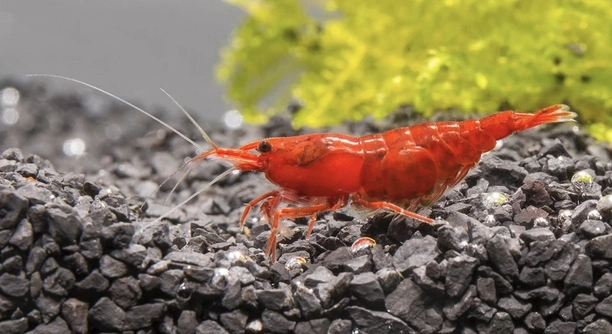
Introducing new tank mates to your shrimp can be both exciting and nerve-wracking. These small creatures are sensitive to change, and even minor adjustments in their environment may trigger noticeable behavioral shifts that owners often observe closely.
Shrimp display a variety of reactions when introduced to new tank mates, ranging from hiding in shelters to cautiously exploring their surroundings. Aggressive or territorial fish may provoke retreat, while peaceful companions encourage gradual acclimation and social interaction among the shrimp.
Observing these responses closely can help maintain a balanced aquarium and ensure all inhabitants adjust safely to their shared environment.
Hiding and Staying Close to Shelter
When shrimp encounter new tank mates, their first instinct is often to hide. They may retreat under plants, decorations, or rocks, avoiding open areas entirely. This behavior is natural, as shrimp are prey animals and rely on concealment for safety. Even if the new tank mates are peaceful, shrimp will spend extra time observing from a distance. Over several days, you may notice them gradually venturing out as they become more comfortable. Providing multiple hiding spots in the tank encourages confidence and reduces stress, allowing shrimp to explore at their own pace. It’s important to avoid sudden movements near the tank or excessive rearrangement of decorations during this period. Stress can affect feeding and molting, so observing and respecting their space helps maintain their health. A calm environment and consistent feeding schedule can promote faster acclimation and improve the shrimp’s overall activity.
Shrimp hiding initially is common, and most will adjust once they feel safe.
Gradual exposure to new tank mates allows shrimp to balance curiosity with caution. Over time, they learn which companions are safe and begin to explore more openly. The presence of familiar shelters combined with consistent feeding encourages them to leave hiding places more frequently. Observing subtle signs like antenna movement or slight peeking helps gauge comfort levels. Avoiding aggressive or overly active fish ensures they do not feel threatened, supporting better acclimation. In tanks with multiple hiding spots, shrimp often establish small territories, which reduces conflict and encourages natural behavior.
Cautious Exploration
Shrimp often approach new tank mates slowly, testing the water before fully venturing out.
This measured exploration helps them assess safety and adapt without unnecessary risk.
When shrimp begin cautious exploration, they use antennae to sense surroundings and evaluate potential threats. They may move only a few inches at a time, retreating if another fish approaches. This cautious behavior is essential for their survival instincts and allows them to identify safe zones within the tank. Observing their movement patterns provides insight into which tank mates are compatible. Providing a calm environment with stable water conditions and minimal disturbances encourages shrimp to expand their range. Over several days, they often establish regular paths, gradually interacting with other shrimp and non-aggressive fish. Offering food at consistent times can draw them into more visible areas, reinforcing confidence. Understanding this behavior allows you to create a balanced tank where shrimp feel secure while coexisting with other aquatic species.
Quick Retreats
Shrimp often dart back to hiding spots when a new tank mate approaches suddenly. This reaction is natural and helps them avoid potential threats, even if the other fish is not aggressive.
These rapid retreats are a common defensive behavior. Shrimp use their speed to escape perceived danger, often returning to plants, rocks, or other cover. Even minor disturbances, such as tapping on the glass or sudden movements nearby, can trigger this reaction. Over time, shrimp learn which tank mates pose no threat, reducing the frequency of these quick retreats. Observing these behaviors allows you to understand each shrimp’s comfort level and identify tank mates that integrate well. Providing multiple hiding options minimizes stress and supports healthy activity levels.
Quick retreats also help shrimp navigate social dynamics in a mixed tank. They learn to anticipate movements, react appropriately, and maintain safe distances. Over weeks, this behavior stabilizes, letting them explore more while still using hiding spots when needed. Proper feeding, calm handling, and avoiding aggressive species encourage shrimp to spend less time fleeing and more time interacting with the environment naturally.
Gradual Social Interaction
Shrimp start to interact slowly with other tank mates once they feel secure in their space.
Social interaction develops as shrimp observe and respond to movements of other species, often starting from a distance.
Shrimp use their antennae and body language to communicate and assess safety, approaching tank mates cautiously. They may cluster near plants or along tank edges, testing reactions and gradually building confidence. In a stable environment, shrimp often mimic each other’s foraging patterns and adjust activity levels based on other species’ behavior. Gradual socialization reduces stress and promotes natural feeding routines. Over time, shrimp establish routines with tank mates, balancing exploration and retreat. Careful monitoring helps ensure interactions remain non-aggressive and healthy for all inhabitants.
As shrimp engage socially, they demonstrate awareness of their environment and other tank residents. This behavior encourages group cohesion without forcing direct contact, maintaining harmony within the aquarium. Regular observation and a calm tank setup allow shrimp to interact safely, fostering balanced relationships that support both activity and overall health.
Startled Movements
Shrimp often make sudden, jerky movements when startled by new tank mates. These reactions are defensive and help them quickly retreat to safety, even in a calm environment.
Startled movements can also occur during feeding or when other fish swim too close. Observing these reactions helps gauge which tank mates cause stress and allows for adjustments to maintain a peaceful tank.
Testing Boundaries
Shrimp gradually test their surroundings and the behavior of new tank mates. This cautious approach helps them understand which areas are safe.
By moving slowly and observing responses, shrimp learn to navigate the tank confidently. They may retreat if approached aggressively but often expand their range over time as comfort increases.
Feeding Adjustments
Shrimp may alter their feeding habits in response to new tank mates. They often eat more cautiously at first, waiting until other species are occupied or distant before approaching food.
What should I do if my shrimp hide constantly?
If your shrimp are hiding all the time, it usually means they are stressed or unsure about their surroundings. Make sure there are plenty of hiding spots like plants, rocks, or decorations. Avoid sudden movements near the tank and keep water conditions stable. Over time, shrimp will feel safer and begin exploring. Introducing tank mates gradually and monitoring interactions also helps reduce stress and encourages more normal activity. Consistent feeding schedules make shrimp more confident to leave hiding spots.
Why do shrimp dart suddenly across the tank?
Shrimp often dart to avoid perceived threats. This is a natural defensive behavior. Even non-aggressive fish can trigger it, or sudden vibrations near the tank may cause them to move quickly. Observing when and why this happens helps you identify stressors and adjust the tank environment. Providing enough cover and maintaining calm conditions reduces frequent darting. Over days or weeks, shrimp usually learn which tank mates are safe and stop reacting as strongly. This behavior is normal and indicates alertness rather than illness.
How do shrimp react to aggressive tank mates?
When placed with aggressive or territorial fish, shrimp will often retreat, hide, or avoid open spaces. Continuous harassment can prevent them from feeding or molting properly. It’s essential to select peaceful species for shared tanks. Even subtle signs of aggression, like chasing or nipping, can stress shrimp. Monitoring interactions allows timely adjustments to protect their well-being. In severe cases, separating shrimp or adding more hiding places ensures survival. Peaceful environments encourage natural behaviors, including exploration, social interaction, and feeding, without constant fear or retreat.
Do shrimp interact with each other in a new tank?
Shrimp gradually interact when they feel secure. Initial contact is usually cautious and brief. Over time, they may forage together, share hiding spots, or follow similar patterns. Interaction depends on tank size, available cover, and the temperament of cohabitants. Providing multiple hiding spaces allows shrimp to establish small territories without conflict. Observing subtle signals, like antenna movement or synchronized feeding, indicates comfort. Social behavior develops slowly, and forcing interactions can cause stress. A calm, stable environment promotes healthy shrimp relationships and encourages balanced exploration within the tank.
Will shrimp eat if other fish are present?
Shrimp may eat more cautiously in the presence of new tank mates. They often wait until other species are distracted or occupy a different area before approaching food. Over time, shrimp adapt and begin feeding more confidently. Placing multiple feeding spots and ensuring small, manageable portions can reduce competition and stress. Observing shrimp during feeding helps determine whether certain tank mates are causing fear or if adjustments are needed. Ensuring a calm environment supports natural feeding behavior, reduces hiding, and encourages regular growth and health for all shrimp.
How long does it take for shrimp to adjust to new tank mates?
Adjustment time varies depending on the species, individual temperament, and tank conditions. Some shrimp acclimate within a few days, while others may take several weeks to feel comfortable. Factors that help speed up acclimation include stable water parameters, adequate hiding spots, calm tank mates, and a predictable feeding schedule. Observing their daily behavior provides insight into progress. Gradual, consistent exposure allows shrimp to gain confidence, explore more of the tank, and interact safely. Patience is key, as forcing interaction can prolong stress and hinder adjustment.
What signs indicate shrimp are stressed by new tank mates?
Stress in shrimp can manifest in constant hiding, reduced feeding, erratic swimming, or a refusal to molt. They may stay in one area for extended periods or avoid open spaces entirely. Sudden color changes or lethargy also indicate stress. Adjusting tank conditions, providing more shelters, or separating aggressive fish can relieve pressure. Monitoring behavior closely allows timely intervention to maintain health. Calm handling, stable water conditions, and observing compatibility with other tank mates are essential to prevent prolonged stress and support the shrimp’s natural behaviors and overall well-being.
Can shrimp coexist with all types of fish?
Shrimp cannot safely coexist with all fish species. Aggressive or large predatory fish may harm or eat them. Choosing small, peaceful, and slow-moving species is best. Even seemingly non-threatening fish can cause stress if they chase or crowd shrimp. Proper planning, observation, and understanding of species behavior are essential for a harmonious tank. Providing plenty of cover ensures shrimp have safe zones. When tank mates are compatible, shrimp display natural behavior, feed confidently, and gradually explore their environment without fear. Careful selection is key to long-term health and stress-free living.
How can I encourage shrimp to explore?
Encouraging exploration involves creating a safe and structured environment. Placing multiple hiding spots throughout the tank allows shrimp to feel secure while gradually moving into open areas. Consistent feeding schedules, calm tank mates, and minimal disturbances help build confidence. Over time, shrimp begin exploring more actively, interacting with their surroundings, and showing natural behaviors. Avoid sudden changes or aggressive tank mates that could inhibit movement. Observation helps track comfort levels and ensures the shrimp are adjusting properly. A balanced environment promotes curiosity without compromising safety or health.
What should I do if shrimp avoid new tank mates completely?
If shrimp completely avoid new tank mates, it usually signals stress or fear. Ensure plenty of shelters and reduce disturbances near the tank. Gradually introduce the new species while monitoring behavior closely. Avoid aggressive fish and provide multiple feeding points to minimize competition. Over time, shrimp may become more comfortable and expand their range. Patience is essential, as forcing interaction increases stress. Observing behavior and making small adjustments to the environment ensures shrimp feel secure, encouraging eventual exploration and interaction without risking health or safety.
Shrimp are small, delicate creatures that respond strongly to changes in their environment. Introducing new tank mates can be stressful for them, and their reactions vary depending on their personality and the behavior of other fish. Some shrimp immediately hide under plants or decorations, while others cautiously explore their surroundings. These behaviors are natural survival instincts, designed to protect them from potential threats. Understanding and anticipating these reactions can make a significant difference in maintaining a peaceful and healthy tank. Providing plenty of hiding spots, stable water conditions, and calm tank mates allows shrimp to adjust at their own pace without unnecessary stress. Gradual introduction of new tank mates reduces anxiety and supports normal feeding and social behaviors. Over time, most shrimp begin to explore more openly, interact with their environment, and demonstrate natural activity patterns.
Observation is key when managing a tank with shrimp and other species. Watching their movements, feeding habits, and reactions to tank mates can reveal a lot about their comfort levels. If shrimp constantly hide, dart away, or avoid food, these are signs of stress that should be addressed. Adjustments such as rearranging decorations, adding more plants, or temporarily separating aggressive species can help shrimp feel safer. Encouraging natural behavior, like cautious exploration and social interaction, benefits both the shrimp and the overall balance of the tank. Consistent feeding schedules and calm handling also play a role in reducing stress. Understanding shrimp behavior allows for better decisions when choosing compatible tank mates and creating an environment where all inhabitants can thrive. Over time, attentive care ensures shrimp maintain their health, coloration, and activity levels, contributing to a harmonious tank.
Patience is essential when introducing shrimp to new tank mates. These small creatures take time to adjust, and forcing interaction can cause unnecessary stress. Each shrimp has its own pace for acclimation, and respecting that pace leads to better outcomes for both shrimp and their tank companions. Ensuring the environment is stable, secure, and full of hiding opportunities encourages exploration and social behavior. By carefully observing shrimp and responding to their needs, it is possible to maintain a healthy, peaceful aquarium. Over weeks, shrimp often gain confidence, feed normally, and interact safely with other species. Paying attention to subtle signs, such as antenna movements, cautious approaches, and gradual activity increases, helps track progress. Creating a balanced environment where shrimp feel safe promotes their overall well-being and supports long-term coexistence with other tank mates. Ultimately, understanding shrimp behavior and providing a stable, supportive habitat allows for a thriving, stress-free aquarium that benefits all species involved.

Hello,
If you enjoy the content that we create, please consider saying a "Thank You!" by leaving a tip.
Every little bit helps us continue crafting quality advice that supports the health, happiness, and well-being of pets around the world, for pets of all shapes, sizes, and species.
We really appreciate the kindness and support that you show us!