
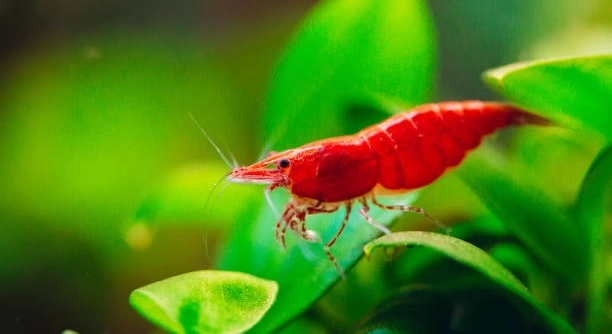
Are your cherry shrimp disappearing faster than expected from your tank? Many shrimp enthusiasts face sudden losses without knowing the cause. These tiny creatures are surprisingly sensitive, and small mistakes can have serious consequences for their survival.
The primary factors that can kill cherry shrimp quickly include poor water quality, sudden temperature fluctuations, exposure to harmful chemicals, overfeeding, incompatible tank mates, improper acclimation, and lack of proper hiding spaces. Each of these issues can significantly impact shrimp health and lifespan.
Knowing the common threats can help you create a safer, healthier environment. This guide will explain the key dangers and how to prevent them effectively.
Poor Water Quality
Cherry shrimp are extremely sensitive to water conditions, and poor water quality can kill them fast. High levels of ammonia, nitrites, or nitrates are toxic, and even small changes in pH can stress them. Uneaten food and waste buildup also contribute to harmful water chemistry. Regular water testing and changes are essential to keep the environment stable. Consistency in water parameters is more important than constantly adjusting them. Shrimp can tolerate gradual changes, but sudden shifts often prove fatal. Filtration and aeration help maintain oxygen levels and reduce toxins. Avoid overstocking the tank, as crowded conditions worsen water quality. Plants can absorb some nutrients but don’t rely on them to manage waste completely. Always use a dechlorinator when adding tap water, and monitor parameters closely. The tiniest imbalance can lead to rapid shrimp loss, making vigilance necessary for their survival and long-term health in the tank.
Maintaining stable water conditions ensures shrimp thrive. Testing and gradual adjustments prevent sudden deaths and stress.
Even minor neglect in water care can quickly harm shrimp. Proper filtration, regular testing, and routine water changes create a safer, balanced environment. Healthy water promotes growth, molting, and breeding, making shrimp active and vibrant. Understanding water chemistry basics allows better tank management and helps avoid preventable losses. Paying attention to pH, hardness, and ammonia levels keeps shrimp safe and comfortable. Combining monitoring with gradual parameter adjustments supports stable, stress-free living conditions. Tank plants and substrate can aid water stability but are not a replacement for routine maintenance. By keeping water quality optimal, shrimp remain healthy, display natural behaviors, and show reduced mortality. Consistency and care are key, as sudden spikes in toxins or shifts in pH can lead to rapid declines. Observing shrimp activity and molting patterns provides early warning signs of water issues, allowing timely intervention. Good water practices are the foundation of a thriving cherry shrimp tank.
Temperature Fluctuations
Cherry shrimp do not tolerate sudden temperature changes well. Rapid shifts can stress them, weaken immunity, and lead to death. Maintaining a steady, appropriate temperature is crucial.
Fluctuating temperatures interfere with metabolism, growth, and molting. Even a difference of a few degrees can be fatal. Use a reliable heater and thermometer, avoid placing tanks near drafts or sunlight, and monitor changes during water changes or tank maintenance. Consistency is vital; gradual adjustments are safer than abrupt changes.
Temperature stability supports health and molting cycles. A steady environment reduces stress, improves activity levels, and promotes longevity. For long-term care, avoid locations that experience frequent temperature swings. Careful monitoring ensures shrimp remain comfortable, active, and more resilient to other stressors.
Exposure to Harmful Chemicals
Cleaning products, soaps, and even certain medications can be deadly for cherry shrimp. Tap water with chlorine or chloramines also poses a risk if not treated properly. Always use a dechlorinator and avoid introducing any chemical residues into the tank.
Many household chemicals are toxic to shrimp even in tiny amounts. Residues from sprays, detergents, or contaminated hands can enter the water during maintenance. Pesticides, fertilizers, and air fresheners near the tank are also risky. Even metals from poorly coated decorations can leach into water and harm shrimp. Handling shrimp or plants without washing hands can unintentionally introduce contaminants. Maintaining a chemical-free environment is essential. Monitoring water changes and using safe, aquarium-approved products reduces risks. Simple precautions prevent rapid deaths and maintain shrimp health.
Medications meant for fish must be checked for shrimp safety. Some treatments, especially those containing copper, are lethal to shrimp. Read labels carefully before adding anything to the tank. Using water conditioners, rinsing plants thoroughly, and avoiding chemical exposure from cleaning or nearby sprays help protect shrimp. Being mindful of chemicals ensures a stable and safe environment, allowing shrimp to feed, molt, and reproduce without sudden losses. Prevention through careful handling is always better than trying to save shrimp after exposure.
Overfeeding
Excess food leads to decaying matter, poor water quality, and bacterial growth. Shrimp cannot process too much food, so moderation is key.
Overfeeding creates uneaten food that decomposes, producing ammonia and other toxins. It encourages algae overgrowth and attracts pests. Feeding only what shrimp can consume in a few hours prevents these problems. Use small portions and remove leftovers promptly. Even nutritious foods can cause harm if offered in excess. Monitor shrimp activity to adjust portions. Consistent, measured feeding supports growth without stressing the tank ecosystem.
Balancing diet is essential for shrimp health. Overfeeding can disrupt molting, reduce activity, and shorten lifespan. Provide a mix of algae, biofilm, and commercial shrimp food in controlled amounts. Observing shrimp during feeding helps gauge consumption rates and avoid leftovers. Maintaining clean substrate and routine water changes ensures excess food does not compromise water quality. Proper feeding practices support strong immunity, proper coloration, and breeding success. Limiting portions while ensuring nutrition keeps shrimp active, thriving, and less prone to stress-related illnesses.
Incompatible Tank Mates
Aggressive fish or larger species can harm or eat cherry shrimp. Even small, seemingly harmless fish may nip at shrimp, especially during molting. Carefully choosing tank mates is essential to prevent injuries and stress.
Shrimp need peaceful companions. Avoid adding fish known to hunt or disturb small invertebrates. Snails, small rasboras, or other shrimp species are safer choices. A calm tank reduces stress and sudden deaths.
Improper Acclimation
Sudden changes in water conditions during introduction can shock shrimp. Gradual acclimation helps them adjust to new parameters safely. Drip acclimation or floating bags in the tank water can reduce stress and prevent fatalities.
Lack of Hiding Spaces
Shrimp need plants, moss, and decorations to hide, molt, and feel secure. A bare tank increases stress and vulnerability, leading to higher mortality.
FAQ
How often should I test water parameters for cherry shrimp?
Testing water at least once a week is ideal. Ammonia, nitrites, and nitrates can change quickly, especially in small tanks. Regular checks help catch problems early, preventing stress or sudden deaths. Keeping a log of readings can help track trends over time.
What is the best temperature range for cherry shrimp?
Cherry shrimp do well in water between 72°F and 78°F (22°C–26°C). Temperatures outside this range can slow metabolism or cause stress. Maintaining a consistent temperature with a reliable heater and thermometer is important for their survival and overall health.
Can I keep cherry shrimp with other fish?
Yes, but choose peaceful, small species. Avoid aggressive fish or those that eat invertebrates. Snails, small rasboras, or other dwarf shrimp species are safer options. Overcrowding or improper pairings can lead to injuries, stress, and loss of shrimp.
How much should I feed cherry shrimp?
Feed only what they can eat in a few hours, once a day or every other day. Overfeeding leads to decaying food, poor water quality, and bacterial growth. Shrimp need a balanced diet of biofilm, algae, and commercial shrimp food in controlled amounts.
Why are my shrimp dying after a water change?
Rapid water changes or unconditioned tap water can shock shrimp. Always match temperature and parameters, use a dechlorinator, and make gradual adjustments. Sudden changes in pH, hardness, or temperature are stressful and can be fatal.
Do cherry shrimp need hiding places?
Yes, they require plants, moss, or decorations to molt safely and feel secure. A bare tank increases stress, making shrimp vulnerable to disease or aggressive tank mates. Providing plenty of cover encourages natural behaviors and reduces mortality.
Can medications for fish harm shrimp?
Many fish medications, especially those with copper, are toxic to shrimp. Always check labels before adding treatments to a tank with invertebrates. Using shrimp-safe products and avoiding accidental contamination helps prevent sudden deaths.
How do I prevent temperature fluctuations?
Place the tank away from drafts, windows, and direct sunlight. Use a reliable heater and thermometer to monitor water. Gradual adjustments during maintenance are safer than sudden changes. Consistency supports healthy metabolism, molting, and reproduction.
Why are my shrimp turning pale or losing color?
Pale shrimp often indicate stress, poor water quality, or insufficient nutrition. Ensure water parameters are stable, feed a balanced diet, and provide hiding spaces. Healthy shrimp show bright colors and active behavior, signaling a safe and well-maintained environment.
What should I do if I notice dead shrimp?
Remove dead shrimp immediately to prevent water contamination. Check water parameters and recent changes in the tank. Dead shrimp may indicate underlying issues like toxins, temperature shifts, or overfeeding. Acting quickly can protect the rest of the colony.
Can overstocking affect shrimp survival?
Yes, overcrowding increases competition for food, worsens water quality, and stresses shrimp. Maintaining appropriate population levels ensures stable water conditions and reduces mortality. Provide sufficient hiding spots and food for all inhabitants to thrive.
How can I introduce new shrimp safely?
Use drip acclimation or float the sealed bag in the tank water. Gradually mix tank water into the bag over one to two hours. Sudden introduction to new water parameters can shock shrimp and lead to rapid deaths.
Are there signs of stress I should watch for?
Lethargy, hiding excessively, or color fading are common stress indicators. Stress can result from poor water quality, aggressive tank mates, or lack of hiding spaces. Addressing these factors early helps shrimp recover and prevents fatalities.
Can plants help improve shrimp survival?
Yes, live plants absorb excess nutrients, provide shelter, and support biofilm growth. They improve water quality and reduce stress. Mosses, Java fern, and floating plants are excellent choices, creating a natural, safe environment for shrimp.
Is molting a risky time for shrimp?
Yes, molting is stressful and leaves shrimp vulnerable. Providing hiding spaces and stable water conditions is crucial. Ensure proper calcium levels to support shell formation and reduce mortality during this period.
How long can cherry shrimp live in optimal conditions?
With stable water, proper diet, and safe tank mates, cherry shrimp can live up to two years. Good care, careful monitoring, and preventing sudden environmental changes are essential for longevity.
Can small changes in water really be fatal?
Yes, cherry shrimp are sensitive to sudden shifts in pH, temperature, or hardness. Gradual acclimation and careful maintenance prevent rapid deaths and ensure they remain healthy, active, and vibrant in the tank.
How do I prevent fungal or bacterial infections?
Maintaining clean water, stable parameters, and avoiding overfeeding reduces the risk of infections. Quarantine new shrimp and plants before introducing them to the tank. Stress weakens immunity, so minimizing environmental stressors is key.
What role does biofilm play in their diet?
Biofilm is a primary food source, rich in nutrients. Providing surfaces for biofilm growth, such as plants, driftwood, and rocks, supports natural feeding behavior. Supplement with commercial shrimp food to maintain health and vitality.
Can I keep shrimp in tap water?
Only if it is properly treated with a dechlorinator and tested for ammonia, nitrites, and nitrates. Untreated tap water is toxic and can cause rapid deaths. Gradual introduction and parameter matching are essential for survival.
Cherry shrimp are delicate creatures that require consistent care to thrive. Their survival depends largely on maintaining stable water conditions, proper feeding habits, and a safe environment. Small mistakes, like sudden temperature changes or leftover food, can have serious consequences. Even seemingly minor issues, such as introducing chemicals from cleaning products or adding incompatible tank mates, can quickly affect their health. Understanding the factors that threaten their wellbeing allows you to prevent unnecessary deaths and maintain a vibrant, active shrimp colony. Observing shrimp behavior and appearance regularly helps detect early signs of stress or illness, which can be addressed before they become fatal problems. By keeping a close eye on water quality, feeding routines, and the general condition of the tank, you can reduce risk and create a healthy environment for your shrimp.
Providing hiding spaces and plant cover is essential for their comfort and security. Shrimp use these spaces to molt safely, rest, and avoid potential threats. Bare tanks or lack of shelter increase stress levels, making them more vulnerable to illness and aggression from tank mates. Live plants not only serve as hiding spots but also contribute to better water quality by absorbing excess nutrients and promoting biofilm growth, which serves as a natural food source. Consistent care, such as regular water testing, gradual acclimation of new shrimp, and controlled feeding, ensures that shrimp remain active and healthy. Even with proper care, shrimp may occasionally show stress indicators like pale coloration or lethargy, which signal the need for attention to their environment. These preventive measures are far more effective than attempting to rescue shrimp after their health has already declined.
Long-term success with cherry shrimp relies on attention to detail and patience. Stability in temperature, water chemistry, and population balance is more important than frequent adjustments or overfeeding. Avoiding toxic substances and choosing compatible tank mates minimizes risk and supports overall wellbeing. Healthy shrimp are active, colorful, and display natural behaviors, reflecting a well-maintained tank environment. By carefully managing their habitat and following proper care routines, you can enjoy observing their behaviors, breeding success, and longevity. A little effort each day—such as monitoring water quality, providing sufficient food without overfeeding, and maintaining hiding spaces—can make a significant difference in preventing stress and premature deaths. Consistency, awareness, and thoughtful management are the key elements for creating a thriving cherry shrimp tank that supports both their health and natural behavior.

Hello,
If you enjoy the content that we create, please consider saying a "Thank You!" by leaving a tip.
Every little bit helps us continue crafting quality advice that supports the health, happiness, and well-being of pets around the world, for pets of all shapes, sizes, and species.
We really appreciate the kindness and support that you show us!