
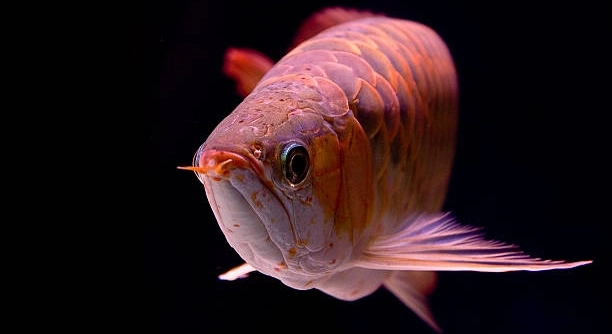
Have you ever noticed your arowana moving in strange ways or performing unusual actions in its tank? These behaviors can seem odd at first, leaving owners unsure whether something is wrong with their fish’s health.
Arowanas often exhibit behaviors such as jumping, head bobbing, or swimming in circles that are completely harmless. These actions are natural expressions of their instincts, environmental responses, and social interactions, and do not indicate illness or distress.
Observing these harmless behaviors can help you better understand your arowana’s personality and provide a more comfortable, enriched environment for it.
Jumping and Leaping
Arowanas are known for their impressive jumps and leaps, often startling at first. This behavior usually occurs when they chase food or react to movement outside their tank. In the wild, these jumps help them catch insects or smaller fish at the water’s surface. In captivity, it is their natural hunting instinct expressing itself, even if no prey is present. Ensuring the tank has a secure lid is essential to prevent injuries. Some arowanas leap repeatedly, which can seem excessive but is generally harmless. The fish is often exploring its environment or releasing built-up energy. Observing the patterns of jumping can help you understand when it is purely playful versus a response to stress. Factors like water quality, tank size, and interaction with other fish can influence the frequency of leaps. Proper care reduces unnecessary stress and keeps these displays safe.
Jumping is a normal activity and does not indicate illness. Most arowanas do this as part of their instinctive behavior.
Providing a stable environment with consistent feeding and enough space allows your arowana to leap without harm. Watching these jumps over time reveals their personality and natural curiosity. Using floating food or enrichment items encourages safe expression of this behavior. Additionally, understanding their energy levels can prevent injuries and support overall health. Properly managing tank conditions, such as water temperature, filtration, and hiding spots, helps reduce stress-related jumping. Some owners notice increased leaping during feeding times, reflecting the fish’s anticipation and excitement. Observing without intervening too much helps the fish maintain its natural instincts. These harmless leaps are part of what makes arowanas fascinating to keep, showing off their agility and responsiveness while remaining a safe and normal behavior in a well-maintained aquarium.
Head Bobbing
Head bobbing is a common behavior among arowanas and is generally harmless. It usually occurs when the fish is adjusting to new surroundings or exploring.
Head bobbing can indicate alertness and curiosity rather than distress. Many arowanas perform small, repeated movements that look unusual but serve no harmful purpose.
This motion often happens during feeding or when the fish is investigating objects in the tank. The bobbing allows it to better sense changes in water currents or nearby movements. Some arowanas use it to communicate subtly with other fish or to establish a presence in their territory. Tank conditions, such as lighting and temperature, may influence how often the fish exhibits this behavior. Understanding that head bobbing is a natural action helps owners avoid unnecessary worry. Observing the pattern of these movements can provide insight into the fish’s mood and energy. Over time, it becomes clear that these movements are a harmless way for arowanas to interact with their environment and express themselves safely.
Swimming in Circles
Some arowanas swim in tight or slow circles, which can look unusual but is often harmless. This behavior usually happens when they are exploring or adjusting to their tank environment.
Swimming in circles can be linked to arowanas’ natural curiosity and instinctive navigation patterns. In the wild, these fish often patrol their territory or circle to observe potential prey. In an aquarium, the circles may be smaller due to limited space, but the behavior is still normal. It can also occur after feeding, as they process the environment and check for leftover food or movement around them. Consistent tank conditions and enough swimming space reduce excessive circling caused by stress. Watching these patterns can help you understand your arowana’s daily habits.
Circling may also serve as mild exercise, keeping the fish active and healthy. Providing floating objects or plants encourages movement and mental stimulation. Over time, this harmless behavior becomes a predictable part of their routine, reflecting curiosity, energy, and environmental interaction without any health concerns.
Flaring Fins
Arowanas sometimes flare their fins suddenly, which can appear aggressive but is usually harmless. This action can occur during interaction with other fish or when inspecting their surroundings.
Flaring fins help arowanas communicate and display presence within their territory. In a natural setting, it can signal dominance or act as a warning to others. In captivity, it often occurs when new items are added to the tank or during feeding. The behavior is instinctive and rarely indicates stress or illness if the fish otherwise behaves normally. Regular observation can confirm that fin flaring is a normal part of social interaction and environmental awareness.
Providing sufficient space, hiding spots, and compatible tank mates minimizes aggressive displays, allowing the fish to express this behavior safely. Flaring fins are also a form of physical exercise, stretching muscles and improving circulation. Understanding this action as a natural display rather than a threat helps maintain a calm and safe tank environment. Over time, these displays add character to the fish without posing any risk.
Floating Near the Surface
Arowanas often float near the surface without signs of distress. This behavior is usually harmless and relates to their natural feeding habits, as they are surface-oriented predators.
Floating near the top can also help them regulate oxygen intake and monitor their surroundings. This is normal and requires no intervention when water conditions are stable.
Tail Wagging
Tail wagging in arowanas can appear frequent and sharp, but it is a natural behavior. They often wag to adjust their position, maintain balance, or communicate subtle signals to other fish.
Nudging Objects
Arowanas frequently nudge decorations or tank items. This action is part of their exploration and curiosity, helping them understand their environment.
Slow Blinking of Eyes
Some arowanas blink slowly or flicker their eyes occasionally. This is a normal, harmless behavior often linked to relaxation or minor environmental adjustments.
Why does my arowana jump so much?
Arowanas jump frequently because it is a natural hunting instinct. In the wild, they leap to catch insects or smaller fish. In captivity, even without live prey, this behavior persists as part of their instinct. A secure tank lid helps prevent injuries while allowing them to express this harmless energy safely.
Is head bobbing a sign of illness?
Head bobbing is usually harmless and reflects curiosity or environmental awareness. Most healthy arowanas bob their heads when exploring, inspecting tank items, or responding to movements outside the tank. If other symptoms like discoloration, lethargy, or loss of appetite appear, only then should it be a concern.
Why does my arowana swim in circles?
Swimming in circles is a normal behavior tied to exploration and instinctive navigation. In the wild, arowanas patrol their territory and check for food. In a tank, space limitations make the circles smaller, but this behavior remains harmless. Consistent tank conditions and enough room reduce excessive circling.
What does fin flaring mean?
Fin flaring is a natural display for communication and mild territorial signaling. It is often seen when new items or tank mates are introduced. The fish is exercising its muscles and asserting presence. Proper space and compatible tank mates ensure fin flaring remains harmless and stress-free.
Why does my arowana float near the surface?
Floating near the surface is normal for surface-oriented predators. It helps them observe surroundings and regulate oxygen intake. Occasional floating is harmless if water quality is maintained. It can also occur during feeding times, as they anticipate food or monitor movement around them.
Why does my arowana wag its tail?
Tail wagging helps with balance, positioning, and minor communication. It is a regular part of movement and exploration. When your arowana wags its tail frequently but shows no signs of stress or illness, it is simply adjusting its body and interacting safely with its environment.
Is nudging objects in the tank dangerous?
Nudging tank items is a harmless expression of curiosity. Arowanas explore their surroundings this way to gather information. It can also be a form of mild exercise. Ensure decorations are smooth and stable to prevent accidental injury during this normal, inquisitive behavior.
Why does my arowana blink slowly?
Slow blinking or occasional eye flickers are normal and harmless. This usually happens when the fish adjusts to changes in light or relaxes. It is not a sign of illness and reflects normal sensory behavior rather than distress.
Can these behaviors indicate stress?
Most of the behaviors listed, including jumping, head bobbing, or tail wagging, are natural. Stress is only a concern if accompanied by abnormal signs such as rapid gill movement, lethargy, or loss of appetite. Regular observation and proper tank conditions keep these behaviors healthy and safe.
How can I encourage these behaviors safely?
Providing adequate space, secure lids, floating objects, and compatible tank mates allows your arowana to express natural behaviors safely. Maintaining stable water conditions, proper lighting, and regular feeding supports their instincts without risking injury or health issues. These precautions ensure that unusual behaviors remain harmless and enjoyable to watch.
Are these behaviors unique to arowanas?
While some behaviors like surface floating or leaping are common in many predatory fish, the combination of jumping, fin flaring, tail wagging, and circling is particularly noticeable in arowanas. Observing these behaviors helps owners understand their fish’s instincts and personality in captivity.
Do these behaviors change with age?
Yes, younger arowanas may jump more frequently and explore actively, while older fish tend to display milder expressions of these behaviors. Tail wagging and fin flaring may reduce slightly with age, but these actions remain natural and harmless throughout their life.
Can tank setup influence these behaviors?
Absolutely. Tank size, layout, hiding spots, lighting, and water quality all affect how often behaviors like circling, fin flaring, or floating occur. A well-maintained environment allows safe expression, while cramped or poorly arranged tanks may increase stress-related behaviors, though most remain harmless if conditions are monitored.
Is it necessary to intervene in these behaviors?
Intervention is usually unnecessary. Most odd behaviors are instinctive and harmless. Only monitor for changes that indicate health problems. Providing enrichment and observing patterns ensures your arowana can safely exhibit its natural instincts without risk or interference.
How do I know if behavior is safe?
Safe behaviors are consistent, with no accompanying signs of illness such as discoloration, lethargy, or abnormal swimming. Jumping, circling, head bobbing, and fin flaring are harmless when the fish appears alert, active, and maintains a healthy appetite. Monitoring these patterns ensures safety.
What is the benefit of observing these behaviors?
Watching your arowana’s natural behaviors helps you understand its needs, personality, and instincts. It improves tank management, ensures environmental enrichment, and strengthens awareness of health indicators. Harmless odd behaviors are a sign of a content and well-adjusted fish.
How can I make my arowana more comfortable?
Providing sufficient tank size, hiding spots, compatible mates, and consistent feeding encourages natural behavior. Stable water conditions, smooth decorations, and enrichment items support safe expression of instincts like jumping, tail wagging, and fin flaring, keeping the fish healthy and stress-free.
Observing arowanas can be fascinating because of their unique and sometimes unusual behaviors. Many actions that look strange or even concerning at first are actually completely normal. Behaviors like jumping, circling, tail wagging, head bobbing, and fin flaring are instinctive and natural ways for the fish to interact with their environment. These actions allow them to explore their tank, exercise their muscles, and communicate subtly with other fish or objects. While these behaviors may seem odd to owners, they are a reflection of the arowana’s instincts and personality. Understanding these patterns helps owners provide better care and avoid unnecessary worry about their fish’s health.
Providing a stable and enriched environment is key to ensuring that these behaviors remain harmless. Arowanas need enough space to swim, proper tank decorations to explore safely, and secure lids to prevent injuries from jumping. Tank conditions like water temperature, filtration, and oxygen levels play an important role in supporting natural behavior. Feeding routines also impact how arowana express themselves; they may display excitement or curiosity when anticipating food. Observing these actions over time helps owners recognize what is normal for their individual fish. Even behaviors that appear repetitive, such as swimming in circles or nudging objects, are part of their natural instincts. When these behaviors occur without signs of stress or illness, they are generally harmless and indicate a healthy, active fish.
Being aware of these harmless behaviors also improves the overall experience of keeping an arowana. Watching them leap, explore, or interact with tank items can be enjoyable and educational. It also helps owners understand the fish’s needs and adjust tank conditions accordingly. While it is natural to worry when a pet exhibits unusual actions, recognizing which behaviors are normal reduces unnecessary concern. Paying attention to changes in behavior or appearance can help distinguish harmless actions from signs of health issues. Overall, understanding and respecting these unique behaviors allows owners to create a safer, more engaging environment. Arowanas can express their natural instincts freely while staying healthy, and owners gain a deeper appreciation for their distinctive personality traits. These behaviors, although sometimes odd, are a window into the fascinating life of the arowana.

Hello,
If you enjoy the content that we create, please consider saying a "Thank You!" by leaving a tip.
Every little bit helps us continue crafting quality advice that supports the health, happiness, and well-being of pets around the world, for pets of all shapes, sizes, and species.
We really appreciate the kindness and support that you show us!