
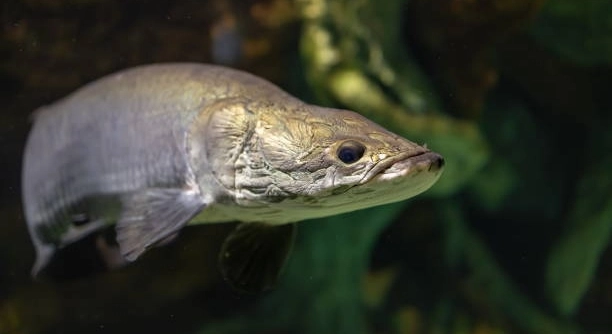
Many aquarium owners enjoy watching their pet arowana glide gracefully through the water. Yet, these magnificent fish can sometimes show signs of boredom, which may affect their behavior and overall well-being over time.
Boredom in pet arowanas is often expressed through repetitive swimming patterns, lack of interaction with the environment, reduced appetite, and unusual aggression. Recognizing these behaviors early helps owners take measures to enrich the fish’s habitat effectively.
Identifying these signs is essential for maintaining a healthy and stimulating environment that supports the arowana’s natural behaviors and growth.
Restless Swimming Patterns
A bored arowana often swims back and forth along the tank repeatedly, showing little variation in its movements. These repetitive motions can indicate a lack of mental stimulation and environmental enrichment. Over time, the fish may appear restless, sometimes bumping into decorations or tank walls. In natural habitats, arowanas have large areas to explore, hunt, and interact with other fish. A small or uninteresting tank limits these natural behaviors, causing monotony. Observing your arowana’s daily activity helps you notice changes early. Providing hiding spots, floating plants, or varying decorations can encourage exploration and reduce repetitive swimming. Even small adjustments, such as changing the layout or adding objects to interact with, can significantly improve the fish’s behavior. Regular monitoring ensures that any unusual movement patterns are addressed quickly, preventing stress-related health issues. Boredom in arowanas is subtle at first but can have long-term effects on their energy and appetite. Maintaining a stimulating environment is key to their overall well-being.
Restless swimming is an early indicator of boredom and should be addressed by enhancing tank features and interactive elements.
Adjusting the tank with floating plants, varied decorations, and small objects encourages natural exploration. These changes help the arowana stay mentally engaged and reduce repetitive swimming, improving overall health and comfort.
Reduced Appetite
A decreased interest in food is often a direct sign of boredom. Bored arowanas may eat less or ignore preferred treats, which can affect growth and energy levels.
When fish lose interest in feeding, it signals that their environment does not provide enough stimulation. They may swim slowly near the surface or bottom, showing minimal curiosity for food. Feeding alone may no longer excite them, which can be frustrating for owners who try different diets. Offering a variety of foods, such as live or frozen options, can help spark interest, but without environmental enrichment, appetite may not fully return. Tank decorations, plants, or floating objects can encourage natural hunting instincts, making feeding time more engaging. Consistent observation allows owners to identify appetite changes before they affect overall health. Monitoring both behavior and feeding habits ensures that any signs of boredom are addressed quickly, preventing long-term issues. A balanced environment with proper stimulation is crucial for maintaining a healthy appetite and active behavior in arowanas.
Lethargy and Inactivity
Bored arowanas often spend long periods resting at the bottom or floating near the surface without much movement. Their energy levels drop, and they may ignore activities they usually enjoy, signaling a need for environmental changes.
Extended inactivity can indicate that the fish’s environment lacks stimulation. Arowanas are naturally active, swimming and hunting in the wild. When kept in a bare or small tank, they may lose interest in moving around. Providing varied tank decorations, live plants, and open swimming areas encourages natural activity. Even introducing floating objects or rearranging the layout periodically can motivate the fish to explore and stay active. Monitoring their daily behavior helps detect subtle changes before they affect health. Lethargy combined with other signs, such as loss of appetite or repetitive swimming, strengthens the case that the arowana needs enrichment to regain normal energy levels.
Encouraging movement through tank adjustments and added objects can restore energy and engagement, helping the arowana maintain better health and natural behavior.
Increased Aggression
Bored arowanas can become unusually aggressive, displaying chasing, nipping, or territorial behavior toward tank mates or their reflection. This behavior often results from frustration caused by insufficient stimulation and space.
Aggression usually appears as repeated attacks on other fish or striking the tank walls, sometimes targeting their reflection. Bored fish may display dominance behaviors more frequently, causing stress for themselves and others. Ensuring the tank is large enough with proper hiding spots reduces stress and prevents repeated conflicts. Introducing enrichment items like floating plants, tunnels, or movable objects can redirect energy away from aggressive tendencies. Gradually changing the tank layout keeps the arowana mentally engaged and reduces territorial behavior. Observing patterns of aggression allows owners to address issues early, preventing injury or prolonged stress. A well-structured environment supports calmer behavior and overall health.
Staring at the Tank Walls
Bored arowanas often fix their gaze on the tank walls for long periods. This behavior shows a lack of stimulation and can indicate stress or frustration in their environment.
The fish may press against or follow the glass, seemingly trying to reach beyond the tank. Without enrichment, this behavior can become repetitive, signaling a need for environmental changes.
Lack of Interaction with Objects
Bored arowanas frequently ignore decorations, plants, or floating items in the tank. They show little curiosity or interest in exploring their surroundings.
When arowanas do not interact with objects, it reflects mental stagnation. Providing varied objects and rearranging the layout encourages natural exploratory behavior. Enrichment can include live plants, tunnels, or small floating objects that stimulate movement and curiosity. Over time, regular changes maintain engagement, reducing signs of boredom and improving overall well-being.
Surface Pacing
Some arowanas swim back and forth near the water surface consistently. This repetitive pattern indicates restlessness due to insufficient stimulation.
Surface pacing often occurs in tanks that lack size or variety, limiting the fish’s natural behaviors.
How can I tell if my arowana is truly bored or sick?
Boredom and illness can sometimes appear similar, but there are key differences. A bored arowana will usually show repetitive swimming patterns, rest at unusual times, or ignore decorations, yet maintain normal color and general health. Sick fish may display clamped fins, discoloration, labored breathing, or spots on the body. Observing feeding behavior is also important; a bored arowana may temporarily refuse food but will still eat occasionally, while a sick fish often refuses all food. Monitoring for multiple behavioral signs, alongside water quality and tank conditions, helps determine whether boredom or illness is the cause of unusual activity. Regular observation and routine health checks make identifying boredom versus illness more accurate, allowing timely adjustments to the tank or treatment.
What are the best ways to enrich my arowana’s tank?
Enrichment focuses on providing mental and physical stimulation. Adding live or artificial plants, floating objects, and decorative hiding spots encourages exploration and natural behaviors. Rearranging objects periodically keeps the environment interesting and prevents monotony. Using varying textures, tunnels, or logs gives the arowana areas to swim through, hide, or investigate. Introducing feeding enrichment can also help. For example, using feeding tongs to mimic hunting or offering live or frozen food in different ways stimulates natural instincts. Even small changes, like moving rocks or adding driftwood, create new exploration opportunities. A well-enriched tank reduces boredom-related behaviors such as pacing, lethargy, or aggression. It also improves overall well-being and energy levels by keeping the fish mentally engaged.
Can arowanas become aggressive if they are bored?
Yes, boredom often increases aggression in arowanas. Without sufficient stimulation, the fish may chase tank mates, strike reflections, or attack objects repeatedly. Aggressive behavior is often a sign that the fish is frustrated or seeking interaction. Providing ample space, hiding spots, and enrichment objects helps redirect energy and reduces conflicts. Monitoring the tank closely allows early intervention before injuries occur. Changing tank layouts or introducing new objects gradually can prevent territorial disputes and maintain a calmer environment.
How often should I change or rearrange the tank decorations?
Rearranging or changing decorations every few weeks is beneficial. Frequent but gentle changes create a dynamic environment that encourages exploration and curiosity. Too frequent changes can stress the fish, while too few may allow boredom to develop. Rotating objects, adding new plants, or introducing small enrichment items stimulates mental activity. Even small adjustments, like moving rocks or introducing floating objects, can keep the environment engaging. Regularly reviewing tank conditions ensures the arowana has both open swimming space and interesting structures, maintaining balance between stimulation and comfort.
Is it normal for arowanas to ignore food sometimes?
Yes, occasional refusal of food can happen due to boredom, water conditions, or temporary stress. However, prolonged disinterest may indicate either environmental stagnation or health issues. Observing overall behavior, tank conditions, and any additional signs helps determine the reason. Introducing feeding enrichment or varied diets can encourage the arowana to eat more actively. Offering live or frozen foods, or feeding in different locations, can spark interest. Maintaining a stimulating environment also improves appetite by mimicking natural hunting behavior. Tracking feeding patterns over time helps owners distinguish normal fluctuations from concerning trends, allowing proper intervention.
Can adding tank mates help reduce boredom?
Adding compatible tank mates can sometimes reduce boredom, but it depends on the arowana’s temperament. Arowanas are naturally territorial, so careful selection is essential. Introducing other species should be done gradually, ensuring the tank is large enough to prevent stress. Proper tank size, hiding spaces, and enrichment remain crucial regardless of companions. Observing interactions closely helps identify potential conflicts early. Even with tank mates, environmental enrichment is still necessary to prevent repetitive behaviors or aggression. Combining social stimulation with objects, plants, and feeding variations offers a more balanced approach to reducing boredom.
How does tank size affect boredom in arowanas?
Tank size is critical for preventing boredom. Arowanas need ample space to swim, explore, and display natural behaviors. Small or overcrowded tanks limit movement, increasing restlessness, aggression, or repetitive patterns. Larger tanks allow for enrichment items, varied swimming paths, and areas to hide, supporting mental and physical activity. Ensuring the tank meets the species’ minimum length and width requirements reduces stress and encourages engagement with the environment. Even in well-decorated tanks, insufficient space can lead to frustration and behavioral issues. Providing an appropriately sized tank is a foundational step in preventing boredom and maintaining overall health.
Can boredom affect my arowana’s health long-term?
Chronic boredom can have serious health effects. Inactive or frustrated fish may experience weakened immune systems, slower growth, or increased susceptibility to disease. Aggression from boredom can cause injuries, while repetitive movements may stress muscles or fins. Maintaining a stimulating environment supports both mental and physical health, preventing long-term issues. Regular enrichment, varied feeding, and monitoring behavior reduce stress and help maintain optimal energy levels. By addressing boredom early, owners can protect their arowana’s overall well-being, ensuring longevity, vibrant color, and active, natural behavior in the tank.
Are there simple toys or objects I can introduce safely?
Yes, many simple objects can enrich a tank safely. Floating balls, PVC pipes, driftwood, or small tunnels allow exploration and hiding. Live plants or sturdy decorations provide textures and surfaces to interact with. Avoid sharp edges or small objects that could be swallowed. Even minor additions or rearrangements make the environment more engaging, reducing boredom and encouraging natural behaviors. Rotating items periodically keeps the arowana curious and active. Observing how the fish responds ensures enrichment is effective and safe, creating a healthier and more stimulating home.
Final Thoughts
Caring for arowanas requires more than just feeding and maintaining water quality. These fish are intelligent and naturally active, and their environment plays a major role in their overall well-being. Boredom is a common issue that can affect behavior, appetite, and health over time. When an arowana is bored, it may swim repetitively, ignore food, or display unusual aggression. Observing your fish daily and recognizing these signs early is essential. By understanding their behaviors and identifying boredom, you can take proactive steps to ensure the fish remains healthy and engaged. Creating an environment that encourages natural behaviors is one of the simplest ways to prevent these problems.
Tank enrichment is a key factor in reducing boredom. Providing decorations, live or artificial plants, and objects that allow exploration or hiding can stimulate curiosity. Rearranging these items periodically keeps the environment fresh and engaging. Feeding strategies also contribute to enrichment. Offering a variety of foods and using methods that encourage natural hunting or foraging instincts keeps the fish mentally and physically active. Even small adjustments in the tank, such as adding floating items or creating tunnels with driftwood, can make a noticeable difference in the arowana’s behavior. Monitoring responses to these changes helps owners understand what works best for their individual fish. Consistent observation, combined with a stimulating environment, supports both physical and mental health, ensuring the fish remains active and alert.
Long-term health and happiness depend on balancing stimulation, space, and care. Arowanas in bare or small tanks are more likely to develop stress-related behaviors and reduced immunity. Regularly introducing enrichment and maintaining a suitable tank size encourages natural activity and reduces signs of boredom. Attention to behavior patterns, feeding habits, and interaction with the environment allows owners to adjust care strategies effectively. Keeping the tank engaging not only improves energy levels but also prevents aggression and other negative behaviors. By investing time and thought into creating a stimulating and balanced habitat, you help your arowana thrive, promoting longevity, vibrant health, and overall well-being. Consistent care, observation, and enrichment form the foundation for a happy, active, and healthy pet.

Hello,
If you enjoy the content that we create, please consider saying a "Thank You!" by leaving a tip.
Every little bit helps us continue crafting quality advice that supports the health, happiness, and well-being of pets around the world, for pets of all shapes, sizes, and species.
We really appreciate the kindness and support that you show us!