
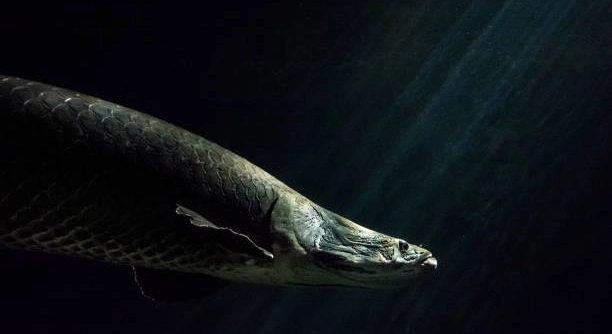
Arowanas are fascinating freshwater fish admired for their elegance and intelligence. Their behavior often surprises owners, showing signs of recognition and memory that many people do not expect from fish. Observing them can be quite rewarding.
Research indicates that arowanas possess strong spatial and associative memory, allowing them to recognize feeding routines, distinguish familiar individuals, and navigate their environment efficiently. Their memory capabilities contribute to learning and adapting behaviors over time.
These insights into arowana memory reveal surprising details that go beyond typical fish behavior, highlighting their unique cognitive abilities. Exploring these facts can change how owners interact with them.
Recognizing Familiar Faces
Arowanas can remember and recognize the people who feed them. When you approach their tank, they often swim closer or react differently based on past interactions. This recognition is not instinct alone; it shows that they can form mental associations with routines and individuals. Over time, they can anticipate feeding times, swimming to the front of the tank when they sense your presence. Their memory allows them to distinguish between people, sometimes showing more excitement for one caretaker over another. Observing this behavior can be satisfying, as it feels like they are genuinely responding to attention. Memory in arowanas is linked to both visual and spatial cues, helping them identify familiar objects and locations within their environment. They can learn to navigate obstacles or remember the position of decorations and hiding spots. This capability makes caring for them more interactive, as their responses evolve based on previous experiences and repeated patterns.
Their ability to remember individuals is remarkable for a fish, showing clear recognition and response to past experiences.
Memory in arowanas affects daily behavior and interactions. They use recognition to adjust movement and feeding patterns. Tanks that remain consistent allow them to form strong spatial memory. Over time, they may respond to subtle cues, like your approach or the sound of the water filter. Changes in layout or routine can temporarily confuse them, but they adapt quickly. Associating certain areas of the tank with food, safety, or hiding spots demonstrates both learning and retention. Observing these reactions gives insight into their intelligence. With patience, arowanas can even distinguish between different feeding tools or feeding locations, showing their memory is not limited to people alone. By understanding these patterns, owners can better anticipate their fish’s needs, create a more engaging environment, and enhance the bond through consistent care and attention.
Spatial Awareness and Memory
Arowanas use memory to navigate their tank efficiently. They remember where obstacles and hiding spots are located.
Their spatial memory is highly developed, allowing them to move confidently without bumping into decorations or other fish. They can find food even in complex tank setups.
Arowanas rely on visual landmarks and repeated experiences to map their surroundings. Over time, they remember the safest routes and most comfortable areas. This memory reduces stress, as they feel secure knowing where to find shelter and food. When introduced to new objects or rearranged tank elements, they explore cautiously but gradually incorporate these changes into their internal map. Memory also aids in social interactions within the tank. They recognize territory and adjust movements to avoid conflicts with other fish. By observing their swimming patterns, owners can see how memory guides behavior, making interactions predictable and enriching. Proper tank design with consistent landmarks enhances their cognitive abilities and overall well-being, showing that memory plays a central role in their daily life.
Feeding Memory and Routine
Arowanas quickly learn feeding routines. They remember when and where food appears, responding promptly at those times. This behavior reflects their ability to anticipate events based on past experiences, making daily feeding predictable and consistent for both the fish and the caretaker.
Memory allows arowanas to associate specific times and actions with feeding. They can distinguish between different types of food and remember which treats are offered by certain people. Over time, they develop a rhythm, swimming to the feeding area as soon as they sense preparation. This learned behavior reduces stress and increases comfort, as the fish knows what to expect. Feeding memory also reinforces trust between the arowana and its caretaker, strengthening the interactive experience.
Consistency is key. Sudden changes in feeding location or timing can initially confuse them, but their memory helps them adapt quickly. Observing their responses over days or weeks shows how their brain processes routine. Memory also influences how they compete with tank mates for food. Fish that remember previous successful strategies may position themselves advantageously, demonstrating not just recall but practical application. This adaptability highlights the complexity of their cognitive abilities.
Long-Term Memory Retention
Arowanas can retain information over extended periods. They remember familiar environments, feeding cues, and people even after weeks without exposure. This long-term memory is crucial for their adaptation and comfort.
Long-term memory enables arowanas to navigate familiar tanks efficiently. Even after changes or brief absences, they recall hiding spots, routes to food, and social hierarchies within the tank. This retention supports learning, as they can apply previous experiences to new situations. Memory of past interactions helps them distinguish between safe and threatening elements. Additionally, long-term memory contributes to their ability to anticipate feeding times and respond appropriately, showing advanced cognitive function uncommon in many other fish species. Caretakers often notice that arowanas remember specific people or feeding tools after extended periods, highlighting their impressive memory retention.
Their ability to store and recall information enhances their confidence and reduces stress. Over time, they develop habits and routines that reflect both learning and memory. For example, arowanas may remember which tank decorations provide cover during stress or where food typically falls. This knowledge is applied daily, showing that memory is not just about recognition but practical decision-making. Long-term memory also allows them to adapt to changes gradually, balancing curiosity with caution. Observing these behaviors provides insight into their intelligence and demonstrates that their memory plays an active role in survival and interaction within their environment.
Response to Stimuli
Arowanas react quickly to changes in their environment. They remember previous experiences, which helps them distinguish between familiar and unfamiliar stimuli. This ability allows them to respond appropriately to potential threats or opportunities without unnecessary stress.
Their memory helps them anticipate events like feeding or interactions with tank mates. By recalling past experiences, they adjust swimming patterns and behavior, showing recognition and learning.
Learning Through Observation
Arowanas can observe other fish or their surroundings and incorporate these observations into their behavior. They often mimic actions that lead to rewards, like accessing food or finding shelter, demonstrating cognitive flexibility and the ability to learn from indirect experiences.
Associative Memory
Arowanas link specific cues to outcomes. Over time, they recognize patterns, such as certain sounds or movements indicating feeding, and react accordingly. This associative memory enhances daily interactions and helps them navigate their environment efficiently.
FAQ
How long can arowanas remember people or feeding routines?
Arowanas have impressive memory retention. They can remember feeding schedules, familiar people, and even tank layouts for weeks or months. This memory allows them to respond quickly to daily routines, reducing stress and helping them feel secure in their environment. Consistent care reinforces these behaviors.
Can arowanas recognize individual caretakers?
Yes. Arowanas often show distinct reactions to different people. They may swim closer to someone they are familiar with or anticipate feeding more readily. Recognition is based on repeated interactions, visual cues, and associated routines, demonstrating that they can form lasting impressions of individuals.
Do arowanas remember different types of food?
Arowanas can distinguish between food types and remember which items they prefer. They may respond more eagerly to familiar or favored foods. This ability helps them anticipate feeding events and creates a learning pattern that can influence their feeding behavior over time.
How does tank layout affect arowana memory?
Consistent tank arrangements support strong spatial memory. Arowanas remember hiding spots, obstacles, and feeding locations. Sudden changes can initially confuse them, but their memory helps them adapt. Familiar layouts reduce stress and allow them to navigate confidently, showing that memory and environment are closely linked.
Can arowanas learn by watching other fish?
Yes. Arowanas can observe the actions of other fish and incorporate those observations into their own behavior. They may learn where food falls or which areas are safest. This observational learning highlights their cognitive flexibility and ability to process indirect experiences.
Do arowanas remember stressful events?
Arowanas can retain memories of negative experiences, such as sudden disturbances or aggressive tank mates. These memories influence their future behavior, often making them more cautious. Understanding this helps owners manage their environment to reduce repeated stress and create a safer habitat.
How can owners strengthen arowana memory?
Consistency is key. Regular feeding schedules, predictable interactions, and stable tank environments help reinforce memory. Introducing gentle routines or repeated cues, like tapping before feeding, encourages recognition. Arowanas thrive on repetition and clear patterns, which enhances both their memory and their comfort within the tank.
Is arowana memory similar to that of other fish?
Arowanas are among the more intelligent freshwater fish, showing strong associative and spatial memory. While many fish can recognize routines, arowanas exhibit higher learning capacity and long-term retention, making them responsive to environmental changes, feeding cues, and social interactions more than typical fish species.
Do arowanas forget over time if not exposed to stimuli?
They may temporarily forget certain cues if not regularly exposed, such as feeding signals or human interaction, but long-term memory allows them to recall important information when reintroduced. Repetition and consistency are important to maintain learned behaviors.
Can memory affect arowana health or well-being?
Yes. A well-stimulated arowana with consistent routines and environmental stability tends to be less stressed and healthier. Memory enables them to anticipate food and navigate safely. Neglecting consistent care can lead to confusion, stress, and negative effects on overall behavior and health.
How can I observe my arowana’s memory in daily life?
Owners often notice memory through feeding responses, recognition of caretakers, navigation of the tank, and reactions to familiar objects. Repeated behaviors and anticipation of routines are clear indicators that memory is influencing daily activity. Observing these cues can be rewarding and informative.
Does aging affect arowana memory?
Like many animals, older arowanas may experience changes in cognitive function, including memory. However, they retain much of their learned behavior. Consistent care and environmental stability help maintain memory and keep them active and responsive even as they age.
Are there ways to enrich arowana memory?
Providing varied yet predictable environments, rearranging decorations occasionally, and introducing interactive feeding techniques can stimulate memory. Repetition and consistent cues help them learn effectively, while small challenges keep them mentally engaged without causing stress.
Can arowanas remember interactions with other fish?
Yes. They can recognize tank mates and adjust their behavior based on previous encounters, such as avoiding aggressive fish or establishing dominance. Memory of social interactions helps maintain a stable tank hierarchy and reduces unnecessary conflict.
How quickly do arowanas learn new routines?
Arowanas learn at different rates depending on the complexity of the task and consistency of exposure. Simple routines like feeding cues are learned quickly, while more complex navigation or social patterns may take days or weeks. Patience and repetition are key to reinforcing learning.
Do arowanas respond better to visual or auditory cues?
Visual cues are typically more effective. They can recognize people, objects, and food locations visually. However, arowanas can also associate sounds like tapping the tank or approaching footsteps with feeding. Combining cues can enhance their learning and memory retention.
Can memory help arowanas adapt to new tanks?
Yes. Strong memory aids in exploring and adjusting to new environments. Remembering past experiences allows them to identify safe areas, food locations, and familiar routines more quickly, reducing stress during transitions. Proper acclimation enhances both comfort and cognitive function.
How long does it take for arowanas to forget negative experiences?
The duration varies based on the intensity of the experience. Mild events may be forgotten in days, while more stressful encounters can be remembered for weeks. Consistent positive experiences help offset negative memories and support well-being.
Can arowanas differentiate between human caretakers over time?
Yes. They form mental associations with individuals based on feeding, interaction, and routine. Over time, they may respond preferentially to familiar caretakers, showing recognition and memory in their behavior. This is especially noticeable with consistent and gentle interaction.
Does memory affect how arowanas interact with objects in their tank?
Absolutely. They remember locations of decorations, hiding spots, and obstacles, allowing them to navigate efficiently. Familiarity with their environment reduces stress and supports safe exploration, while memory guides their interaction with objects during feeding and play.
Can arowana memory improve with practice?
Yes. Repeated exposure to routines, cues, and environmental challenges reinforces memory. Mental stimulation through consistent patterns and interactive activities helps arowanas learn faster and retain information longer, enhancing both behavior and overall well-being.
Are there limits to what arowanas can remember?
While their memory is impressive, it has limits. They excel at routines, spatial awareness, and associative learning but may struggle with overly complex tasks or excessive stimuli. Simplified, repeated cues maximize their cognitive capabilities and reduce confusion.
How can owners tell if their arowana is using memory effectively?
Effective memory use is visible in anticipation of feeding, recognition of people, navigation of the tank, and adaptive responses to changes. Observing consistent patterns and learned behaviors shows that memory guides daily activity and decision-making.
Does stress affect arowana memory?
Yes. High stress can impair memory and learning, making them slower to respond or forgetful of routines. Maintaining a calm, consistent environment supports memory retention and promotes healthier, more predictable behavior.
Can arowanas remember both positive and negative experiences equally?
They remember both, but negative experiences often create stronger, more cautious responses. Positive reinforcement, like consistent feeding or gentle interaction, helps balance memory and encourages confident, healthy behavior over time.
Is memory linked to intelligence in arowanas?
Yes. Their ability to learn, recognize, and adapt demonstrates cognitive complexity. Memory supports decision-making, problem-solving, and social behavior, reflecting intelligence beyond instinctive responses.
Do arowanas show preferences based on memory?
Absolutely. They remember favored foods, preferred hiding spots, and familiar caretakers. Memory guides their choices and daily behavior, showing clear evidence of learning and recognition in their environment.
Can environmental enrichment enhance memory retention?
Yes. Adding variety while keeping some consistency strengthens spatial, associative, and observational memory. Providing mental challenges like new hiding spots or interactive feeding encourages learning, ensuring the arowana remains active and cognitively engaged.
How often should routines be reinforced to maintain memory?
Daily or regular repetition of feeding times, cues, and interactions helps maintain memory. Inconsistent routines can lead to confusion, while predictable patterns reinforce learned behaviors and ensure the arowana remains comfortable and responsive.
Can arowanas remember events from weeks or months ago?
Yes. Their long-term memory allows them to recall feeding patterns, people, tank layouts, and social interactions over extended periods. This retention helps them adapt to changes and maintain routines even after breaks or temporary disruptions.
Do arowanas remember when tank decorations are moved?
They notice changes and adjust their behavior. While unfamiliar arrangements may initially confuse them, their memory helps them explore and incorporate new layouts into their internal map, showing both adaptability and spatial learning.
Can memory affect arowanas’ social behavior?
Yes. Memory helps them recognize tank mates, avoid aggression, and establish hierarchy. They recall past interactions, which influences positioning, feeding order, and social dynamics, demonstrating that memory plays a key role in their social structure.
Do all arowanas have the same memory capacity?
Memory capacity varies by age, health, and individual differences. Younger, healthier fish often learn faster and retain information more effectively. Observing behavior over time can reveal differences in memory and learning ability among individuals.
Can training improve memory in arowanas?
Yes. Repetition, cues, and gentle reinforcement help them learn new behaviors. Interactive feeding and consistent routines provide mental stimulation, enhancing memory retention and overall engagement with their environment.
Does water quality impact memory?
Poor water quality can stress arowanas, impairing memory and learning. Stable, clean water supports healthy cognitive function, allowing them to retain information and respond effectively to routines and environmental cues.
How can I test my arowana’s memory?
You can observe recognition of feeding times, reactions to familiar people, navigation of tank changes, or learning to associate specific cues with food. Repetition and consistency reveal their ability to remember and adapt over time.
Do arowanas remember threats or predators?
Yes. Memory helps them recognize potential dangers and respond cautiously. Past negative experiences shape their behavior, allowing them to avoid risks and navigate their environment safely.
Can memory decline with age?
Memory may slow with age, but many learned behaviors remain. Consistent routines and environmental stability help older arowanas retain memory and continue responding effectively to familiar cues.
How does memory influence tank enrichment activities?
Memory allows arowanas to interact intelligently with toys, feeding tools, and hiding spots. They remember previous experiences and explore thoughtfully, showing learning and adaptation rather than random movement.
Do arowanas remember previous owners if moved?
They can recall individuals after long periods, responding differently to familiar versus new caretakers. This demonstrates long-term memory retention and recognition based on past interaction and experience.
How can memory support breeding or care routines?
Memory helps arowanas anticipate feeding, navigate tanks, and interact safely, supporting reproduction and health. Recognizing cues and routines ensures they adapt effectively to breeding or care processes.
Are there signs of memory-related stress in arowanas?
Yes. Confusion, erratic swimming, or hesitation around familiar cues can indicate memory issues or stress. Maintaining consistency and calm environments helps reduce these behaviors and supports proper memory function.
Does memory play a role in learning tricks or behaviors?
Absolutely. With repetition, arowanas can learn simple behaviors, recognize cues, and adapt responses. Memory underpins all learning, enabling them to connect cause and effect effectively.
Can arowanas remember tank sounds or vibrations?
Yes. They can associate sounds, like tapping or filter noise, with events such as feeding. This associative memory helps them anticipate and respond appropriately to their environment.
Do memory skills vary between wild and captive arowanas?
Wild arowanas develop memory through natural challenges and survival needs, while captive arowanas rely on repeated routines and interactions. Both exhibit strong memory, but captive fish often show more predictable responses due to consistent environments.
How can I encourage safe exploration using memory?
Provide a stable environment with landmarks and gradual changes. Their memory allows them to navigate confidently, remember safe spots, and explore without stress, encouraging both activity and cognitive engagement.
Can arowanas remember past illnesses or injuries?
They may recall discomfort associated with certain areas or actions, adjusting behavior to avoid repeat stress. Memory contributes to survival and cautious navigation, reflecting learning from past experiences.
Do arowanas remember seasonal changes or lighting patterns?
Yes. They notice patterns like daylight cycles, feeding times, and seasonal adjustments, using memory to anticipate and adapt behavior accordingly. This consistency helps them stay comfortable and active throughout changes.
Can memory help with tank mate selection?
They recognize other fish and remember interactions, allowing them to avoid aggression or establish hierarchies. Memory informs social positioning, ensuring smoother coexistence and reduced stress.
Does memory influence their response to training?
Yes. Repetition, clear cues, and consistency leverage memory to teach behaviors. Well-structured routines enhance learning, showing that memory is critical for successful interaction and training.
Are there exercises to keep arowana memory sharp?
Yes. Consistent feeding routines, interactive toys, rearranged objects, and mild environmental changes stimulate memory. Repetition and engagement reinforce learning and promote healthy cognitive activity.
How important is memory for overall arowana well-being?
Memory affects feeding, navigation, social interaction, and stress response. A strong memory allows them to anticipate routines, adapt to changes, and remain healthy, demonstrating its vital role in daily life.
Can memory affect aggression or dominance behaviors?
Yes. They remember previous encounters and adjust positioning or responses accordingly. Memory helps maintain social balance and reduces unnecessary conflict within the tank.
Do arowanas show memory through body language or behavior?
Yes. Anticipatory swimming, approaching caretakers, avoiding certain areas, and responding to cues are clear signs that memory guides daily activity. Observation of these behaviors reveals learning and recall.
Is memory affected by diet or nutrition?
Proper nutrition supports brain function and memory. Poor diet may slow learning, reduce responsiveness, and impact behavior, highlighting the link between health and cognitive ability.
Can memory influence long-term happiness in captivity?
Yes. Recognizing routines, people, and environmental stability creates comfort and reduces stress. Memory allows them to feel secure, promoting well-being and positive interaction with caretakers.
Do arowanas remember events in groups or alone?
Both. They recall interactions with other fish and humans alike. Group experiences influence social behavior, while individual experiences shape recognition and routine anticipation.
How can memory be tested without stress?
Observe reactions to feeding cues, familiar caretakers, or changes in tank layout. Controlled, gentle tests reveal learning and retention without causing anxiety or harm.
Are there limits to observational memory?
They learn from watching, but complex sequences may be challenging. Repeated exposure and simple cues maximize learning from observation, supporting cognitive engagement without confusion.
Do arowanas remember negative reinforcement?
Yes. They learn to avoid actions or areas that previously caused discomfort. Balancing positive reinforcement ensures confidence and reduces stress while maintaining effective memory.
How can memory guide environmental enrichment?
Memory helps them explore, learn, and adapt to new objects or feeding methods. Using familiar cues and gradual changes enhances engagement and supports mental stimulation.
Can memory affect their response to medication or care?
They may recall past treatments or handling, responding cautiously. Gentle routines and familiar cues reduce stress and improve cooperation during care or medication administration.
Is memory linked to curiosity in arowanas?
Yes. Memory allows them to explore efficiently, understand patterns, and interact with their surroundings. Curiosity guided by memory ensures safe and productive exploration.
Do arowanas remember seasonal temperature or water changes?
They recognize patterns and adjust behavior accordingly. Memory of previous conditions helps them anticipate changes, reducing stress and maintaining comfort in the tank.
Can memory influence long-term tank adaptation?
Yes. By remembering feeding patterns, tank layout, and social interactions, arowanas adapt to changes efficiently, ensuring safety, comfort, and engagement over time.
Are there behaviors that indicate memory loss?
Confusion, hesitation, lack of recognition, and erratic swimming may signal memory issues or stress. Observing consistent responses can help distinguish normal learning from memory decline.
Does memory affect sleep or rest patterns?
Memory of safe areas and routines allows them to rest comfortably. Familiar environments reduce stress, supporting regular sleep and daily activity cycles.
Can memory improve with age and experience?
Yes. Continued exposure to routines, feeding, and interaction reinforces memory. Experienced arowanas often respond faster and more accurately to cues than younger, inexperienced fish.
Is memory influenced by stress hormones or environment?
High stress impairs memory, while calm, consistent environments enhance learning and retention. Stability is essential for cognitive function and healthy behavior.
Can memory influence reproductive behavior?
Memory helps them recognize suitable mates, territory, and nesting sites. Learned routines support successful breeding and parenting behavior.
Do arowanas show preference based on past experiences?
Yes. They recall favored areas, foods, and interactions, adjusting behavior based on previous experiences, demonstrating learning and recognition in daily life.
Can memory affect hunting or feeding strategies in captivity?
Yes. They remember where food usually falls, how to reach it, and which areas are safest, applying past experiences to optimize feeding efficiency.
Are there exercises to test memory safely?
Yes. Observing reactions to new hiding spots, feeding cues, or familiar people provides insight into memory without causing stress or harm.
Do arowanas remember past social hierarchies?
Yes. Memory helps them maintain awareness of dominance and avoid conflict. They adjust behavior according to prior interactions, supporting peaceful coexistence.
Can memory be influenced by enrichment toys or objects?
Yes. Familiar objects and interactive items reinforce spatial and associative memory, providing stimulation and enhancing learning over time.
How does memory affect tank acclimation for new arowanas?
Memory allows them to recognize safe zones, feeding locations, and routines, reducing stress and improving adaptation in a new environment.
Do arowanas show long-term preference for familiar feeding tools?
Yes. They remember feeding instruments and respond faster to familiar ones, demonstrating associative memory and learning.
Can memory affect response to sudden changes in lighting or water flow?
Yes. They rely on past experience to assess safety. Memory helps them adapt calmly to changes in environmental conditions.
Are there signs of strong memory in young arowanas?
Young fish may quickly learn feeding patterns, navigate new objects, and recognize caretakers. Early memory development is visible through consistent anticipatory behaviors.
Does memory play a role in arowana problem-solving?
Yes. They use past experience to make decisions, navigate obstacles, and optimize feeding, showing reasoning based on memory and observation.
Can memory help with tank cleaning routines?
Arowanas anticipate disturbances, recall safe spots, and adjust swimming patterns, showing memory in response to cleaning events.
Arowanas are far more intelligent than many people assume, and their memory is a key part of this intelligence. They remember feeding routines, recognize familiar people, and navigate their tanks with impressive efficiency. This memory allows them to anticipate events, reducing stress and creating a sense of security in their environment. Observing these behaviors makes caring for them a more interactive and rewarding experience. Over time, an arowana’s ability to recall patterns, locations, and interactions shows that they are capable of learning and adapting, which is often surprising to fish owners. Their memory affects nearly every aspect of daily life, from feeding to exploring and even interacting with other tank mates, demonstrating that these fish are more than just visually striking creatures—they are thoughtful and perceptive.
Consistency is essential when caring for arowanas. Predictable routines, stable tank layouts, and gentle interaction reinforce memory and allow them to develop strong habits. When changes occur, such as moving tank decorations or introducing new fish, arowanas use their memory to adapt carefully. They notice patterns in the environment and adjust their behavior to maintain comfort and safety. Associative learning also plays a role, as arowanas connect specific cues, such as sounds or movements, with outcomes like feeding or social interactions. This learning process highlights their cognitive abilities and shows that memory is not limited to short-term recall. Even after periods of absence or minor changes in routine, arowanas can retain information and apply it effectively, making them highly adaptable pets when cared for thoughtfully.
Encouraging arowanas to use their memory supports both their mental and physical well-being. Activities such as interactive feeding, rearranging tank elements occasionally, and maintaining a consistent daily schedule stimulate cognitive function and provide enrichment. A well-cared-for arowana demonstrates confidence and curiosity, responding promptly to familiar cues and exploring the tank efficiently. Memory also plays a role in social behavior, helping them recognize other fish and maintain harmony within the tank. Understanding these abilities allows owners to create an environment that nurtures both health and intelligence. In the end, recognizing the significance of arowana memory helps us appreciate their complexity and ensures they live comfortably and confidently in captivity. Thoughtful attention to their routines, surroundings, and interactions highlights just how remarkable these fish truly are.

Hello,
If you enjoy the content that we create, please consider saying a "Thank You!" by leaving a tip.
Every little bit helps us continue crafting quality advice that supports the health, happiness, and well-being of pets around the world, for pets of all shapes, sizes, and species.
We really appreciate the kindness and support that you show us!