
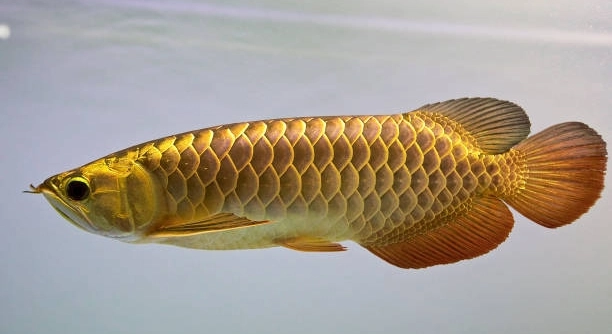
Arowanas are beautiful and prized fish, but keeping them healthy requires careful attention to their diet. Many owners overlook small nutritional details that can greatly impact the fish’s growth, appearance, and overall wellbeing over time.
Poor nutrition in Arowanas can lead to stunted growth, weakened immune systems, deformities, color fading, low energy, digestive issues, and increased susceptibility to diseases. Ensuring a balanced diet is crucial to maintaining optimal health and longevity for these ornamental fish.
Maintaining proper nutrition is essential, and understanding the effects of deficiencies can help owners support healthier, more vibrant Arowanas in their tanks.
Stunted Growth
Arowanas rely on a well-balanced diet for proper growth. When they receive inadequate nutrients, their growth slows significantly, and they may never reach their full size. This is especially noticeable in young fish, where protein and essential vitamins are critical. Low-quality or incomplete diets can result in shorter, thinner bodies and weak fins. Over time, these deficiencies affect their overall development, making them more vulnerable to health problems. Consistently feeding your Arowana the right combination of protein, fats, and vitamins ensures that they develop strong bones and muscles. Many owners notice a difference in their fish’s energy levels and body shape after improving the diet. Even occasional lapses in feeding high-quality food can lead to uneven growth, so regular monitoring of dietary intake is important. Proper feeding routines, variety in food, and attention to nutritional content make a big difference in maintaining healthy growth and robust development.
Ensuring a diet rich in essential proteins and vitamins is key to preventing stunted growth in Arowanas and supporting overall health.
Adjusting feeding habits and providing nutrient-rich food can reverse some effects of stunted growth, allowing your Arowana to develop better over time and enjoy a stronger, healthier life. Consistent care and monitoring make a noticeable difference in their size and activity levels.
Weakened Immune System
Arowanas with poor nutrition often show signs of a weakened immune system, which makes them more prone to infections and diseases. Even minor stress can trigger health issues if their body lacks essential nutrients.
Chronic malnutrition reduces the ability to fight pathogens, leaving Arowanas vulnerable to bacterial, fungal, and parasitic infections. Vitamins like C and E, along with proteins, are crucial for immune function. Owners might notice lethargy, frequent fin rot, or slow recovery from injuries. Weak immunity can also affect organ function, digestion, and overall resilience. Maintaining a balanced diet with fresh, high-quality food, including live or frozen options, helps strengthen the immune system. Small supplements and vitamin-rich foods can further support disease resistance. Without proper nutrition, Arowanas are at higher risk during seasonal changes or tank stress, which could lead to serious illness. Consistent observation and early intervention are essential to prevent complications. Healthy, well-fed fish display vibrant colors, active swimming behavior, and better survival rates, highlighting the direct link between diet and immunity.
Deformities
Poor nutrition often leads to noticeable deformities in Arowanas, affecting their fins, spine, and overall body structure. These physical changes can appear slowly, making it important to pay attention to early signs and correct nutritional gaps before the deformities become permanent.
When essential nutrients are missing, the fish’s skeletal development weakens, and bones may grow unevenly. This can result in bent spines, curled fins, or misshaped jaws. Young Arowanas are especially sensitive to these issues because their bodies grow quickly and depend on consistent nourishment. A diet lacking proper vitamins, minerals, and proteins disrupts natural development and increases physical stress. Over time, these deformities can interfere with swimming, feeding, and general comfort. Ensuring a balanced diet with reliable, high quality food helps maintain steady growth and reduces the risk of permanent damage.
Feeding a varied diet with nutrient rich options supports healthier bone formation and smoother body development. Owners who introduce better feeding habits often notice improvements in posture, fin shape, and overall symmetry. Maintaining consistency is important, since occasional nutrient gaps can still affect the fish’s structure. Observing your Arowana daily and adjusting their diet based on appearance and behavior can prevent long term issues and support healthier development.
Color Fading
Color fading often appears when Arowanas lack the vitamins and proteins needed to maintain their natural vibrancy. Their scales become dull, and the overall appearance looks less lively. Consistent access to nutritious food helps support brighter colors and keeps the fish looking strong and healthy in the tank.
Long term nutritional deficiencies weaken pigmentation cells, causing the color to fade unevenly across the body. Foods rich in carotenoids and high quality proteins help support pigmentation and improve overall brightness. When Arowanas do not receive these nutrients, their scales may show pale patches or lose depth in tone. Stress from environmental changes can worsen fading, especially when paired with poor nutrition. Offering a balanced diet with live, frozen, and formulated options strengthens color development and supports healthier skin. Regular feeding routines and careful food selection help maintain a vibrant appearance and reflect better overall wellbeing.
Low Energy
Low energy becomes noticeable when Arowanas are not receiving enough nutrients to support normal activity. They may swim less, rest near the surface, or show slow reactions during feeding. A consistent and balanced diet helps maintain steady energy levels throughout the day.
When their diet lacks important vitamins and proteins, their metabolism slows and their stamina drops. This makes them more passive and less responsive in the tank. Improving the quality of their food often restores vitality and encourages more active swimming and natural behavior.
Digestive Issues
Digestive issues appear when Arowanas receive food that is too hard to process or lacking in essential nutrients. Poor quality diets can lead to constipation, bloating, and irregular waste. Offering easily digestible food, along with a balanced mix of nutrients, supports smoother digestion and healthier daily function.
Increased Susceptibility to Diseases
Arowanas with poor nutrition are more likely to develop illnesses because their bodies cannot handle stress or harmful pathogens. Good feeding habits help them stay strong and resistant.
FAQ
What signs show that my Arowana is not getting proper nutrition?
Common signs include dull color, slow growth, weak swimming, loss of appetite, and frequent illnesses. Some Arowanas may appear thinner than usual, while others show changes in body shape. You might also notice reduced activity or more time spent resting near the bottom or surface. Over time, poor nutrition can lead to more serious issues like deformities, digestive trouble, and chronic weakness. Paying attention to these early signs helps you make dietary changes before the problems worsen. Even small improvements in feeding habits can bring noticeable changes in behavior and appearance.
How often should I feed my Arowana?
Feeding frequency depends on age and size. Young Arowanas need smaller and more frequent meals to support healthy growth, usually two to three times daily. Adults require fewer feedings and do well with one or two meals a day. Overfeeding can cause digestive issues and poor water quality, so portion control is important. Offering a balanced mix of foods helps maintain steady health and energy levels. Observing how quickly your Arowana finishes each meal helps you adjust feeding routines more accurately.
What foods help improve color in Arowanas?
Foods rich in carotenoids are great for supporting brighter and more vibrant color. These include shrimp, krill, high quality pellets designed for color enhancement, and certain insects. A mix of live, frozen, and prepared foods gives your Arowana access to a broader range of nutrients. Consistent feeding with these options helps pigment cells work properly and strengthens natural color. Good water quality and low stress also play an important role in maintaining brightness.
Can poor nutrition cause long term health problems?
Yes, poor nutrition can lead to serious long term issues. Ongoing deficiencies may cause stunted growth, weak immunity, deformities, and organ stress. Some of these conditions cannot be reversed once they become severe. This is why providing a varied and nutrient rich diet early in life is important. With the right care, Arowanas can stay strong, active, and more resistant to illness. Regular monitoring and adjustments help prevent long lasting damage.
What is the best type of diet for Arowanas?
Arowanas thrive on a combination of protein rich foods, healthy fats, and essential vitamins. Their diet should include insects, pellets, shrimp, fish, and occasional supplements. Variety helps ensure they receive everything they need. Prepared foods like high quality pellets provide balanced nutrients, while live and frozen foods offer additional benefits. Mixing these options creates a well rounded diet that supports digestion, color, growth, and immunity.
How can I prevent digestive issues in my Arowana?
Feeding easily digestible foods and avoiding large, hard items helps prevent constipation and bloating. Offering a mix of live and frozen foods, along with high quality pellets, supports smoother digestion. Maintaining clean water reduces additional stress on their system. If issues appear, adjusting the diet and reducing feeding size usually helps. Observing your Arowana after meals gives you clues on how well they process food.
Why does my Arowana look pale or washed out?
Color fading usually happens when the diet lacks nutrients needed for pigmentation. Stress, poor water conditions, and illness can make fading worse. Improving nutrition with color enhancing foods helps bring back brightness. It may take a few weeks to see changes, but consistent feeding leads to gradual improvement. Keeping the tank stable and calm also supports healthier pigmentation.
Are supplements necessary for Arowanas?
Supplements are helpful but not always required. If your Arowana receives a varied and balanced diet, they may already be getting enough nutrients. However, vitamin boosters or color enhancing additives can be useful in certain cases, especially if the fish is recovering from illness or showing signs of deficiency. It’s best to use supplements sparingly and choose reputable products. Proper feeding is still the main foundation of good health.
How can I keep my Arowana healthy through better nutrition?
Providing a consistent diet with a variety of foods is the most effective way to keep them healthy. High quality ingredients support growth, immunity, color, and overall strength. Regular feeding schedules, portion control, and observation help you adjust when needed. Arowanas respond well to stable habits and thoughtful care. Over time, good nutrition becomes visible in their behavior, appearance, and general wellbeing.
Final Thoughts
Caring for an Arowana becomes much easier once you understand how strongly nutrition affects every part of its health. These fish depend on consistent feeding habits, steady routines, and nutrient rich foods to stay strong and active. When their diet is balanced, their colors look brighter, their swimming becomes more confident, and their overall behavior feels more natural. Watching an Arowana grow and thrive is rewarding, and many of those positive changes come directly from the quality of food it receives. Taking the time to choose good ingredients, offer enough variety, and follow a proper schedule makes a real difference. Even small improvements can help your fish recover from stress or minor issues, giving you a healthier and more vibrant pet. As you pay closer attention to their diet, you may begin to notice subtle changes that reassure you that your efforts are working. These little signs often appear before bigger improvements become visible.
Proper nutrition also helps prevent problems that can be difficult to manage once they become serious. Issues like stunted growth, weak immunity, or color fading may start slowly, but they often progress when the diet is lacking for too long. Understanding these early indicators allows you to make adjustments before the fish’s health declines further. This kind of awareness is especially important for young Arowanas, because their bodies are still developing and rely heavily on strong nutritional support. The foods you choose in the early stages can influence their appearance and wellbeing for years. When you stay consistent and mindful, you create a more stable environment that encourages healthy growth, smoother digestion, and better resistance to stress. A balanced diet works together with clean water and a proper tank setup, creating a complete foundation for long term care. By addressing nutrition first, you are also reducing the chances of future complications that could require more time and attention to fix.
As you continue caring for your Arowana, it helps to view nutrition as an ongoing part of the routine rather than a one time adjustment. Fish grow, age, and change over time, and their needs may shift as they develop. Staying flexible and observant allows you to adapt their diet when needed and support them through each stage of life. Feeding them a good mix of high quality foods not only keeps them healthy, but also helps you connect more closely with their behavior. You begin to recognize what they enjoy, how they respond to certain foods, and how their body reacts to changes in the feeding pattern. This awareness can guide you toward better choices and more confident care. A well fed Arowana reflects your commitment through its bright color, smooth movements, and lively presence in the tank. When nutrition is handled with care, the fish benefits in every possible way, and you can enjoy a more peaceful and rewarding experience as an owner.

Hello,
If you enjoy the content that we create, please consider saying a "Thank You!" by leaving a tip.
Every little bit helps us continue crafting quality advice that supports the health, happiness, and well-being of pets around the world, for pets of all shapes, sizes, and species.
We really appreciate the kindness and support that you show us!