
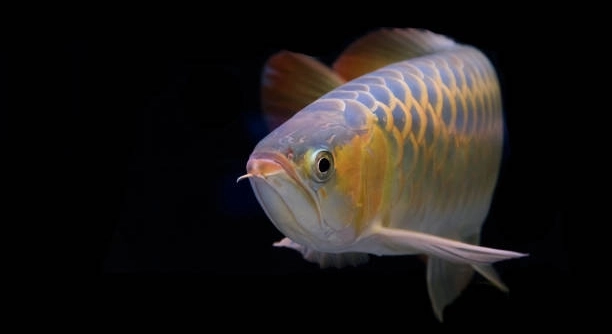
Do you ever notice your Arowana swimming away from the group, seeking a quiet corner of the tank for no apparent reason? These majestic fish often need time alone to feel secure and maintain their well-being.
Arowana require space and solitude under several circumstances, including post-feeding rest, territorial establishment, stress reduction, breeding preparation, illness recovery, tank rearrangement, and interactions with more aggressive tank mates. Providing adequate space ensures their physical and psychological health.
Recognizing these moments allows you to create a peaceful environment and meet your Arowana’s natural needs more effectively.
After Feeding Rest
After feeding, Arowana often retreat to a quieter area of the tank. They need time to digest properly, and too much interaction or movement can disturb this process. Providing a calm corner with minimal disturbances helps them process their meal efficiently. Overcrowding or sudden changes in lighting can stress the fish, slowing digestion and potentially causing health issues like bloating. Observing your Arowana’s post-feeding behavior can indicate if it is comfortable with the current tank setup. If it consistently seeks solitude, consider adding hiding spots or adjusting tank layout to provide more peaceful areas. Feeding smaller portions multiple times a day can also reduce competition and tension among tank mates. This approach allows each fish to focus on eating and resting without interference. Arowana benefit from a consistent routine, including feeding times, to maintain comfort and reduce stress.
Digesting in peace is vital for maintaining a healthy and happy Arowana in your aquarium.
Maintaining quiet areas after feeding supports their growth and energy. It also encourages natural behavior patterns and minimizes unnecessary stress. Simple changes like rearranging décor or adding gentle lighting can improve their overall well-being, making them feel more secure and balanced.
Territorial Establishment
Arowana need space when establishing territory to feel safe.
During territorial periods, they patrol their space and may become aggressive toward other fish. Confined areas or too many tank mates can heighten stress and provoke conflicts. Properly sized tanks with visual barriers and sufficient swimming room allow them to define personal zones naturally. Avoid rearranging decorations frequently, as it disrupts established boundaries. Territorial behavior is common in both juvenile and adult Arowana and is a sign of healthy instincts. Observing which areas your fish favors can guide tank adjustments. Adding plants, rocks, or driftwood can help segment the tank, giving each Arowana a sense of ownership. Ensuring water quality and temperature remain stable during this time further supports their comfort. By respecting their space, you reduce aggression, protect weaker fish, and maintain a harmonious tank environment. Over time, Arowana will show less stress and more natural, confident behavior when their territory is respected.
Stress Reduction
Arowana need solitude when stressed. Changes in water quality, lighting, or tank activity can overwhelm them, causing hiding or erratic swimming. Giving them space helps reduce tension and restores calm.
Stress can lead to weakened immunity, making Arowana more susceptible to illness. Observing signs like rapid gill movement, clamped fins, or unusual hiding helps identify stress early. Minimizing disturbances, maintaining stable water conditions, and avoiding sudden additions of new fish support their recovery. Simple adjustments such as dimming lights or adding plants for cover can make a significant difference. Allowing quiet periods in the tank ensures they regain confidence and normal behavior without external pressure. Over time, a consistent and calm environment reduces stress frequency and intensity.
Providing these quiet spaces promotes healthy routines and natural behaviors. It reinforces their sense of safety, helping them thrive without constant oversight or interference.
Breeding Preparation
Arowana often require solitude before breeding. Isolating them reduces competition and aggression while encouraging natural mating behavior.
Breeding readiness involves both physical and mental preparation. Male and female Arowana may become protective of specific areas, requiring minimal disturbance to feel secure. Clear separation from other tank mates allows them to focus on courtship without stress. Adjusting water conditions, like temperature and pH, can also signal readiness, but interference should be avoided during this period. Providing suitable hiding spots and open swimming areas supports their natural instincts, giving them confidence to engage in breeding behaviors. Overcrowding or aggressive neighbors can delay or prevent successful spawning. By respecting their need for privacy, you improve the likelihood of natural reproductive success while keeping both fish safe.
Solitude before breeding ensures Arowana remain calm, confident, and more likely to thrive during this critical phase.
Illness Recovery
When Arowana are ill, they naturally seek solitude. Isolation reduces stress and helps them focus on recovery without competing for space or food.
Providing a quiet area and maintaining optimal water quality supports their healing. Avoid crowding and handle them minimally to prevent further strain.
Tank Rearrangement
Rearranging the tank can unsettle Arowana, as they rely on familiar surroundings. Sudden changes may trigger hiding or aggression. Maintaining some consistent features while gradually introducing modifications helps them adjust without excessive stress.
Aggressive Tank Mates
Arowana need space when housed with aggressive species. Close interactions can lead to fights, injuries, or persistent stress, affecting health.
FAQ
How much space does an Arowana need in a tank?
Arowana require a large tank to swim freely and maintain health. A minimum of 250 gallons is recommended for adult Arowana, with ample length and width to allow natural movement. Crowded tanks increase stress, aggression, and the risk of injury. Vertical space is also important, as they often swim near the surface. Tank décor should provide hiding spots without restricting swimming areas. Observing your fish’s behavior can indicate whether the tank is sufficient. If the Arowana frequently bumps into decorations or other fish, it may need more space. Regular monitoring and adjustments help ensure comfort and reduce stress over time.
Why do Arowana seek solitude after feeding?
After meals, Arowana often retreat to quiet corners to digest properly. Active swimming or interactions with other fish can slow digestion and increase stress. Providing calm areas, minimal lighting changes, and reduced movement during this time supports proper digestion. Small, frequent feedings also reduce competition.
How can I tell if my Arowana is stressed?
Signs include rapid gill movement, clamped fins, erratic swimming, and hiding more than usual. Stress often results from poor water quality, overcrowding, aggressive tank mates, or sudden changes in the environment. Keeping water parameters stable, maintaining a spacious tank, and offering hiding spots help reduce stress. Stress also lowers immunity, making the fish vulnerable to illness. Observing daily behavior is key to detecting early signs and preventing long-term issues.
When should I isolate my Arowana for breeding?
Isolation is important when preparing for breeding. Separate males and females from other fish to reduce competition and aggression. Clear territories, stable water conditions, and minimal disturbances encourage natural courtship behavior. Proper hiding spots and open swimming areas give them confidence. Overcrowding or frequent interference can prevent successful spawning. Observing readiness signs, such as specific courtship movements and changes in behavior, helps time isolation effectively.
What adjustments help Arowana recover from illness?
Providing solitude, quiet spaces, and optimal water conditions are essential. Avoid handling them unless necessary. Monitor for changes in appetite, swimming patterns, and physical appearance. Adjust water temperature, pH, and filtration carefully to promote healing. Reducing stressors and giving the fish time to rest supports a quicker recovery.
How do tank rearrangements affect Arowana behavior?
Sudden changes can confuse and stress them. Arowana rely on familiar structures to navigate their environment. Gradually introducing decorations or shifting existing ones allows adjustment without excessive stress. Maintain some consistent landmarks to help the fish feel secure. Stress from rearrangements can lead to hiding, aggression, or decreased appetite.
Can aggressive tank mates harm my Arowana?
Yes, aggressive fish can cause injuries, stress, and long-term health issues. Ensure enough space and visual barriers between species. Monitor interactions closely, and separate aggressive individuals if necessary. Minimizing confrontation helps the Arowana remain calm, healthy, and maintain natural behaviors. Choosing compatible species is key to a peaceful tank.
How often should I monitor my Arowana’s behavior?
Daily observation is recommended. This helps detect stress, illness, or environmental issues early. Noticing subtle changes in swimming, feeding, or resting patterns allows timely interventions. Consistent monitoring ensures that their space, diet, and tank conditions meet their needs effectively.
Is it normal for Arowana to hide frequently?
Yes, especially during stress, illness, or post-feeding periods. Hiding is a natural behavior that promotes safety and calm. Ensure they have enough quiet corners and minimal disturbances. Frequent hiding can indicate environmental stressors or health issues, so regular observation is important.
What is the best way to provide Arowana with solitude?
Offer ample tank space, visual barriers, hiding spots, and consistent routines. Avoid overcrowding and minimize disturbances during sensitive times like feeding, breeding, or illness recovery. Quiet areas support their physical and psychological well-being, encouraging natural behaviors and reducing stress.
Arowana are striking and intelligent fish that thrive when their natural instincts are respected. Giving them adequate space and solitude is essential to their health and overall well-being. These fish are naturally territorial and can become stressed if crowded or disturbed too frequently. Ensuring they have a calm environment after feeding, during illness, or while establishing territory allows them to rest, digest, and recover efficiently. Solitude is not a sign of weakness in these fish; rather, it reflects their natural need to feel safe and secure within their surroundings. Observing your Arowana’s behavior carefully helps identify when they need privacy, whether it’s retreating to a quiet corner after a meal or seeking refuge during stressful situations. Making adjustments in tank setup, water conditions, and décor can provide the peace they require without disrupting their routines. This approach allows them to flourish both physically and mentally, promoting longevity and a healthier life in your care.
Providing solitude also plays a significant role during breeding and recovery from illness. When preparing for breeding, Arowana benefit from isolation, as it reduces aggression and competition between tank mates. Male and female fish require a stable, undisturbed environment to engage in natural courtship behaviors, which improves the likelihood of successful spawning. Similarly, when they are ill, minimizing disturbances and creating quiet spaces helps them conserve energy and heal more effectively. Stress can have a considerable impact on an Arowana’s immune system, making recovery slower if they are constantly disturbed. By offering calm areas, stable water parameters, and consistent routines, owners can support both the physical and psychological needs of these fish. Simple measures such as adding visual barriers, creating hidden corners, or adjusting lighting can significantly reduce stress, creating a tank environment where Arowana feel secure. These efforts not only improve their immediate well-being but also foster long-term health and natural behavior patterns.
Understanding the moments when Arowana need space and solitude is key to successful fishkeeping. They are highly observant and responsive to their environment, so careful attention to their behavior provides valuable insight into their needs. Avoiding overcrowding, aggressive tank mates, and sudden changes in the tank ensures a stable and comfortable habitat. Regular observation allows owners to respond promptly to signs of stress, illness, or territorial disputes, creating an environment that supports natural instincts. By providing solitude when necessary, you help your Arowana develop confidence and maintain calm, reducing the risk of injury and behavioral issues. Consistently respecting their space strengthens the bond between owner and fish, as you learn to read their signals and respond appropriately. Over time, these thoughtful practices create a balanced and harmonious tank where Arowana can thrive, swim freely, and exhibit their full range of natural behaviors, making them both healthier and more visually impressive companions.

Hello,
If you enjoy the content that we create, please consider saying a "Thank You!" by leaving a tip.
Every little bit helps us continue crafting quality advice that supports the health, happiness, and well-being of pets around the world, for pets of all shapes, sizes, and species.
We really appreciate the kindness and support that you show us!