
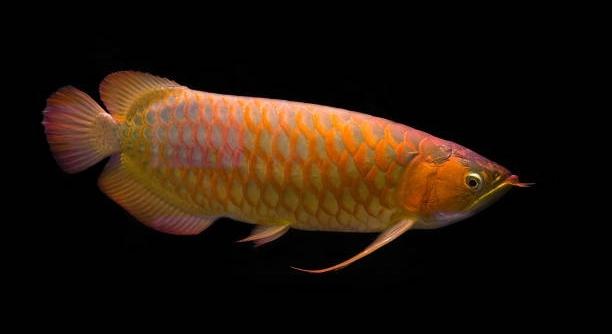
Have you ever noticed your arowana swimming in circles, seemingly uninterested in its surroundings? Many fish owners wonder how their large, elegant fish respond to a plain tank without much stimulation or decoration.
Arowanas can experience reduced mental stimulation in a plain tank, which may impact their natural behaviors. Providing environmental enrichment, such as plants, hiding spots, or floating objects, supports their activity levels and overall wellbeing in captivity.
Learning how tank design influences arowanas can improve their quality of life. Small changes in their environment may have a noticeable impact on their behavior and health.
How Arowanas React to a Plain Tank
Arowanas are naturally active and curious fish, often exploring large areas of water in the wild. In a plain tank, they may swim repetitively along the same paths, showing signs of boredom or stress. Lack of stimulation can lead to decreased activity, less interest in food, or even aggression toward tank mates. They respond to environmental changes and enrichment, which helps maintain their natural instincts. Even simple additions like driftwood, stones, or floating plants provide visual variety and surfaces to explore. Some arowanas may also enjoy subtle water currents, which mimic river conditions. Regularly changing decorations or adding new objects can help prevent monotony. Observing these changes in behavior is important for keeping the fish healthy and active. Arowanas thrive when their environment offers both space and interesting features.
Adding a few plants or hiding spots can noticeably improve your arowana’s behavior and engagement in the tank.
Providing enrichment reduces stress, encourages natural behavior, and supports overall health, making arowanas more responsive and lively in captivity.
Ways to Improve Tank Environment
Introducing decorations like rocks, driftwood, or live plants gives your arowana opportunities to explore and feel secure.
Choosing the right elements is essential. Floating plants, branches, and soft substrates can break up the visual monotony of a plain tank. Varying the layout gradually prevents sudden stress while maintaining interest. Avoid overcrowding the tank, as arowanas need open swimming space. Some fish may also enjoy gentle currents from a filter or air pump. The goal is to create a stimulating but safe environment that promotes natural movement, hunting instincts, and exploration. Observing your fish regularly helps you notice if changes are effective or if additional adjustments are needed. Feeding routines can also be modified slightly to encourage activity, such as hiding food among decorations. Over time, these enhancements create a more dynamic environment, improving behavior and mental stimulation, while keeping your arowana healthy, active, and visually engaged in its tank.
Signs Your Arowana May Be Bored
Repetitive swimming, lack of interest in food, and staying in one area of the tank are common signs of boredom. Changes in color or sudden aggression toward tank mates can also indicate a need for more stimulation.
Arowanas are intelligent fish that respond strongly to their environment. In a plain tank, they may swim back and forth along the same paths, seemingly without purpose. They might ignore feeding times or show less curiosity about surroundings. Behavioral changes such as tail biting, rubbing against surfaces, or increased hiding can signal stress caused by monotony. Regular observation helps identify these patterns early, allowing for timely adjustments to the tank environment. Incorporating enrichment not only reduces these negative behaviors but also encourages natural activity, supporting overall health and longevity.
Introducing small changes gradually can help your arowana regain interest in its environment. Floating plants, new decorations, or gentle water currents can re-engage the fish and improve activity.
Creating a Stimulating Tank Environment
Adding objects like driftwood, rocks, or live plants can break up empty spaces and encourage exploration. A variety of textures and hiding spots gives arowanas options to interact with.
Arowanas need room to swim, so balance open space with enrichment carefully. Floating plants provide shade and simulate a natural environment, while smooth rocks and driftwood allow fish to investigate safely. Some arowanas enjoy gentle water movement from filters or pumps, which can make the tank feel dynamic. Changing the arrangement occasionally keeps the tank interesting without causing stress. Even feeding routines can be adjusted to hide food among decorations, encouraging foraging behaviors. A thoughtfully arranged tank promotes mental stimulation, physical activity, and natural instincts, reducing signs of boredom and improving overall wellbeing.
Simple Ways to Keep Arowanas Engaged
Adding floating plants or a few smooth rocks gives arowanas objects to explore. Small changes in the tank can make a noticeable difference in their activity and curiosity.
Even rotating decorations or introducing new hiding spots occasionally helps keep the environment stimulating. Arowanas respond well to gradual changes.
Feeding as Enrichment
Feeding can be turned into an activity rather than just a routine. Hiding food among plants or decorations encourages natural hunting and foraging behaviors. Using varied food types like pellets, insects, or small fish provides mental stimulation and prevents boredom. Arowanas often become more alert and active when they search for their meals, which supports both physical and mental health. Observing their behavior during feeding allows you to adjust strategies for maximum engagement. This simple approach makes feeding time more interactive, maintaining their interest and reinforcing natural instincts, which is essential in a plain or minimal tank.
Monitoring Behavior
Track swimming patterns, appetite, and reactions to tank changes to understand your arowana’s engagement level.
FAQ
Can arowanas get bored in a plain tank?
Yes, arowanas can show signs of boredom in a plain tank. Without environmental enrichment, they may swim in repetitive patterns, lose interest in food, or become less active. Boredom can affect both their mental and physical health over time.
What signs indicate my arowana is bored?
Common signs include repetitive swimming along tank walls, decreased appetite, hiding excessively, or showing aggression toward tank mates. Some arowanas may also rub against surfaces or display dull colors. Observing these behaviors can help determine if your fish needs more stimulation.
How can I make a plain tank more interesting?
Adding decorations such as rocks, driftwood, or plants gives your arowana places to explore and hide. Floating plants or branches create visual variety. Even small changes like rearranging objects occasionally can help prevent monotony and keep the fish mentally engaged.
Are live plants better than artificial decorations?
Both live and artificial decorations have benefits. Live plants can improve water quality and provide a more natural environment, while artificial items are easier to clean and move around. Using a combination can offer both stimulation and convenience.
Should I change the tank layout often?
Gradual changes to the tank layout can help maintain interest without causing stress. Moving a rock, adding a new decoration, or changing the position of plants every few weeks encourages exploration and reduces boredom. Avoid sudden or extreme rearrangements.
Can feeding routines help reduce boredom?
Yes, feeding can be used as enrichment. Hiding food among decorations or using varied food types, like pellets, insects, or small fish, encourages foraging behaviors. This stimulates natural hunting instincts and keeps your arowana active and engaged during mealtimes.
Is tank size important for preventing boredom?
Arowanas need ample space to swim freely. A tank that is too small can increase stress and limit activity, even if it has decorations. Providing a large, open swimming area along with enrichment helps maintain both physical and mental health.
Do arowanas need companions to stay engaged?
Some arowanas may benefit from tank mates, but compatibility depends on species, size, and temperament. Introducing other fish can provide social interaction, but overcrowding can cause stress. Focus first on environmental enrichment before considering companions.
How often should I monitor behavior?
Daily observation is ideal. Watch swimming patterns, feeding response, and reactions to changes in the tank. Regular monitoring allows you to notice early signs of boredom or stress and make timely adjustments.
Can boredom affect arowana health long-term?
Yes, prolonged boredom can lead to reduced activity, poor appetite, stress, and even aggression. Ensuring a stimulating environment, proper feeding, and occasional changes helps maintain both mental and physical wellbeing over time.
What is the easiest enrichment for a busy owner?
Simple additions like a few floating plants, driftwood, or hiding spots are easy to implement. Rotating decorations occasionally or hiding food during feeding provides mental stimulation without requiring constant attention.
Are arowanas naturally curious fish?
Yes, arowanas are naturally curious and active in the wild. A plain tank limits exploration, so providing enrichment mimics natural conditions and encourages behaviors like swimming, hunting, and investigating surroundings.
Can water movement improve engagement?
Gentle currents from a filter or air pump can simulate natural river conditions. Water movement encourages activity and makes the tank feel more dynamic, helping prevent boredom and supporting overall fish health.
How long does it take to see changes after adding enrichment?
Behavioral changes can be seen within days to a few weeks. Most arowanas respond quickly to new objects, plants, or rearrangements by exploring, foraging, and becoming more active. Patience and gradual adjustments are key for best results.
Is boredom more common in certain arowana species?
While all arowanas can experience boredom, larger species that require more space may show signs sooner in small or minimally enriched tanks. Tailoring the environment to the species’ size and natural behavior is important for maintaining engagement.
Can toys or floating objects help?
Yes, floating objects can provide visual stimulation and encourage interaction. Some arowanas enjoy following or nudging objects, which adds a simple but effective way to keep them mentally active.
How do I know if changes are effective?
Monitor behavior before and after introducing enrichment. Increased activity, exploration, foraging, and alertness indicate that the changes are successful. If behaviors like repetitive swimming or hiding continue, additional adjustments may be needed.
Should lighting affect boredom levels?
Moderate, natural lighting can enhance tank appearance and stimulate activity. Avoid constant bright lights or darkness, as extreme conditions may stress arowanas. A balanced light cycle helps mimic natural environments and supports regular behavior patterns.
Can temperature or water quality impact engagement?
Yes, proper temperature and water quality are essential. Stressed or unhealthy fish are less likely to be active or curious. Maintaining stable, appropriate conditions complements environmental enrichment and ensures overall wellbeing.
Is enrichment more important for indoor tanks?
Indoor tanks lack natural variation, so enrichment is crucial. Adding plants, hiding spots, and gentle currents provides stimuli that arowanas would naturally experience in rivers, helping prevent boredom and supporting mental and physical health.
How do I balance enrichment with swimming space?
Ensure open areas remain for free swimming. Decorations should enhance, not block, movement. Providing a mix of open space and interactive features allows your arowana to exercise, explore, and stay stimulated without feeling confined.
Can I use food puzzles or feeders?
Yes, food puzzles or treat-dispensing feeders add mental challenges. They encourage problem-solving and foraging, keeping arowanas active and engaged. This method is particularly useful for highly intelligent individuals that need extra stimulation.
How often should enrichment items be changed?
Small adjustments every few weeks are sufficient. Frequent changes may stress the fish, while rare changes can lead to monotony. Observing how your arowana interacts with the environment helps determine the ideal frequency.
Do arowanas get bored if they have large tanks but no decorations?
Even large tanks can feel empty without enrichment. Space alone does not fully engage their curiosity. Adding objects, hiding spots, or floating plants ensures they remain mentally active while still enjoying freedom to swim.
Can stress from boredom affect immunity?
Yes, chronic boredom and inactivity can increase stress hormones, which may weaken the immune system. A stimulating environment supports both mental health and resilience against disease.
Are all enrichment items safe for arowanas?
Not all items are safe. Avoid sharp objects, small items that can be swallowed, or materials that leach chemicals. Always choose smooth, non-toxic decorations appropriate for the tank size and fish species.
Does boredom affect breeding behavior?
Boredom or stress can reduce interest in breeding. A well-stimulated, enriched environment supports natural behaviors, which can improve reproductive activity and overall vitality.
Can arowanas enjoy interaction with owners?
Some arowanas respond to gentle movements outside the tank or hand-feeding, showing curiosity and engagement. While enrichment is primarily environmental, occasional interaction can provide mental stimulation.
Is it possible to fully prevent boredom in captivity?
Complete prevention is unlikely, but consistent enrichment, monitoring, and adjustments minimize boredom. Providing variety, space, and opportunities for natural behaviors keeps arowanas active, healthy, and mentally stimulated for most of their time in captivity.
Final Thoughts
Keeping an arowana in a plain tank can be challenging, as these fish are naturally active and curious. They respond strongly to their surroundings and require both space and stimulation to remain healthy. Observing behavior is key to understanding how your fish is coping with its environment. Signs such as repetitive swimming, hiding, lack of interest in food, or sudden aggression can indicate that the tank is too simple or monotonous. Even small changes, like adding a few rocks or floating plants, can make a significant difference. Providing opportunities to explore and interact with the environment helps maintain both physical activity and mental engagement. Arowanas that are mentally stimulated tend to be more alert, show more natural behaviors, and experience less stress, which in turn supports overall health and longevity.
Environmental enrichment is not just about decoration; it plays a vital role in arowanas’ wellbeing. Objects like driftwood, rocks, and plants create visual variety, offer hiding spots, and give the fish a sense of security. Gentle water movement can mimic natural conditions and encourage activity, while feeding strategies like hiding food among decorations promote foraging behavior. Balancing open swimming space with enrichment is essential because arowanas need freedom to move while also having elements to explore. Even minor adjustments in the tank layout can help prevent boredom and promote a more dynamic environment. Over time, these enhancements make the fish more interactive and reduce signs of stress or disinterest, creating a healthier and more stimulating home.
Maintaining arowanas in captivity requires ongoing attention and care. Regular observation allows you to notice changes in behavior and adjust the tank as needed. Providing consistent enrichment, monitoring water quality, and offering varied feeding routines all contribute to a better quality of life. While it may seem simple to just provide a large tank, the mental and emotional needs of arowanas are equally important. Even minimal additions or gradual changes can have a noticeable impact, helping the fish remain active, curious, and healthy. Investing time and thought into their environment ensures that your arowana can thrive, showing natural behaviors and enjoying a more fulfilling life in captivity.

Hello,
If you enjoy the content that we create, please consider saying a "Thank You!" by leaving a tip.
Every little bit helps us continue crafting quality advice that supports the health, happiness, and well-being of pets around the world, for pets of all shapes, sizes, and species.
We really appreciate the kindness and support that you show us!