
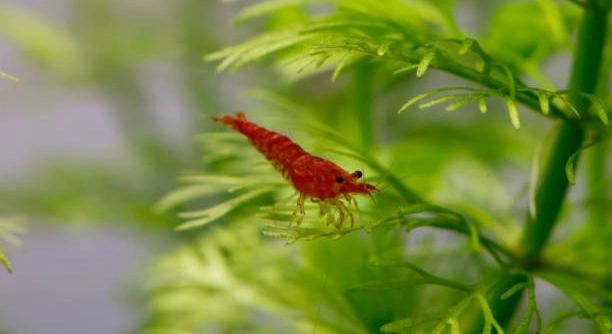
Cherry shrimp are tiny, colorful freshwater creatures that brighten up aquariums. Watching them move gracefully among plants can be relaxing. Their small size and delicate features make them fascinating to observe in every detail of their daily life.
Cherry shrimp do sleep, but their sleep is light and intermittent. They do not close their eyes completely, as they lack eyelids. Instead, they enter restful periods where movement slows, and their sensory awareness remains partially active.
Observing these subtle behaviors can help shrimp owners ensure a healthy and comfortable environment for their aquatic pets. Understanding their habits provides a closer connection to their unique lifestyle.
Understanding Cherry Shrimp Sleep Patterns
Cherry shrimp have unique sleep habits that differ from larger aquatic animals. They rest in short intervals throughout the day and night, often hiding among plants or decorations. These resting periods help conserve energy while keeping them alert to any sudden changes in their environment. Unlike mammals, they do not experience deep sleep but enter a lighter state that allows them to respond quickly to threats. Observing them during these periods can be challenging because they remain partially active, twitching their antennae or slowly moving legs. Their lack of eyelids means their eyes stay open, giving the appearance that they never sleep. Creating a calm, dimly lit tank environment can encourage more extended rest periods. Plants, moss, and hiding spots offer security, making them more likely to settle down. Over time, monitoring these patterns helps maintain shrimp health and detect early signs of stress or illness, keeping them thriving in their habitat.
Cherry shrimp sleep lightly, often in hidden spots, staying partially aware. Their eyes remain open, and movement is minimal during these periods.
Providing a well-planted tank with quiet areas can improve rest. Observing these patterns helps ensure shrimp remain healthy and comfortable, giving insight into their natural behavior.
Creating a Rest-Friendly Aquarium
Reducing bright lights and sudden disturbances supports proper rest for cherry shrimp. They thrive in gentle lighting and prefer calm water with minimal turbulence. Plants, caves, and moss provide security and areas to settle without feeling exposed. Hiding spots reduce stress, allowing shrimp to rest more often and engage in natural behaviors. Regular feeding schedules also contribute to their overall well-being. Ensuring the tank environment mimics natural conditions helps maintain consistent sleep patterns and energy levels. Overcrowding or aggressive tankmates can disrupt rest, so spacing and compatible species are important considerations. Monitoring water quality, temperature, and cleanliness further supports a restful environment, preventing stress-induced activity or lethargy.
A calm, well-structured tank encourages healthy sleep and natural shrimp behavior. Adequate plants and quiet areas reduce stress and support regular rest cycles.
Water quality, tank structure, and lighting all play a role in cherry shrimp comfort. Gentle filtration, stable temperatures, and secure hiding spots ensure they can rest without interruption. Observing how they interact with the tank setup provides valuable feedback on whether the environment meets their needs. Consistent care, including feeding and maintenance, reinforces a stable rhythm, allowing shrimp to exhibit natural patterns. Over time, understanding these factors allows owners to fine-tune the habitat, promoting longevity and vibrancy in their shrimp. When shrimp feel secure, they sleep better, move with ease, and display their characteristic colors more vividly. Small adjustments, like rearranging decorations or moderating lighting, can make a significant difference in their well-being. Regular observation and proactive care ensure they remain active yet rested, creating a balanced, thriving aquarium ecosystem that supports both the shrimp’s health and aesthetic enjoyment.
Feeding and Its Impact on Sleep
Cherry shrimp need small, regular meals to maintain energy. Overfeeding can disturb their rest, while underfeeding may reduce activity. Balanced nutrition ensures they have enough energy for both active periods and restful intervals. Observing their eating habits helps maintain proper feeding schedules and tank harmony.
Providing high-quality shrimp pellets, blanched vegetables, and occasional protein supplements supports health. Uneaten food should be removed promptly to prevent water quality issues, which can stress shrimp and affect rest. Feeding at consistent times encourages predictable activity and resting patterns. Stress from sudden changes in diet or overfeeding can disrupt light sleep cycles, making them more skittish. By paying attention to portions and variety, owners help shrimp thrive while preserving natural sleep behaviors and maintaining a stable, clean tank environment conducive to healthy growth and energy management.
Food placement also influences rest. Distributing food in accessible spots reduces competition and stress. Hiding areas near feeding zones allow shrimp to eat safely while returning to calm spots for rest.
Monitoring Behavior for Better Care
Regularly observing shrimp movements provides insights into sleep and overall health. Changes in activity levels, color, or antennae movement can indicate stress or illness. Keeping a simple log of behaviors helps detect patterns and potential problems early.
Tracking when shrimp rest, feed, and explore reveals how environmental factors impact their sleep. Adjustments in lighting, tank decor, or water conditions can be made based on these observations to optimize comfort. Monitoring behavior also helps identify social dynamics; dominant shrimp may disturb others, affecting rest. Noting responses to feeding times and tank maintenance ensures the shrimp remain calm and active during the day while resting properly at night. This approach allows owners to maintain a stable environment, promoting both physical health and natural behavioral patterns. Regular observation fosters proactive care, preventing issues before they escalate.
Signs of Restlessness
Cherry shrimp may show restlessness through constant movement or repeated climbing on tank decorations. This behavior often signals stress, poor water quality, or an uncomfortable environment. Recognizing these signs early helps maintain their health and encourages proper resting periods.
Other indicators include rapid antennae flicking and frequent hiding. Monitoring these behaviors allows adjustments in lighting, feeding, or tank setup, ensuring shrimp have a calm space to rest.
Adjusting Light and Environment
Light intensity and duration significantly affect cherry shrimp sleep patterns. Keeping the tank in a dimly lit area or using a timer for gradual day-night transitions encourages natural rest. Bright or fluctuating light can stress shrimp, causing interrupted sleep. Soft lighting during nighttime hours helps them settle, while plants and hiding spots reduce exposure and offer security. Positioning decorations strategically allows shrimp to rest without being constantly visible, maintaining comfort. Consistent lighting routines, combined with proper tank maintenance, support stable sleep cycles. Observing how shrimp respond to adjustments enables owners to create an environment that promotes both active periods and restful intervals.
Water Conditions
Stable water parameters are essential for restful shrimp. Temperature, pH, and cleanliness directly affect activity and sleep patterns.
FAQ
Do cherry shrimp really sleep with their eyes open?
Yes, cherry shrimp do sleep with their eyes open. They lack eyelids, so their eyes remain visible at all times. During rest, their movements slow, and they often hide among plants or decorations. While their eyes stay open, their activity is minimal, and they enter a light, restful state.
How long do cherry shrimp sleep each day?
Cherry shrimp sleep in short intervals rather than a long, continuous period. They may rest multiple times throughout the day and night, often in hidden or shaded areas. These short naps help conserve energy and keep them alert to changes in their environment. Observing their resting spots can provide clues about their sleep habits.
Can lighting affect their sleep?
Yes, lighting has a direct impact on sleep patterns. Bright or fluctuating light can stress shrimp, causing restlessness. Using a dimly lit tank or a timer for gradual day-night transitions encourages regular rest. Plants and hiding spots further reduce exposure to light, promoting calmness and proper resting periods.
Does water quality influence sleep?
Absolutely. Poor water quality can disrupt sleep by stressing the shrimp. Stable temperature, proper pH, and clean water encourage regular resting patterns. Regular maintenance, including partial water changes and removing uneaten food, helps maintain a healthy environment that supports both activity and rest.
Do tankmates affect their sleep?
Yes, aggressive or overly active tankmates can disturb resting shrimp. Providing enough hiding spots and compatible species minimizes stress. Observing social interactions helps ensure that all shrimp can rest without interference, maintaining a calm and balanced tank environment.
Does feeding schedule matter for sleep?
Feeding schedules influence energy levels and resting behavior. Small, consistent meals allow shrimp to have predictable activity and rest periods. Overfeeding or irregular feeding can disrupt sleep, causing restlessness or lethargy. Removing uneaten food promptly helps maintain water quality and reduces stress.
Can I tell if a shrimp is stressed from its rest patterns?
Yes, changes in resting behavior can indicate stress. Excessive hiding, constant movement, or irregular activity suggests discomfort. Stress may result from poor water conditions, lighting, tankmates, or feeding issues. Monitoring their behavior allows timely adjustments to improve rest and overall health.
Are there signs of illness related to sleep?
Illness can affect shrimp sleep. Lethargy, unusual swimming patterns, or prolonged hiding may indicate health problems. Regular observation and maintaining stable water conditions help detect issues early. Prompt action, such as checking water parameters or separating affected shrimp, supports recovery and restores natural rest cycles.
Do cherry shrimp prefer certain resting spots?
Yes, they favor sheltered areas like plants, moss, or tank decorations. These spots provide security and reduce exposure to disturbances. Arranging the tank with multiple hiding places ensures shrimp can rest comfortably and maintain a natural sleep pattern.
How can I improve their sleep quality?
Improving sleep involves stable water conditions, gentle lighting, and a well-planted tank with hiding spots. Consistent feeding schedules and compatible tankmates also contribute. Observing shrimp behavior over time allows fine-tuning the environment to enhance rest, supporting their health and natural activity cycles.
Is there a way to tell when they are fully resting?
Although their eyes remain open, fully resting shrimp exhibit minimal movement. Antennae may twitch occasionally, but legs and body remain mostly still. They often stay in sheltered areas, and observing patterns over time helps distinguish active from resting periods.
Do younger shrimp sleep differently than adults?
Juvenile shrimp may have shorter or more sporadic resting periods. As they grow, sleep patterns become more consistent. Providing appropriate hiding areas and a calm environment supports healthy rest at all life stages, ensuring growth and energy for normal activities.
Can tank temperature impact rest cycles?
Yes, temperature influences metabolism and activity. Too cold or too warm water can stress shrimp, disrupting sleep. Maintaining a stable, moderate temperature suitable for cherry shrimp ensures predictable rest and active periods, reducing stress and promoting overall health.
Do seasonal changes affect their sleep?
Seasonal changes in room temperature or lighting can slightly impact behavior. Gradual transitions using timers for light and stable tank temperature help maintain consistent resting patterns throughout the year. Sudden shifts should be avoided to prevent stress and rest disruption.
Is it normal for shrimp to move slightly during sleep?
Yes, small movements are normal. Twitching antennae or slight leg movement occurs even while resting. This allows them to stay alert for potential threats. Minimal movement does not indicate disturbance, but prolonged activity may suggest environmental stress or discomfort.
How often should I check on their rest behavior?
Regular observation is important. Checking once or twice daily, especially during feeding and quiet periods, helps detect irregular patterns. Monitoring behavior over time provides insight into health, environmental comfort, and whether adjustments are needed to maintain proper rest cycles.
Does stress always show immediately in sleep patterns?
Not always. Some stressors cause gradual changes, like shorter resting periods or increased hiding. Early detection through careful observation allows proactive adjustments, such as modifying tank conditions, feeding schedules, or tankmate arrangements to restore comfort and proper sleep patterns.
Can shrimp adapt to changes in their environment?
Cherry shrimp can adapt gradually, but sudden changes in water quality, lighting, or tank setup can disrupt sleep. Incremental adjustments and consistent routines help them settle, ensuring minimal stress and maintaining natural resting and activity behaviors.
Are there long-term effects of poor rest?
Chronic sleep disruption can lead to stress, weakened immunity, and reduced growth. Maintaining a stable, calm tank environment with proper feeding and hiding spots supports health and longevity, allowing shrimp to maintain natural behaviors and vibrant coloration.
How can I tell if my tank setup supports healthy rest?
A supportive setup includes stable water parameters, gentle lighting, multiple hiding spots, and compatible tankmates. Observing consistent resting periods, regular feeding responses, and calm behavior indicates that the environment meets their needs. Adjustments can be made based on these observations to optimize comfort and sleep.
Cherry shrimp are delicate creatures with unique behaviors that make them interesting to observe. Their sleep habits differ significantly from larger animals because they do not close their eyes. Instead, they enter short, light resting periods where movement slows, and their sensory awareness remains partially active. These periods of rest are essential for maintaining energy, supporting growth, and reducing stress. While it may appear that they are constantly active, careful observation reveals these subtle resting behaviors. Providing a calm, stable tank environment encourages natural sleep patterns and helps them thrive. Plants, moss, and small decorations offer security, making it easier for shrimp to settle down and rest. Over time, understanding how cherry shrimp rest contributes to better overall care and awareness of their needs.
Lighting and tank conditions play a significant role in their comfort and ability to rest. Bright or fluctuating lights can disturb resting periods, causing shrimp to be restless and more skittish. Gentle, consistent lighting, combined with shaded areas and hiding spots, creates an environment conducive to calm, uninterrupted rest. Water quality is equally important, as temperature, pH, and cleanliness directly affect shrimp behavior and sleep cycles. Regular water changes and careful maintenance prevent stress that can interfere with rest. Feeding schedules also impact energy levels and activity. Providing small, consistent meals supports predictable patterns of activity and rest, preventing overfeeding or hunger-related disruptions. Observing shrimp regularly allows owners to notice changes in behavior, which can indicate stress or health issues early, making it easier to address problems before they escalate.
Monitoring and adjusting the tank environment ensures cherry shrimp remain healthy and comfortable. Tankmates, placement of decorations, and hiding spots all influence their sense of security, directly affecting rest. Stress from overcrowding or incompatible species can interfere with natural sleep, while a stable, well-structured tank supports normal behaviors. Observing shrimp behavior, such as slight movements during rest, hiding tendencies, and feeding responses, provides valuable insights into their overall well-being. By paying attention to these factors, it is possible to create an environment that supports both active periods and restful intervals. Consistency, proper care, and understanding their subtle behaviors promote longevity, vibrant coloration, and healthy growth. Maintaining a calm, secure habitat ensures cherry shrimp can rest properly, stay healthy, and display natural behaviors, making them more enjoyable to observe and easier to care for.

Hello,
If you enjoy the content that we create, please consider saying a "Thank You!" by leaving a tip.
Every little bit helps us continue crafting quality advice that supports the health, happiness, and well-being of pets around the world, for pets of all shapes, sizes, and species.
We really appreciate the kindness and support that you show us!