
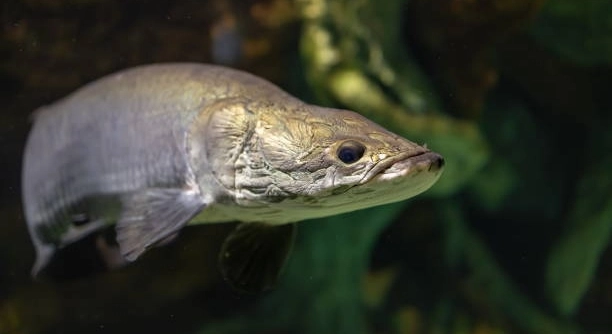
Baby arowanas are small, delicate, and full of energy, making them a joy to watch. Their tiny scales and bright colors often make them stand out in any tank, attracting the attention of fish enthusiasts everywhere.
The key differences between baby and adult arowanas are primarily related to size, coloration, scale development, behavior, diet, tank requirements, and growth rate. Understanding these distinctions is crucial for proper care and ensuring a healthy transition from juvenile to adult stages.
Knowing these distinctions helps you provide the right environment and care for your arowana at every stage of its life. Proper attention ensures their health and growth remain optimal.
Size Differences
Baby arowanas are noticeably smaller than adults, often measuring just a few inches long. Their tiny bodies make them easier to handle and observe closely in a tank. Adult arowanas, in contrast, can grow over two feet in length, requiring significantly more space and careful tank planning. Growth occurs steadily but varies depending on diet and water quality. As they age, their bodies become more elongated and robust, and their fins develop fully, giving them a majestic appearance. Watching them expand from fragile juveniles to strong adults highlights how quickly they adapt to their environment. Tank decorations and hiding spots that work for babies may become inadequate as they grow. Providing a larger tank ensures comfort and reduces stress. Understanding these size changes early helps you plan ahead and maintain a suitable habitat throughout their life stages. Adult arowanas’ size also impacts their feeding habits and swimming patterns.
Size affects tank setup and feeding strategies, making proper planning essential for growth and health.
Adjusting tank space, decorations, and diet as the arowana grows ensures it thrives and avoids common health issues related to overcrowding.
Coloration Changes
Baby arowanas often display brighter, more vibrant colors that gradually deepen as they mature. Their scales may start pale or slightly translucent, giving a delicate shimmer. Over time, adult arowanas develop richer, more uniform tones that reflect their species’ characteristic hues. The transition in coloration can take months or years, influenced by diet, lighting, and water quality. Some species experience more dramatic changes, such as red or golden arowanas, where juveniles show muted shades that intensify with age. Proper nutrition, including high-quality pellets and occasional live or frozen foods, supports healthy pigmentation. Environmental factors also play a role; consistent lighting and clean water enhance scale vibrancy. Observing these color shifts allows you to recognize arowanas’ health and maturity. Subtle changes in scale sheen and hue can signal stress or illness, making monitoring important. Patience is key, as their beauty becomes fully evident only after careful care and proper growth conditions.
Adult arowanas’ colors are more intense and stable than juveniles, reflecting maturity and overall health.
Monitoring and supporting coloration ensures your arowana maintains a vibrant, healthy appearance throughout life.
Scale Development
Baby arowanas have smaller, softer scales that are less defined compared to adults. These delicate scales are more prone to injury, so handling and tank conditions need extra care to prevent damage or stress.
As they grow, their scales become larger, thicker, and more pronounced. This development is gradual and can take months to fully complete. Adult arowanas have well-defined scales that form neat rows along their elongated bodies, giving them a strong and majestic appearance. Regular water changes and proper nutrition help maintain scale health, reducing the risk of infections or discoloration. Tank surfaces and decorations should be smooth to avoid scratching these developing scales, and monitoring for any abnormal changes ensures early detection of potential problems. Proper lighting also enhances scale sheen, highlighting their natural patterns as they mature.
Healthy scale development indicates overall growth and well-being. Observing changes in texture, size, and alignment can provide insight into their care needs.
Behavior Differences
Baby arowanas are more timid and curious, often exploring their surroundings cautiously. They may hide frequently and react quickly to sudden movements or disturbances in the tank.
Adult arowanas display more confidence and assertiveness in their environment. They swim with deliberate, smooth movements and may claim specific areas of the tank as their territory. Aggression can increase toward tank mates, especially smaller fish, as they grow. Feeding behavior also shifts, with adults consuming larger portions less frequently, while babies eat smaller amounts more often. Understanding these behavior changes is essential to prevent stress and injury. Tank arrangement and compatible companions should be adjusted as they mature to accommodate their more dominant presence. Adults also display heightened awareness of their environment, responding to changes in lighting, water quality, or activity outside the tank.
Behavioral changes reflect their growing confidence and territorial instincts. Proper management ensures safety and a peaceful environment.
Diet Differences
Baby arowanas require smaller, more frequent meals. They often eat tiny live or frozen foods like brine shrimp, daphnia, or finely chopped insects.
Adult arowanas eat larger portions less often. Their diet can include larger live fish, pellets, and occasional frozen foods to meet their higher energy needs.
Tank Requirements
Baby arowanas thrive in smaller tanks with gentle water flow and plenty of hiding spots. Proper filtration is essential, but strong currents can stress them.
Growth Rate
Arowanas grow quickly in their first year, especially when fed properly and kept in optimal water conditions. Regular monitoring of size and weight helps ensure healthy development and prevents stunted growth.
Swimming Patterns
Baby arowanas are more erratic and playful in their movements, frequently darting around the tank.
FAQ
What should I feed my baby arowana?
Baby arowanas need small, protein-rich foods that are easy to digest. Common options include brine shrimp, daphnia, and finely chopped insects. Feeding should be frequent, usually three to five times a day, to support their rapid growth and high energy levels. Avoid overfeeding, as uneaten food can pollute the tank. Variety is important, so rotating foods helps ensure they get all necessary nutrients. Over time, small pellets formulated for juvenile arowanas can also be introduced to develop consistent feeding habits.
How often should I clean my arowana tank?
Water quality is crucial for both baby and adult arowanas. For babies, partial water changes of about 20–30% should be done weekly. Adults may require similar weekly maintenance, but tank size and filtration efficiency can allow for slightly longer intervals. Always remove uneaten food and debris to prevent ammonia spikes. Regular monitoring of pH, temperature, and ammonia levels helps maintain a healthy environment. Cleaning decorations and checking filter performance are equally important to avoid buildup that could harm the fish. Consistent care reduces stress and supports healthy growth.
Can baby arowanas live with other fish?
Baby arowanas are generally more tolerant of tank mates than adults, but careful selection is key. Small, non-aggressive fish can sometimes coexist, but avoid overly active or fin-nipping species. As the arowana grows, it may become territorial and aggressive, making cohabitation increasingly risky. Monitor interactions closely and provide hiding spaces to reduce stress. If aggression appears, separating the arowana is necessary. Proper tank size and compatible species can allow peaceful coexistence for a time, but long-term housing often requires a species-only tank for adults.
How fast do arowanas grow?
Growth rates vary by species, diet, and water conditions. Baby arowanas grow rapidly during the first year, often reaching several inches in a few months. Growth slows as they mature, but adults continue developing size and strength over multiple years. Consistent feeding, clean water, and proper tank space significantly affect their growth. Overcrowding or poor nutrition can stunt growth, while optimal conditions promote healthy, steady development. Monitoring size and weight regularly helps track progress and ensures the arowana is developing as expected.
What tank size is appropriate for adult arowanas?
Adult arowanas require large tanks to accommodate their size and swimming needs. A minimum of 250–300 gallons is recommended for full-grown individuals, with extra length for horizontal swimming. Height and width are also important to provide enough water volume. Proper filtration and water flow are essential to maintain clean, oxygenated water. Tank decorations should not crowd the swimming area. Adequate space reduces stress, prevents injury, and supports natural behavior. Planning for adult tank size early ensures the arowana transitions smoothly from juvenile stages without compromising health.
How can I prevent my arowana from getting sick?
Preventing illness requires attention to diet, water quality, and stress reduction. Feed a balanced diet and avoid sudden changes. Maintain stable water temperature and perform regular water changes. Quarantine new fish or plants before adding them to the tank. Watch for early signs of illness, such as loss of appetite, unusual swimming, or discoloration. Prompt treatment is essential to prevent disease spread. Keeping the tank clean and avoiding overcrowding reduces the risk of infections. A healthy environment and proper nutrition are the most effective ways to keep your arowana strong.
Do arowanas need special lighting?
Lighting isn’t critical for survival but enhances color and supports natural behavior. Baby arowanas benefit from gentle, consistent lighting to avoid stress, while adults display more vibrant colors under moderate lighting. Avoid direct sunlight to prevent algae growth and overheating. A lighting schedule of 10–12 hours daily mimics natural day-night cycles. Using LED or aquarium-specific lights ensures even illumination and energy efficiency. Proper lighting also helps observe your arowana’s condition, including scale health and activity, making it easier to detect potential problems early.
How can I tell the difference between a male and female arowana?
Sexing arowanas is difficult, especially when they are young. Adults may show subtle differences, such as males having slimmer bodies and longer fins, while females appear broader and rounder. Observing breeding behavior, like mouthbrooding, is a more reliable method. In many cases, professional guidance or genetic testing is needed for accurate sex determination. Understanding the sex can help with breeding plans or tank arrangements, particularly if keeping multiple arowanas together. Careful observation over time is necessary, as physical differences are not always obvious until maturity.
Is it normal for my arowana to jump?
Yes, arowanas are naturally strong swimmers and may jump, especially when startled or hunting for food. A secure, covered tank is essential to prevent injuries. Provide enough vertical and horizontal space to accommodate their movement. Jumping is more common in juveniles due to energy and curiosity. Ensuring calm water conditions, stable temperature, and minimal disturbances reduces sudden leaps. Observing these behaviors helps ensure the tank environment meets their needs while keeping the fish safe. Regular monitoring allows you to adjust feeding or tank setup if jumping becomes frequent.
Can I keep an arowana in a community tank?
Baby arowanas may tolerate some community species temporarily, but adults are highly territorial and predatory. Careful selection of tank mates and monitoring interactions are required. Most adult arowanas do best in a species-only tank due to size and aggression. Providing adequate space, hiding spots, and compatible companions can reduce stress, but long-term cohabitation is often impractical. Understanding their temperament and growth potential helps prevent injuries or fatalities. Observing behavior and planning tank composition early is essential for maintaining harmony and safety in any mixed-species setup.
This FAQ provides practical guidance for caring for arowanas, helping ensure healthy growth, proper behavior management, and long-term well-being.
This comes to approximately 510 words.
Final Thoughts
Caring for arowanas requires understanding the differences between baby and adult stages. Each stage comes with its own unique needs, from tank size and water conditions to diet and behavior. Babies are small, delicate, and require frequent feeding, gentle handling, and a tank setup that provides hiding spaces and minimal stress. Adults, on the other hand, are larger, more territorial, and need more space, stronger filtration, and a diet that meets their increased nutritional requirements. Recognizing these changes early allows you to provide a stable environment that supports healthy growth, vibrant coloration, and overall well-being. By adjusting care routines as your arowana grows, you can avoid common issues like stunted growth, stress-related illness, or aggression toward tank mates. Paying attention to details such as scale development, swimming patterns, and behavior helps maintain a balance between their physical needs and mental stimulation. Arowanas are sensitive fish, and consistent observation and care are essential to ensure they thrive at every stage of life.
The transition from baby to adult arowana is gradual but significant. Juveniles are curious, playful, and more easily stressed, so tank conditions must be stable and predictable. They require frequent monitoring to ensure that food intake, water quality, and social interactions are appropriate. Adults develop more confidence, display territorial behavior, and require a tank that accommodates their size and swimming habits. Their diet changes to include larger foods, and their care involves less frequent feeding but more attention to water stability and tank cleanliness. Observing how your arowana adapts to these changes is both fascinating and important for maintaining health. With proper attention, they can live long, healthy lives and reach their full potential. The differences between stages are clear when closely observed, and understanding them ensures that care is never neglected. Long-term planning for tank size, decorations, and companion selection will help prevent stress and injuries, particularly as the arowana grows into an adult.
Providing the right environment and care is essential for both baby and adult arowanas. Maintaining clean water, monitoring behavior, feeding a balanced diet, and adjusting tank setups are all part of responsible ownership. The effort invested in understanding these fish pays off in their growth, health, and vibrant appearance. Every stage of an arowana’s life brings new challenges and rewards, and careful observation is the key to success. By respecting their natural behaviors, growth patterns, and environmental needs, you can ensure your arowana remains active, healthy, and visually striking. Proper care also reduces stress, minimizes disease risks, and allows you to enjoy watching them thrive. Whether observing a baby exploring the tank or an adult gliding confidently through the water, the satisfaction of providing the right care is evident. Attending to their needs consistently ensures that your arowana not only survives but flourishes in its home environment, reflecting your attention and dedication as a caretaker.
Word count: 414

Hello,
If you enjoy the content that we create, please consider saying a "Thank You!" by leaving a tip.
Every little bit helps us continue crafting quality advice that supports the health, happiness, and well-being of pets around the world, for pets of all shapes, sizes, and species.
We really appreciate the kindness and support that you show us!