
Have you ever tried keeping track of your arowanas behavior only to feel unsure about which reactions matter most for their weekly routine and overall wellbeing in your aquarium setup at home to ensure stability.
Tracking seven arowana reactions weekly establishes a reliable measure of health and environmental balance. These reactions include feeding behavior, swimming stability, coloration shifts, surface movement, respiratory rhythm, stress indicators, and social responses, creating a consistent foundation for assessing aquatic wellness.
These key reactions reveal patterns that help you understand your arowanas needs better, encouraging smoother care routines and steady progress.
Tracking Feeding Behavior Weekly
Feeding behavior is one of the clearest indicators of how your arowana is responding to its environment, and observing it weekly helps you notice shifts that may signal early concerns. I focus on how eagerly my fish approaches its food, how consistently it eats, and whether it displays any hesitation during feeding time. Sudden changes in appetite can reflect temperature fluctuations, water quality issues, or mild stress from recent adjustments in the tank. Watching these patterns over several weeks builds a reliable picture of what feels normal for your arowana, making it easier to respond when something seems slightly off. I also pay close attention to how smoothly it collects food from the surface, since clumsy movements or missed strikes can hint at vision challenges or minor discomfort. Keeping these observations simple and steady gives you a practical rhythm for supporting your arowanas wellbeing in a calm and consistent routine.
Weekly notes about feeding trends give you a steady reference that supports clear decisions. Keeping your observations short and direct allows you to identify patterns without confusion, helping your arowana maintain stable behavior supported by simple, organized attention through careful weekly reviews that reinforce calm habits overall for your arowana.
Feeding behavior often shifts subtly before any major change appears, so keeping your attention on these small signals becomes useful over time. I like to observe the pace, enthusiasm, and accuracy of each feeding moment, since these reflect comfort and overall stability. When your arowana shows steady interest in food, you gain confidence that its environment is balanced and supportive. Any slight hesitation or decline in activity offers a chance to check water levels or adjust routines gently. Maintaining a calm and patient approach gives you steady insight that strengthens your ability to care for your fish with clarity daily.
Monitoring Swimming Stability
Swimming stability offers a quick look at your arowanas overall comfort. Smooth, steady motion reflects balanced conditions, while stiff or erratic movement may point to stress. Observing these patterns weekly keeps your awareness sharp and helps you react with calm, simple adjustments when needed to support steady behavior daily overall.
Monitoring swimming stability each week helps you understand how your arowana responds to changes in its environment and routine, giving you a practical way to maintain consistent care. When movement appears smooth and controlled, it usually reflects proper water balance, strong muscles, and a calm state. I make it a habit to watch how my arowana glides from one end of the tank to the other, taking note of how effortlessly it adjusts its direction and speed. Any signs of stiffness, drifting, or uneven pacing might indicate subtle discomfort that should be reviewed. These behaviors can develop slowly, so steady observation becomes valuable for noticing early shifts that might otherwise go unnoticed. I also look at how my arowana reacts to normal activity in the room, since sudden flinching or overly reactive movements can point to stress. Keeping track of these details gives you guidance that supports balanced care, helping you decide when to adjust lighting, filtration, or the overall layout of the tank in small, meaningful ways. Over time, these observations create a clear understanding of what feels natural for your fish, making it easier to protect its wellbeing with simple, calm attention.
Observing Coloration Shifts
Coloration shifts offer clear clues about your arowanas wellbeing, and paying attention to these changes each week helps you notice early signs of stress or improvement. I focus on brightness, evenness, and any sudden fading that might point to small issues needing attention.
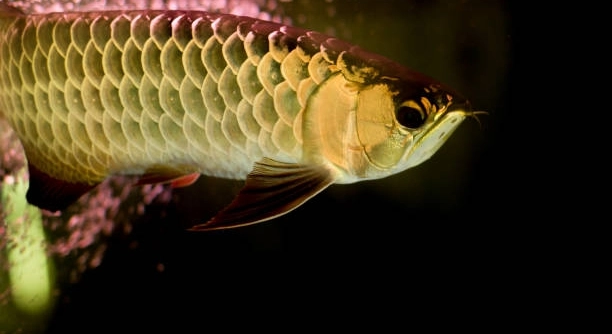
Consistent color helps reflect stable health, so I make a point to watch how my arowanas scales look under regular lighting. When colors appear vibrant and even, it usually means the environment supports its needs. Any slight dullness or patchy areas can signal changes in water quality, temperature, or mild stress. These shifts often appear gradually, so weekly notes help you notice trends before they turn into real concerns. Matching what you see with any recent changes in feeding, tank setup, or behavior helps you understand what might be influencing your fish.
I also like to observe coloration during different times of the day because lighting can make small differences easier to spot. If my arowana becomes pale during stressful moments or shows darker patches while resting, I include those details in my notes. Over time, these small observations reveal patterns that help you understand what conditions keep your fish comfortable. Adjusting lighting, improving water clarity, or refining the feeding schedule can help restore balanced color. When you keep your attention steady and consistent, you gain confidence in supporting your arowanas overall wellbeing.
Checking Surface Activity
Surface activity gives you a quick look at how your arowana uses its space and how comfortable it feels. When movement near the surface stays steady and natural, it often reflects balanced oxygen levels and a calm state supported by stable tank conditions.
I watch how my arowana approaches the surface throughout the week, paying attention to whether it rises smoothly or appears restless. Repeated pacing or frantic gasping can suggest oxygen changes, sudden stress, or shifts in water parameters. When surface activity looks calm, I know the environment feels consistent. Weekly review helps you spot small changes before they escalate into bigger concerns. Adjusting filtration flow, improving aeration, or reducing sudden disturbances can make a meaningful difference in how your arowana behaves near the top of the tank. Taking simple notes helps you understand these subtle shifts and keeps your care routine steady and effective.
Noting Respiratory Rhythm
Observing your arowanas breathing pattern each week helps you understand how well it is handling its environment. Smooth, steady breaths signal balance, while rapid or uneven breathing can hint at minor stress, temperature changes, or water quality shifts that need simple adjustments.
I like to watch how calmly my arowana moves its gills during different times of the day. Subtle changes appear quickly when something feels off. Making short weekly notes helps you react early, keeping the environment stable and supportive for your fish.
Recognizing Stress Indicators
Small signs of stress often show up before bigger issues, so keeping track of them weekly gives you helpful clarity. I pay attention to twitchy movements, hiding, sudden flinching, and any unusual reactions to normal activity around the tank. These behaviors grow easier to recognize when you observe consistently. When something feels even slightly different, I compare it with recent changes in lighting, loud noises, tank cleaning, or feeding adjustments. This simple habit creates a steady way to understand what affects your arowanas comfort, guiding you to make calm, supportive corrections.
Watching Social Responses
Social responses help reveal how relaxed your arowana feels in its space, especially when other tank activity influences its behavior. Weekly notes make it easier to see what interactions feel natural and which ones may need gentle adjustments.
FAQ
How often should I take notes on my arowanas reactions?
Weekly notes work well because they show patterns without overwhelming you. I like keeping observations simple and consistent, focusing on the same reactions each week. This pacing gives you enough information to notice changes while still keeping your routine calm and manageable.
What signs show that something might be wrong with my arowana?
Small shifts often appear first. Dull coloration, stiff swimming, rapid breathing, or pacing near the surface can signal that something in the environment feels off. When these changes happen, I check water quality, temperature, and any recent adjustments that might have influenced its comfort.
Why are coloration shifts important to track weekly?
Color reflects health more than many people realize. Bright, even color usually means the fish feels secure and balanced. When tones fade, darken, or become patchy, it often points to mild stress or environmental changes. Weekly tracking helps you notice soft shifts before they become bigger concerns.
What does irregular swimming behavior usually indicate?
Uneven motion, drifting, or stiff movements can signal discomfort. I look at how naturally my arowana moves across the tank and how smoothly it adjusts direction. Irregular motion often reflects water parameter changes or stress, so reviewing those details can give you clear next steps.
How can I tell if my arowana is stressed?
Stress shows up in small behaviors like hiding more than usual, twitchy reactions, sudden flinching, or avoiding areas it normally uses. When I see these signs, I review recent changes like noise, lighting, or water quality to understand what may have caused the shift.
Why does surface activity matter for weekly observations?
Surface behavior reveals how your arowana feels about oxygen levels, movement patterns, and overall comfort. Calm and steady behavior at the surface tells you the environment feels balanced. Restlessness or rapid gasping can signal issues that need quick but simple adjustments.
What respiratory changes should I watch for?
Breathing should appear smooth and steady. Rapid gill movement, gasping, or unusually slow breaths can point to discomfort. I check oxygenation, temperature, and water quality whenever I notice these patterns. Keeping weekly notes helps you understand what feels normal for your fish.
How do feeding habits reflect overall health?
Feeding behavior is one of the clearest windows into your arowanas wellbeing. A steady appetite shows comfort and stability. Hesitation, declining interest, or clumsy strikes can signal stress or environmental issues. Observing feeding moments each week helps you see these patterns more clearly.
Can minor changes in behavior be meaningful?
Yes. Small shifts often appear before major issues show up. Slight dullness in color, small adjustments in swimming, or subtle hesitation during feeding can all reflect early signs. Noting these changes helps you make gentle corrections before problems grow.
How can I create a simple routine for weekly tracking?
I find it helpful to observe the same reactions each week, keeping notes short and direct. I focus on feeding behavior, coloration, swimming stability, surface activity, respiratory rhythm, stress indicators, and social responses. Using a consistent list makes tracking easier and more effective.
What benefits come from long term observation?
Long term notes help you recognize patterns quickly. You begin to understand what feels normal and what feels different, giving you confidence when making adjustments. Over time, this steady attention supports a stable environment and helps your arowana thrive with calm, reliable care.
Final Thoughts
Caring for an arowana becomes easier when you keep your attention on small reactions that reflect how well it is adapting to its environment. Each behavior you track gives you a clearer understanding of its daily comfort, especially when you observe consistently without rushing the process. Staying patient helps you recognize natural patterns, making it easier to see when something begins to shift. I find that keeping notes simple allows you to understand what your fish needs without feeling overwhelmed. Over time, these steady observations create a sense of clarity, guiding you toward choices that keep the environment calm and supportive. This kind of attention helps your arowana settle into a stable routine, giving you confidence as you maintain its care with ease.
Weekly tracking works well because it shows trends instead of isolated moments. When you look at feeding behavior, swimming stability, coloration shifts, surface activity, respiratory rhythm, stress indicators, and social responses together, you see a fuller picture of your arowanas wellbeing. These details help you understand how small changes in the tank affect your fish in real ways. Whether you adjust lighting, improve water quality, or refine feeding habits, each step becomes more intentional when you understand the reactions behind them. This creates a care routine rooted in observation rather than assumption, supporting long term balance for your fish. I like how these steady notes remove guesswork, making caregiving feel calm and organized rather than complicated or rushed.
Building a simple routine around these reactions strengthens your connection to your arowanas needs. You begin to notice how it responds to adjustments, how quickly it adapts, and what conditions allow it to remain steady. These observations grow into natural habits, allowing you to care for your fish with clarity and consistency. The more familiar you become with its patterns, the better prepared you are to make small changes that protect its comfort. With time, this approach turns into a smooth rhythm that supports both you and your arowana. Keeping your focus on these manageable observations helps you maintain a balanced environment where your fish can thrive, giving you a grounded and reassuring way to guide its wellbeing each week.

Hello,
If you enjoy the content that we create, please consider saying a "Thank You!" by leaving a tip.
Every little bit helps us continue crafting quality advice that supports the health, happiness, and well-being of pets around the world, for pets of all shapes, sizes, and species.
We really appreciate the kindness and support that you show us!