
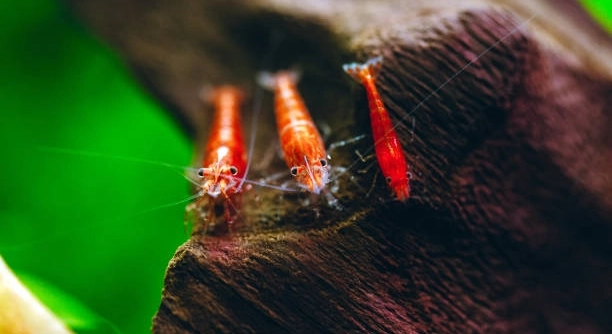
Have you ever noticed your shrimp acting a little different as it moves around the tank during the day? Subtle changes in behavior can reveal shifts that highlight important moments in your shrimps natural cycle.
Shrimp preparing to molt exhibit specific indicators including reduced activity, increased hiding, and a loosening exoskeleton. These signs reflect physiological adjustments linked to molting, providing cues that help aquarists identify this critical stage in the shrimps developmental cycle with confidence.
Understanding these indicators brings clarity to your shrimps behavior and prepares you to recognize the patterns that shape molting journey.
Reduced Activity Before Molting
Shrimp often slow down when they are getting close to shedding their old shell. Their movements become softer and less energetic as their bodies direct energy toward internal changes. You might see them resting more often or moving in short bursts rather than their usual steady pace. This shift can feel subtle at first, but it becomes clearer when you watch them for a little while. Their colors may also appear slightly muted as the new layer forms underneath. Paying attention to these small details helps you recognize when your shrimp needs a calmer environment. Minimizing stress during this time supports healthy development and helps prevent complications. A peaceful tank with stable conditions goes a long way during this delicate stage.
Noticing these slower movements gives you a helpful hint about what your shrimp is preparing for, especially when combined with other signs.
A decrease in activity often appears early in the molting process, making it one of the easiest indicators to observe. When your shrimp behaves in a more reserved way, it signals an internal shift that deserves gentle attention and consistent tank care. Creating a supportive environment helps your shrimp handle this stage more comfortably and reduces the chance of stress-related issues. Stable parameters and low disturbances can make a noticeable difference. Even small adjustments such as steady lighting and reduced tank noise can help. Watching for these calmer behaviors allows you to respond thoughtfully and maintain a steady environment.
Increased Hiding Behavior
Shrimp tend to hide more as they prepare to molt, choosing safe spots where they feel protected from tank activity.
During this period, hiding becomes an important behavior that helps your shrimp stay safe while its shell loosens. Since shrimps bodies feel softer, they naturally gravitate toward sheltered areas like plants, caves, or tight spaces where they can rest without disturbance. This behavior is completely normal and signals that their bodies are shifting toward the next stage. Offering plenty of hiding spots in the tank supports them during this sensitive time. It also helps reduce stress and keeps them from feeling exposed. Observing these patterns can give you a better understanding of their needs so you can maintain a stable and comfortable habitat. The more secure your shrimp feels, the smoother this stage can be.
Loosening of the Exoskeleton
A shrimp getting ready to molt often shows a slightly lifted or loosened outer shell along the back. This small change forms as the new layer develops underneath. The shell may look less rigid, giving you a subtle but important sign to watch for.
As the exoskeleton begins to separate, your shrimp may appear less vibrant since the old shell loses some of its normal tightness. This loosened section is most noticeable near the neck area where the split will occur. Keeping a calm environment helps your shrimp focus its energy on this stage without extra stress. Stable water parameters also support a smoother process. When you notice these physical shifts, it helps you understand how close your shrimp is to shedding its outer layer. Staying observant makes it easier to protect your shrimp from disturbances during this delicate period.
The loosened shell can also cause your shrimp to move more gently since the body underneath becomes more sensitive. Any sudden motions or tank disruptions may make it uncomfortable, so soft lighting and minimal handling of the tank are helpful. This stage highlights the importance of maintaining clean water and consistent temperatures. A stable tank reduces strain and helps your shrimp shed safely. Watching for these subtle changes allows you to respond with care and provide a setting that supports healthy molting.
Increased Feeding Before Molting
Some shrimp eat more before molting as they gather energy for the physical changes ahead. This small boost in appetite helps fuel the internal work happening beneath the surface, giving you another useful sign to look for.
A shrimp preparing for this stage may graze more frequently, picking at biofilm or moving from one food source to another with more interest than usual. This behavior often appears alongside other molting indicators you have already noticed. Offering light, nutritious food helps support your shrimp without overwhelming the tank. Keeping the water clean prevents leftover food from causing issues. When you pay attention to these feeding patterns, you gain a clearer sense of your shrimps needs. Consistency in care helps your shrimp handle this stage comfortably while reducing unnecessary stress.
Cloudier or Duller Coloration
Shrimp may appear slightly dull or cloudy as they approach molting. The older shell loses some of its usual clarity, making the shrimp look less bright. This soft shift in appearance is a natural part of the process and helps signal what is coming.
A cloudier look forms as the new layer develops beneath the old one. This subtle change becomes more noticeable when paired with other signs you have already observed. Keeping the tank conditions steady supports your shrimp through this stage and helps reduce unnecessary stress.
More Frequent Resting Periods
Shrimp preparing to molt often pause more between movements, choosing short breaks throughout the day. These resting moments help them conserve energy for the upcoming shed. Supporting them with stable water conditions allows these quiet periods to pass more smoothly.
Gentle Twitching Movements
Soft twitching may appear as your shrimp gets closer to molting. These tiny motions usually come from internal adjustments happening beneath the shell. Keeping a calm and steady environment helps your shrimp move through this stage with comfort.
FAQ
Why is my shrimp hiding so much?
Shrimp hide more when they are about to molt because their new exoskeleton is soft and vulnerable. Hiding provides protection from potential stress or aggression in the tank. Plants, decorations, and small caves offer safe spots, allowing your shrimp to rest quietly while the molting process progresses.
Is it normal for shrimp to stop eating before molting?
Yes, it is normal. Some shrimp reduce their food intake just before molting. Their body focuses energy on preparing the new shell and shedding the old one. A temporary decrease in appetite is expected, but if it lasts too long, ensure water parameters are stable and stressors are minimized.
How long does the molting process take?
The molting process can take a few hours to a couple of days, depending on the shrimp’s age, health, and species. Younger shrimp generally molt more frequently and faster, while older shrimp may take longer. Watching for physical signs helps predict when the process will occur.
Can I help my shrimp molt safely?
Yes, you can create a supportive environment. Keep water parameters stable, avoid sudden movements or disturbances in the tank, and provide hiding spaces. Offering a calcium-rich diet can also strengthen the new exoskeleton. Minimal interference during molting reduces stress and promotes successful shedding.
Why does my shrimp’s color look dull before molting?
Dull or cloudy coloration is a normal part of the molting cycle. The old exoskeleton loosens, and the new one forms underneath, giving the shrimp a muted appearance. This change is temporary and indicates the shrimp is progressing toward shedding its shell.
What should I do if my shrimp gets stuck while molting?
If a shrimp struggles to molt, avoid touching it directly. Ensure water conditions are optimal, including temperature, pH, and cleanliness. Sometimes, adding mineral supplements like calcium can help. Gently maintaining a calm tank environment gives the shrimp the best chance to finish shedding successfully.
Do shrimp molt more often as they grow?
Yes, younger shrimp molt more frequently because they grow rapidly and need to shed smaller exoskeletons often. As they mature, molting becomes less frequent. Observing molting patterns over time helps track growth and overall health in your shrimp population.
Can stress affect molting?
Stress can interfere with molting. Sudden changes in water temperature, aggressive tank mates, or frequent handling can delay or complicate the process. A calm, stable tank environment minimizes stress and helps shrimp molt safely and on schedule.
How can I tell if a shrimp has molted successfully?
After molting, a shrimp’s new shell will appear soft at first but gradually hardens. Successful molting can be confirmed if the shrimp resumes normal movement, eats normally, and displays brighter colors. The old exoskeleton is often found hidden or caught on decorations.
Is it necessary to remove the old shell?
Removing the old shell is optional. Many shrimp will eat it for extra nutrients, especially calcium, which helps strengthen the new exoskeleton. If you notice leftover pieces, you can leave them in the tank, as this behavior is natural and beneficial for their health.
Why do some shrimp molt in groups?
Shrimp sometimes molt around the same time due to synchronized environmental conditions like water temperature, food availability, and light cycles. This behavior reduces the risk of predation and increases survival, as multiple shrimp can complete the vulnerable process simultaneously.
Can a shrimp die during molting?
Unfortunately, yes. Molting is a vulnerable time, and complications like poor water quality, calcium deficiency, or stress can lead to death. Proper tank maintenance, diet, and hiding spaces reduce risks and increase the likelihood of safe molting for each shrimp.
How often should I check on shrimp during molting?
Check quietly and minimally. Observing behavior and water parameters is important, but frequent disturbances can stress the shrimp. A calm watchful approach ensures their safety and allows you to notice changes without interfering with the process.
Do all shrimp show the same signs before molting?
Signs vary slightly between species, but most exhibit reduced activity, hiding, color changes, and subtle twitching. Recognizing patterns specific to your shrimp helps you provide the right care and anticipate molting more accurately.
Can diet affect molting frequency?
Yes, a diet rich in calcium, protein, and essential nutrients supports proper exoskeleton development and can improve molting frequency and success. Balanced feeding ensures shrimp have the energy and minerals needed to molt safely and maintain healthy growth.
Why does my shrimp twitch during molting?
Twitching occurs as muscles adjust under the loosening exoskeleton. This is normal and usually temporary. Ensuring a calm, stress-free environment allows the shrimp to complete the molting process without interference, minimizing discomfort and potential injury.
Is molting harder for older shrimp?
Molting becomes less frequent and sometimes more difficult as shrimp age. Older exoskeletons can be tougher, requiring more energy to shed. Maintaining excellent water quality, proper nutrition, and safe hiding places becomes increasingly important for mature shrimp during this stage.
What are the signs of an incomplete molt?
Signs include a stuck or torn exoskeleton, lethargy, or inability to move normally. Immediate attention is required to optimize water conditions and minimize stress. Offering mineral-rich supplements and a calm environment can help the shrimp complete the molt successfully.
How can I encourage healthy molting habits?
Provide stable water parameters, plenty of hiding spaces, a varied diet rich in calcium and protein, and avoid frequent disturbances. Observing shrimp behavior and responding to early molting signs ensures consistent health and successful shedding cycles.
Are there external factors that trigger molting?
Yes, water temperature, light cycles, and food availability can influence molting frequency. Shrimp often respond to environmental cues to shed their exoskeleton at optimal times, so maintaining consistency in the tank supports predictable and safe molting.
Can shrimp molt without proper nutrition?
Poor nutrition can delay or complicate molting. Lack of calcium or protein can result in weak or incomplete shells, increasing the risk of injury or death. A balanced diet supports strong exoskeleton formation and smooth molting transitions.
What should I do if I notice multiple shrimp preparing to molt?
Provide extra hiding spaces and ensure water quality is optimal. Multiple shrimp molting simultaneously may require slightly more careful observation, but avoid disturbing them. Stability and calm conditions reduce stress and increase the likelihood of successful molting for the group.
Is it normal for shrimp to molt at different times?
Yes, even in the same tank, shrimp molt individually based on age, size, and growth rate. Observing each shrimp helps you understand its specific pattern and ensures you provide proper care when each is in a vulnerable state.
How does water quality impact molting?
Clean, stable water is critical for molting. Poor water conditions increase stress and can prevent successful shedding. Regular testing and maintenance ensure optimal parameters, which support healthier molts and reduce the risk of complications.
Can I tell when a shrimp will molt next?
Observing behavior, color changes, and shell loosening provides clues about when a shrimp is likely to molt. While exact timing varies, consistent patterns in your tank allow you to anticipate upcoming molts and prepare the environment accordingly.
Do shrimp eat their old shells every time?
Many shrimp consume their old exoskeleton for nutrients, especially calcium. However, some may leave it behind depending on availability and appetite. Both behaviors are normal and provide essential minerals for their new shell development.
Why do some shrimp molt more frequently than others?
Molting frequency depends on age, growth rate, species, and health. Younger shrimp grow faster and shed more often, while mature shrimp molt less frequently. Observing these differences helps tailor care for each shrimp and maintain healthy growth across the tank population.
What should I avoid during molting?
Avoid disturbing the tank, changing water parameters suddenly, or adding aggressive tank mates. Stressful conditions can lead to incomplete molts or injury. Calm, stable surroundings ensure your shrimp can complete molting safely and maintain healthy development.
How long after molting does the new shell harden?
The new exoskeleton takes several hours to a few days to fully harden. During this time, shrimp remain vulnerable, so it is important to minimize stress and ensure safe hiding spaces. Adequate minerals in the diet also support faster shell hardening.
Can molting problems indicate health issues?
Yes, repeated molting difficulties can signal nutritional deficiencies, poor water quality, or stress. Monitoring patterns and adjusting care as needed helps prevent ongoing problems and supports overall shrimp health.
Is it normal for shrimp to molt at night?
Yes, many shrimp prefer to molt during low-activity periods, often at night. This behavior reduces stress and predation risk. Observing tank activity can help explain why molts happen at specific times and guide how you maintain calm conditions.
What happens if a shrimp molts too often?
Excessive molting can indicate rapid growth, stress, or imbalances in water parameters. Frequent molts require close observation to ensure the shrimp is healthy, properly nourished, and that the tank environment supports safe shedding cycles.
Can molting affect shrimp behavior long-term?
Successful molts usually have little lasting effect, though frequent stress during molting can alter behavior. Stable conditions, proper diet, and safe hiding spots minimize long-term impacts and support normal activity patterns.
How can I prevent molting complications?
Maintain optimal water quality, provide mineral-rich food, offer hiding spaces, and minimize stress. Consistent monitoring ensures your shrimp can molt safely and develop a strong exoskeleton, reducing the risk of incomplete molts or injury.
Do all shrimp need the same care during molting?
Basic care is similar, but species differences matter. Observing your shrimp’s specific behavior and adjusting diet, hiding spaces, and water parameters ensures that each shrimp can molt safely according to its needs.
What signs indicate a successful molting cycle?
A shrimp moves normally, shows brighter coloration, eats regularly, and leaves the old shell behind. These signs confirm a smooth, successful molt and indicate that your tank environment is supporting healthy development.
Can tank mates interfere with molting?
Aggressive or curious tank mates may stress molting shrimp. Providing sufficient hiding spots and monitoring interactions minimizes disruptions. Ensuring safety allows shrimp to complete shedding without injury or interference.
How does temperature influence molting?
Stable, appropriate water temperature supports regular molting. Sudden fluctuations can delay or complicate the process. Keeping a consistent, suitable temperature helps shrimp shed smoothly and maintain proper growth.
Are there warning signs before a problematic molt?
Difficulty moving, extended hiding, torn exoskeleton, or lethargy can indicate a problematic molt. Immediate attention to water quality and stress factors can help prevent serious issues and support shrimp in completing the process.
Is it normal for shrimp to molt at different rates?
Yes, growth rate, age, and individual health create variation in molting frequency. Observing individual patterns ensures proper care for each shrimp and helps prevent complications in the tank.
Do stress and nutrition affect molting quality?
Yes, stress and poor nutrition can lead to weak or incomplete exoskeletons. Providing a calm tank environment and balanced diet ensures better molting outcomes and reduces risk of injury or death.
Can shrimp recover if a molt goes wrong?
Recovery is possible if water conditions are stable, nutrition is adequate, and stress is minimized. Sometimes, additional minerals or supplements help the shrimp complete the process safely. Quick intervention improves chances of survival.
How can I track molting patterns in my tank?
Observe hiding, feeding, coloration, and activity patterns regularly. Keeping a journal or notes on timing helps anticipate future molts and ensures each shrimp receives proper care during this vulnerable stage.
Is molting more difficult for older or larger shrimp?
Yes, older or larger shrimp may take longer and require more energy. Extra attention to diet, water quality, and safe hiding spots is important to support successful molting and reduce risk of complications.
Can I predict molting by shell appearance?
Yes, a slightly raised or loosened exoskeleton, dull coloration, and minor twitching indicate an upcoming molt. Watching for these physical signs helps anticipate molting events and adjust care accordingly.
Why do shrimp sometimes molt without warning?
Some shrimp molt quickly or with minimal warning due to individual growth spurts or environmental triggers. Regular observation of patterns helps you respond appropriately even if the signs are subtle.
Are there differences between male and female molting?
Females may molt slightly less frequently than males, and timing can be influenced by reproductive cycles. Observing behavior and physical changes specific to each gender helps provide tailored care.
What should I do if a shrimp molts outside of its usual schedule?
Ensure water parameters are stable, provide hiding spots, and avoid disturbing the tank. Occasional off-schedule molts are normal, especially for younger or rapidly growing shrimp. Monitoring conditions ensures safety and supports normal development.
Do all shrimp eat right after molting?
Not always. Some shrimp wait for their new shell to harden before resuming full feeding. This behavior is normal and allows them to recover energy while minimizing stress on the soft exoskeleton.
Can water hardness affect molting?
Yes, water hardness, especially calcium levels, directly influences shell strength. Soft water may slow or complicate molting, while adequate hardness supports proper exoskeleton formation and faster hardening.
How can I tell if a shrimp’s molt was incomplete?
Signs include a partially stuck shell, abnormal posture, lethargy, or lack of movement. Immediate attention to water parameters, nutrition, and stress reduction is required to help the shrimp complete the process safely.
Is it normal for multiple shrimp to show molting signs at the same time?
Yes, environmental consistency, temperature, and feeding schedules can synchronize molts in multiple shrimp. Providing enough hiding spots ensures all individuals complete the process without stress or interference.
How important is tank cleanliness during molting?
Very important. Clean water reduces stress and prevents infection, ensuring a safer and smoother molting process. Consistent maintenance supports overall shrimp health and successful exoskeleton development.
What are the long-term effects of poor molting conditions?
Repeated complications can cause growth issues, weakened exoskeletons, or increased mortality. Maintaining proper nutrition, water quality, and stress-free conditions prevents these problems and promotes healthy, consistent development.
Can I speed up the molting process?
Directly speeding up molting is not recommended. Focus on stable water conditions, proper diet, and minimizing stress. These factors naturally support timely and healthy molts without risking injury or failure.
Why do some shrimp molt more visibly than others?
Differences in species, size, and shell thickness affect visibility. Some shed in open areas, while others retreat to hidden spots. Observing patterns helps understand their behavior and care requirements.
Can tank lighting affect molting?
Harsh or fluctuating lighting can stress shrimp and interfere with molting. Consistent, moderate light encourages normal behavior and reduces potential disruptions during the vulnerable shedding period.
Is it necessary to monitor shrimp constantly during molting?
No, constant monitoring can stress shrimp. Periodic observation of behavior, hiding, and shell changes is sufficient. A calm and stable environment supports safe molting without unnecessary interference.
Can shrimp recover from a failed molt?
Recovery is possible if intervention is timely. Stabilizing water conditions, providing hiding spots, and offering mineral supplements can help shrimp complete the process and regain health.
What role does calcium play in molting?
Calcium strengthens the new exoskeleton and supports faster hardening. A diet with adequate calcium ensures safer molts, reduces complications, and maintains overall shell health for growing and adult shrimp.
How do I know when a shrimp is about to molt again?
Observing recurring patterns like hiding, reduced activity, feeding changes, shell loosening, and color dulling gives clues about upcoming molts. Tracking these signs helps anticipate events and maintain optimal care.
Are there behavioral changes after molting?
Yes, shrimp may move more cautiously while the new shell hardens. Gradually, normal activity resumes, feeding picks up, and colors brighten, indicating the exoskeleton is fully hardened and the shrimp is stable again.
Can molting be dangerous in community tanks?
Yes, aggressive or larger tank mates may stress molting shrimp or damage soft shells. Providing hiding spaces and monitoring interactions reduces risks and ensures successful, safe molts in mixed populations.
Do shrimp molt differently in small vs. large tanks?
Molting frequency is generally similar, but tank size affects hiding opportunities and stress levels. Larger tanks with more shelter often support calmer molts, while small tanks require careful placement of decorations and shelters for protection.
Is it normal for shrimp to molt at irregular intervals?
Yes, intervals vary by age, growth rate, diet, and environmental conditions. Occasional irregular molts are normal, and observing individual patterns helps ensure each shrimp receives proper care during vulnerable periods.
Can molting be influenced by tank mates’ behavior?
Yes, tank mates that are curious or aggressive can increase stress and delay molting. Providing enough hiding spots and ensuring peaceful tank conditions supports safe shedding for all shrimp.
What is the best way to observe molting without disturbing shrimp?
Watch from a distance, maintain calm lighting, and avoid tapping or moving the tank. Indirect observation through gentle monitoring allows you to notice signs without creating stress or interference.
Does water flow affect molting?
Strong currents may stress shrimp or displace them from hiding spots. Gentle or moderate flow supports oxygenation while minimizing disruption during the vulnerable molting phase.
How can I support a shrimp with a difficult molt?
Provide stable water, safe hiding spaces, and mineral-rich diet. Minimize disturbances, monitor health, and adjust water parameters if necessary. Calm, supportive care increases the chances of a successful molt.
Why do some shrimp molt in the open while others hide?
Individual preference, species traits, and perceived safety influence molting location. Providing choices like plants, caves, and open areas accommodates both behaviors and reduces stress.
Can repeated stressful molts affect lifespan?
Yes, frequent stress during molting can weaken shrimp, delay shell hardening, and reduce longevity. Stable conditions and minimal disturbances help preserve long-term health and promote safe molts.
Is molting affected by season or light cycles?
Changes in light and seasonal cues can influence molting patterns, as shrimp may respond to environmental rhythms. Consistent lighting and temperature help maintain predictable and safe shedding cycles.
Do all shrimp eat immediately after molting?
Some resume feeding quickly, while others wait until the new shell hardens. Both behaviors are normal, and observation ensures shrimp receive appropriate food once ready.
Can I prevent molting stress entirely?
Stress can’t be eliminated completely, but minimizing disturbances, providing hiding spots, and maintaining optimal conditions significantly reduces risks and supports safer molts.
Are there signs of molting problems I should record?
Yes, note lethargy, incomplete shell
Molting is a natural and necessary process for shrimp, and understanding it helps ensure their health and well-being. Every shrimp goes through molting as it grows, and each stage comes with its own set of behaviors and signs. Observing these changes closely allows you to identify when a shrimp is preparing to molt, during the molt, and afterward as it recovers. Many of the signs, like reduced activity, hiding, and shell loosening, are subtle at first, but they become easier to recognize with consistent observation. By paying attention to these indicators, you create a better environment for your shrimp and reduce the risk of stress or injury during this vulnerable stage.
Providing proper care during molting involves maintaining stable water conditions, offering hiding spots, and ensuring a balanced diet. Shrimp rely on the right environment to successfully shed their exoskeleton and develop a new, strong shell. Nutrients like calcium and protein are essential for supporting the new shell, and having clean water with stable temperature and pH reduces complications. Hiding spots such as plants, rocks, and small decorations give shrimp a secure place to rest while their new shell hardens. Avoiding sudden disturbances and minimizing stress during this time helps the shrimp feel safe and allows the molting process to proceed smoothly. Paying attention to their needs during molting demonstrates a proactive approach to shrimp care and contributes to their overall health.
Monitoring shrimp over time helps you understand their individual patterns and preferences. Some shrimp may molt more frequently or at different times than others, and each shrimp’s behavior can offer insights into its health. Keeping track of signs such as color changes, twitching, and feeding patterns helps you anticipate molting events and provide timely support. After molting, shrimp need time to regain strength and harden their new shell, and they may behave differently until fully recovered. Consistent observation and care during these periods improve survival rates and support healthy development. By creating a calm, stable, and well-maintained environment, you help shrimp thrive while making the molting process less stressful for both you and the shrimp. Overall, understanding these behaviors and responding appropriately ensures a safe and comfortable molting experience, supporting long-term growth and vitality for your shrimp.

Hello,
If you enjoy the content that we create, please consider saying a "Thank You!" by leaving a tip.
Every little bit helps us continue crafting quality advice that supports the health, happiness, and well-being of pets around the world, for pets of all shapes, sizes, and species.
We really appreciate the kindness and support that you show us!