
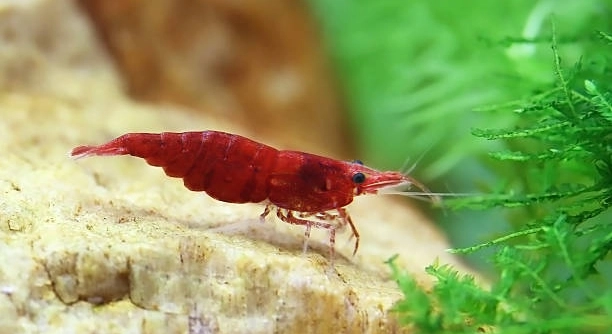
Cherry shrimp are small, colorful freshwater creatures that add life to aquariums. Their delicate movements and bright red hues make them popular among aquarists looking for a peaceful, vibrant addition to their tanks.
Cherry shrimp are naturally drawn to Java moss due to its dense, fine structure, which provides abundant surfaces for grazing, hiding, and breeding. The moss supports biofilm growth, offering essential nutrition and shelter, thereby enhancing shrimp health and overall activity.
Understanding this relationship can help you create a thriving environment, ensuring your shrimp feel safe, well-fed, and active in their aquatic home.
The Benefits of Java Moss for Cherry Shrimp
Java moss provides an ideal habitat for cherry shrimp. Its dense, tangled structure creates hiding spots, helping shrimp feel secure, especially during molting. The moss also fosters the growth of biofilm, which shrimp graze on for essential nutrients. This natural food source keeps them active and healthy without additional supplements. Over time, shrimp establish territories within the moss, reducing stress and aggressive encounters. Moreover, the moss absorbs excess nutrients in the tank, helping maintain cleaner water. Its slow growth makes it low-maintenance, and it can attach to rocks, driftwood, or substrate, creating a versatile setup. Many shrimp owners notice higher survival rates and more frequent breeding when Java moss is present. Its texture also allows juvenile shrimp to explore safely, improving their chances of reaching adulthood. Overall, Java moss contributes to both the physical and psychological well-being of cherry shrimp, making it a highly valued addition to aquariums.
The moss also adds aesthetic value, creating a natural, lush appearance while providing essential care for shrimp.
Cherry shrimp rely on both structure and nutrition. Java moss supplies surfaces for egg attachment and juvenile protection, supporting population growth. By maintaining biofilm-rich moss, you reduce the need for artificial feeding. The combination of shelter, food, and water quality improvement creates an optimal environment, encouraging shrimp activity and natural behaviors. Observing them interact with the moss highlights its importance in their daily life.
How to Maintain Java Moss for Shrimp
Regular maintenance is simple but necessary. Trim overgrown areas to prevent decay and ensure water circulation remains effective.
Maintaining Java moss requires balancing light, nutrients, and water flow. Moderate light promotes healthy growth without encouraging algae. Gentle water currents prevent debris accumulation while keeping the moss intact. Occasional pruning removes dead sections, preventing water quality issues. Using clean, soft water helps maintain the moss’s texture, which is crucial for shrimp safety. Avoid fertilizers with strong chemicals, as they can harm shrimp. Over time, moss will spread naturally over surfaces, creating an inviting environment for shrimp to explore, feed, and reproduce. Attention to these factors ensures the moss remains a reliable habitat that supports shrimp health and tank stability. Consistent care enhances both the appearance and functionality of Java moss, making it a sustainable choice for long-term shrimp keeping.
Feeding and Grazing Habits
Cherry shrimp graze constantly on biofilm, algae, and microorganisms that grow on Java moss. This behavior keeps them healthy while reducing the need for frequent supplemental feeding.
The moss provides a natural surface for biofilm to flourish, which is a primary food source for cherry shrimp. Their constant grazing helps maintain a balance in the tank’s ecosystem. By nibbling on the moss, shrimp consume essential nutrients and minerals that support growth, coloration, and molting. Young shrimp particularly benefit from this steady food source, as it increases their chances of survival. Grazing also stimulates natural behavior, making shrimp more active and curious. Without this constant availability of biofilm, shrimp may require extra feeding to meet their nutritional needs, which can increase the risk of overfeeding and water quality issues. Incorporating moss into the tank reduces these risks while supporting shrimp health.
Grazing on moss also aids in molting, as shrimp obtain the calcium and trace minerals they need. This natural feeding method encourages healthy growth and bright coloration over time.
Shelter and Breeding Benefits
Dense Java moss offers safe hiding spaces for adult and juvenile shrimp, reducing stress and vulnerability to tankmates.
Shelter within Java moss is critical for shrimp reproduction. Females can deposit eggs on the moss, where they remain protected from currents and potential threats. Juvenile shrimp hide in the moss until they are large enough to venture into open areas, increasing survival rates. The moss also encourages natural social behavior, as shrimp establish territories and interact safely. Its texture allows shrimp to cling and move freely without injury. By providing both protection and breeding sites, Java moss ensures a stable population. Maintaining dense, healthy moss supports continuous egg-laying cycles, helping sustain a thriving shrimp community. Regular observation of these behaviors confirms the importance of moss as both habitat and breeding ground.
Tank Health and Water Quality
Java moss helps stabilize water conditions by absorbing excess nutrients, which can reduce algae growth and maintain cleaner water. This contributes to a healthier environment for cherry shrimp, minimizing stress and promoting natural activity.
Moss also traps debris and prevents it from floating freely, improving overall water clarity. Regular gentle cleaning ensures it does not decay, maintaining both shrimp safety and water quality.
Ideal Placement in the Aquarium
Placing Java moss in areas with gentle water flow ensures nutrients reach all parts of the moss while preventing detritus buildup. Positioning it near hiding spots increases shrimp activity and security.
Observing Shrimp Behavior
Shrimp are more active and confident when Java moss is abundant. They explore, graze, and interact naturally, showing that the moss directly supports their well-being.
FAQ
How often should I trim Java moss for cherry shrimp?
Trimming Java moss once every two to three weeks helps maintain its health and prevents overcrowding. Removing excess growth allows water to circulate through the moss, reducing debris buildup and minimizing the risk of decay. Proper trimming also encourages denser, healthier moss, which supports both shrimp grazing and hiding spaces.
Can cherry shrimp survive without Java moss?
Yes, cherry shrimp can survive without Java moss, but their overall health and activity may decrease. Moss provides biofilm for grazing, shelter during molting, and safe breeding areas. Without it, you would need to provide alternative hiding spots, frequent feeding, and careful monitoring of water quality to keep shrimp healthy.
Is Java moss safe for other aquarium plants?
Java moss is compatible with most aquatic plants. Its slow growth and non-invasive nature prevent it from overshadowing other plants. It can attach to rocks, driftwood, or substrate without competing for nutrients, making it an ideal complement to live plant setups that support shrimp activity.
How do I prevent algae from growing on Java moss?
Moderate lighting and controlled nutrients are key to preventing algae. Too much light or excess fertilization encourages algae growth, which can compete with biofilm and reduce shrimp grazing efficiency. Regular gentle cleaning of moss and careful monitoring of tank conditions help maintain a healthy balance.
Can I attach Java moss to decorations or rocks?
Yes, attaching Java moss to decorations, rocks, or driftwood provides additional surfaces for shrimp to explore and graze. Use fishing line or mesh to secure it until it naturally anchors. This placement creates varied textures and hiding spots, enriching the shrimp’s environment and encouraging natural behaviors.
Does Java moss need CO2 or fertilizers?
Java moss does not require CO2 or heavy fertilization to thrive. It grows slowly in standard aquarium conditions with moderate light. While minimal nutrients can enhance growth, strong fertilizers may harm shrimp. Its low-maintenance nature makes it ideal for both beginner and experienced shrimp keepers.
Will Java moss affect water parameters?
Java moss is neutral regarding water parameters. It can slightly absorb nitrates and phosphates, contributing to cleaner water. However, it does not significantly alter pH, hardness, or temperature. Regular water testing ensures that the tank remains safe for shrimp while maintaining stable conditions for moss growth.
How do I propagate Java moss?
Propagation is simple: trim healthy portions and reattach them to new surfaces or let them float. Moss will gradually attach and spread. Propagation supports continuous growth, maintains density for shrimp hiding spaces, and allows you to create multiple areas with biofilm for grazing.
Can shrimp eat dead or decaying Java moss?
Shrimp may nibble on decaying moss, but it should not be their main food source. Regularly removing dead sections prevents water quality issues. Healthy moss provides more nutrients and biofilm, which is safer and more beneficial for shrimp.
How long does it take for Java moss to grow densely?
Under moderate light and clean water conditions, Java moss begins forming dense mats within a few weeks to months. Growth depends on water quality, temperature, and pruning practices. Dense moss mats create ideal grazing and hiding areas, supporting both shrimp health and natural behaviors.
Is Java moss suitable for shrimp breeding?
Yes, Java moss is excellent for breeding. Females deposit eggs within its dense strands, and juveniles use it for protection. The moss reduces stress, increases survival rates, and encourages natural reproductive behavior. A well-maintained moss mat supports continuous breeding cycles and a thriving shrimp population.
How do I clean Java moss without harming shrimp?
Gently rinse moss in tank water during routine maintenance to remove debris. Avoid using tap water with chlorine or strong chemicals, as this can harm both moss and shrimp. Light cleaning maintains healthy moss while keeping shrimp safe.
Can Java moss survive in cold water tanks?
Java moss tolerates a wide temperature range, including cooler conditions. It can thrive in temperate shrimp tanks without special heating, although growth may slow slightly in lower temperatures. Its adaptability makes it suitable for various freshwater shrimp setups.
How much Java moss is ideal for a shrimp tank?
Covering 30–50% of the tank with Java moss usually provides sufficient hiding spaces and grazing surfaces. Overcrowding can restrict water flow and trap debris, so balance is important. Even sparse moss offers benefits, but denser mats improve shrimp activity and survival.
Does Java moss need special lighting?
Moderate lighting is sufficient for healthy growth. Too intense lighting can encourage algae, while too little slows growth. Standard aquarium lights for freshwater setups typically meet the moss’s needs without additional equipment.
How long does Java moss live?
Java moss is perennial under proper care. With regular trimming, adequate light, and clean water, it can thrive for years. Healthy moss continuously regenerates, supporting ongoing grazing, breeding, and shelter for shrimp throughout its life.
Can I use Java moss in a community tank?
Yes, Java moss works well in community tanks. Small fish, snails, and shrimp coexist with it safely. Its dense growth provides hiding spots for timid species while supporting grazing and natural behaviors for shrimp, creating a balanced environment for multiple aquatic inhabitants.
Does Java moss require substrate to grow?
No, Java moss does not need substrate. It can attach to rocks, wood, or float freely. While substrate may help anchor it initially, moss spreads naturally over time, providing grazing and hiding areas regardless of its attachment method.
Can I combine Java moss with other moss types?
Combining moss types is possible and can create varied textures and grazing surfaces. Ensure similar lighting and water conditions to prevent one moss from outcompeting another. Mixed moss setups enrich the tank environment for shrimp and promote natural behaviors.
How do I prevent Java moss from decaying?
Regular trimming, moderate light, and clean water prevent decay. Remove dead fragments promptly to maintain water quality. Healthy moss thrives in well-maintained tanks, providing long-term benefits for shrimp grazing, hiding, and breeding activities.
This FAQ section covers common concerns and practical advice for integrating Java moss into a cherry shrimp tank, ensuring both plant and shrimp thrive together.
Final Thoughts
Java moss is one of the most practical additions to a cherry shrimp tank. Its simple care requirements and slow growth make it suitable for both new and experienced shrimp keepers. Beyond aesthetics, the moss provides a stable environment, offering hiding spaces for shrimp during molting and areas for juveniles to feel safe. By creating natural shelters, it reduces stress and supports healthier shrimp behavior. Over time, these sheltered spaces also encourage activity and exploration, helping shrimp stay active and maintain their natural routines. Even in small tanks, moss can be positioned on rocks, driftwood, or substrate to maximize space and create a balanced, natural-looking environment.
The moss also plays a key role in supporting shrimp nutrition. It fosters biofilm growth, which is a primary grazing source for shrimp of all ages. This biofilm provides essential nutrients, trace minerals, and microorganisms that help shrimp grow strong and maintain bright coloration. Juvenile shrimp benefit especially from consistent access to biofilm, which increases survival rates and supports natural development. Adults also use the moss for grazing, which reduces the need for frequent supplemental feeding. When the moss is dense and well-maintained, it can sustain a small shrimp population with minimal intervention, creating a self-supporting ecosystem. This combination of shelter and nutrition makes Java moss highly valuable in freshwater aquariums.
Maintaining Java moss is straightforward, yet consistent attention ensures long-term success. Regular trimming prevents overcrowding and decay while promoting dense, healthy growth. Light and water conditions should be monitored to prevent algae buildup or stagnation. The moss’s adaptability allows it to thrive in a wide range of water temperatures and conditions without special care, making it a versatile option for many aquarium setups. With proper placement and maintenance, Java moss not only supports shrimp health and breeding but also contributes to water clarity and overall tank stability. By incorporating Java moss, shrimp keepers create a safe, nutritious, and visually appealing environment that promotes natural behaviors and long-term wellbeing for their cherry shrimp.

Hello,
If you enjoy the content that we create, please consider saying a "Thank You!" by leaving a tip.
Every little bit helps us continue crafting quality advice that supports the health, happiness, and well-being of pets around the world, for pets of all shapes, sizes, and species.
We really appreciate the kindness and support that you show us!