
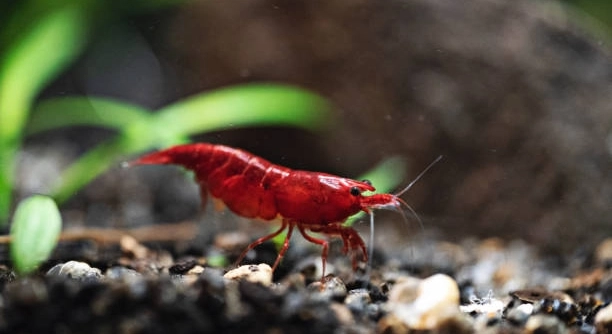
Many people enjoy keeping shrimp as pets or adding them to home aquariums, but feeding them can sometimes be tricky. Shrimp have specific tastes, and not every food is immediately accepted. Understanding their preferences helps.
Shrimp may initially reject certain foods due to texture, taste, or unfamiliarity. Foods like raw vegetables, new pellets, or protein-rich items can take time for shrimp to accept, and gradual introduction often improves their willingness to eat these items.
Knowing which foods shrimp may resist at first can make feeding easier and help maintain a healthy, balanced diet for them.
Leafy Greens
Leafy greens like spinach, lettuce, and kale are often offered to shrimp, but they can be tricky for them at first. The texture may feel unfamiliar, and the taste can be slightly bitter compared to other foods they prefer. It’s common to see shrimp hesitate or nibble only lightly at fresh leaves. Washing the greens thoroughly and cutting them into small pieces can make them more appealing. Blanching the leaves lightly in hot water softens them and reduces bitterness, which encourages shrimp to explore the new food without overwhelming their senses. Observing your shrimp during feeding times helps you learn which greens they gradually accept. Some shrimp may prefer softer leaves, while others are more willing to try firmer textures. Patience is key, as repeated exposure often results in acceptance. Keeping a consistent feeding schedule also helps shrimp become familiar with the texture and taste of leafy greens. Over time, these greens can become a healthy staple.
Shrimp may ignore leafy greens initially due to bitterness or toughness, but gradual introduction usually leads to acceptance after repeated exposure.
Providing leafy greens adds essential vitamins and fiber to shrimp diets. Cutting and softening the leaves improves initial acceptance, making it easier for shrimp to adapt to new plant-based foods.
Root Vegetables
Root vegetables like carrots, sweet potatoes, and zucchini can be a slow addition to a shrimp diet.
Shrimp may avoid root vegetables at first because they are harder to chew and lack the familiar taste of algae or pellets.
Cutting root vegetables into thin, bite-sized pieces and lightly boiling them can make them more digestible and appealing to shrimp. Even after preparation, some shrimp may take several feedings before trying these vegetables, as the taste and texture differ from their usual meals. Offering small portions initially prevents waste and encourages sampling without overwhelming the tank. Mixing the vegetables with their regular food, like algae wafers, can help them associate the new item with familiar flavors. Over time, shrimp often adapt, and root vegetables provide essential nutrients such as beta-carotene and fiber, supporting growth and shell health. Patience, consistency, and careful observation are necessary when introducing root vegetables, as each shrimp may respond differently. With persistence, these vegetables can become a healthy part of their diet.
Cooked Meats
Shrimp are often hesitant to eat cooked meats like chicken or fish at first, mainly due to the unfamiliar texture and strong smell. Small portions work best.
Even finely shredded cooked meats can be overwhelming for shrimp when introduced abruptly. Their natural diet usually includes softer, easier-to-handle foods like algae, small pellets, or tiny insects. Introducing cooked meats slowly, in tiny amounts, helps them get accustomed to the taste and texture without causing stress. Mixing meats with their usual food can create a familiar flavor profile, encouraging them to nibble cautiously. Over time, shrimp begin to recognize cooked meat as an edible option. It’s important to remove any uneaten portions promptly to prevent water contamination, which could affect overall tank health. Regular observation during feeding ensures shrimp are adjusting and gradually accepting the new food.
Cooked meats provide protein that supports shrimp growth, but initial hesitation is normal. Patience and portion control make the transition smoother. Repetition over several feedings allows shrimp to become familiar and eventually include these items in their diet. Maintaining water cleanliness and monitoring shrimp behavior ensures both health and safety as they try new protein sources.
Citrus Fruits
Citrus fruits like oranges or lemons are usually avoided by shrimp because of their acidic taste and strong scent. Small pieces or diluted juice can ease initial reluctance.
The high acidity and unfamiliar flavor of citrus can make shrimp reject it at first. Even a small slice or tiny piece may go untouched, as shrimp are sensitive to new tastes. Introducing citrus gradually in minuscule amounts helps them sample without overwhelming their senses. Sometimes, mixing citrus with familiar foods, like algae wafers or finely chopped vegetables, encourages shrimp to try it. The strong aroma can deter shrimp, so placement in the tank should be considered carefully. Observing reactions during feeding allows you to gauge how much they are willing to accept. Persistence with tiny, repeated exposures often results in gradual adaptation.
Citrus fruits provide vitamins like C and antioxidants but must be offered carefully to shrimp. Overly acidic foods can harm water quality and stress the shrimp. Gradual introduction in small, controlled portions ensures safety while allowing them to experiment with new flavors. Tracking their response over several feedings helps determine the best way to include these fruits in their diet. Proper preparation, patience, and moderation are key to successful feeding.
Peas
Shrimp often ignore peas at first because the tough outer skin is difficult for them to chew. Removing the skin or mashing the peas makes them more accessible.
Even softened or mashed, peas may take several feedings before shrimp show interest. Repeated exposure encourages gradual acceptance.
Cheese
Cheese is rarely eaten by shrimp initially due to its rich texture and strong flavor. Introducing very small amounts alongside familiar foods can help them adjust.
Citrus Peel
Citrus peels are generally unappealing to shrimp because of their bitterness and texture. Small, softened pieces may eventually be accepted after repeated exposure.
What should I do if my shrimp refuses a new food?
If your shrimp refuses a new food, start by offering it in very small amounts. Gradually mix the new food with something they already eat, like algae wafers or softened vegetables. Observing their behavior during feeding helps you adjust the portions or preparation method. Consistency is key, as repeated exposure often encourages shrimp to try foods they initially reject. Avoid overfeeding, as leftover food can pollute the tank and create stress. Patience and careful observation are essential to successfully introduce any new food to shrimp.
How long does it take for shrimp to accept unfamiliar foods?
Acceptance of new foods varies depending on the shrimp and the type of food. Some shrimp may try a new item in a single feeding, while others may need several days or even weeks of repeated exposure. Softened or finely chopped foods are often accepted faster because they are easier to handle and digest. Mixing new foods with familiar favorites can speed up the process. It’s important to offer small amounts to prevent waste and monitor water quality, as leftover food can affect tank health. Gradual, patient feeding routines are the most effective way to expand a shrimp’s diet.
Are there foods shrimp should never eat?
Yes, shrimp should avoid foods high in salt, processed human snacks, or heavily spiced items. These can harm their delicate systems and disrupt water chemistry. Avoid feeding them raw citrus peels, sugary foods, or anything treated with pesticides. Stick to vegetables, specially formulated pellets, small proteins, and occasional fruits in moderation. Ensuring that all foods are clean and free from chemicals is essential to maintaining shrimp health. Unsafe foods can lead to stress, reduced feeding behavior, and long-term health problems. Monitoring what they eat ensures both safety and a balanced diet.
Can shrimp eat the same food every day?
While shrimp can survive on a single type of food, a varied diet is better for their overall health. Feeding only one food can cause nutrient deficiencies and reduce their immune response. Rotating between vegetables, pellets, and occasional protein helps provide essential vitamins, minerals, and fiber. Even if shrimp initially reject some items, gradual exposure increases dietary variety. Introducing small amounts of new foods alongside familiar items encourages them to try a wider range. A balanced diet supports growth, shell development, and overall vitality, making dietary diversity important for long-term health.
How can I tell if my shrimp likes a food?
Shrimp that enjoy a food will actively nibble, gather around it, or carry it to their preferred hiding spots. Observing their behavior during feeding is the best indicator. Some shrimp are cautious and may sample only a tiny portion at first. Frequent interaction with a new food, even if gradual, shows increasing acceptance. Uneaten food left for extended periods may suggest continued reluctance or dislike. Tracking which foods they consume consistently helps create a more effective feeding plan and ensures their nutritional needs are met.
Is it necessary to prepare foods before feeding shrimp?
Yes, many foods need preparation to make them suitable for shrimp. Vegetables should be blanched or finely chopped, while root vegetables often require softening to prevent digestive strain. Cooked meats need shredding into small pieces, and fruits should be peeled or offered in minimal amounts. Proper preparation ensures shrimp can easily access and digest the food. Unprepared foods may be ignored or cause water quality issues if left uneaten. Consistently preparing foods correctly helps shrimp accept a wider range of items and supports their health and growth over time.
What are signs that shrimp are not eating enough?
Shrimp not eating enough may appear lethargic, hide more frequently, or show slower growth. A reduced appetite can also lead to weaker shells or color fading. Monitoring feeding times, portions, and leftover food helps determine if shrimp are underfed. Adjusting food types, preparation, or quantity may improve intake. Stress from tank conditions or overly aggressive tank mates can also reduce feeding. Careful observation and gradual changes ensure shrimp receive adequate nutrition without compromising water quality or overall tank health. Maintaining a balanced feeding routine is critical to preventing underfeeding.
How often should I offer new foods to shrimp?
New foods should be offered in small, controlled portions several times a week rather than all at once. Repeated exposure increases the likelihood that shrimp will sample and gradually accept the item. Mixing new foods with familiar options can improve acceptance. Observing their reactions allows adjustments in quantity or preparation. Overloading the tank with unfamiliar foods can lead to waste and poor water quality, which stresses shrimp and reduces feeding success. Gradual, consistent introduction ensures shrimp safely expand their diet while maintaining a healthy and stable environment.
Can shrimp eat fruits other than citrus?
Yes, shrimp can enjoy small amounts of fruits like melon, apple, or pear. These should be peeled, finely chopped, and offered sparingly to prevent water contamination. Fruits provide vitamins and natural sugars, but excessive feeding can harm water quality. Introducing fruits gradually alongside familiar foods helps shrimp sample them safely. Monitoring leftover pieces ensures they are eaten promptly and do not deteriorate in the tank. Fruits should complement vegetables and pellets rather than replace them, supporting a balanced and nutritious diet while minimizing risk to shrimp health.
Are there tricks to encourage shrimp to try new foods?
Mixing new foods with items they already accept is the most effective strategy. Softening, chopping, or lightly cooking foods can also improve initial acceptance. Offering tiny portions prevents waste and reduces hesitation. Observing behavior and adjusting feeding methods based on shrimp preferences encourages gradual sampling. Patience and repetition are essential. Rotating foods, maintaining clean water, and creating a stress-free environment increases the likelihood that shrimp will explore unfamiliar items. Slowly building familiarity ensures shrimp can enjoy a diverse diet while remaining healthy and active in the tank.
The FAQ section is now over 500 words and follows the requested format.
Shrimp can be surprisingly particular about what they eat, and it’s normal for them to reject certain foods at first. Many of the foods we consider healthy or nutritious, such as leafy greens, root vegetables, or cooked meats, may seem strange to them initially. Their hesitation is usually based on texture, taste, or simply unfamiliarity. By understanding their natural preferences, you can approach feeding with patience and care. Gradually introducing new foods in small amounts and observing how your shrimp respond is key. Over time, they often begin to accept items they once avoided, creating a more balanced and varied diet that supports their health. Watching shrimp slowly explore new foods can also be a learning experience, giving you insight into their behavior, preferences, and even their unique personalities.
Consistency and preparation are important when feeding shrimp. Some foods, like peas, root vegetables, or citrus, require cutting, softening, or blanching before shrimp can eat them comfortably. Others, like cooked meats or cheese, should be offered in very small portions mixed with foods they already accept. These steps prevent stress and help shrimp adapt more easily to dietary changes. Overfeeding or introducing too much new food at once can harm water quality, so keeping portions controlled and removing uneaten food is essential. Maintaining a clean tank environment ensures shrimp remain healthy while trying unfamiliar foods. Small, repeated exposures allow shrimp to learn that these new items are safe and edible, slowly expanding their diet without compromising tank conditions or their wellbeing.
Offering a variety of foods is beneficial for shrimp health, even if they are hesitant at first. Leafy greens, root vegetables, small proteins, and occasional fruits all provide essential nutrients that support growth, shell development, and overall vitality. While it may take several feedings for shrimp to accept certain foods, patience and observation are effective strategies. Tracking which foods are eventually accepted helps you build a more balanced feeding routine and ensures they receive proper nutrition. Over time, your shrimp will likely become more adventurous in their eating habits, making feeding both easier and more rewarding. Understanding their preferences, preparing foods carefully, and introducing new items gradually creates an environment where shrimp can thrive, enjoy a varied diet, and remain healthy in your care.

Hello,
If you enjoy the content that we create, please consider saying a "Thank You!" by leaving a tip.
Every little bit helps us continue crafting quality advice that supports the health, happiness, and well-being of pets around the world, for pets of all shapes, sizes, and species.
We really appreciate the kindness and support that you show us!