
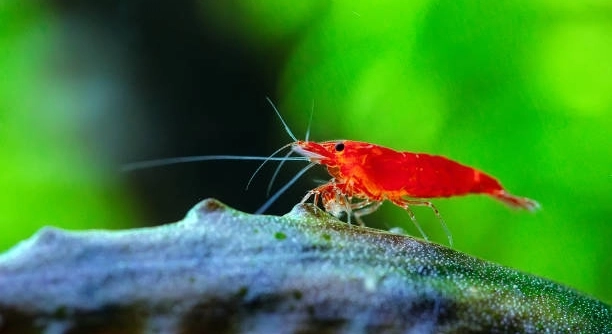
Do you enjoy keeping cherry shrimp but notice that some seem more active or cautious than others in your tank? Observing their behavior can make you wonder if they have distinct personalities, even in such small creatures.
Cherry shrimp do exhibit individual temperaments. Some shrimp display bolder behaviors, exploring their environment actively, while others remain cautious, preferring to stay hidden. These behavioral differences are influenced by genetics, social interactions, and environmental conditions in the aquarium.
Understanding these small differences can improve how you care for them and maintain a harmonious tank environment for all your shrimp.
Recognizing Individual Behaviors
When you watch cherry shrimp, you may notice some exploring every corner of the tank while others stick to plants or hiding spots. Active shrimp tend to swim confidently, searching for food and interacting with their surroundings, while shy shrimp move slowly and retreat when approached. Their behavior is often subtle, but consistent over time. Feeding time can highlight differences, as some shrimp rush to claim food while others wait or cautiously nibble at smaller portions. Even among shrimp of the same age and size, personalities can vary, showing that temperament is not solely based on external factors. Environmental elements like water temperature, tank layout, and presence of other shrimp influence behavior, but inherent traits play a key role. Observing patterns over days or weeks can help identify each shrimp’s tendencies. By noticing these behaviors, you gain insight into their social dynamics and how to arrange hiding spots, plants, and feeding areas to reduce stress and maintain balance.
Individual behaviors influence interactions within the tank, shaping how shrimp coexist and establish territories.
Monitoring these differences helps prevent stress-related problems and ensures that each shrimp has the space and resources to thrive comfortably. Paying attention to who explores, hides, or dominates feeding areas allows you to adjust tank setups accordingly. Shy shrimp may benefit from more cover, while active shrimp enjoy open swimming areas. This observation also aids in breeding decisions, as understanding personalities can affect which shrimp pair well together. Recognizing behavioral patterns strengthens your ability to maintain a healthy, balanced aquarium and improves your appreciation for each shrimp’s unique traits.
Factors Affecting Temperament
Genetics, social hierarchy, and environmental conditions all contribute to individual temperament.
Temperament in cherry shrimp is shaped by several interacting factors. Genetics determine baseline tendencies, such as boldness or caution, while social interactions influence confidence and territorial behavior. Environmental factors, including water parameters, tank size, and availability of hiding spots, impact stress levels and activity. Changes in diet, lighting, or tank companions can also alter how shrimp behave. Observing shrimp over time helps identify whether differences are innate or response-driven. A stable environment encourages natural behavior to emerge, making it easier to notice individual temperaments. Managing these factors carefully allows each shrimp to express its personality while reducing conflicts or stress within the tank. By creating conditions that respect both individual and social needs, you can support healthy behavior patterns and maintain a thriving community.
Observing Feeding Behavior
Some cherry shrimp are quick to approach food, while others hang back or nibble cautiously. These differences show that even small shrimp can have distinct feeding habits that reflect their individual temperament and comfort level within the tank.
Active shrimp often dominate feeding times, swimming confidently to the offered food and taking larger portions. Shy shrimp may wait until the dominant shrimp move away or retreat to safer spots to eat smaller amounts. Over time, this behavior can help identify which shrimp are bolder and which prefer caution. Recognizing these patterns can guide how you distribute food and maintain harmony in the tank. Providing multiple feeding spots or scattering food can ensure all shrimp receive adequate nutrition, reducing stress and competition.
Feeding observations also reveal how shrimp interact with each other. Some may show curiosity, following others, while others ignore companions entirely. These interactions provide insight into social hierarchy, confidence levels, and personality traits, giving you a clearer understanding of each shrimp’s behavior and preferences.
Environmental Influence
Tank layout and water conditions significantly affect shrimp behavior and temperament.
Shrimp react differently to the same environment. A tank with plenty of plants, hiding spaces, and gentle water flow encourages shy shrimp to explore more confidently, while crowded or barren tanks increase stress and reclusive behavior. Water quality is equally important; unstable parameters can make even bold shrimp behave cautiously. Consistent lighting and temperature promote natural activity patterns and reduce sudden behavioral changes. Observing how shrimp respond to adjustments in their environment allows you to support their natural tendencies and improve overall well-being.
Environmental factors can also influence social interactions. Shrimp may establish territories or prefer certain areas depending on plant density, substrate type, or decorations. Providing diverse microhabitats lets both active and cautious shrimp find spaces where they feel secure. Adjusting water flow, adding moss or hiding spots, and maintaining stable water chemistry encourages balanced behavior across all shrimp, reducing stress and competition while allowing individual personalities to emerge. This careful management ensures a harmonious tank and healthier, more active shrimp.
Social Interactions
Cherry shrimp interact in subtle ways, like following each other or sharing hiding spots. Observing these interactions reveals which shrimp are more social and which prefer to stay isolated, reflecting their individual temperaments.
Dominant shrimp often take the lead, exploring first or claiming preferred areas. Shy shrimp may stay back, avoiding conflict and following the movements of bolder tank mates.
Stress Response
Shrimp react differently to stress, showing how temperament influences their coping strategies. Some retreat quickly, hiding among plants or decorations, while others continue moving cautiously despite disturbances. Stressful changes, such as sudden water shifts or added tank mates, highlight these behavioral differences.
Breeding Considerations
Temperament can affect breeding success in cherry shrimp. Bold shrimp are more likely to explore, find mates, and lay eggs in open areas, while shy shrimp may prefer secluded spots, requiring careful observation to ensure successful reproduction.
Activity Levels
Individual activity levels vary widely. Some shrimp swim constantly and interact with others, while others move slowly or remain mostly in one area, reflecting natural personality differences.
FAQ
Do cherry shrimp really have unique personalities?
Yes, cherry shrimp show individual differences in behavior. Some are more active, exploring their environment and interacting with tank mates, while others are shy, preferring to hide or stay in one area. These behaviors remain consistent over time, demonstrating that even small shrimp can have distinct temperaments.
How can I tell which shrimp is shy or bold?
Observing daily activities is key. Bold shrimp approach food quickly, explore open areas, and follow companions. Shy shrimp move slowly, stay near hiding spots, and wait for others to leave before venturing out. Tracking patterns over several days helps identify personality traits reliably.
Does tank setup affect shrimp behavior?
Absolutely. A tank with plants, moss, and hiding spaces encourages shy shrimp to explore, while a bare or crowded tank increases stress and reclusive behavior. Gentle water flow and stable water conditions also help shrimp feel secure and maintain natural activity levels.
Can temperament change over time?
Yes, environmental changes or social dynamics can influence behavior. A previously shy shrimp may become more active in a comfortable, stable tank, while dominant shrimp may adjust if new individuals are introduced. Genetics set a baseline, but conditions can modify expression of temperament.
Do bold shrimp eat more than shy shrimp?
Often, yes. Bold shrimp are quicker at claiming food, while shy shrimp may nibble cautiously or wait until food is left behind. Providing multiple feeding spots ensures all shrimp get enough nutrition and prevents stress or competition from dominating shrimp.
Does personality affect breeding?
Temperament plays a role in reproduction. Bold shrimp are more likely to explore, find mates, and lay eggs in open areas. Shy shrimp prefer secluded spots, so careful observation is needed to ensure successful mating. Providing diverse hiding spaces supports both types during breeding.
How does social hierarchy influence behavior?
Shrimp establish subtle hierarchies. Dominant individuals may claim favorite areas or lead during exploration, while subordinate shrimp follow or avoid conflict. Recognizing these patterns allows adjustments in tank layout, such as more hiding spots or scattered food, to reduce stress and maintain balance.
Can I encourage shy shrimp to be more active?
Yes, by providing stable water conditions, gentle lighting, and safe hiding places, shy shrimp gradually gain confidence. Avoid sudden changes or disturbances, and give them time to explore their surroundings. Over time, they may become more active and interactive.
Do shrimp show curiosity toward new objects?
Behavior varies by temperament. Bold shrimp investigate new objects immediately, touching and exploring them, while shy shrimp keep their distance, observing quietly. Introducing decorations gradually helps all shrimp acclimate and express natural curiosity without stress.
Is it important to observe shrimp individually?
Yes, careful observation of each shrimp helps you understand personalities, feeding habits, and social roles. Tracking behavior over time improves tank management, ensures all shrimp are healthy and nourished, and allows adjustments to environment or feeding practices to suit each temperament.
How do I reduce stress for my shrimp?
Provide stable water parameters, adequate hiding spots, and consistent feeding routines. Avoid overcrowding and sudden changes in lighting, temperature, or tank additions. Respect individual differences, ensuring shy shrimp have safe areas while bold shrimp have space to explore freely.
Can temperament affect lifespan?
Indirectly, yes. Shy shrimp that are constantly stressed may eat less or avoid optimal areas, impacting health. Bold shrimp in high-stress situations may overexpose themselves. Providing a balanced environment supports all temperaments, promoting healthier, longer-lived shrimp.
Do shrimp interact differently with different tank mates?
Behavior can change depending on companions. Some shrimp are more assertive with peaceful tank mates, while shy individuals may retreat around aggressive or larger species. Observing interactions helps ensure harmony and prevent stress, allowing each shrimp’s personality to emerge safely.
How detailed should I track shrimp behavior?
Even simple notes on feeding habits, exploration, and hiding patterns are helpful. Recording over days or weeks provides insight into temperament, social roles, and health. Consistent observation allows you to detect changes early and make informed care decisions.
Can environmental enrichment improve shrimp behavior?
Yes, adding plants, moss, driftwood, and varied substrates encourages natural exploration and reduces stress. Bold and shy shrimp benefit differently, so providing diverse spaces lets each shrimp interact comfortably with its surroundings. Enrichment supports activity, curiosity, and overall well-being in the tank.
Is it normal for some shrimp to be mostly inactive?
Yes, inactivity often reflects natural temperament or comfort levels. Shy shrimp may spend more time hiding or resting. Ensuring adequate hiding spots, stable conditions, and gentle feeding helps them engage safely while respecting their cautious nature.
How long does it take to understand individual temperaments?
A few weeks of consistent observation usually reveals patterns. Tracking feeding, movement, and interactions helps distinguish bold from shy shrimp. Patience is key, as behavior can vary slightly day to day, but consistent traits will become clear over time.
Can temperament affect how shrimp clean the tank?
Yes. Bold shrimp often explore and graze on surfaces more actively, while shy shrimp may clean only near safe zones. Both contribute to tank maintenance, but recognizing differences allows you to ensure all areas are covered and shrimp remain healthy.
Do shrimp personalities influence group behavior?
Individual temperament affects the whole tank. Bold shrimp lead exploration and food gathering, while shy shrimp adapt by following or avoiding conflict. Understanding group dynamics helps maintain harmony and reduces stress, allowing all shrimp to express their natural behaviors without tension.
Is it worth observing shrimp personalities regularly?
Absolutely. Regular observation helps identify health issues, adjust feeding, improve tank design, and support breeding. It enhances understanding of each shrimp’s needs and creates a balanced environment where all temperaments can thrive. Consistent care ensures long-term well-being and natural behavior expression.
Final Thoughts
Cherry shrimp are small but fascinating creatures, and paying attention to their behavior can reveal surprising differences in temperament. Some shrimp are naturally bold, moving confidently across the tank, exploring new areas, and taking the lead during feeding times. Others are shy, preferring to stay hidden among plants, moss, or decorations, and may only venture out when the tank is quiet. These differences are not random; they are consistent over time and influenced by both genetics and the environment. Even tiny shrimp can have unique personalities that affect how they interact with each other, respond to changes in their surroundings, and take part in daily activities. Observing these behaviors helps you understand your shrimp better and allows you to create a more balanced and supportive aquarium environment.
Environmental conditions and tank setup play a significant role in shaping shrimp behavior. A well-planned tank with hiding spots, gentle water flow, and stable parameters encourages shy shrimp to explore safely, while giving bold shrimp space to move freely. Overcrowded or barren tanks can increase stress and make even naturally confident shrimp act cautiously. Feeding patterns also reveal temperament; bold shrimp often dominate food sources, while shy shrimp wait or nibble slowly. Offering multiple feeding areas ensures that all shrimp receive adequate nutrition without conflict. By paying attention to both the physical environment and social interactions, you can help each shrimp express its natural behavior, reduce stress, and maintain overall health in the tank.
Recognizing individual temperament has practical benefits beyond observation. Understanding personality differences allows for better management of breeding, feeding, and tank organization. Bold shrimp may help explore new areas and establish territories, while shy shrimp benefit from more secluded zones. Regular observation provides insight into health and well-being, as changes in behavior can signal stress, illness, or environmental issues. Supporting the needs of both active and cautious shrimp promotes a more harmonious tank where each shrimp can thrive. Ultimately, appreciating these small differences helps improve care, maintain balance in the aquarium, and enjoy the subtle personalities of your cherry shrimp every day.

Hello,
If you enjoy the content that we create, please consider saying a "Thank You!" by leaving a tip.
Every little bit helps us continue crafting quality advice that supports the health, happiness, and well-being of pets around the world, for pets of all shapes, sizes, and species.
We really appreciate the kindness and support that you show us!