
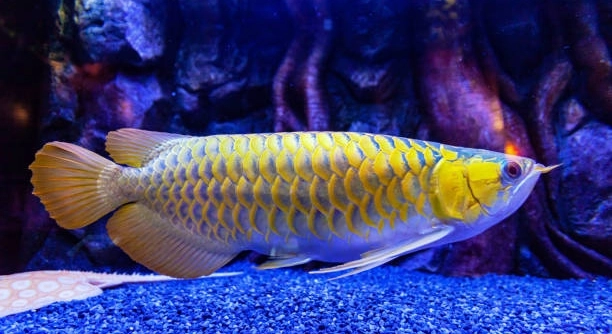
Aggressive behavior in arowanas can be challenging for many aquarium enthusiasts. These fish are known for their strong territorial instincts, which can make them difficult to manage, especially in shared tanks or smaller setups.
Managing aggressive arowana behavior requires careful attention to tank size, proper tank mates, and environmental enrichment. Ensuring sufficient space, hiding spots, and minimizing stress can reduce hostility, creating a safer and more balanced environment for both the arowana and other aquatic species.
Learning simple adjustments can make your tank a more peaceful place, improving the overall well-being of your arowana and other fish.
Understanding Arowana Aggression
Arowanas are naturally territorial fish, and their aggression can appear even in well-maintained tanks. Most of their hostile behavior stems from instinct rather than personal dislike. They may chase, nip, or display dominance toward other fish or even their own reflection. Tank size plays a major role in controlling aggression. Smaller tanks often increase stress and cause more frequent confrontations. Adding hiding spaces, plants, or driftwood can help reduce tension by giving the arowana areas to retreat. Feeding routines also affect behavior. Irregular or insufficient feeding may trigger frustration and defensive actions. Observing your arowana regularly allows you to spot early signs of aggression, like flared fins or repeated lunges. Adjusting environmental factors proactively can prevent more serious injuries and keep the tank community healthier. Consistency in water quality, temperature, and tank cleaning further supports calmer behavior and reduces unnecessary stress for your fish.
Proper observation and timely adjustments are key to keeping aggression under control and maintaining a balanced tank environment.
By creating enough space, providing hiding spots, and maintaining stable conditions, your arowana will feel secure. This reduces aggressive displays, allowing multiple fish to coexist safely. Understanding their needs and behaviors ensures a calmer tank atmosphere and promotes healthy interactions.
Choosing Tank Mates
Not all fish are suitable companions for an arowana. Selecting compatible species helps reduce conflict.
When picking tank mates, choose larger, non-aggressive fish that won’t trigger territorial behavior. Small or slow-moving fish may become targets, increasing stress for all inhabitants. Peaceful but sizable species like certain catfish or large cichlids can coexist more safely. Avoid overcrowding, as tight spaces heighten competition and aggressive interactions. Observing initial interactions closely can prevent serious injuries. Sometimes, a single well-matched tank mate is better than multiple uncertain choices. Adjusting feeding schedules ensures all fish get enough food, which can also reduce conflict.
Tank mates significantly influence arowana behavior. If aggression is persistent, reassessing the fish combination may be necessary. Introducing new species gradually, monitoring reactions, and maintaining sufficient space are essential steps. Each arowana is unique, so patience and observation help determine what works best. Environmental enrichment, like driftwood, plants, or floating platforms, provides hiding areas and reduces tension. Combining compatible fish with thoughtful tank design supports a peaceful community. Over time, well-chosen companions can coexist without repeated fights, minimizing stress for the arowana and other fish. Ultimately, careful selection and management of tank mates create a safer, more balanced habitat, allowing your arowana to thrive naturally while reducing aggressive tendencies.
Adjusting Tank Size and Layout
Arowanas need plenty of space to move without feeling threatened. Crowded tanks increase stress and trigger aggression, while open areas and hiding spots can reduce fights and establish a sense of security for your fish.
A tank that is too small will cause repeated territorial displays. Providing at least six feet in length for a single adult arowana allows it to swim freely and maintain a natural routine. Rearranging decorations occasionally can break up established territories and reduce dominance struggles. Driftwood, rocks, or plants can create separate zones where your arowana can retreat, reducing direct conflicts with other fish. Regular water changes and proper filtration keep the environment stable, further decreasing stress levels and aggressive tendencies. Observing how the arowana interacts with its space helps identify problem areas and allows timely adjustments.
Maintaining a spacious tank with thoughtful layout changes promotes calm behavior. Using zones, hiding spots, and sufficient open swimming areas helps your arowana feel secure while reducing confrontations, leading to a more peaceful and manageable aquarium.
Feeding Strategies to Reduce Aggression
Feeding patterns can strongly influence arowana behavior. Consistent schedules and adequate portions reduce competition and frustration.
Arowanas can become aggressive if they feel food is scarce or unevenly distributed. Feeding multiple smaller meals throughout the day prevents sudden bursts of territorial behavior and ensures all fish have access to nutrition. Floating or sinking foods can target the arowana’s natural hunting instincts, keeping it engaged and less likely to focus on other fish. Avoid overfeeding, which can lead to poor water quality and stress. Supplementing with protein-rich diets helps maintain health and reduces irritability. Observing feeding behavior allows for minor adjustments to prevent conflicts during mealtime.
Providing consistent, sufficient feeding prevents resource-based aggression. Proper food distribution, portion control, and attention to diet composition not only support arowana health but also foster a calmer, more stable tank environment. By maintaining structured feeding routines, aggressive tendencies can be minimized, and coexistence with other fish becomes more manageable, reducing injuries and stress for the entire tank community.
Monitoring Water Conditions
Stable water conditions reduce stress and aggressive behavior. Temperature, pH, and ammonia levels should be checked regularly to ensure a healthy environment.
Frequent water changes and proper filtration help maintain clean water, preventing irritation that can lead to hostility. Clean water supports natural behavior and overall health.
Using Visual Barriers
Adding plants, driftwood, or decorative panels can break the line of sight between aggressive fish. This reduces repeated confrontations and provides retreat spaces. Visual barriers create natural zones, helping arowanas feel secure without constant territorial displays.
Separating Aggressive Individuals
If aggression persists, isolating the most hostile fish can prevent injuries. A temporary or permanent separation ensures safety for all tank inhabitants and reduces stress for the entire aquarium community.
FAQ
How can I tell if my arowana is being aggressive or just active?
Aggressive behavior usually includes chasing, lunging, or nipping at other fish. Flared fins, repeated cornering of tank mates, and constant circling of the tank are signs of dominance rather than simple swimming activity. Active swimming without targeting others is normal behavior.
Can I keep more than one arowana together?
Yes, but only in very large tanks with proper space and hiding spots. Aggression increases in confined spaces, so sufficient room to establish territories is essential. Even with large tanks, careful monitoring is necessary to prevent injury.
Do certain arowana species show more aggression than others?
Yes. Some species, like the silver and super red arowanas, tend to be more territorial than others. Understanding the typical temperament of your specific species helps in planning tank size and selecting compatible fish.
Will adding plants or decorations reduce aggression?
Yes. Visual barriers and hiding spots help arowanas feel secure. Driftwood, rocks, and floating plants allow them to establish zones, reducing territorial conflicts and repeated confrontations.
Does diet affect aggression levels?
Feeding adequate amounts at regular intervals helps reduce food-based aggression. Protein-rich diets satisfy natural hunting instincts, and multiple small feedings prevent sudden bursts of hostility. Overfeeding should be avoided to maintain water quality.
Is water quality really linked to aggressive behavior?
Absolutely. Poor water conditions stress fish, making them more prone to hostility. Maintaining proper temperature, pH, and low ammonia levels supports natural behavior and reduces aggression toward tank mates.
What should I do if an arowana attacks other fish repeatedly?
First, assess tank size, layout, and compatibility. Adding barriers or rearranging decorations can help. If attacks continue, isolating the aggressive fish temporarily or permanently may be necessary to prevent injuries.
Can aggressive arowanas live peacefully with smaller fish?
It is risky. Smaller fish often trigger predatory behavior. Larger, non-aggressive species are better companions, and overcrowding should be avoided to minimize tension.
How often should I observe my arowana for signs of aggression?
Daily observation is recommended. Early detection of flaring fins, chasing, or territorial displays allows you to adjust tank setup, feeding schedules, or companion selection before serious injuries occur.
Do arowanas calm down as they get older?
Some individuals mellow with age, but territorial instincts often remain. Providing sufficient space and enrichment continues to be important even as the fish matures.
Are there behavioral signs that indicate stress instead of aggression?
Yes. Lethargy, hiding, loss of appetite, or rapid gill movement can indicate stress rather than pure aggression. Stress can trigger hostile behavior, so addressing environmental factors is key.
Can changing tank mates help reduce aggression?
Yes. Introducing compatible species gradually and ensuring they are similar in size can reduce fights. Avoiding small, slow-moving, or brightly colored fish decreases conflict.
Is separating aggressive fish permanent?
It depends. Some aggressive arowanas may calm over time with environmental adjustments, while others may require long-term isolation to protect other fish. Observation helps determine the best approach.
Do aggressive behaviors affect breeding?
Yes. High aggression can interfere with pairing and egg care. Providing separate tanks or sufficient space is essential for successful breeding without stress or injury.
Can visual barriers alone solve aggression issues?
Not always. While barriers help, they are most effective when combined with proper tank size, compatible mates, and consistent feeding. Multiple strategies together provide the best results.
How do I know if my arowana is stressed or just asserting territory?
Stress often comes with erratic swimming, rapid gill movement, or hiding. Territorial behavior focuses on other fish or reflections, showing dominance without signs of physical strain. Observing both behavior and physical health helps differentiate the two.
Is aggression more common in new tanks or established ones?
New tanks may trigger temporary aggression as fish explore and claim territory. Established tanks see more stable behavior if space, mates, and feeding are consistent. Regular observation is key in both scenarios.
Does lighting affect aggression?
Bright, direct lighting can sometimes increase stress and aggressive displays. Using natural or diffused lighting creates a calmer environment and supports normal behavior patterns.
Can tank cleaning routines reduce aggression?
Yes. Maintaining water quality reduces stress-induced hostility. Cleaning should be regular but gentle to avoid sudden disturbances that could trigger aggressive responses.
Is it normal for an arowana to attack its reflection?
Yes. Seeing its reflection can provoke territorial behavior. Placing tank backgrounds or adjusting lighting can minimize this type of aggression.
This FAQ covers the most common concerns, helping manage aggressive arowana behavior effectively. Regular observation, proper tank setup, feeding, and compatible companions create a calmer, healthier aquarium environment.
Word count: 525
Final Thoughts
Managing aggressive arowana behavior takes patience and careful observation. These fish are naturally territorial, and their actions often reflect instinct rather than personal dislike. Understanding their tendencies is the first step in creating a calmer tank environment. Providing enough space is essential. Arowanas need room to swim freely without feeling crowded. Small tanks increase stress and lead to repeated displays of dominance. Rearranging decorations, adding hiding spots, and creating zones can reduce conflicts. Driftwood, rocks, and plants allow the fish to establish areas they can call their own, which lowers aggression toward other tank mates. Watching your arowana regularly helps identify problem areas and signals when adjustments are needed. Over time, small changes in tank layout can make a noticeable difference in behavior, reducing hostility and helping your fish feel more secure.
Feeding routines also play a significant role in controlling aggression. Consistency is key. Offering the right portions at regular intervals prevents frustration and competition for food. Protein-rich diets satisfy natural hunting instincts and keep the fish engaged. Overfeeding should be avoided because it can harm water quality, leading to stress and irritability. Multiple smaller meals throughout the day are often better than a single large feeding. This approach reduces sudden aggressive bursts and ensures that all fish in the tank get enough nutrition. Observing feeding behavior allows you to adjust portions or placement of food to prevent fights. Proper nutrition not only supports physical health but also promotes calmer behavior, making the tank a more peaceful space for every inhabitant.
Selecting compatible tank mates is another important factor. Smaller or slow-moving fish often trigger predatory or territorial responses, while larger, non-aggressive species coexist more safely. Introducing new fish gradually and monitoring interactions closely helps prevent serious injuries. In some cases, aggressive arowanas may require temporary or permanent separation from other fish. Visual barriers such as plants or panels can also reduce direct confrontations, giving each fish a retreat space. Maintaining clean water, stable temperature, and proper pH levels further minimizes stress. By combining thoughtful tank setup, consistent feeding, and careful observation, you can create an environment where your arowana feels secure and exhibits less aggressive behavior. These steps take effort, but they lead to a healthier, more harmonious aquarium for both the arowana and its companions.
Word count: 406

Hello,
If you enjoy the content that we create, please consider saying a "Thank You!" by leaving a tip.
Every little bit helps us continue crafting quality advice that supports the health, happiness, and well-being of pets around the world, for pets of all shapes, sizes, and species.
We really appreciate the kindness and support that you show us!