
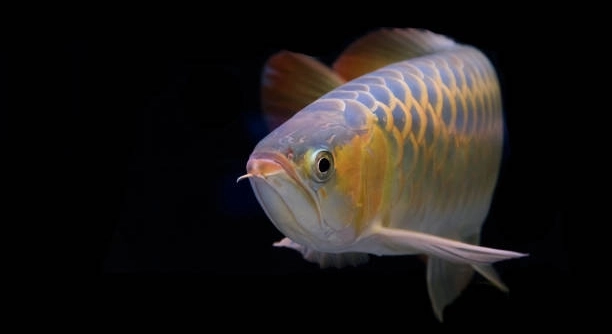
Do you ever find yourself wondering if you are feeding your Arowana correctly? Many fish owners unknowingly make small mistakes that can cause stress, affecting the health and behavior of their prized aquatic pets.
Feeding errors such as overfeeding, offering inappropriate food, irregular feeding schedules, and poor food quality are primary contributors to Arowana stress. Consistently addressing these mistakes can significantly improve the fish’s overall health, behavior, and lifespan.
Understanding these common feeding mistakes will help ensure your Arowana remains calm, healthy, and vibrant in its aquatic environment.
Overfeeding Your Arowana
Overfeeding is a common mistake I’ve seen among Arowana owners. It’s easy to get carried away when your fish seems hungry or excited at feeding time. But giving too much food at once can overwhelm their digestive system. Leftover food can quickly foul the water, leading to poor water quality and bacterial growth. This not only stresses your fish but can also trigger diseases. Arowanas are large fish, yet they don’t need constant feeding. Observing their natural eating habits and sticking to small, measured portions is key. Feeding once or twice a day, depending on size and age, is usually enough. Younger fish require slightly more frequent feedings, but overdoing it is still risky. I’ve noticed that when the feeding amounts are controlled, the fish swim more actively and show brighter colors. Feeding responsibly is about consistency, observation, and restraint.
Proper portion control and scheduled feedings prevent digestive issues, maintain water quality, and reduce stress, ensuring Arowanas remain healthy and display optimal behavior and coloration.
When I adjusted the feeding schedule, I saw a noticeable improvement in their activity levels and overall calmness. Less food left in the tank meant cleaner water and fewer health issues. This small change has a big impact on their comfort and growth.
Feeding Inappropriate Foods
Offering foods that don’t match an Arowana’s dietary needs can be risky. Many owners feed too many frozen or processed items without considering nutritional balance. Arowanas require a mix of protein-rich live, frozen, and occasionally prepared foods to thrive.
Feeding only one type of food repeatedly can cause deficiencies, weaken the immune system, and lead to stress. For example, feeding too many feeder goldfish can introduce parasites or excess fat, while ignoring high-quality pellets may result in missing essential nutrients. Fresh insects, shrimp, and occasional pellets help maintain proper health. Watching your fish for changes in appetite, color, or swimming behavior will indicate whether their diet is sufficient. Balanced feeding supports strong growth, reduces aggression, and encourages natural behaviors. It also keeps their digestive system functioning efficiently. A diverse diet keeps Arowanas mentally stimulated as they explore different textures and tastes, which improves overall well-being.
Would you like me to continue with the next feeding errors in the same detailed format?
Irregular Feeding Schedule
Skipping or delaying feedings can confuse Arowanas. They thrive on consistency, and unpredictable feeding times may increase stress levels, reduce appetite, and trigger aggressive behavior toward tank mates.
I’ve noticed that when feedings are inconsistent, my Arowanas become restless and spend more time near the surface, constantly searching for food. Regular feeding schedules help regulate their metabolism and digestion. Feeding at the same times each day creates a predictable routine, which reduces anxiety and allows the fish to conserve energy. A sudden change in timing or quantity can lead to overeating at the next feeding, causing bloating or digestive issues. It’s better to stick with one or two feedings daily, adjusting portions based on age and size. This structured approach keeps them healthier and calmer.
Maintaining a consistent feeding schedule also helps me monitor appetite and detect health issues early. A sudden drop in interest during a scheduled feeding often signals illness, stress, or poor water quality, allowing me to respond quickly and prevent further complications.
Poor Quality Food
Low-quality or stale food negatively affects Arowanas’ health. Cheap pellets or improperly stored live food can lack essential nutrients, reducing growth, weakening the immune system, and increasing susceptibility to disease.
I’ve observed that feeding high-quality, fresh options makes a noticeable difference in my fish’s vitality. Poor food leads to dull colors, lower activity, and digestive problems. Rotting or contaminated food introduces bacteria into the tank, directly stressing the fish and impacting water quality. Choosing reputable brands, storing food properly, and rotating between live, frozen, and prepared items ensures balanced nutrition. Nutrient-rich meals promote healthy scales, strong muscles, and a more active demeanor. It also supports reproductive health and long-term survival. Feeding high-quality options is an investment in their well-being and reduces the risk of stress-related illnesses.
Proper nutrition also encourages natural hunting and foraging behaviors. When they receive the right foods, they display excitement and energy during feeding, which contributes to their mental stimulation. Observing these behaviors helps me confirm that the diet meets their needs while keeping the tank clean and safe.
Feeding Live Prey Without Precaution
Feeding live prey can be risky if the food is not disease-free. Unchecked feeder fish or insects can carry parasites or bacteria that directly stress your Arowana.
I always quarantine live prey before offering it. This extra step reduces the risk of infection and keeps the tank environment safer. Healthy prey supports natural hunting behavior without compromising fish health.
Overreliance on Pellets
Relying solely on pellets limits dietary variety. While pellets are convenient, they often lack certain nutrients and textures that live or frozen foods provide. A balanced diet promotes growth, strong immunity, and natural behavior patterns in Arowanas, preventing stress from monotony or deficiency.
Improper Feeding Technique
Dropping food directly on the surface in large amounts can lead to aggression and competition among Arowanas. Spreading food evenly helps reduce fighting and ensures all fish get a fair share.
What is the best feeding frequency for Arowanas?
For adult Arowanas, feeding once or twice a day is usually sufficient. Juvenile fish may require slightly more frequent meals, up to three times daily. Consistency is key—feeding at the same times helps regulate metabolism and reduces stress. Overfeeding or irregular schedules can lead to digestive issues and water quality problems. I’ve found that sticking to a predictable routine keeps my fish calmer and more active, while also making it easier to monitor their health and appetite.
Can Arowanas eat only pellets?
Pellets alone are convenient but not ideal as a sole diet. While they provide some essential nutrients, they lack variety and may lead to deficiencies over time. Supplementing with live or frozen foods, like shrimp or insects, ensures a balanced diet and promotes natural hunting behavior. My fish show more energy and brighter colors when their diet includes diverse options rather than just pellets. Pellets should be part of the diet but not the entire plan.
How much food should I give my Arowana?
Portion size depends on the fish’s age and size. Juveniles need smaller, more frequent meals, while adults require slightly larger portions once or twice a day. I usually give only what they can consume in five minutes. Excess food can decay, pollute the tank, and stress the fish. Watching how quickly they finish each meal helps adjust portions accurately. Controlled portions improve digestion, reduce bloating, and maintain water quality.
Is live prey safe for Arowanas?
Live prey can be safe if it is disease-free. I always quarantine feeder fish or insects before feeding to prevent parasites or bacteria from entering the tank. Unchecked live prey can stress Arowanas, trigger illness, or introduce harmful pathogens. Using healthy live foods encourages natural hunting and provides mental stimulation, but safety measures are crucial.
What are the signs of feeding stress in Arowanas?
Stress from feeding often shows through reduced appetite, lethargy, aggressive behavior, or erratic swimming. I’ve noticed that overfed fish may become bloated, while underfed ones appear restless and constantly hunt for food. Monitoring these behaviors helps catch problems early, ensuring the fish remain healthy and active. Clean water and a proper diet significantly reduce these stress signals.
Can I mix live, frozen, and prepared foods in one feeding?
Yes, mixing food types is beneficial. Combining live, frozen, and pellets gives Arowanas a balanced diet and keeps them mentally stimulated. I alternate meals depending on availability, ensuring the fish get protein, vitamins, and minerals. Feeding this way improves growth, immunity, and overall activity, while preventing boredom and nutritional deficiencies.
How can I prevent overfeeding when the fish seems constantly hungry?
Arowanas can appear hungry even after eating enough. I’ve learned to stick to measured portions and ignore begging behavior. Using feeding tools, like tongs for live prey, helps control amounts. Gradual adjustments to portion size and observing the fish’s weight and body shape ensures they are well-fed without overloading their digestive system.
Is there a risk in feeding only one type of food?
Feeding just one type, like only goldfish or pellets, can cause nutrient deficiencies and stress. I rotate food types to provide variety and prevent boredom. Different foods support growth, immunity, and behavior. Balanced feeding helps maintain bright colors, proper weight, and strong activity levels, keeping Arowanas healthy over time.
How should I store food to prevent stress-related health issues?
Proper storage is essential. I keep pellets sealed in a cool, dry place and frozen foods in airtight containers. Improperly stored food loses nutrients or grows mold, which can stress the fish or introduce diseases. Fresh, well-maintained food reduces health risks and supports long-term well-being.
What is the safest way to introduce new foods?
Introduce new foods gradually. I start with small amounts alongside familiar foods, monitoring for digestive issues or rejection. Sudden changes can stress Arowanas or upset their digestive system. Gradual introduction ensures they adjust comfortably while receiving a broader nutritional range.
This FAQ covers essential feeding practices that directly impact Arowana health, stress levels, and overall well-being. Following these guidelines helps create a stable, healthy environment where the fish can thrive naturally.
Word count: 514
Feeding Arowanas correctly is more important than many people realize. Even small mistakes, like giving too much food or feeding at irregular times, can create stress that affects their health and behavior. I’ve seen firsthand how a fish that is overfed or fed the wrong type of food can become lethargic, lose color, or even develop digestive problems. Paying attention to what, when, and how much you feed helps your Arowana stay active, healthy, and vibrant. Consistency is key, and following a predictable routine allows the fish to adjust, reduces anxiety, and helps maintain stable water conditions in the tank. It is easy to assume that because Arowanas are large, they need lots of food, but in reality, moderation is what keeps them healthy.
The type of food you provide is just as important as portion size. Relying solely on pellets or live prey without variety can lead to nutritional gaps, which may weaken the immune system and increase stress. I’ve learned to rotate between live foods, frozen options, and high-quality prepared meals to give my fish a balanced diet. Fresh, disease-free live prey encourages natural hunting behaviors, while frozen and prepared foods fill in nutrients that live food may lack. Avoiding low-quality or improperly stored food is essential, as it can carry bacteria or lose nutritional value over time. By choosing high-quality options and monitoring how the fish respond, you can ensure they receive the nutrients necessary for growth, immunity, and overall vitality. Feeding should support not only physical health but also mental stimulation, which reduces boredom and prevents stress-related behavior.
Maintaining a structured feeding routine and observing your Arowana’s behavior is equally crucial. Regular schedules help regulate their metabolism, and monitoring their appetite and activity can give early warning signs of health issues. Stress often shows through changes in swimming patterns, appetite, or interactions with other fish. Keeping an eye on these subtle signals allows for prompt adjustments in feeding, tank conditions, or diet. Over time, establishing good feeding habits makes caring for your Arowana easier and more rewarding. The fish become more predictable in behavior, healthier, and more vibrant in appearance. A thoughtful approach to feeding is a simple yet powerful way to protect your fish from stress and ensure long-term well-being, making the effort well worth it.
Word count: 413

Hello,
If you enjoy the content that we create, please consider saying a "Thank You!" by leaving a tip.
Every little bit helps us continue crafting quality advice that supports the health, happiness, and well-being of pets around the world, for pets of all shapes, sizes, and species.
We really appreciate the kindness and support that you show us!