
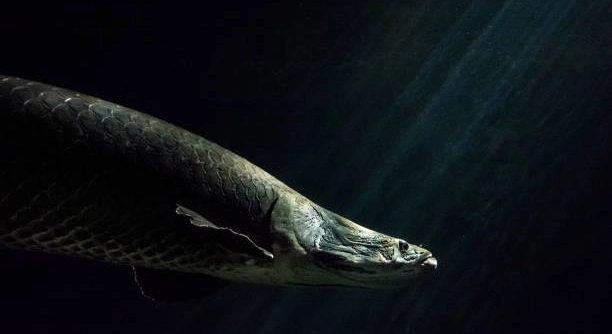
Do you ever notice your arowana resting quietly in its tank during bright daylight hours? Many fish owners observe these still moments and wonder if their pet is acting unusually or simply following its natural rhythm.
It is normal for arowanas to remain still during the day. These fish often conserve energy by reducing movement in bright light. Arowanas are naturally more active in low-light conditions, and periods of stillness are part of healthy behavior.
Observing your arowana’s calm daytime behavior is common, and understanding the reasons behind it can help maintain a balanced and healthy aquarium environment.
Why Arowanas Stay Still During the Day
Arowanas often appear motionless during daylight hours, which can feel strange if you are used to watching them swim constantly. This stillness is largely due to their natural instincts. In the wild, these fish are more active during low-light conditions like early morning or late evening. During bright daylight, staying still helps them conserve energy and avoid unnecessary stress. Tank lighting, room brightness, and surrounding movement can also influence how much your arowana swims. Additionally, water temperature and quality play a role; cooler water may slow activity while poor water conditions can cause lethargy. Observing their body and fin movements while resting can indicate if they are healthy. They often hover gently near the surface or mid-level of the tank, sometimes gliding slowly but mostly maintaining position. Accepting these quiet periods as normal can reduce unnecessary worry and help you focus on maintaining a stable, suitable environment.
Bright daylight stillness is a natural energy-saving behavior for arowanas.
Even though stillness is normal, monitoring your arowana’s regular activity patterns is important. Consistency in feeding, water quality, and lighting helps ensure health.
How to Support Your Arowana’s Daily Rhythm
Regular tank maintenance encourages natural behavior and keeps arowanas healthy.
Providing a balanced routine of feeding, proper lighting, and water temperature supports your arowana’s natural rhythm. Arowanas thrive in spacious tanks with stable water parameters. Too much disturbance, sudden changes in light, or irregular feeding schedules can stress them, affecting their daily activity. Some owners notice more swimming when food is offered, which is normal, but they may return to stillness afterward. Hiding spots or gentle decorations can also create a secure environment, letting your fish feel safe while resting. Observing your arowana over several days helps identify patterns and ensures the fish is active at appropriate times. If stillness becomes prolonged, or unusual behaviors appear like lack of appetite, rapid gill movement, or unusual swimming, it may indicate a health concern. Understanding and supporting these natural behaviors allows you to enjoy your arowana’s calm and active moments, maintaining a healthy, stress-free tank.
Signs Your Arowana Is Healthy
Healthy arowanas show steady breathing, clear eyes, and smooth scales. They respond to feeding times and maintain normal swimming patterns. Occasional stillness is fine as long as these signs remain consistent.
Regular observation helps you track your arowana’s health. A healthy fish will glide calmly in the water, explore its surroundings, and show interest during feeding. Its body should be free of lesions, discoloration, or frayed fins. Movement may slow during bright daylight, but posture and responsiveness remain steady. Maintaining clean water, stable temperature, and a proper diet reinforces these behaviors. Watching small behaviors like fin twitching or hovering near objects can give clues about comfort levels. Noticing even subtle changes early allows you to act before problems develop. These routines make it easier to distinguish normal stillness from potential illness.
Stress indicators in arowanas often show as unusual hiding, rapid gill movement, or sudden erratic swimming. Such changes are more significant than daytime stillness. Monitoring these behaviors consistently ensures quick action if health issues arise.
Adjusting Tank Conditions for Comfort
Tank conditions play a major role in your arowana’s activity levels. Proper lighting, temperature, and water flow help them feel secure and energetic.
Arowanas thrive in stable environments with predictable conditions. Light intensity should mimic natural day-night cycles, avoiding harsh or sudden brightness. Water temperature should remain within the recommended range, generally between 75–82°F (24–28°C). Filtration and gentle water movement keep oxygen levels steady while reducing stress. Decorating the tank with subtle hiding areas and open swimming spaces allows your fish to choose comfort levels. Abrupt changes in temperature, light, or tank layout can trigger excessive stillness or agitation. Monitoring these conditions consistently ensures your arowana maintains normal activity patterns and remains healthy. These adjustments are simple yet highly effective in supporting natural behavior.
Common Misunderstandings About Stillness
Arowanas staying still is often mistaken for laziness or sickness. In reality, it is usually a natural resting behavior that helps them conserve energy during bright daylight hours.
Owners sometimes worry when their arowana floats without much movement. Observing overall health, feeding response, and regular swimming patterns clarifies that stillness is normal.
Feeding Habits and Daytime Activity
Arowanas may become more active during feeding times, briefly breaking stillness. Their interest in food is a strong indicator of health and energy levels. Feeding routines also influence daily movement patterns, encouraging short periods of activity even during daytime rest. Proper portion sizes and a balanced diet maintain energy without overstimulation.
Water Quality Checks
Maintaining clean water is crucial for healthy activity. Poor water quality can mimic lethargy or stress, so regular checks prevent unnecessary issues.
FAQ
Why does my arowana stay still for most of the day?
Arowanas naturally reduce activity during bright daylight to conserve energy. They are more active in low-light periods, such as early morning or late evening. Stillness is normal if your fish shows regular feeding behavior, clear eyes, and smooth scales. Watching movement patterns over several days helps confirm this.
Is it a problem if my arowana only swims at night?
Not usually. Arowanas often follow a natural rhythm where daytime stillness is balanced by nighttime activity. As long as your fish is alert during feeding and maintains healthy breathing, body shape, and fin condition, nocturnal swimming is typical behavior.
How can I tell if my arowana’s stillness is unhealthy?
Unhealthy stillness is accompanied by signs like rapid gill movement, clamped fins, frayed scales, loss of appetite, or unusual hiding. Sudden changes in swimming behavior compared to previous patterns also indicate potential health issues, and immediate attention is necessary.
Does tank size affect arowana activity?
Yes. Arowanas need spacious tanks to move comfortably. Limited space can cause them to hover or remain still due to stress or lack of room. Providing a long, wide tank with open swimming areas encourages natural movement and reduces extended stillness.
Can water temperature cause my arowana to stay still?
Absolutely. Arowanas are sensitive to temperature fluctuations. Cooler water slows metabolism, making them less active. Maintaining a stable temperature between 75–82°F (24–28°C) ensures energy levels remain normal, and sudden shifts should be avoided.
Do lighting conditions impact daytime stillness?
Yes. Bright lights can make arowanas feel exposed and prompt them to conserve energy by staying still. A natural light cycle with gradual transitions between day and night helps maintain their comfort and activity rhythm.
Should I feed my arowana differently because it stays still?
Feeding should remain consistent regardless of daytime stillness. Offer balanced meals in appropriate portions. Stillness is not a sign of hunger issues as long as your arowana actively eats during feeding times and displays interest in food.
Is stillness more common in older arowanas?
Yes. Older arowanas often rest more, similar to aging in other animals. Their metabolism slows, so extended periods of stillness are expected. Monitoring overall health is important, but occasional long rests are normal for mature fish.
Can stress cause excessive stillness?
Yes. Stress from overcrowding, poor water quality, or sudden changes in the tank environment can make arowanas less active. Minimizing disturbances, maintaining clean water, and stable lighting help reduce stress and promote normal swimming patterns.
What should I do if my arowana stays still and refuses to eat?
Refusal to eat combined with stillness is a warning sign. Check water quality, temperature, and tank conditions. Observe for physical symptoms like scale damage or abnormal gill movement. If problems persist, consult an aquatic veterinarian to prevent serious health issues.
Do decorations or hiding spots affect stillness?
Yes. Arowanas use hiding spots for comfort, which may make them appear still. Adequate open space alongside subtle decorations lets them choose rest areas without restricting movement. Balance is key to promoting both comfort and activity.
How often should I monitor my arowana’s activity?
Daily observation is ideal. Noticing small changes in swimming patterns, posture, or responsiveness helps distinguish normal stillness from health concerns. Logging behavior over time gives a clear picture of your arowana’s normal routine and alerts you to irregularities early.
Can diet influence daytime stillness?
A balanced diet supports healthy energy levels. Overfeeding or feeding inappropriate food can cause sluggishness, while consistent, nutrient-rich meals help maintain normal activity. Observe how your fish responds after feeding to adjust portion size or diet type appropriately.
Are all still periods during the day the same length?
No. Still periods vary depending on light, temperature, and recent activity. Short rests are normal, but very long or sudden stillness accompanied by other signs may indicate stress or illness. Observing patterns helps differentiate normal behavior from concerning changes.
Do arowanas ever nap like other animals?
In a sense, yes. Their stillness functions as a rest period where energy is conserved. Unlike mammals, they do not fully sleep with eyelids, but reduced movement during bright light serves a similar restorative purpose.
Is it normal for my arowana to hover near the surface while still?
Yes. Hovering at mid or upper levels is common during daytime stillness. It allows easier access to oxygen and helps them monitor surroundings with minimal energy use. As long as they swim actively at other times, this behavior is healthy.
Can illness mimic normal stillness?
Yes. Conditions like swim bladder issues, infections, or parasites can make arowanas appear still. Comparing current behavior to baseline patterns, along with physical checks, helps distinguish between normal rest and illness requiring intervention.
How long can arowanas safely remain still during the day?
Several hours is typical. Duration depends on tank lighting, temperature, and activity in previous periods. Extended stillness without other health issues is normal, but prolonged inactivity paired with unusual behavior should be addressed.
Is it better to have bright or dim lighting for active arowanas?
Moderate lighting that mimics natural day-night cycles is ideal. Bright lighting can encourage stillness, while gradual transitions support natural activity rhythms. Sudden lighting changes should be avoided to prevent stress and excessive inactivity.
Do arowanas respond to their owners during still periods?
Yes, but responses may be slower. They may watch movements or swim briefly when approached, even during daytime stillness. Regular interaction during feeding reinforces alertness without stressing their natural rest periods.
Can water flow influence stillness?
Yes. Gentle flow encourages swimming without forcing movement. Too strong a current can stress the fish, making it stay still to conserve energy. Proper filtration and water circulation maintain comfort and support healthy activity.
Are there seasonal effects on daytime stillness?
Yes. Changes in ambient temperature or daylight length can subtly influence activity. While arowanas are tropical, shifts in room temperature or seasonal lighting patterns may alter how long they stay still during the day. Observing and adjusting tank conditions helps maintain consistency.
Does tank mate behavior affect my arowana’s stillness?
Yes. Aggressive or overly active tank mates may cause stress, leading to more prolonged stillness. Choosing compatible companions and monitoring interactions ensures your arowana feels secure and maintains normal activity levels.
How important is consistency in routine for reducing excessive stillness?
Very important. Regular feeding, lighting schedules, and minimal disturbances help the fish feel secure. Predictable routines reinforce natural behavior patterns, reduce stress, and encourage a balanced level of activity and rest throughout the day.
What signs indicate that stillness is part of normal behavior?
Normal stillness is calm, without labored breathing or clamped fins. The arowana responds to feeding, shows interest in surroundings, and maintains overall body condition. Observing consistent patterns over time confirms that stillness is a healthy, natural behavior rather than a problem.
Arowanas are fascinating fish, and their stillness during the day is often one of the behaviors that can catch new owners off guard. Many people expect their fish to swim constantly, but arowanas naturally have quiet periods where they rest or conserve energy. Observing these still moments is important, because it helps you understand what normal behavior looks like for your particular fish. Each arowana may have slightly different patterns depending on its age, tank size, and environment, but long periods of calm are usually nothing to worry about. Recognizing this as part of their natural rhythm allows owners to focus more on maintaining proper care rather than worrying unnecessarily about their fish being inactive. Understanding these patterns also makes it easier to spot when something is truly wrong, because the normal behavior is clear and consistent over time.
Maintaining a stable and comfortable environment is key to supporting your arowana’s natural behavior. Factors like water quality, temperature, lighting, and tank space all play a role in how active your fish is throughout the day. Providing a spacious tank with open swimming areas and subtle hiding spots can make your arowana feel secure and reduce stress, which in turn supports normal activity and stillness cycles. Feeding routines are also important; consistent schedules with balanced portions help your fish maintain energy without overexerting itself. Even the smallest details, like gentle water flow or gradual lighting changes, can influence how comfortable your arowana feels. By paying attention to these conditions, you can create an environment where your fish can rest safely during the day and swim actively when it chooses.
Observing and learning from your arowana’s behavior is part of the reward of fishkeeping. Their periods of stillness are not only normal but beneficial, helping them conserve energy and feel safe in their environment. Owners who take the time to watch their fish over days and weeks will notice patterns in activity, feeding responses, and resting habits. This knowledge allows for better care decisions and helps prevent unnecessary stress for both the fish and the owner. While it can feel unusual to see such a large and typically active fish remain motionless for hours, understanding that this is natural behavior fosters a more relaxed and informed approach to keeping arowanas. Paying attention to subtle cues, supporting their environment, and maintaining routines will ensure that your arowana stays healthy, balanced, and comfortable, making the quiet periods as valuable and normal as the times when it swims energetically across the tank.

Hello,
If you enjoy the content that we create, please consider saying a "Thank You!" by leaving a tip.
Every little bit helps us continue crafting quality advice that supports the health, happiness, and well-being of pets around the world, for pets of all shapes, sizes, and species.
We really appreciate the kindness and support that you show us!