
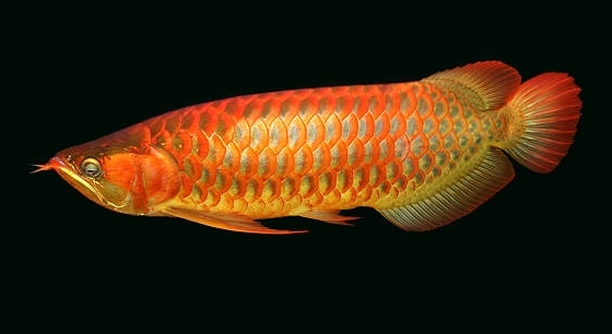
Arowanas are known for their elegant swimming and striking appearance, making them a favorite among aquarium enthusiasts. Observing their daily habits can be both calming and fascinating, revealing small behaviors that show consistency and awareness.
Arowanas can recognize routine through repeated cues such as feeding times and environmental changes. Regular schedules help them anticipate events, adjust their behavior, and reduce stress, demonstrating a level of learning and memory that supports their well-being in captivity.
Recognizing these patterns allows owners to create a stable environment, promoting healthier behavior and enhancing the bond between the fish and their caretaker.
Understanding Arowana Behavior
Arowanas are intelligent fish that display clear responses to repeated routines. Their swimming patterns often change when feeding time approaches, and they may gather near specific areas of the tank, showing they recognize cues in their environment. Observing them closely can reveal how they adjust to consistent schedules, whether it’s the way they react to lights turning on or off, or how they anticipate when food is about to be presented. They also show signs of curiosity, exploring decorations or new additions to the tank at predictable times. Over time, they can learn to associate certain actions, like a hand approaching the tank, with feeding. Maintaining a stable routine not only helps them feel secure but also reduces erratic behavior. Regular observation is key, as subtle differences in behavior can indicate whether the fish is comfortable with its environment or experiencing stress. Predictable routines support both their physical and mental health.
Arowanas rely on repeated signals to adjust behavior and feel secure. They can notice even small changes in routine.
Consistent feeding and lighting schedules shape Arowanas’ daily rhythm. They learn patterns and respond predictably, which reduces stress and promotes better overall health. These fish thrive when their environment remains stable, with minimal sudden changes. By observing their reactions, owners can identify preferences and sensitivities, allowing them to adjust routines for optimal care. Behavioral cues, such as swimming speed or position in the tank, reflect their anticipation of events. In addition to feeding, interactions with the environment, including decorations or tank maintenance activities, also influence their responses. Establishing routine helps the fish conserve energy, maintain a regular sleep cycle, and display calmer behavior. This predictability enhances their overall wellbeing, showing that routine recognition is not only possible but beneficial for their long-term health.
Creating a Stable Routine
Simple, consistent schedules benefit Arowanas greatly. They adjust best when fed and observed at similar times.
Feeding at the same time daily and keeping environmental cues consistent encourages Arowanas to follow predictable patterns. This stability reduces stress and allows the fish to develop trust in their surroundings. By maintaining routines, owners can notice behavioral changes sooner, indicating potential health issues or discomfort. A structured environment also supports social behavior, swimming habits, and appetite regulation. Even minor adjustments, like gradual light changes or timed maintenance, help the fish adapt more easily, making the aquarium experience smoother. Over time, the fish will learn to anticipate events without anxiety, showing clear signs of routine recognition. Creating a predictable setting benefits both the fish and the keeper.
Feeding Patterns and Anticipation
Arowanas quickly learn when food is coming. They often swim near the surface or a feeding spot just before the usual feeding time, showing they can recognize repeated schedules and respond consistently.
Regular feeding routines allow Arowanas to develop anticipation skills. They adjust their activity levels depending on the time of day and the cues in their environment. Over weeks, they learn to associate specific sounds, movements, or signals with food, which helps reduce stress and supports healthy digestion. Observing these patterns can help owners fine-tune feeding schedules, ensuring the fish receive proper nutrition without overfeeding or underfeeding. The more consistent the routine, the stronger their recognition and predictive behaviors become.
Arowanas’ ability to anticipate feeding also extends to interactions with their environment. They may follow the motion of a hand approaching the tank or react to the shaker of food with increased alertness. This learned behavior demonstrates memory and cognitive skills, showing that they do more than instinctively search for food. Maintaining structured feeding habits benefits both their physical growth and mental stimulation, creating a calmer and more predictable environment in the tank. Owners can notice small changes in timing or responsiveness, which may indicate shifts in health or comfort, making routine recognition an essential aspect of their care.
Environmental Cues and Routine
Changes in light, water flow, or tank maintenance influence Arowanas’ daily habits. They adapt quickly when cues remain consistent and predictable.
Arowanas respond to environmental routines beyond feeding. Lighting schedules help regulate their activity, while consistent water flow and decoration placement support stable swimming patterns. Sudden changes can create stress or erratic movements, but maintaining regular cues allows them to feel secure. Regular tank cleaning and equipment checks done at consistent times make the fish comfortable with human presence and interventions. These environmental patterns work alongside feeding routines to reinforce predictability, which aids their overall wellbeing. Recognizing subtle behavioral changes in response to these cues can help owners monitor health.
Interaction with Owners
Arowanas notice familiar movements near their tank. They often respond to consistent handling or gestures, showing recognition of human routines.
Regular interaction helps the fish feel secure. Approaching the tank in the same manner encourages predictable responses, reducing stress and building comfort over time.
Sleep and Rest Cycles
Arowanas follow predictable sleep patterns when lights and activity levels are consistent. They reduce movement and settle in specific areas of the tank during resting periods. Maintaining consistent light schedules helps them establish regular sleep, which is vital for growth, immune function, and overall health. Observing these patterns can indicate whether they are adjusting well to their environment or experiencing stress. By respecting their rest cycles and minimizing disturbances during quiet periods, owners support both physical and mental stability. Predictable routines help the fish maintain balance, making them calmer and healthier over time.
Signs of Stress
Irregular routines can trigger restlessness, decreased appetite, or unusual swimming. Monitoring these signs helps in maintaining a stable environment.
Benefits of Routine
Consistent routines improve health, behavior, and comfort. Arowanas respond predictably, showing stronger cognitive engagement and reduced stress levels.
FAQ
How quickly do Arowanas learn routines?
Arowanas can start recognizing simple routines within a few days, especially feeding schedules. They notice repeated cues like the sound of food or movements near the tank. Within a couple of weeks, their behavior becomes more predictable, showing anticipation before events.
Can Arowanas remember routines if schedules change?
They can adapt, but frequent changes may cause stress. Arowanas remember patterns over weeks or months. Sudden alterations in feeding time, lighting, or tank maintenance can confuse them temporarily, but consistent routines help them regain comfort and adjust more easily over time.
Do all Arowanas recognize the same cues?
Individual Arowanas may respond differently. Some are highly observant and quickly associate human movements or environmental changes with food or activity. Others may need more repetition to form clear expectations. Observing your fish’s reactions helps tailor routines to their specific behavior.
How does routine affect stress levels?
Predictable routines reduce stress by creating a sense of security. When Arowanas can anticipate feeding or environmental changes, they move calmly and behave normally. Erratic schedules can lead to restlessness, reduced appetite, and unusual swimming patterns, indicating higher stress levels.
What environmental cues help Arowanas recognize routine?
Consistent lighting, water flow, and tank decorations support routine recognition. Fish respond to light changes signaling the start or end of active periods. Steady water movement and familiar tank layouts provide stability, reinforcing behaviors learned through repeated observation of daily cues.
Can Arowanas recognize their owners?
Yes, they can associate owners with food and care activities. Regular approaches, hand movements, and feeding gestures help the fish anticipate interactions. Over time, they may swim toward you or display heightened alertness when they expect feeding or attention.
How do feeding patterns influence behavior?
Feeding at the same time daily allows Arowanas to anticipate food, swim toward feeding spots, and conserve energy between meals. Irregular feeding can create anxiety, reduce appetite, or cause erratic swimming. Structured feeding improves digestion, growth, and overall health.
What signs indicate routine recognition?
Behavioral cues include swimming near feeding areas, increased alertness before scheduled events, and consistent responses to lights or human movement. A calm, predictable activity pattern indicates they are adapting to routines successfully, whereas sudden stress or avoidance signals discomfort.
Does routine affect social behavior in multiple Arowanas?
Yes, consistent schedules reduce conflicts in shared tanks. When food and environmental cues are predictable, dominant and subordinate fish are less likely to compete aggressively. Structured routines encourage smoother interaction and promote a calmer atmosphere among tank mates.
How long should routines be maintained for best results?
Routines should remain consistent indefinitely for optimal health. Arowanas thrive when daily schedules for feeding, light, and maintenance are predictable. Minor changes can be introduced gradually, but maintaining a stable rhythm helps support cognitive recognition, reduces stress, and promotes overall well-being.
Can routine recognition improve long-term health?
Absolutely. Predictable routines support better digestion, proper rest, and reduced stress. Fish that anticipate events exhibit calmer behavior and higher energy levels, which contributes to longevity. Owners benefit as well, as predictable responses make it easier to monitor health and address issues early.
Do environmental changes affect routine recognition?
Yes, changes like new decorations, different water flow, or lighting adjustments can temporarily disrupt learned patterns. Gradual introductions and maintaining other consistent cues help Arowanas adapt without stress, allowing them to retain recognition of core routines effectively.
Are younger Arowanas faster at learning routines?
Juvenile Arowanas tend to adapt quicker to repetitive cues because of higher activity levels and curiosity. Older fish may take longer to recognize new routines, but consistent repetition still allows them to learn and anticipate events over time.
What role does observation play in routine management?
Careful observation is essential. Owners can notice subtle changes in swimming, appetite, or alertness that indicate comfort or stress. Tracking these signs ensures routines meet the fish’s needs and supports healthy behavior, allowing adjustments before issues arise.
Can sudden disturbances break routine recognition?
Unexpected events, like loud noises, sudden movements, or rapid environmental changes, can disrupt learned behaviors temporarily. Consistency and calm handling afterward help the fish reestablish routine patterns and reduce long-term stress effects.
How do routines affect feeding efficiency?
Structured feeding allows Arowanas to anticipate meals, improving intake and digestion. Predictable schedules reduce competition in multiple-fish tanks, ensuring each fish receives adequate nutrition and avoids overeating or aggression during feeding times.
Are there differences between species in routine recognition?
Yes, some Arowana species are more reactive and observant than others. Asian Arowanas often show higher responsiveness to environmental cues, while silver varieties may be slightly slower to form anticipatory behaviors, but all can recognize consistent routines with proper care.
Does tank size influence routine recognition?
Larger tanks may require more consistent cues to reinforce routines, as fish have more space to roam and less constant interaction with environmental signals. Smaller tanks make cues more apparent, but consistent timing and placement of food and lights remain important in any setting.
Can routine recognition prevent boredom?
Yes, predictable schedules combined with slight variation in enrichment, like floating objects or target feeding, help maintain mental stimulation. Routine provides security, while occasional small changes keep Arowanas engaged without causing stress, supporting overall cognitive health.
How can owners reinforce routine recognition effectively?
Consistency is key. Feeding at the same times, maintaining lighting schedules, and performing maintenance predictably create a stable environment. Observing responses and adjusting gently ensures the fish remain comfortable, anticipating events without anxiety while reinforcing memory and behavior patterns over time.
Final Thoughts
Arowanas are highly observant fish that respond well to consistent routines. Their ability to recognize daily patterns, such as feeding times and environmental changes, shows a level of learning and memory that is important for their overall health. When routines are maintained, these fish exhibit calmer behavior, predictable swimming patterns, and reduced signs of stress. Even small cues, like the approach of a hand or the turning on of lights, can become signals they associate with specific activities. Observing these behaviors allows owners to understand their fish better and make subtle adjustments that improve comfort and well-being. Predictable schedules also help in creating a sense of security for the fish, making them less reactive to minor disturbances in their tank.
Maintaining a routine is not only beneficial for the fish’s mental health but also for physical development. Regular feeding ensures proper nutrition and digestion, while consistent light and rest periods support sleep cycles and growth. Arowanas that follow a structured routine often have more energy, swim more smoothly, and display natural behaviors more frequently. Unpredictable changes, on the other hand, can result in erratic swimming, restlessness, or decreased appetite, which can be early indicators of stress or discomfort. By keeping track of these subtle signals, owners can prevent potential health issues and ensure the fish are thriving. Even factors like tank decorations, water flow, and cleaning schedules can influence how well Arowanas adapt to routines, showing that a stable environment goes hand in hand with consistent habits.
It is also important to remember that each Arowana may respond differently to routines. Some fish are more responsive to visual or auditory cues, while others take longer to adjust. Patience and observation are key in identifying how an individual fish reacts to its environment and routines. Gentle reinforcement of feeding times, lighting, and maintenance schedules allows the fish to develop strong recognition of repeated events without experiencing stress. Over time, these predictable patterns create a healthier, more secure environment, helping Arowanas feel confident and comfortable in their tanks. Understanding and respecting their natural tendencies while providing consistent care can significantly enhance the overall experience of keeping these remarkable fish, making routine a valuable tool in their long-term health and happiness.

Hello,
If you enjoy the content that we create, please consider saying a "Thank You!" by leaving a tip.
Every little bit helps us continue crafting quality advice that supports the health, happiness, and well-being of pets around the world, for pets of all shapes, sizes, and species.
We really appreciate the kindness and support that you show us!